

Cataulacus striativentris
- Scientific Name
- Cataulacus striativentris
- Tribe
- Crematogastrini
- Subfamily
- Myrmicinae
- Author
- Santschi, 1924
- Distribution
- Found in 3 countries
Cataulacus striativentris Overview
Cataulacus striativentris is an ant species of the genus Cataulacus. It is primarily documented in 3 countries , including Kenya, Tanzania, United Republic of. Detailed taxonomic data and occurrence records can be further explored via authoritative databases such as AntWeb or the Global Biodiversity Information Facility (GBIF).
Cataulacus striativentris
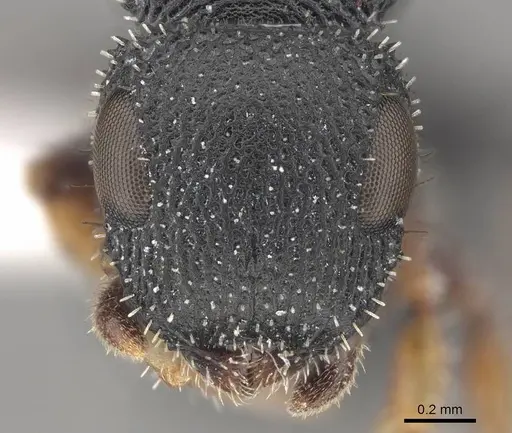
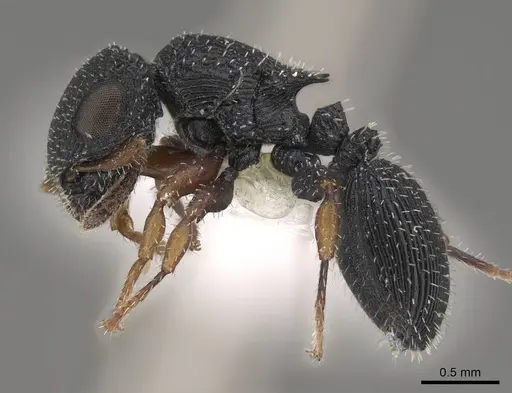
Cataulacus striativentris is a tiny arboreal ant species native to Central and East Africa, found in the Democratic Republic of Congo, Kenya, and Uganda. Workers measure just 3.6-3.7mm, making them one of the smaller Myrmicinae ants you'll encounter. They have notably large eyes for an ant, a common trait in arboreal species that helps them navigate the complex three-dimensional environment of forest canopies. Their body is covered in short, blunt hairs and they have distinctive spines on their rear (propodeum bispinose). The pronotum is noticeably broad and laterally expanded. These ants are part of the tenuis species group and are primarily collected through canopy fogging, confirming they live and forage high in trees rather than on the ground [1].
Quick Summary
- Difficulty: Medium
- Origin & Habitat: Democratic Republic of Congo, Kenya, and Uganda. This is a strictly arboreal species, they live and forage in the forest canopy, not on the ground. They inhabit tropical forest environments in Central/East Africa [1].
- Colony Type: Colony structure is unconfirmed. Based on genus patterns, likely monogyne (single queen) but this has not been directly documented.
- Size & Growth:
- Queen: Unknown, not directly measured
- Worker: 3.6-3.7mm [1]
- Colony: Unknown, no colony size data available
- Growth: Unknown, no development data available
- Development: Unknown, no direct measurements. Based on typical Myrmicinae patterns in tropical arboreal species, estimate 4-8 weeks at optimal temperature. (No species-specific development data exists. Estimates based on genus-level patterns.)
- Antkeeping:
- Temperature: Keep around 24-28°C. These are tropical arboreal ants from Central/East Africa, so they need warmth. A gentle gradient allowing them to move between warmer and cooler areas is ideal.
- Humidity: Moderate to high. As an arboreal species, they prefer humid conditions but not saturated. Provide a moisture source (test tube water reservoir) and occasional misting of the outworld.
- Diapause: Unlikely, being a tropical species from near-equator regions, they probably do not require a true hibernation. However, slight temperature reductions during winter months may be beneficial.
- Nesting: Arboreal specialists. In captivity, they do well in test tubes with a water reservoir, or small acrylic/plaster nests. They prefer tight, enclosed spaces scaled to their tiny size. Provide climbing structures in the outworld since they're arboreal.
- Behavior: These are calm, non-aggressive ants with large eyes suggesting good vision. They are arboreal by nature, so they'll spend more time climbing than walking on flat surfaces. Workers are small (3.6-3.7mm) so escape prevention must be excellent, they can squeeze through surprisingly small gaps. They likely forage in the canopy layer and may tend aphids or collect honeydew. Their large eyes and arboreal lifestyle suggest they may be more visually oriented than ground-nesting ants.
- Common Issues: escape prevention is critical due to their tiny 3.6mm size, use fine mesh and tight-fitting barriers, no species-specific diet information exists, start with sugar water and small live prey, growth rate is unknown so beginners may struggle with patience, humidity balance is tricky, too wet causes mold, too dry causes desiccation, wild-caught colonies may have canopy-specific parasites not present in ground-nesting species
Natural History and Distribution
Cataulacus striativentris is known from three countries in tropical Africa: the Democratic Republic of Congo, Kenya, and Uganda. These ants are strictly arboreal, meaning they live and forage in trees rather than on the ground. Scientists have primarily collected them through canopy fogging, a method where insecticide is sprayed into the tree canopy to knock down insects living in leaves and branches. This confirms they are true canopy dwellers, spending their lives high above the forest floor. Their large eyes are a common adaptation in arboreal ants, helping them navigate the complex three-dimensional environment of forest canopies and judge distances when moving between leaves and branches [1].
Identification and Morphology
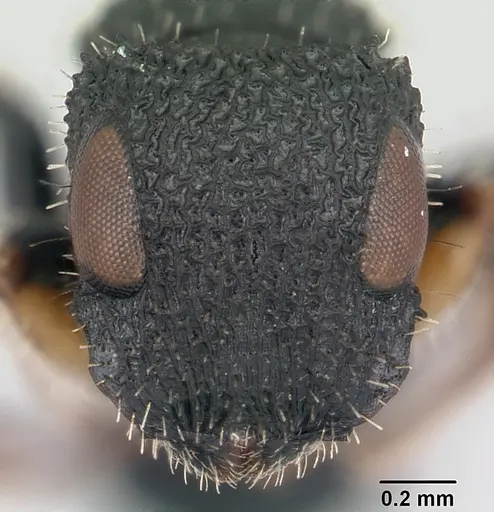
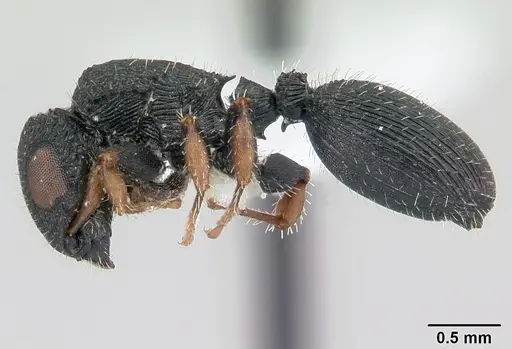
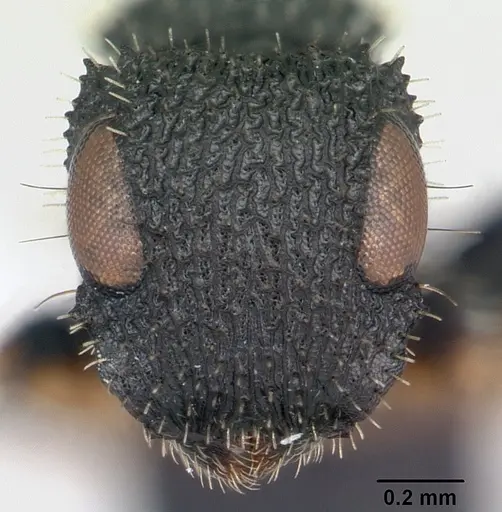
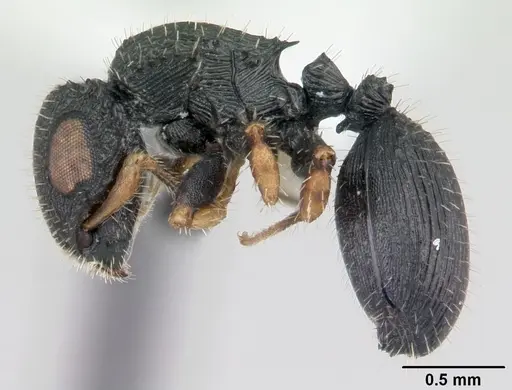
Workers of Cataulacus striativentris are tiny at just 3.6-3.7mm in total length. They belong to the tenuis species group within the genus Cataulacus. Key identification features include: notably large eyes (OI 50-51,meaning the eye index is about half the head width), a broad pronotum that is noticeably wider than the rest of the alitrunk (middle body section), and propodeum with two short, broad, divergent spines. The dorsal surfaces of head and body have numerous short, blunt erect hairs, numerous but not abundant or very elongate. The head has coarse reticulate-rugose sculpturing between and behind the eyes, while the alitrunk has longitudinal sulcate-rugose sculpturing. Occipital corners have a tooth and a smaller secondary tooth beside them [1].
Nest Preferences and Housing
As arboreal ants, Cataulacus striativentris will do best in setups that reflect their natural canopy-dwelling lifestyle. In captivity, they thrive in test tubes with a water reservoir (standard founding setup) or small acrylic nests. The key is providing tight chambers scaled to their tiny 3.6mm size, they feel secure in small, enclosed spaces. In the outworld, include climbing structures like twigs, cork bark, or artificial plants since these ants naturally prefer to walk on vertical surfaces and navigate through branches rather than across flat ground. Escape prevention is critical because of their small size, use fine mesh (at least 0.5mm) on any ventilation and ensure all connections are tight. A small outworld is fine since they're not large colony builders [1].
Feeding and Diet
No specific dietary studies exist for this species, so we must infer from genus patterns and what we know about arboreal ants. Cataulacus species typically are omnivorous, feeding on honeydew (the sugary waste product from aphids and scale insects), nectar, and small insects. In captivity, offer sugar water or honey as a constant energy source. For protein, provide small live prey appropriate to their tiny size, fruit flies, pinhead crickets, or small mealworms. Being arboreal, they may be more inclined to forage on leaves and branches than on the ground, so consider offering food on elevated surfaces or attached to climbing structures. Observe your colony's preferences and adjust accordingly [1].
Temperature and Seasonal Care
These are tropical ants from Central/East Africa near the equator, so they need warm conditions. Aim for temperatures in the range of 24-28°C. A temperature gradient is ideal, allow the ants to choose their preferred warmth by placing the nest at room temperature (around 24°C) or use a very gentle heat source on one side of the outworld if your room runs cool. Unlike temperate species, they likely do not require a true hibernation diapause. However, slight seasonal variations are natural, you might allow temperatures to drop a few degrees during 'winter' months (your local winter, not necessarily corresponding to their origin) but maintain at least 22°C minimum. Avoid cold drafts and ensure the nest area remains consistently warm [1].
Behavior and Colony Dynamics
Cataulacus striativentris appears to be a calm, non-aggressive species. Their large eyes suggest they may rely more on visual cues than many ground-nesting ants, this is common in arboreal species that navigate complex three-dimensional environments. Workers are small but active, moving through the canopy layer in search of honeydew and small prey. The colony structure is not documented, but based on genus patterns, they likely have a single queen (monogyne). The founding behavior is unconfirmed, like most Myrmicinae, the queen probably seals herself in a chamber and raises the first workers alone (claustral founding), but this has not been directly observed for this species. Colonies likely remain relatively small compared to ground-nesting species, possibly under a few hundred workers given their tiny size and arboreal lifestyle [1].
Frequently Asked Questions
How long does it take for Cataulacus striativentris to produce first workers?
The egg-to-worker timeline is unconfirmed for this species since no developmental studies exist. Based on typical Myrmicinae patterns for small tropical arboreal ants, expect approximately 4-8 weeks from egg to first worker at optimal temperature (around 26°C). Be patient, this is a slow process and varies based on temperature and feeding.
What do Cataulacus striativentris ants eat?
No species-specific dietary studies exist. Based on genus patterns, they likely accept sugar sources (honey water, sugar water) and small live prey (fruit flies, small crickets, pinhead mealworms). As arboreal ants, they may prefer foraging on elevated surfaces. Start with sugar water always available and small live prey offered 2-3 times per week.
Can I keep Cataulacus striativentris in a test tube?
Yes, test tubes work well for this species, especially for founding colonies. Use a small test tube with a water reservoir (cotton ball at one end). The tiny 3.6mm workers feel secure in small chambers. Ensure excellent escape prevention, their small size means they can squeeze through gaps that seem impossible. Once the colony grows, you can move to a small acrylic nest.
Do Cataulacus striativentris ants need hibernation?
Probably not. Being a tropical species from near-equator regions (DRC, Kenya, Uganda), they likely do not require a true hibernation. However, slight temperature reductions during winter months are natural and may benefit the colony. Maintain at least 22°C minimum even in winter.
Are Cataulacus striativentris good for beginners?
This species is challenging for beginners primarily due to lack of species-specific information. No developmental data, diet preferences, or colony structure has been documented. If you're experienced with other Myrmicinae and comfortable with uncertainty, this can be an interesting species. However, for your first arboreal ant, consider better-documented species like some Crematogaster or Camponotus species.
How big do Cataulacus striativentris colonies get?
Colony size is unconfirmed, no data exists on maximum colony size for this species. Based on their tiny 3.6mm worker size and arboreal lifestyle, colonies likely remain relatively small, probably under a few hundred workers. This is typical for small arboreal Myrmicinae.
Do Cataulacus striativentris ants sting?
Being Myrmicinae, they have a stinger, but at 3.6mm they are far too small to penetrate human skin. They are described as calm and non-aggressive. You are unlikely to feel any sting from these tiny ants.
What temperature range does Cataulacus striativentris need?
Keep them warm, aim for 24-28°C. These are tropical arboreal ants from Central/East Africa. A gentle gradient allowing them to choose their preferred temperature is ideal. Avoid temperatures below 22°C or above 32°C.
Why are my Cataulacus striativentris escaping?
Their tiny 3.6mm size makes them excellent escape artists. Review all escape prevention measures: use fine mesh (0.5mm or smaller) on ventilation, check all connections and lid seals, use fluon or other barriers on smooth surfaces. Even tiny gaps that wouldn't concern larger ants will allow these to escape.
When should I move Cataulacus striativentris to a formicarium?
Move them when the test tube shows signs of decline (water mold, contamination, or the colony has outgrown the space). For this small species, a small acrylic nest or plaster nest works well. They prefer tight chambers and climbing structures. Do not rush the move, test tubes work fine for extended periods.
References

This caresheet is licensed under CC BY-SA 4.0 .
CASENT0178290
View on AntWeb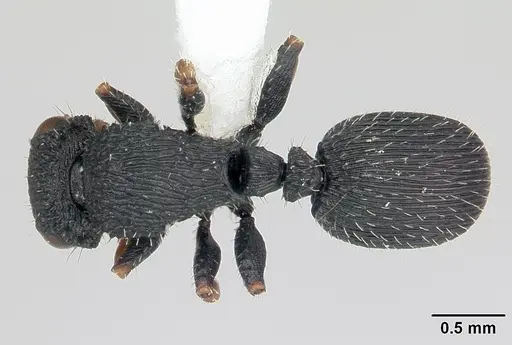
CASENT0178291
View on AntWeb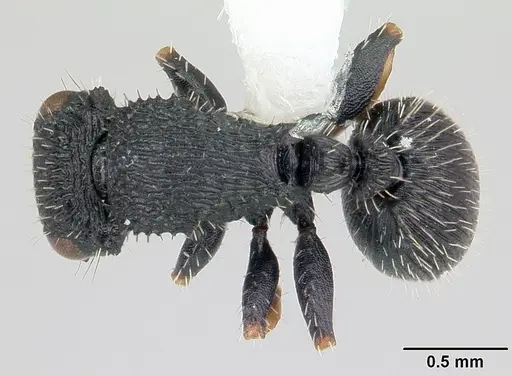
CASENT0362985
View on AntWeb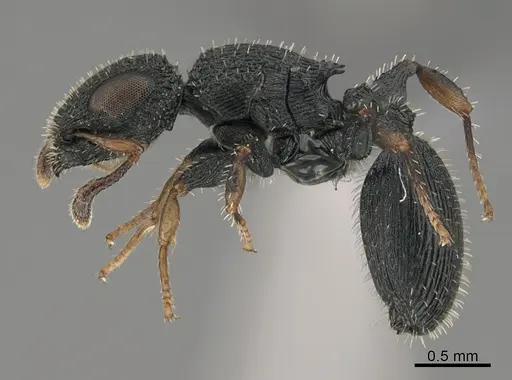
CASENT0900265
View on AntWeb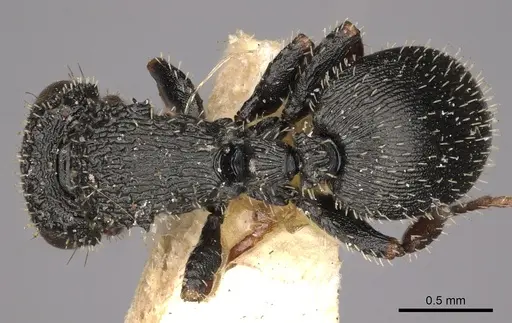
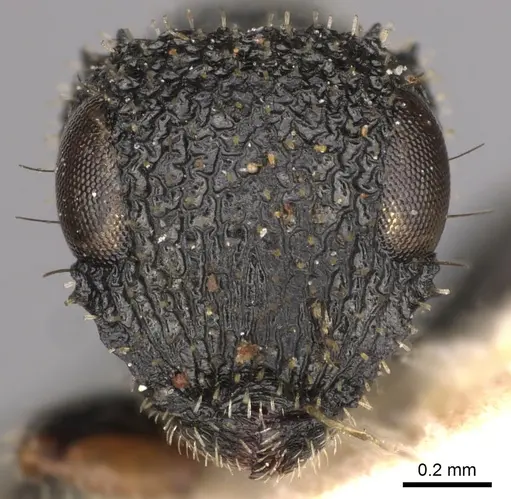
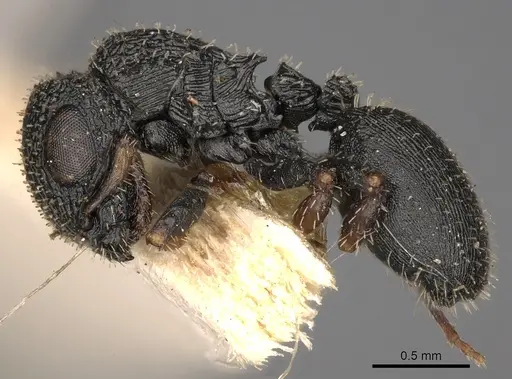
CASENT0912566
View on AntWeb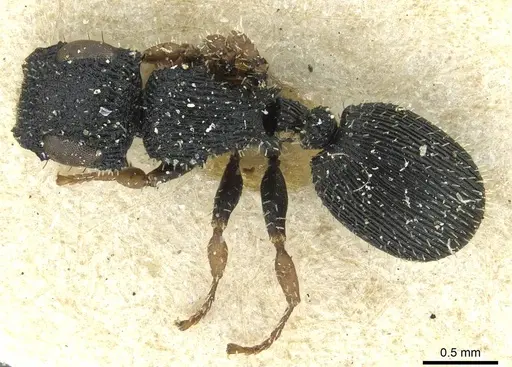
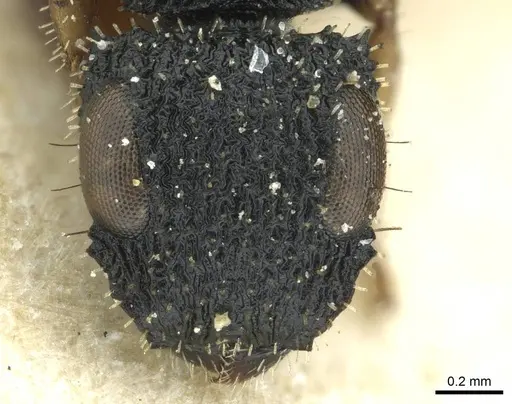
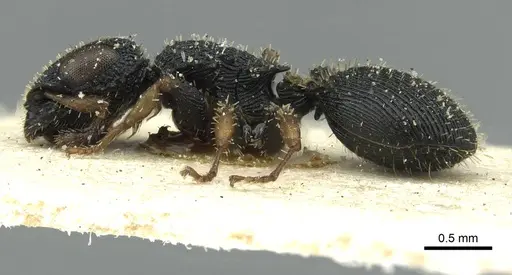
CASENT0912567
View on AntWeb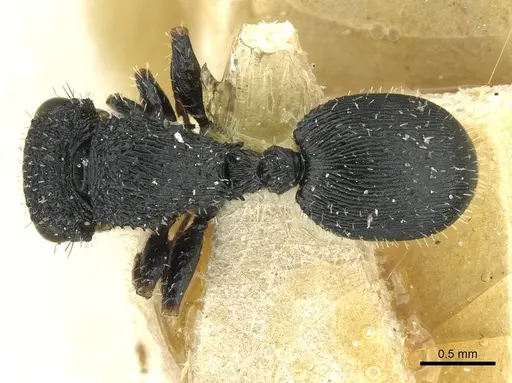
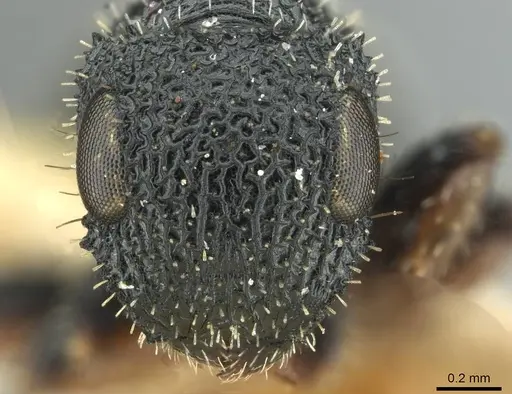
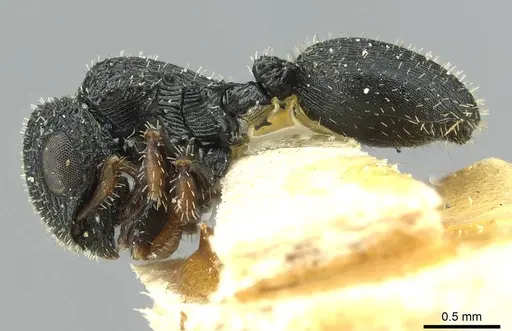
CASENT0922505
View on AntWeb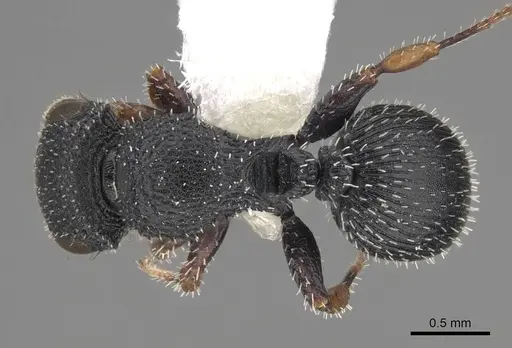
Literature
Loading...Loading products...