

Cataulacus pygmaeus
- Scientific Name
- Cataulacus pygmaeus
- Tribe
- Crematogastrini
- Subfamily
- Myrmicinae
- Author
- André, 1890
- Distribution
- Found in 5 countries
Cataulacus pygmaeus Overview
Cataulacus pygmaeus is an ant species of the genus Cataulacus. It is primarily documented in 5 countries , including Angola, Congo, Democratic Republic of the. Detailed taxonomic data and occurrence records can be further explored via authoritative databases such as AntWeb or the Global Biodiversity Information Facility (GBIF).
Cataulacus pygmaeus
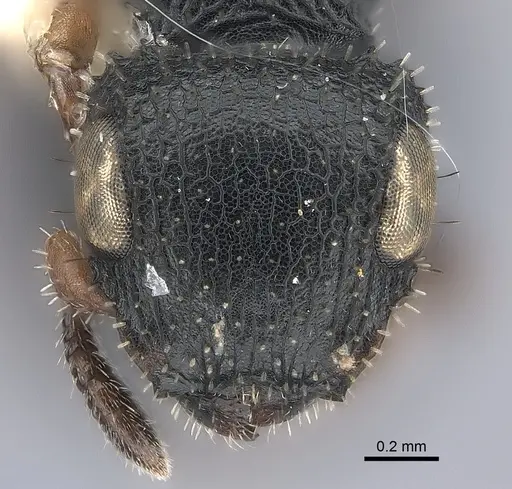
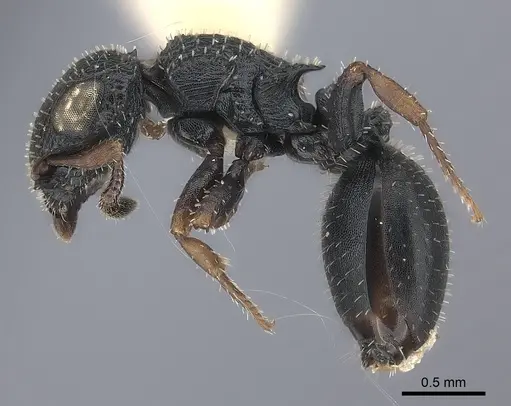
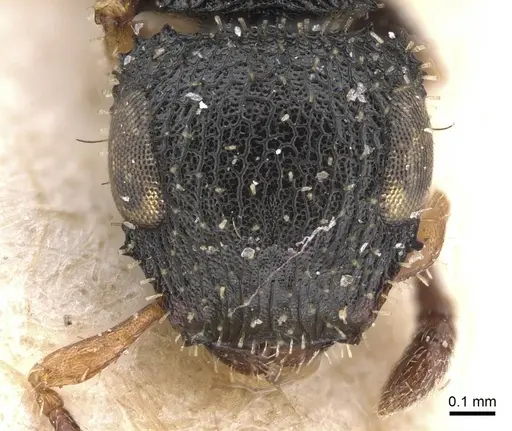
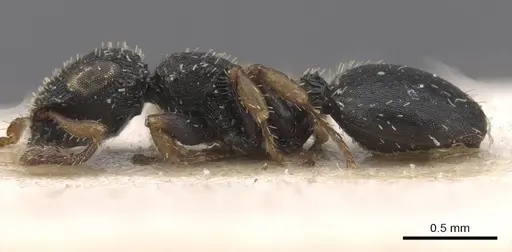
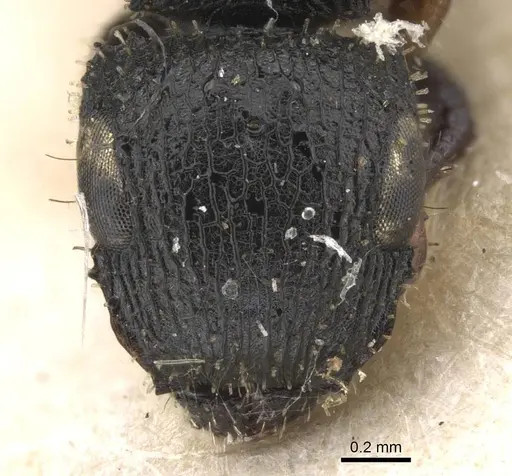
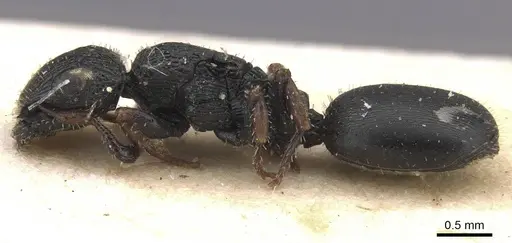
Cataulacus pygmaeus is a small arboreal ant species native to tropical Africa. Workers measure 3.7-4.4mm with a distinctive appearance featuring small eyes, denticulate body margins, and broad flattened spines on the propodeum. Queens are larger at 5.2-5.3mm. This species belongs to the intrudens group and constructs nests within stems and twigs of low shrubs and trees, with workers moving freely along plant surfaces [1].
What makes Cataulacus pygmaeus interesting is their mutualistic relationship with coccids (scale insects). Workers tend these tiny insects on the apical portions of twigs and flower stalks, harvesting the honeydew they produce. This makes them a non-dominant arboreal species that relies on plant-based food sources rather than aggressive foraging [2][1].
Quick Summary
- Difficulty: Medium
- Origin & Habitat: Afrotropical region, found across Chad, Democratic Republic of Congo, Ghana, Ivory Coast, Kenya, Liberia, Nigeria, Sierra Leone, and Tanzania. These ants live in tropical environments and are strictly arboreal, nesting inside dead twigs and stems of shrubs and trees [1].
- Colony Type: Colony structure is unconfirmed. Based on typical Cataulacus patterns, likely single-queen colonies. No documented ergatoid (wingless replacement) queens have been reported for this species.
- Size & Growth:
- Queen: 5.2-5.3mm [1]
- Worker: 3.7-4.4mm [1]
- Colony: Unknown, no colony size data available for this species
- Growth: Unknown, no development timing studies exist
- Development: Unknown, no direct development studies. Based on related Myrmicinae in tropical conditions, estimate 4-8 weeks at warm temperatures. (Development timeline is unconfirmed. Related arboreal Myrmicinae typically develop faster than ground-nesting species.)
- Antkeeping:
- Temperature: Keep warm, around 24-28°C. Being a tropical species, they need consistently warm conditions. A heating cable on one side of the nest creates a suitable gradient.
- Humidity: Moderate to high humidity (60-80%). As arboreal ants nesting in twigs, they prefer humid conditions but not saturated. Provide a water source and keep nest material slightly moist.
- Diapause: Unknown, tropical species may not require true hibernation, but may slow down during cooler seasons. No documented diapause requirements exist.
- Nesting: Arboreal setup is essential. These ants nest in twigs and stems, so provide narrow cavities that mimic their natural twig nesting sites. Y-tong nests with small chambers or acrylic nests with appropriately sized tunnels work well. Avoid large open spaces, they prefer tight-fitting quarters [1].
- Behavior: Workers are small but active, foraging along plant surfaces rather than on the ground. They are not aggressive and rely on honeydew from tended coccids as a primary food source. Escape prevention is important, their small size means they can slip through small gaps. They are not known for stinging.
- Common Issues: escape prevention is critical due to their tiny 3-4mm size, use fine mesh and tight-fitting barriers, humidity control matters, too dry causes deshydration, too wet promotes mold, tropical warmth is essential, cool temperatures likely slow or stop brood development, wild-caught colonies may carry parasites that affect captive survival, slow colony growth tests keeper patience, don't overfeed or disturb founding colonies
Nest Preferences and Housing
Cataulacus pygmaeus is strictly arboreal, meaning they live in trees and shrubs. In captivity, you need to replicate their natural twig-nesting habitat. These ants construct nests inside dead stems and twigs, so provide narrow cavities that mimic these conditions. Y-tong (acrylic) nests with small chambers work well, as do custom setups using natural twig material. The key is providing tight-fitting chambers, these ants don't do well in large open spaces. A naturalistic setup with actual twigs or small-diameter tubes more closely matches what they'd experience in the wild. Keep the nest humid but not waterlogged, as their natural twig nests would be in damp forest conditions [1].
Feeding and Diet
In the wild, Cataulacus pygmaeus tends small coccids (scale insects) on the tips of twigs and flower stalks. The workers harvest honeydew, a sugary liquid the coccids produce. This means your colony needs a steady supply of sugar sources. Offer sugar water, honey, or diluted honey water regularly. They will also accept small insects, particularly since they need protein for brood development. Live prey like fruit flies or small crickets works well. Unlike aggressive predatory ants, these are gentle foragers that prefer a steady honeydew supply. Feed sugar constantly and protein 2-3 times per week [1].
Temperature and Care
Being a tropical African species, Cataulacus pygmaeus needs warm conditions. Aim for 24-28°C in the nest area. A heating cable placed on one side of the nest creates a gentle temperature gradient that lets workers choose their preferred zone. Room temperature alone may be too cool, especially in winter. Monitor colony activity, if workers seem sluggish or cluster together, increase warmth slightly. Since they're arboreal and live in humid tropical forests, they also need moderate humidity (60-80%). A water tube or moist cotton in the outworld helps maintain humidity. Avoid both cold drafts and dry conditions.
Behavior and Temperament
These ants are peaceful and not aggressive. Workers are small (3.7-4.4mm) and move along plant surfaces in a deliberate manner. They are foragers rather than hunters, primarily collecting honeydew from tended coccids. The colony will likely stay close to their nest site and expand slowly into connected spaces. They are not known for stinging, their small size and docile nature make them relatively harmless. The main behavioral concern is their small size making them prone to escaping through tiny gaps. Use fine mesh on all openings and check connections regularly. They are slow to establish and may appear inactive during founding, this is normal. [1]
Colony Establishment
Starting a colony from a wild-caught queen is challenging since founding behavior is unconfirmed for this species. Based on typical Cataulacus patterns, the queen likely seals herself in a chamber and raises her first workers alone (claustral founding). She would use stored fat reserves to survive until nanitic (first) workers emerge. During this time, do not disturb the founding chamber. Once workers appear, they will begin foraging for sugar and small prey. Wild-caught colonies may carry parasites or face adjustment issues to captive conditions. Expect slow initial growth, these small ants take time to build population.
Frequently Asked Questions
How long does it take for Cataulacus pygmaeus to have first workers?
The egg-to-worker timeline is unconfirmed for this species. Based on related Myrmicinae in tropical conditions, expect 4-8 weeks at warm temperatures (24-28°C). Growth is typically slow, so be patient with founding colonies.
Can I keep Cataulacus pygmaeus in a test tube?
Test tubes can work for founding colonies, but these arboreal ants prefer narrow cavities that mimic their natural twig nests. Once the colony grows beyond 10-15 workers, consider moving to a Y-tong or acrylic nest with appropriately sized chambers. The key is tight-fitting spaces, not large open areas.
What do Cataulacus pygmaeus eat?
They primarily need sugar sources, offer sugar water, honey, or diluted honeydew. They will also accept small live prey like fruit flies, pinhead crickets, or small mealworms. In the wild they tend coccids for honeydew, so sugar should be available constantly [1].
Do Cataulacus pygmaeus ants sting?
These ants are not known for stinging. Their small size and docile nature make them relatively harmless. They are peaceful foragers rather than aggressive defenders.
Are Cataulacus pygmaeus good for beginners?
This species is rated Medium difficulty. They require warm, humid conditions and escape prevention is critical due to their tiny size. They are slower to establish than some common species. Beginners should have some antkeeping experience before attempting this species.
Do Cataulacus pygmaeus need hibernation?
Being a tropical species, they likely do not require true hibernation. However, they may slow down during cooler seasons. If you keep them at room temperature (around 20-24°C), no special winter care is needed. Do not expose them to cold temperatures below 18°C.
How big do Cataulacus pygmaeus colonies get?
Colony size is unknown for this species. Based on their small worker size and arboreal lifestyle, colonies likely remain modest, probably under a few hundred workers at maximum. They are not known for forming supercolonies [1].
Why are my Cataulacus pygmaeus dying?
Common causes include: too cool temperatures (below 24°C), dry conditions (humidity below 60%), escape through tiny gaps, overfeeding causing mold, or parasites from wild-caught colonies. Check your temperature gradient, humidity levels, and ensure escape prevention is tight. Wild-caught colonies often struggle in initial captivity.
When should I move Cataulacus pygmaeus to a formicarium?
Move them when the test tube or founding setup becomes crowded (typically 20+ workers) or when the water reservoir is depleted. Arboreal ants do better in nests with small chambers rather than large formicaria. A Y-tong nest with narrow passages works well.
Can I keep multiple Cataulacus pygmaeus queens together?
Colony structure is unconfirmed for this species. Based on typical Cataulacus patterns, they likely have single-queen colonies. Combining unrelated queens has not been documented and is not recommended. If you obtain multiple foundresses, keep them separate.
References

This caresheet is licensed under CC BY-SA 4.0 .
CASENT0217831
View on AntWeb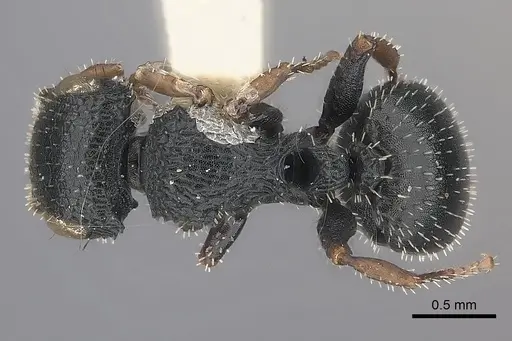
CASENT0362984
View on AntWeb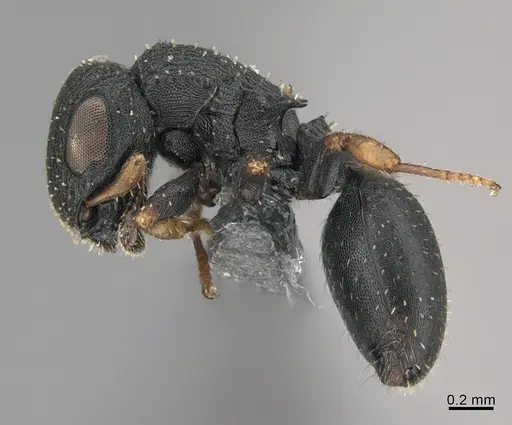
CASENT0915359
View on AntWeb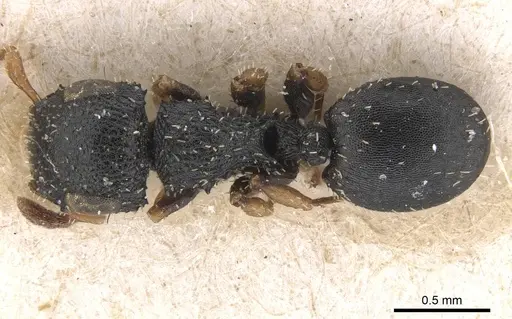
RMCAENT000017797
View on AntWeb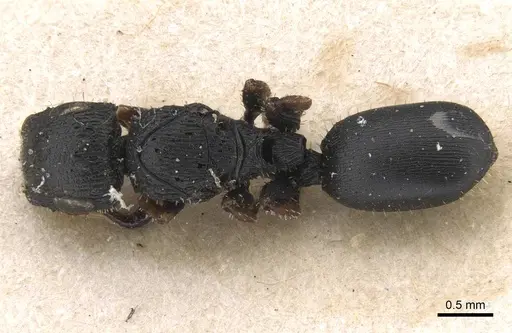
Literature
Loading...Loading products...