

Cataulacus mocquerysi
- Scientific Name
- Cataulacus mocquerysi
- Tribe
- Crematogastrini
- Subfamily
- Myrmicinae
- Author
- André, 1889
- Distribution
- Found in 4 countries
Cataulacus mocquerysi Overview
Cataulacus mocquerysi is an ant species of the genus Cataulacus. It is primarily documented in 4 countries , including Central African Republic, Congo, Côte d'Ivoire. Detailed taxonomic data and occurrence records can be further explored via authoritative databases such as AntWeb or the Global Biodiversity Information Facility (GBIF).
Cataulacus mocquerysi
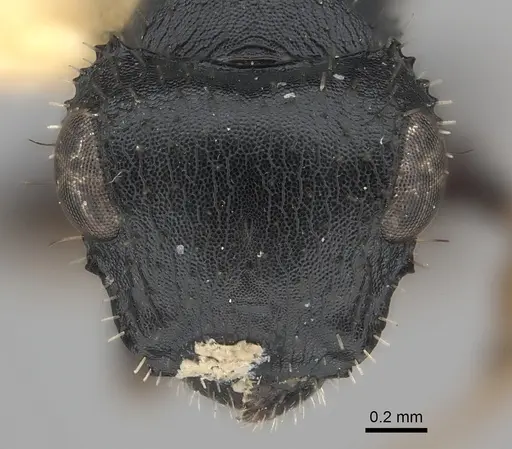
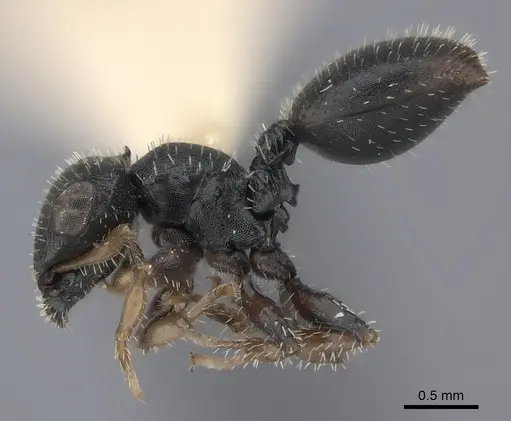
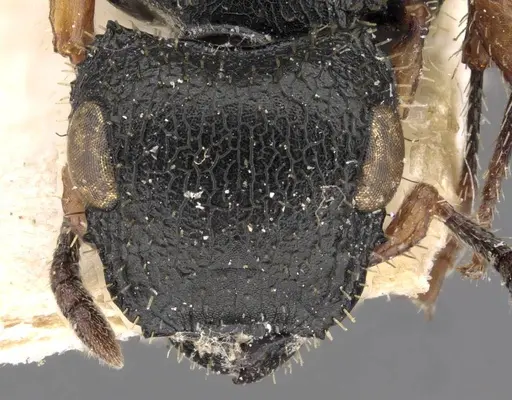
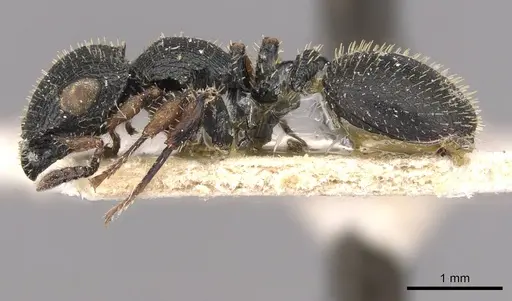
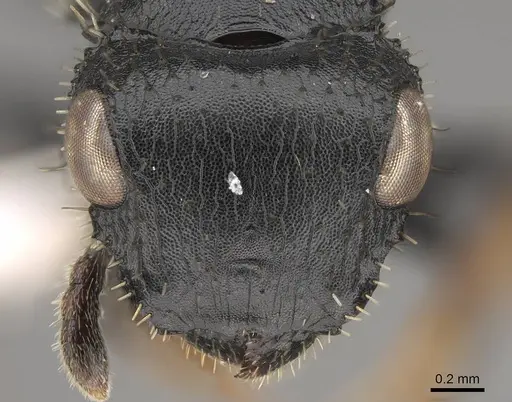
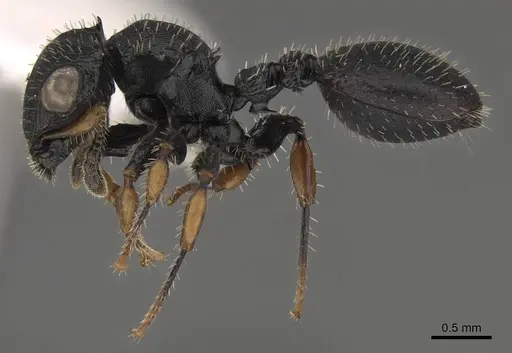
Cataulacus mocquerysi is a small arboreal ant native to West and Central Africa. Workers measure 4.0-5.5mm with a distinctive appearance featuring reduced propodeal spines (tiny blunt teeth instead of long spines), a broadly V-shaped petiole and postpetiole, and small teeth or denticles along the sides of the head and pronotum [1]. The queen is larger at 6.8mm. These ants are notable for their gliding ability, when workers fall or detach from a tree trunk, they can direct their freefall to glide back and regain hold of the same tree, a behavior shared with other arboreal ants [2]. They nest in hollow twigs on bushes and trees, typically in dry locations on shrubs and canopy-dwelling plants.
Quick Summary
- Difficulty: Medium
- Origin & Habitat: West and Central Africa (Democratic Republic of Congo, Ghana, Liberia, Nigeria, Sierra Leone). Found in secondary forest canopy and cocoa farms. Nests in dry, hollow twigs on bushes and trees [1].
- Colony Type: Likely monogyne (single queen colonies). Wild colonies appear small, one documented nest contained a queen with only 7 workers [1].
- Size & Growth:
- Queen: 6.8mm [1]
- Worker: 4.0-5.5mm [1]
- Colony: Small, documented colonies reach only around 7 workers, though this may represent incomplete sampling [1]
- Growth: Unknown, likely moderate based on small colony size
- Development: Unknown, no direct data available. Based on typical Myrmicinae patterns, estimate 6-10 weeks at optimal temperature. (Development timeline has not been directly studied. Related Cataulacus species suggest moderate development speed.)
- Antkeeping:
- Temperature: Tropical species, keep around 24-28°C. A gentle temperature gradient allows workers to regulate their exposure [1].
- Humidity: Moderate humidity around 60-80%. These are arboreal ants that naturally live in tree hollows, so avoid overly damp conditions that would cause mold in nest materials.
- Diapause: No, as a tropical species, they do not require hibernation. Maintain stable warm temperatures year-round.
- Nesting: Provide hollow twigs, bamboo, or similar narrow tubular nesting sites. Y-tong nests with tight chambers work well. These ants naturally nest in dry twigs 3 inches long by 0.25 inch wide [1]. Avoid large open spaces, they prefer tight, enclosed chambers.
- Behavior: Workers are docile and non-aggressive. They are subordinate at food baits, meaning they avoid conflict with other ant species rather than competing aggressively [3][4]. They forage on bark and leaves of their host tree. Their most remarkable behavior is directed aerial descent, they can glide back to the tree trunk when they fall, which is unusual among ants. Escape risk is moderate due to their small size, use standard barriers but they are not particularly prone to escaping compared to some tiny species.
- Common Issues: small colony size means slow population growth, don't expect rapid expansion, tropical species are sensitive to temperature drops below 20°C, arboreal nesting requires tight, enclosed spaces, they may not accept open formicarium designs, limited availability in the antkeeping hobby due to their cryptic nesting habits, wild-caught colonies may be stressed from habitat removal
Natural Nesting and Housing
Cataulacus mocquerysi naturally nests in dry, hollow twigs on bushes and trees. In the wild, they have been found in twigs about 3 inches long (roughly 7.5cm) by 0.25 inch wide (about 6mm diameter) [1]. For captive care, provide similar narrow, enclosed spaces. Bamboo sections, hollow twigs, or Y-tong nests with tight chambers work well. These ants are arboreal, they prefer nesting off the ground, so elevate the nest or provide climbing structures. Avoid large, open formicarium designs, they do best in confined spaces that mimic their natural twig nests.
Feeding and Diet
The natural diet of this species has not been directly observed, but they are subordinate foragers at baits, suggesting they are generalist scavengers that avoid competition with more aggressive species [3][4]. In captivity, offer standard ant foods: sugar water or honey as an energy source, and protein sources like small insects (fruit flies, small mealworms, crickets). As arboreal foragers, they may prefer food presented on elevated surfaces rather than on the ground. Start with small amounts and observe what they accept.
Temperature and Climate Needs
As a tropical species from West and Central Africa, Cataulacus mocquerysi requires warm conditions. Keep temperatures in the 24-28°C range. They can tolerate slightly warmer conditions but are sensitive to cold, avoid temperatures below 20°C. A heating cable on one side of the nest creates a gradient allowing workers to self-regulate. Since they are found in forest canopy, they prefer stable temperatures rather than fluctuations. No hibernation or diapause is required, maintain warm conditions year-round. [1]
Unique Gliding Behavior
This species exhibits directed aerial descent, one of the few ants that can actively control their fall. When workers fall or purposely detach from a tree trunk, they can glide back and re-land on the same tree [2]. This is an adaptation to arboreal life that prevents them from being lost when they fall from the canopy. In captivity, you may observe this behavior if workers fall from elevated positions, they may surprise you by landing back on the nest or enclosure walls rather than simply falling.
Frequently Asked Questions
How long does it take for Cataulacus mocquerysi to produce first workers?
The exact development timeline is unknown for this species. Based on typical Myrmicinae development patterns, expect 6-10 weeks from egg to worker at optimal temperature (around 26°C). The first workers (nanitics) will be smaller than mature workers.
What size colony does Cataulacus mocquerysi reach?
Wild colonies appear to remain small. The largest documented nest contained only 7 workers plus a queen [1]. In captivity, colonies likely stay modest, probably under 100 workers even in established colonies. This is not a species that produces massive colonies.
Do Cataulacus mocquerysi ants sting?
Cataulacus ants have a stinger but it is small and their venom is not medically significant to humans. These ants are docile and non-aggressive, they are subordinate at food baits and avoid conflict with other species [3][4].
Can I keep multiple queens together?
Colony structure is not well documented for this species. Based on typical Cataulacus behavior, they likely form single-queen colonies. It is not recommended to house multiple unrelated queens together as aggressive interactions may occur.
Do they need hibernation?
No. As a tropical species from West and Central Africa, Cataulacus mocquerysi does not require hibernation. Maintain warm temperatures (24-28°C) year-round without seasonal cooling.
Are Cataulacus mocquerysi good for beginners?
This species is rated as medium difficulty. They are docile and have straightforward temperature needs (tropical, no hibernation), but their small colony size and specific nesting requirements (tight enclosed spaces) may present challenges. They are also uncommon in the antkeeping hobby.
Why do my ants glide in the enclosure?
This is normal behavior! Cataulacus mocquerysi has evolved directed aerial descent, they can control their fall to glide back to surfaces [2]. If your ants fall from elevated positions in the enclosure, they may glide rather than simply drop. This is a fascinating natural behavior and not a sign of distress.
References

This caresheet is licensed under CC BY-SA 4.0 .
CASENT0217862
View on AntWeb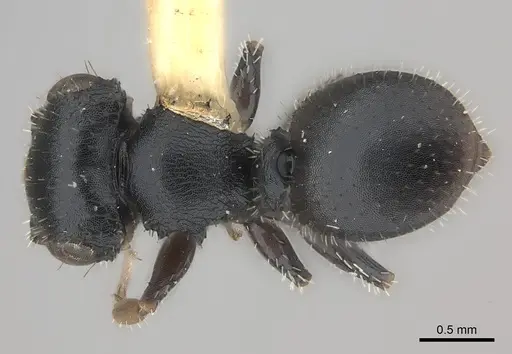
CASENT0404059
View on AntWeb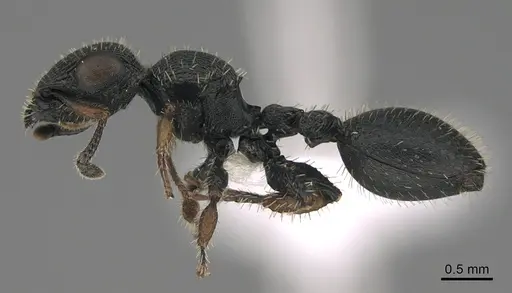
CASENT0909230
View on AntWeb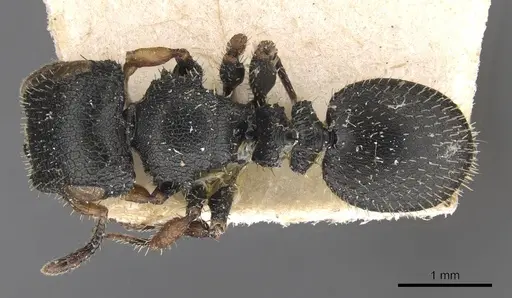
CASENT0922503
View on AntWeb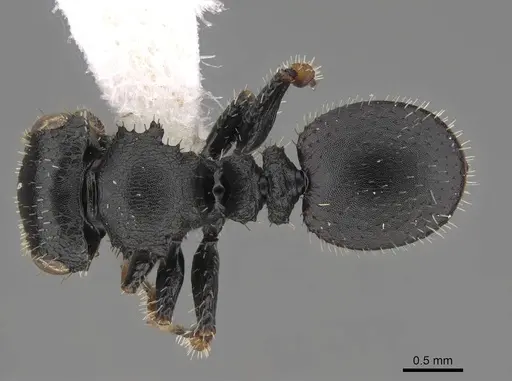
Literature
Loading...Loading products...