

Cataulacus lujae
- Scientific Name
- Cataulacus lujae
- Tribe
- Crematogastrini
- Subfamily
- Myrmicinae
- Author
- Forel, 1911
- Distribution
- Found in 2 countries
Cataulacus lujae Overview
Cataulacus lujae is an ant species of the genus Cataulacus. It is primarily documented in 2 countries , including Congo, Democratic Republic of the, Uganda. Detailed taxonomic data and occurrence records can be further explored via authoritative databases such as AntWeb or the Global Biodiversity Information Facility (GBIF).
Cataulacus lujae
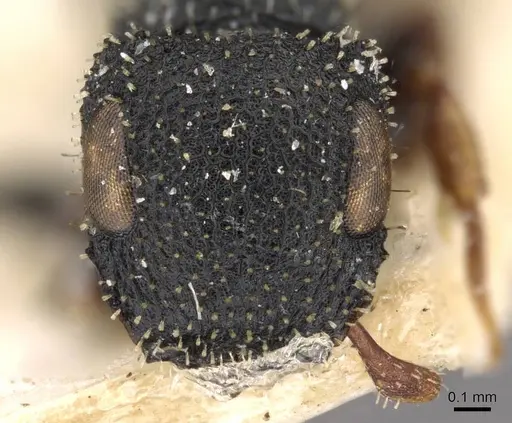
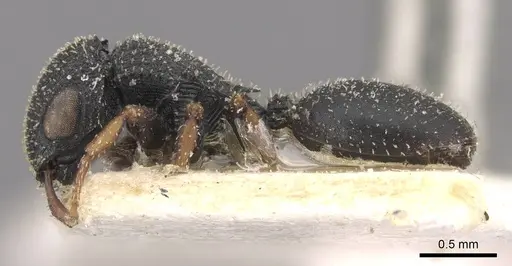
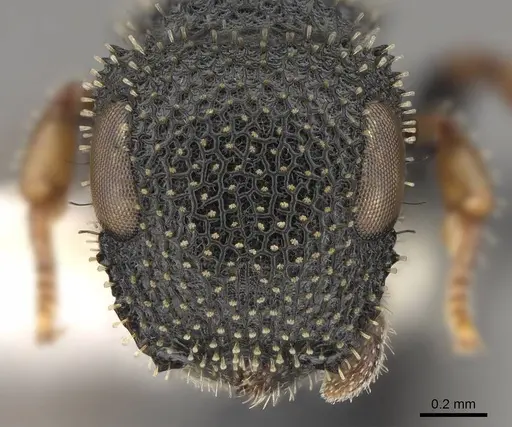
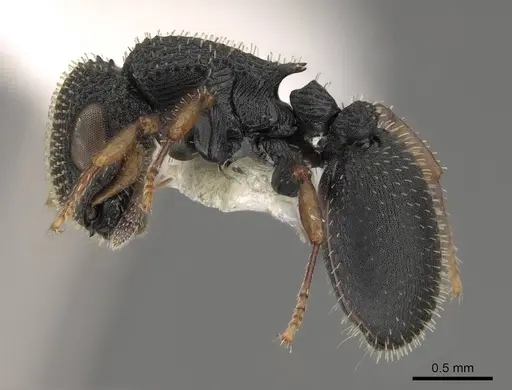
Cataulacus lujae is a small to medium-sized arboreal ant species native to central Africa. Workers measure approximately 4-6mm and have the distinctive broad, flattened body shape typical of Cataulacus ants, which helps them navigate through narrow twig cavities and tree hollows. The genus Cataulacus is known for their remarkable ability to squeeze through unusually small openings, their bodies can compress significantly, allowing them to access nest sites that would be inaccessible to other ants. This species has been documented in the Democratic Republic of Congo and Nigeria, where it inhabits tropical forest environments [1][2].
The genus Cataulacus is arboreal by nature, these ants live in trees rather than underground, nesting in hollow twigs, branches, and tree cavities. This arboreal lifestyle means they have different care requirements than ground-nesting ants, particularly regarding humidity and nesting space. They tend to form moderate-sized colonies with relatively slow growth compared to many common ant species.
Quick Summary
- Difficulty: Medium
- Origin & Habitat: Democratic Republic of Congo and Nigeria, tropical forest environments, arboreal (tree-dwelling) [1][2]
- Colony Type: Colony structure is not well documented. Based on genus patterns, likely single-queen colonies (monogyne), though this requires confirmation.
- Size & Growth:
- Queen: Approximately 6-8mm, estimated based on genus Cataulacus morphology
- Worker: 4-6mm
- Colony: Likely several hundred workers at maturity based on typical Cataulacus colony sizes
- Growth: Moderate to slow, arboreal ants typically develop more slowly than ground-nesting species
- Development: Estimated 8-12 weeks at optimal temperature based on genus patterns (Development time is not directly documented for this species. Arboreal tropical ants generally take longer than temperate species.)
- Antkeeping:
- Temperature: Keep around 24-28°C. As a tropical species, they need warm conditions year-round. A heating cable on one side of the nest creates a suitable gradient
- Humidity: Moderate to high humidity (60-80%). Arboreal ants need moisture but avoid waterlogging. The nest should have damp areas but also drier zones for the ants to regulate their own conditions
- Diapause: Likely no true diapause, being tropical, they probably remain active year-round with stable conditions. However, slight temperature reduction during winter months may be beneficial
- Nesting: Arboreal setup is essential. These ants need vertical space and should be provided with hollow twigs, cork bark, or a Y-tong/formicarium with narrow chambers that mimic their natural tree cavity homes. Avoid fully enclosed plaster nests that may trap too much moisture
- Behavior: Cataulacus lujae is generally peaceful but can be defensive when threatened. As arboreal ants, they are excellent climbers and will explore vertical spaces readily. They are not aggressive toward humans and rarely sting. Escape prevention is important due to their ability to squeeze through small gaps, ensure all connections and openings are tightly sealed. They are relatively active foragers and will search for food throughout their enclosure
- Common Issues: escape prevention is critical, their flattened body allows them to squeeze through tiny gaps that other ants cannot fit through, slow growth can frustrate beginners who expect rapid colony development, tropical humidity requirements can lead to mold problems if ventilation is inadequate, arboreal setup differs from standard ground-nesting ant setups, keepers may need to adapt their equipment, limited documented care information means keepers must rely on genus-level guidance rather than species-specific data
Natural History and Distribution
Cataulacus lujae is found in the tropical regions of central Africa, specifically documented in the Democratic Republic of Congo and Nigeria. The species was originally described in the early 20th century, with historical records from Forel (1911,1913,1916), Wheeler (1922b), and Bolton (1982) [1]. More recent surveys have confirmed its presence in Nigeria as a new regional record [2].
The genus Cataulacus consists of arboreal ants that have evolved to live in tree environments. They nest in hollow twigs, branches, and tree cavities, using their uniquely flattened body shape to access narrow spaces. This adaptation allows them to utilize nest sites that other ants cannot enter, reducing competition for nesting locations. In their natural habitat, they likely forage on tree trunks and foliage, hunting for small insects and collecting honeydew from aphids or scale insects that feed on tree sap.
Housing and Nest Setup
Because Cataulacus lujae is an arboreal species, your setup should reflect their natural tree-dwelling lifestyle. A Y-tong (acrylic) nest with narrow chambers works well, as does a naturalistic setup using cork bark or hollow twigs. The key is providing vertical space and narrow passages that mimic tree cavities.
Avoid fully enclosed plaster or soil nests initially, these tend to hold too much moisture for arboreal species and can lead to mold problems. If you do use these setups, ensure excellent ventilation. A hybrid approach works well: a small test tube setup for the founding queen, then transition to an arboreal formicarium as the colony grows.
The outworld (foraging area) should have climbing structures like twigs, branches, or mesh that allows the ants to explore vertically. This mimics their natural environment and encourages natural foraging behavior.
Feeding and Diet
In the wild, Cataulacus ants are omnivorous foragers that hunt small insects and collect honeydew from sap-feeding insects on trees. In captivity, you should offer a varied diet including small live prey (fruit flies, pinhead crickets, small mealworms) and sugar sources (honey water, sugar water).
Feed protein prey 2-3 times per week, adjusting based on colony size and consumption. Keep a constant sugar water or honey water supply. Remove uneaten prey after 24-48 hours to prevent mold. Because this species is not well-documented in captivity, monitor whether they accept the foods offered, some Cataulacus species can be picky eaters.
Temperature and Humidity
As a tropical species from central Africa, Cataulacus lujae requires warm conditions. Maintain temperatures between 24-28°C year-round. A heating cable placed on one side of the nest creates a temperature gradient that allows the ants to regulate their own conditions. Avoid temperatures below 22°C for extended periods.
For humidity, aim for 60-80% relative humidity. The nest should have areas of damp substrate but also drier zones. Monitor for condensation, excessive moisture combined with poor ventilation leads to mold, which can be fatal to ant colonies. Good ventilation is essential while still maintaining adequate humidity.
Colony Development
Colony development for Cataulacus lujae is expected to be slower than many common ant species. Based on typical arboreal ant development patterns, expect 8-12 weeks from egg to first worker (nanitic) at optimal temperature. The first workers will likely be smaller than mature workers.
Growth continues moderately after that, with colonies potentially reaching several hundred workers over 1-2 years under good conditions. Unlike fast-growing species like some Lasius or Tetramorium, Cataulacus colonies require patience. Avoid the temptation to overfeed or expand too quickly, a stable, slowly growing colony is healthier than one pushed to maximum growth.
Frequently Asked Questions
How long does it take for Cataulacus lujae to produce first workers?
Based on genus-level patterns, expect 8-12 weeks from egg to first worker at optimal temperature (24-28°C). This is slower than many common ant species, so patience is required. The exact timeline for this specific species has not been documented.
What do Cataulacus lujae ants eat?
They are omnivorous. Offer small live prey like fruit flies, pinhead crickets, or small mealworms 2-3 times per week. Keep a constant supply of sugar water or honey. Remove uneaten prey after 24-48 hours to prevent mold.
Can I keep Cataulacus lujae in a test tube setup?
A test tube setup can work for the founding queen, but you will need to transition to an arboreal setup as the colony grows. These are tree-dwelling ants that need vertical space and narrow chambers that mimic tree cavities. A Y-tong nest or cork bark setup works well for established colonies.
Do Cataulacus lujae ants sting?
They are not known for stinging and are generally peaceful toward humans. However, they may bite if threatened. Their main defense is escaping through small gaps rather than attacking.
What temperature do Cataulacus lujae need?
Keep them warm at 24-28°C year-round. As a tropical species, they do not tolerate cool temperatures well. A heating cable on part of the nest creates a suitable gradient.
Are Cataulacus lujae good for beginners?
They are considered medium difficulty. The main challenges are their slower growth rate compared to beginner species, their arboreal housing requirements, and the need for warm, humid conditions. They are not the hardest species, but they require more patience than species like Lasius or Tetramorium.
How big do Cataulacus lujae colonies get?
Based on typical Cataulacus colony sizes, they likely reach several hundred workers at maturity. This is smaller than many common ant species that can reach thousands of workers.
Do Cataulacus lujae need hibernation?
Probably not. Being a tropical species from central Africa, they likely remain active year-round. You do not need to induce diapause. Simply maintain stable warm temperatures throughout the year.
Why are my Cataulacus lujae escaping?
Cataulacus ants have uniquely flattened bodies that allow them to squeeze through tiny gaps. Check all connections, lids, and tube junctions carefully. Use fluon or other barriers on tube openings. Even small gaps that other ants cannot pass through may allow these ants to escape.
Can I keep multiple queens together?
This has not been documented for this species. Based on genus patterns, they are likely single-queen (monogyne) colonies. It is not recommended to house multiple unrelated queens together without documented evidence that they can found colonies pleometrotically.
References

This caresheet is licensed under CC BY-SA 4.0 .
CASENT0178289
View on AntWeb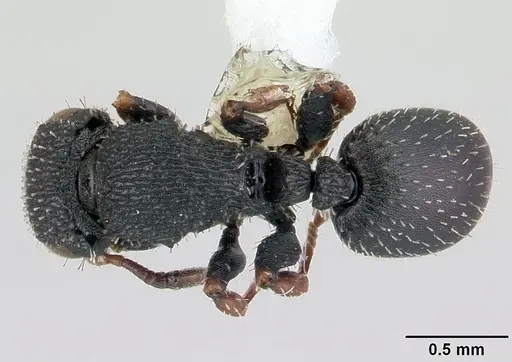
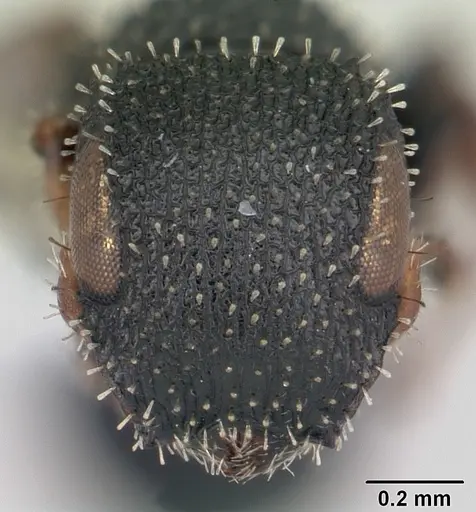
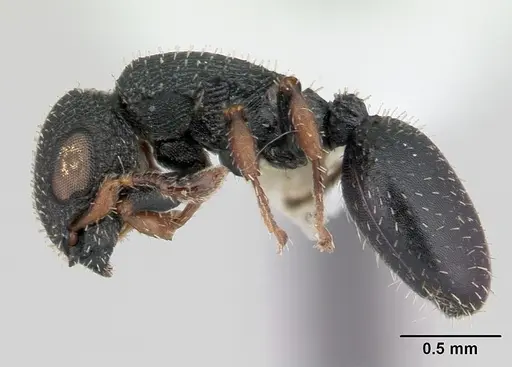
CASENT0362951
View on AntWeb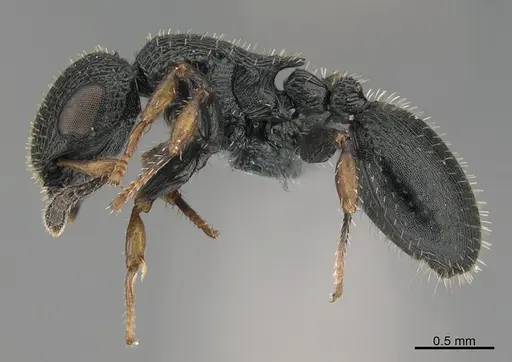
CASENT0904884
View on AntWeb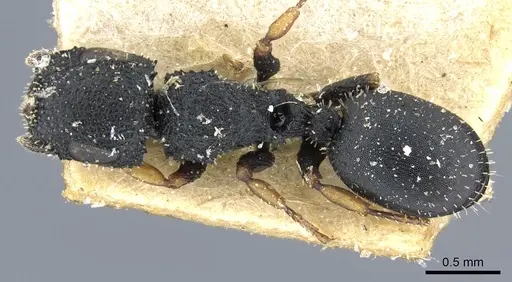
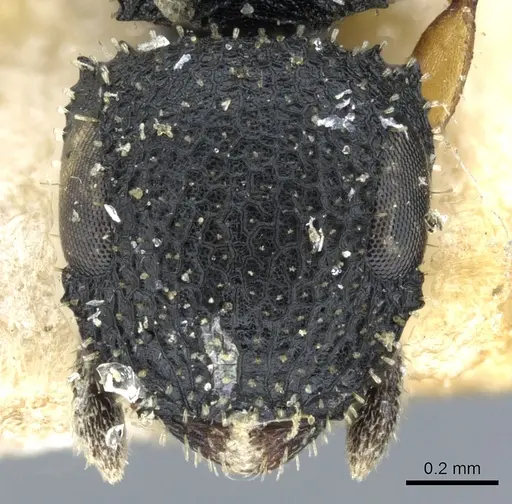
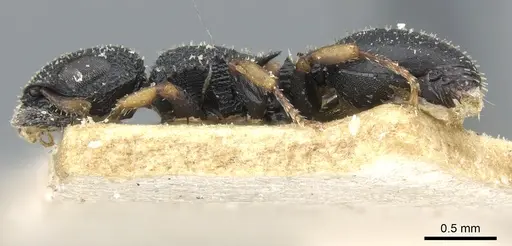
CASENT0909233
View on AntWeb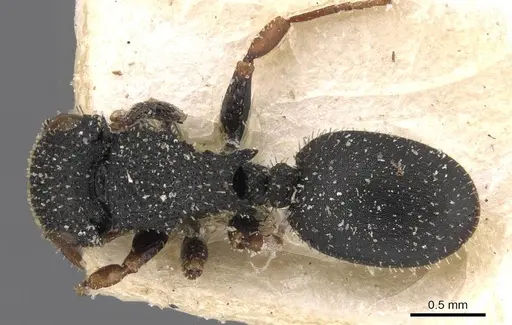
CASENT0922501
View on AntWeb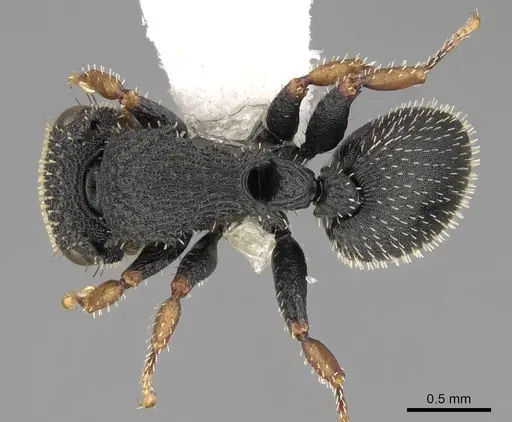
Literature
Loading...Loading products...