

Cataulacus horridus
- Scientific Name
- Cataulacus horridus
- Tribe
- Crematogastrini
- Subfamily
- Myrmicinae
- Author
- Smith, 1857
- Distribution
- Found in 2 countries
Cataulacus horridus Overview
Cataulacus horridus is an ant species of the genus Cataulacus. It is primarily documented in 2 countries , including Indonesia, Malaysia. Detailed taxonomic data and occurrence records can be further explored via authoritative databases such as AntWeb or the Global Biodiversity Information Facility (GBIF).
Cataulacus horridus
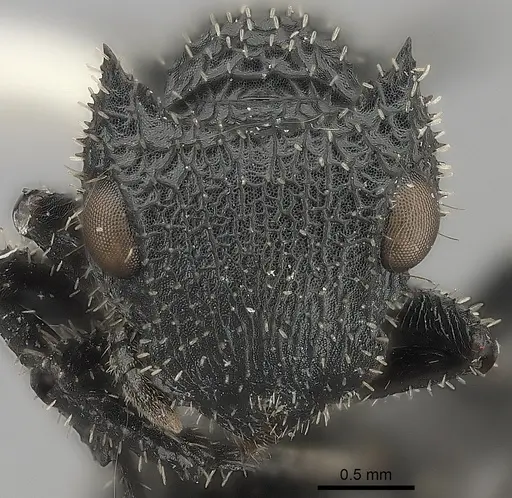
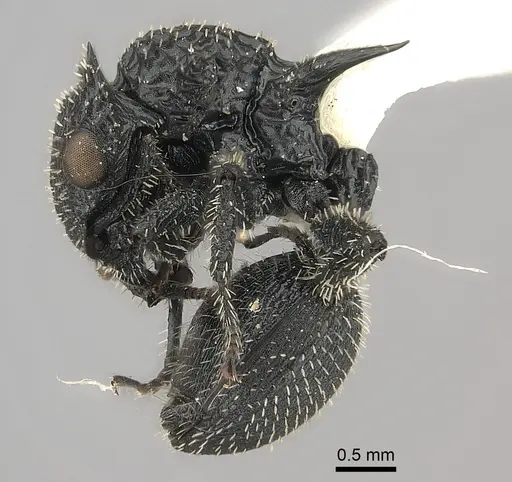
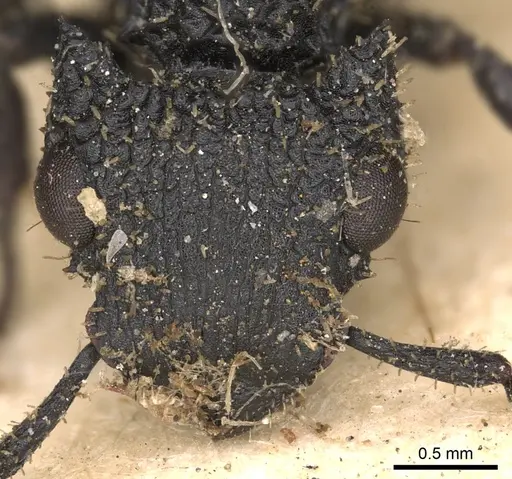
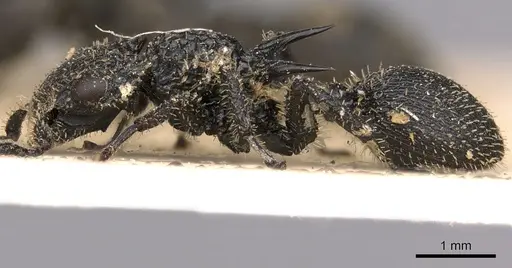
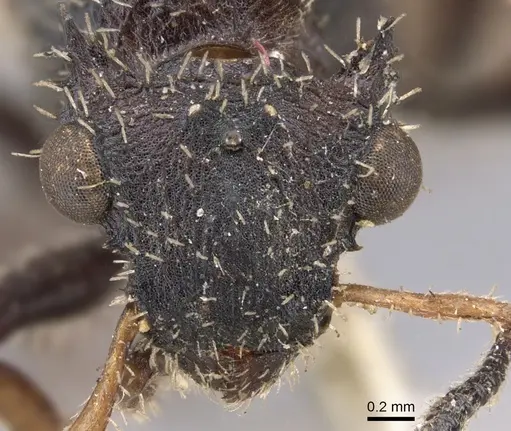
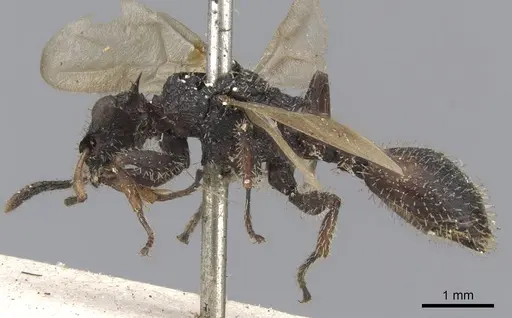
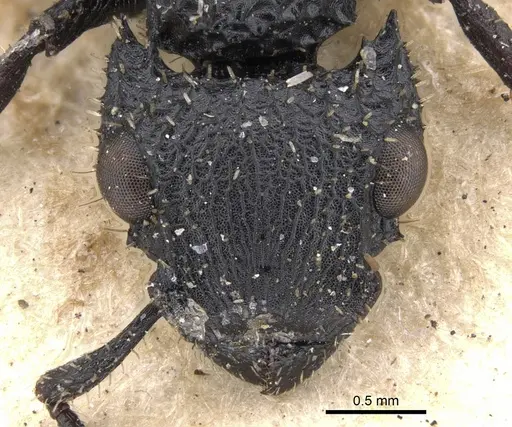
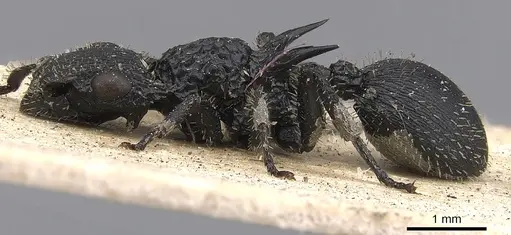
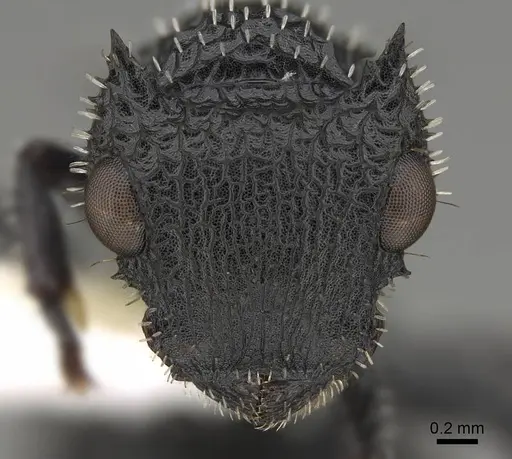
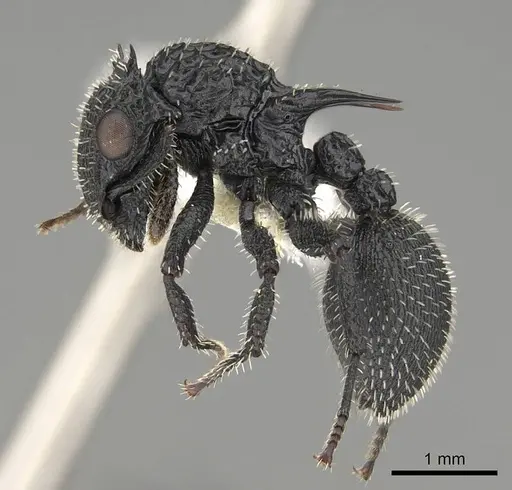
Cataulacus horridus is one of the largest and most distinctive tree-dwelling ants in the Indo-Australian region. Workers measure 4.8-7.0mm with a striking appearance featuring massive, broad spines projecting from the back of the head and long propodeal spines. Their black body is covered in short erect white hairs, and their short thick antennae end in a club. This species is arboreal, meaning it lives in trees, and builds colonies in rotting wood. What makes C. horridus particularly interesting is its polydomous colony structure, they nest in multiple connected locations with thousands of workers. They are habitat specialists found almost exclusively in rubber plantations rather than natural forests [1].
Quick Summary
- Difficulty: Medium
- Origin & Habitat: Native to Borneo, Indonesia (Sumatra, Java), Singapore, West Malaysia, and Thailand. This is a tropical arboreal species that nests in rotten logs in lowland rainforest areas and rubber plantations[1].
- Colony Type: Polydomous colonies with thousands of workers, they build nests in multiple connected locations rather than a single nest. Colony structure (single vs multiple queens) is unconfirmed in scientific literature.
- Size & Growth:
- Queen: 6.8-7.8mm
- Worker: 4.8-7.0mm
- Colony: Thousands of workers, polydomous colonies are large and spread across multiple nest sites
- Growth: Moderate, estimated based on typical Myrmicinae development patterns
- Development: 6-10 weeks, estimated based on related Myrmicinae species at tropical temperatures (Development time is not directly documented for this species. Estimates based on genus-level patterns for tropical Myrmicinae.)
- Antkeeping:
- Temperature: Keep at 24-28°C, they are a tropical species from warm, humid Southeast Asian rainforests. A gentle temperature gradient allows workers to regulate their exposure [2].
- Humidity: High humidity is essential, these ants come from rainforest environments. Keep nest substrate consistently moist but not waterlogged. Provide a water source and mist occasionally, but ensure good ventilation to prevent mold.
- Diapause: No, as a tropical species, they do not require hibernation. Maintain consistent warm conditions year-round.
- Nesting: Provide a naturalistic setup with rotting wood pieces or a Y-tong/plaster nest with moisture chambers. In the wild they nest in rotten logs, so substrate should contain decaying wood material. As an arboreal species, they prefer vertical or elevated nest configurations.
- Behavior: Workers are moderately aggressive and will defend their colony vigorously. They are active foragers that search for food in the canopy and surrounding areas. Their large size and spiny morphology serve as physical defense. Escape risk is moderate, use standard barrier methods but they are not particularly known for escaping. They are primarily nocturnal or crepuscular in their foraging patterns, typical of many tropical ants.
- Common Issues: tropical humidity requirements mean mold can develop quickly if ventilation is poor, polydomous colonies need more space than single-nest species, may require multiple connected enclosures, wild-caught colonies may be stressed from habitat disruption and have parasites, rubber plantation specialists may have specific dietary needs related to their natural habitat, large colony size means they consume significant amounts of food and water
Housing and Nest Setup
Cataulacus horridus requires an arboreal-focused setup that mimics their natural nesting in rotting wood. A Y-tong (acrylic) nest or plaster formicarium with moisture chambers works well. Add pieces of rotting wood or cork inside the nest chamber to provide the decaying wood substrate they prefer in the wild. Since they are polydomous (nest in multiple connected locations), consider providing multiple connected enclosures or a larger naturalistic setup. Ensure the nest has good ventilation to manage humidity without causing mold. A water test tube should always be available as a moisture source.
Feeding and Diet
Based on typical Cataulacus genus behavior and their presence in rubber plantations, these ants are likely omnivorous with a preference for honeydew and small insects. Offer sugar water or honey as a constant energy source. Provide protein-rich foods like small crickets, mealworms, or other insects 2-3 times per week. They may also accept fruit or nectar. As a large species with thousands of workers, colony food consumption is significant, monitor and adjust feeding amounts accordingly. Remove uneaten prey after 24-48 hours to prevent mold.
Temperature and Humidity Management
Maintain temperatures between 24-28°C year-round, these are tropical ants from warm Southeast Asian rainforests. A heating cable on one side of the nest creates a temperature gradient allowing workers to self-regulate. High humidity is critical (70-85%). Use a moisture reservoir in the nest and mist occasionally, but ensure adequate ventilation to prevent stagnant air and mold. The substrate should feel consistently damp but never waterlogged. Monitor condensation levels as an indicator of proper humidity. [2]
Colony Structure and Growth
Cataulacus horridus forms large polydomous colonies with thousands of workers spread across multiple connected nests. This is unusual among ants and means you should plan for significant space requirements as the colony grows. The colony structure (whether they have one queen or multiple) has not been documented in scientific literature. Growth rate is moderate, expect 6-10 weeks from egg to first worker at optimal tropical temperatures. Colonies in the wild have been observed with thousands of individuals, so plan accordingly for long-term housing.
Behavior and Defense
Workers are moderately aggressive and will readily defend the colony against threats. Their spiny morphology provides physical defense, the large occipital spines and propodeal spines make them difficult for predators to handle. They are primarily nocturnal foragers, searching for food during cooler evening and night hours. Workers communicate using chemical trails and will recruit nestmates to food discoveries. Their large colony size means they can overwhelm threats through sheer numbers. Handle gently if necessary, as their bite can be noticeable given their size.
Frequently Asked Questions
How long does it take for Cataulacus horridus to produce first workers?
Expect 6-10 weeks from egg to first worker at optimal temperatures (24-28°C). This is an estimate based on related Myrmicinae species since specific development data for C. horridus is not available.
What do Cataulacus horridus ants eat?
They are omnivorous. Offer sugar water or honey as a constant energy source, and protein foods like small insects (crickets, mealworms) 2-3 times per week. They may also accept fruit or nectar.
Do Cataulacus horridus ants need hibernation?
No. As a tropical species from Southeast Asia, they do not require diapause or hibernation. Keep them warm (24-28°C) year-round.
How big do Cataulacus horridus colonies get?
They form large polydomous colonies with thousands of workers spread across multiple connected nests. You will need significant space as the colony matures.
What size is a Cataulacus horridus queen?
Queens measure 6.8-7.8mm in total length. They are among the largest in the genus.
Are Cataulacus horridus good for beginners?
This species is rated Medium difficulty. They have specific humidity and temperature requirements typical of tropical arboreal ants. Their large colony size and polydomous nature require more planning than simpler species. Not the best choice for a first ant, but manageable for those with some experience.
What type of nest is best for Cataulacus horridus?
A Y-tong (acrylic) nest or plaster formicarium with moisture chambers works well. Include rotting wood pieces or cork to mimic their natural nesting in decaying wood. Ensure good ventilation.
Where is Cataulacus horridus found in the wild?
They are native to Borneo, Indonesia (Sumatra, Java), Singapore, West Malaysia, and Thailand. They are habitat specialists found almost exclusively in rubber plantations rather than primary or secondary forests [1].
Do Cataulacus horridus ants sting?
As a Myrmicinae species, they have a stinger but it is rarely used against humans. Their primary defense is their spiny morphology and biting. Given their size, their bite may be noticeable but not dangerous.
Why are my Cataulacus horridus dying?
Common causes include: low humidity (they need 70-85%), temperatures below 24°C, poor ventilation leading to mold, or stress from wild capture. Ensure proper tropical conditions and consider that wild-caught colonies may carry parasites.
References

This caresheet is licensed under CC BY-SA 4.0 .
CASENT0217825
View on AntWeb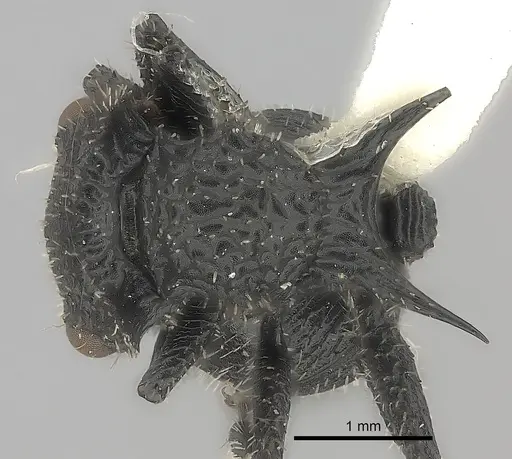
CASENT0900259
View on AntWeb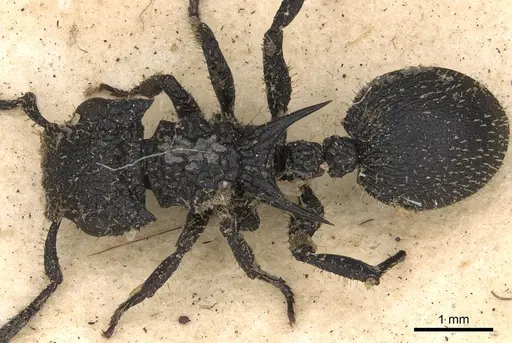
CASENT0901448
View on AntWeb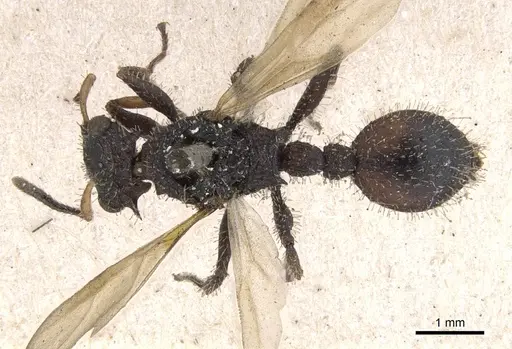
CASENT0901449
View on AntWeb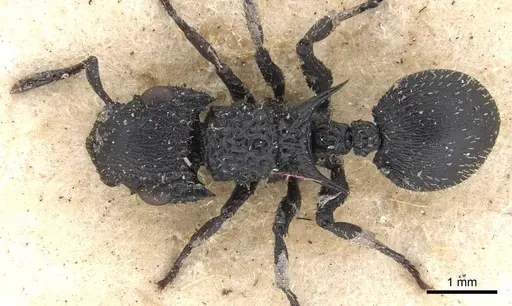
CASENT0922498
View on AntWeb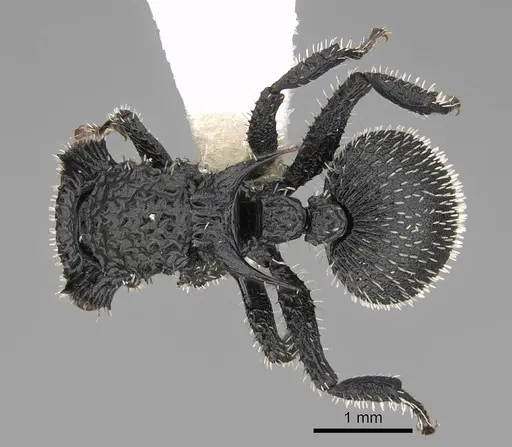
Literature
Loading...Loading products...