

Cataulacus hispidulus
- Scientific Name
- Cataulacus hispidulus
- Tribe
- Crematogastrini
- Subfamily
- Myrmicinae
- Author
- Smith, 1865
- Distribution
- Found in 1 countries
Cataulacus hispidulus Overview
Cataulacus hispidulus is an ant species of the genus Cataulacus. It is primarily documented in 1 countries , including Malaysia. Detailed taxonomic data and occurrence records can be further explored via authoritative databases such as AntWeb or the Global Biodiversity Information Facility (GBIF).
Cataulacus hispidulus
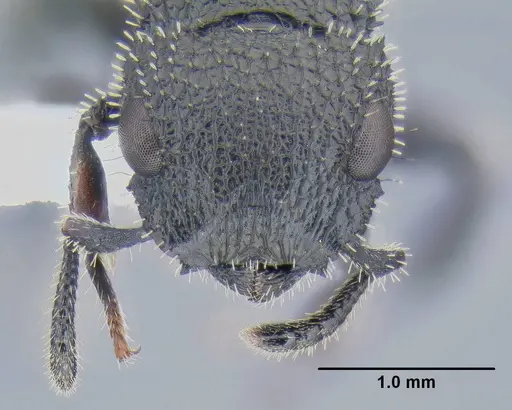
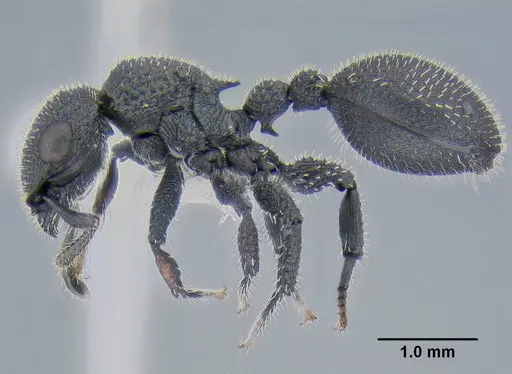
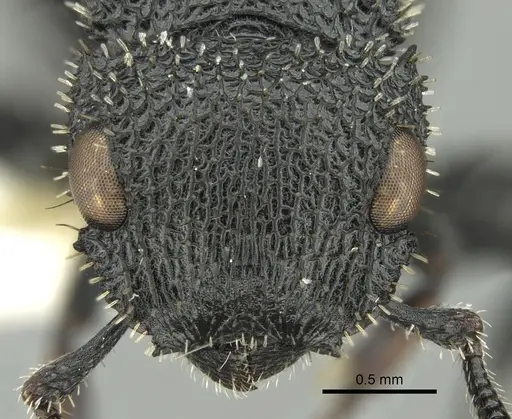
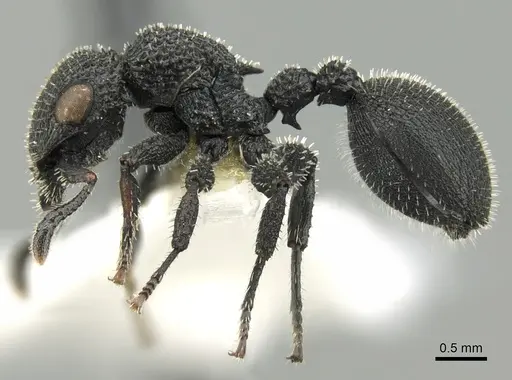
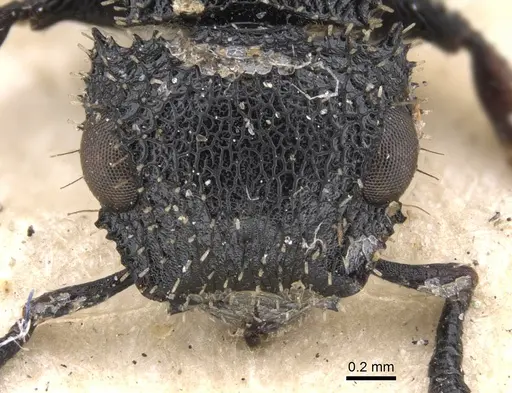
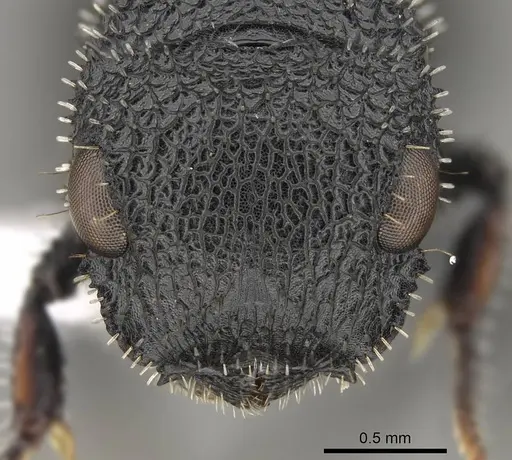
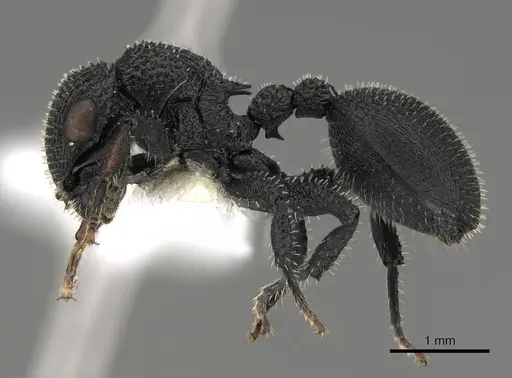
Cataulacus hispidulus is a small, stocky arboreal ant native to the rainforests of Southeast Asia, found in Brunei, Indonesia (Sumatra), and Malaysia (Sabah, Sarawak). Workers measure 4.6-5.8mm with a distinctive appearance featuring a coarse network-like sculpturing (rugoreticulum) on the head and body, shiny interspaces, and abundant yellowish-white hairs. The species is easily recognized by its short, broad build and the unique shape of its petiole with a complex ventral process. Queens are larger at 7.2mm. This is a tropical rainforest species that lives and forages on vegetation, typically in the canopy layer.
Quick Summary
- Difficulty: Medium
- Origin & Habitat: Native to the rainforests of Borneo, Sumatra, and surrounding islands in the Indomalayan region. Specimens have been collected on vegetation in lowland primary rainforest areas [1].
- Colony Type: Colony structure is not well documented in scientific literature. As a Cataulacus species, they likely form moderate-sized colonies, though exact colony size estimates are unavailable.
- Size & Growth:
- Queen: 7.2mm
- Worker: 4.6-5.8mm
- Colony: Unknown, likely moderate based on related species
- Growth: Unknown, estimated based on tropical Myrmicinae patterns
- Development: Estimated 6-8 weeks at tropical temperatures (25-28°C) (Development time is estimated from related tropical Myrmicinae species, specific data for C. hispidulus is not available)
- Antkeeping:
- Temperature: Keep at 24-28°C (warm tropical conditions). A gentle gradient is recommended. This is a lowland rainforest species from Southeast Asia, so warmth and stability are important [1].
- Humidity: High humidity (70-85%) is essential. As a rainforest species collected on vegetation, they need consistently moist conditions. Mist regularly and provide a water source.
- Diapause: No, this is a tropical species that does not require hibernation. Keep warm year-round.
- Nesting: Arboreal ant that naturally nests in hollow twigs, branches, or under bark on trees. In captivity, they do well in acrylic nests, Y-tong nests, or naturalistic setups with twigs/branches. They prefer tight, enclosed spaces scaled to their small size.
- Behavior: These ants are arboreal and quite active on vegetation. They are not particularly aggressive but will defend their nest. Workers are medium-sized and capable climbers. Escape prevention should be good, they are not tiny ants but still use standard barriers. They likely forage for honeydew and small prey on vegetation.
- Common Issues: tropical species requires warm, humid conditions year-round, cold drafts can be fatal, arboreal nature means they need climbing surfaces and vertical space in captivity, wild-caught colonies may not adapt well to captive conditions, specific colony size and founding behavior are poorly documented, making care more challenging, rainforest species is sensitive to drying out, substrate must stay moist
Natural History and Distribution
Cataulacus hispidulus is found across the rainforests of the Indo-Malayan region, specifically in Brunei, Indonesia (Sumatra), and Malaysia (Sabah, Sarawak). This is a lowland rainforest species that lives exclusively in arboreal habitats, they are collected on vegetation, typically in the canopy or on tree trunks and branches. The species was originally described by Frederick Smith in 1865 from Sumatra, with later synonymization of Cataulacus hispidulus (described from Sarawak) as a junior synonym. The distinctive morphology includes a coarse rugoreticulum (network-like sculpturing) with shining spaces and abundant short, blunt hairs, this combination makes them easily recognizable among related species in the granulatus group. [1]
Housing and Nest Preferences
As an arboreal ant, Cataulacus hispidulus naturally nests in hollow twigs, dead branches, or under bark in the rainforest canopy. In captivity, provide setups that mimic this arboreal environment. Acrylic nests or Y-tong nests work well, but adding climbing structures (twigs, branches, cork bark) is beneficial. They prefer tight chambers and narrow passages scaled to their worker size (4.6-5.8mm). The nest should have high humidity, these ants are from consistently moist rainforest environments. Include a water source and ensure good ventilation to prevent mold while maintaining humidity. [1]
Temperature and Humidity Requirements
This is a tropical lowland species that requires warm, humid conditions. Keep temperatures in the range of 24-28°C year-round, they do not tolerate cool temperatures. A slight temperature gradient allows workers to choose their preferred zone. Humidity should be high (70-85%), mimicking the moist rainforest environment where they naturally live. Regular misting and a water reservoir in the nest help maintain appropriate moisture levels. Do not allow the nest to dry out, as this can be fatal for the colony. Since they are from Southeast Asian rainforests, no hibernation or winter rest period is needed. [1]
Feeding and Diet
Based on the genus Cataulacus ecology, these ants are likely omnivorous with a preference for honeydew from sap-sucking insects and small prey. In captivity, offer sugar water or honey as an energy source, and provide protein in the form of small insects (fruit flies, small crickets, mealworms). As arboreal foragers, they may prefer feeding stations placed on vegetation or climbing surfaces rather than on the ground. Feed protein 2-3 times per week and keep a constant sugar source available. Remove uneaten prey after 24 hours to prevent mold.
Behavior and Colony Dynamics
Cataulacus hispidulus workers are active foragers on vegetation, climbing skillfully to reach honeydew sources and prey. They are not among the most aggressive ant species but will defend their nest vigorously if threatened. Workers are medium-sized (4.6-5.8mm) and relatively robust. The colony structure is not well documented, but based on related species, they likely form single-queen colonies with moderate worker populations. The species has been studied genetically, polymorphic microsatellites have been identified, indicating some genetic diversity within populations. They are primarily active in the warmer, humid conditions of their natural rainforest habitat.
Frequently Asked Questions
Is Cataulacus hispidulus a good species for beginners?
This species is rated as Medium difficulty. While not the most challenging ant to keep, it requires specific tropical conditions (warmth and high humidity year-round) that must be maintained consistently. The main challenge is providing the arboreal habitat they prefer and keeping conditions stable.
What temperature do Cataulacus hispidulus ants need?
Keep them at 24-28°C. This is a tropical lowland rainforest species from Southeast Asia that requires warm conditions year-round. A slight temperature gradient is beneficial, but avoid cool areas in the enclosure.
How big do Cataulacus hispidulus colonies get?
Exact colony size is not documented in scientific literature. Based on related Cataulacus species, colonies likely reach dozens to a few hundred workers. Queens are 7.2mm, workers are 4.6-5.8mm.
Do Cataulacus hispidulus ants need hibernation?
No. This is a tropical species from the rainforests of Borneo and Sumatra that does not require hibernation. Keep them warm and active year-round.
What do Cataulacus hispidulus ants eat?
Based on genus patterns, they likely feed on honeydew from sap-sucking insects and small arthropod prey. In captivity, offer sugar water or honey as a constant energy source, and provide small insects (fruit flies, small crickets, mealworms) as protein 2-3 times weekly.
What type of nest is best for Cataulacus hispidulus?
As an arboreal species, they do well in acrylic or Y-tong nests, but adding climbing structures like twigs, branches, or cork bark is highly beneficial. They prefer tight chambers scaled to their worker size (4.6-5.8mm).
Where is Cataulacus hispidulus found in the wild?
This species is native to the rainforests of Southeast Asia, specifically Brunei, Indonesia (Sumatra), and Malaysia (Sabah, Sarawak). They live and forage on vegetation in the rainforest canopy.
How long does it take for Cataulacus hispidulus to develop from egg to worker?
Specific development time is not documented. Based on related tropical Myrmicinae species, estimate approximately 6-8 weeks from egg to first worker at optimal tropical temperatures (25-28°C).
Do Cataulacus hispidulus ants sting?
As a Myrmicinae species, they have a stinger but it is likely too small to penetrate human skin effectively. They are not considered dangerous to keepers.
Can I keep multiple Cataulacus hispidulus queens together?
The colony structure (monogyne vs polygyne) has not been documented for this species. It is not recommended to combine unrelated queens as this behavior has not been studied.
References

This caresheet is licensed under CC BY-SA 4.0 .
CASENT0106277
View on AntWeb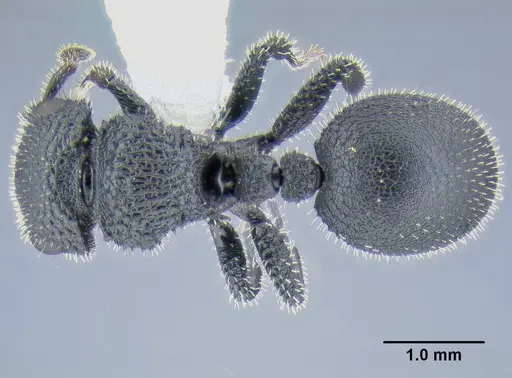
CASENT0280802
View on AntWeb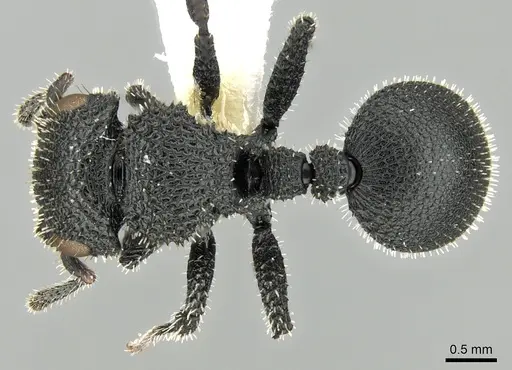
CASENT0901452
View on AntWeb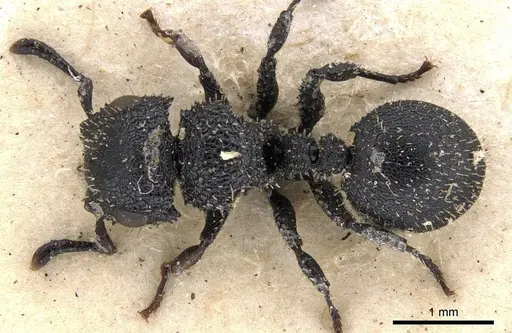
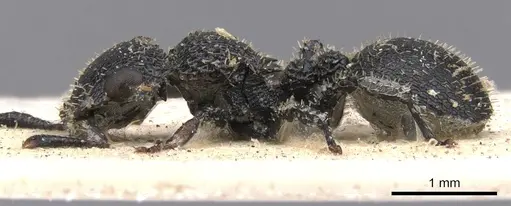
CASENT0909236
View on AntWeb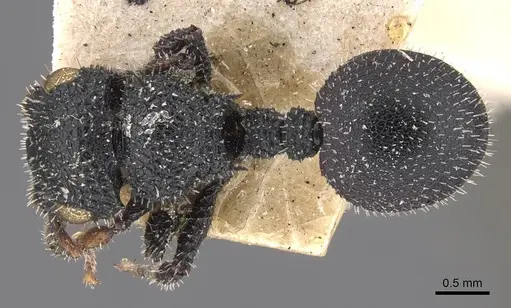
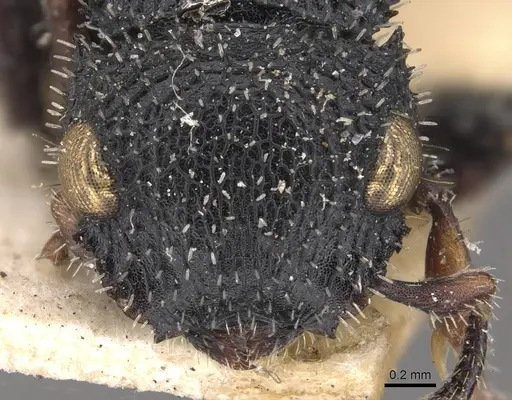
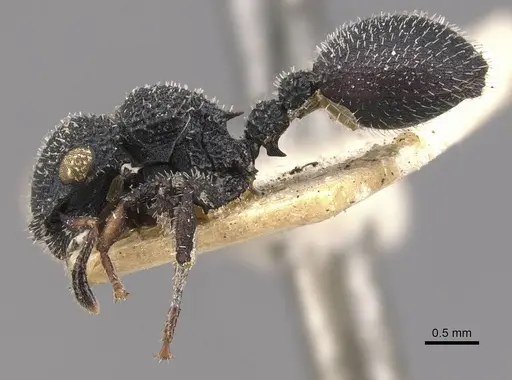
CASENT0922497
View on AntWeb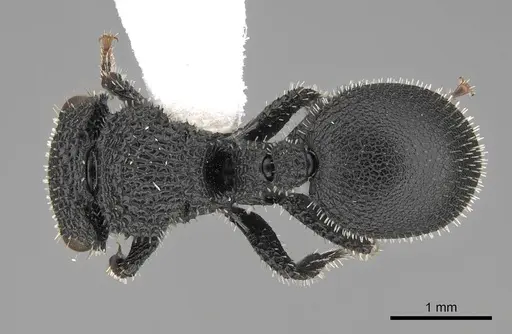
Literature
Loading...Loading products...