

Cataulacus greggi
- Scientific Name
- Cataulacus greggi
- Tribe
- Crematogastrini
- Subfamily
- Myrmicinae
- Author
- Bolton, 1974
- Distribution
- Found in 1 countries
Cataulacus greggi Overview
Cataulacus greggi is an ant species of the genus Cataulacus. It is primarily documented in 1 countries , including Congo, Democratic Republic of the. Detailed taxonomic data and occurrence records can be further explored via authoritative databases such as AntWeb or the Global Biodiversity Information Facility (GBIF).
Cataulacus greggi
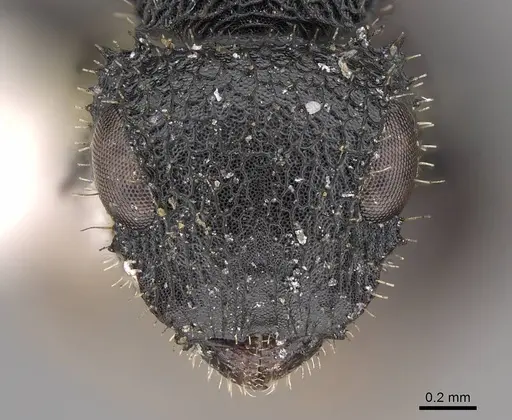
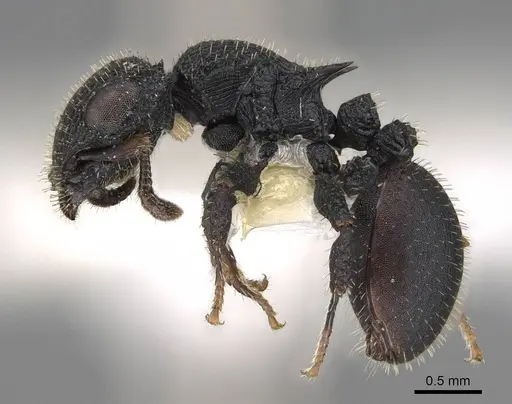
Cataulacus greggi is a small arboreal ant species from the Democratic Republic of Congo. Like other Cataulacus species, workers have a distinctive flattened body shape that allows them to squeeze into narrow crevices in trees and branches. They are dark brown to black in color with a relatively smooth body surface. Workers are typically 4-7mm in length. This genus is known for their unique ability to flatten their gaster (abdomen) and squeeze through tight spaces, which helps them access hollow twigs and branches for nesting. They are arboreal by nature, living high in the forest canopy rather than on the ground.
Quick Summary
- Difficulty: Hard
- Origin & Habitat: Democratic Republic of Congo, tropical forest regions. They are arboreal nesters, typically found in hollow twigs, branches, and dead wood in forest canopies [1].
- Colony Type: Likely single-queen colonies based on typical genus patterns. Colony size is unknown but likely moderate for the genus.
- Colony: Monogyne
- Founding: Claustral
- Size & Growth:
- Queen: Unknown, estimated 7-9mm based on genus [1]
- Worker: 4-7mm [1]
- Colony: Unknown, likely several hundred workers based on genus patterns
- Growth: Moderate, estimated based on related arboreal ants
- Development: Estimated 6-10 weeks based on typical Cataulacus development [1] (Development time is estimated from genus-level data since specific species timing is unconfirmed)
- Antkeeping:
- Temperature: Keep around 24-28°C, they are tropical arboreal ants requiring warm, stable conditions. A heating cable on one side of the nest creates a suitable gradient.
- Humidity: Moderate to high humidity (60-80%). Arboreal ants prefer slightly drier nest conditions compared to ground-nesting species, but still need moisture. Provide a water tube for drinking.
- Diapause: Likely no true diapause, being tropical, they probably do not require hibernation. However, slight temperature reduction during winter months may be beneficial.
- Nesting: Arboreal setup is essential. They do well in Y-tong nests, acrylic nests with narrow chambers, or naturalistic setups with twigs and branches. Avoid test tubes as they need horizontal space and climbing structures.
- Behavior: Generally peaceful but can be defensive when threatened. They are not aggressive toward keepers but will defend their nest. Workers are active foragers that search for honeydew and small prey. They are skilled climbers and will explore vertical surfaces. Their small size means escape prevention is important, use fine mesh barriers and ensure all openings are sealed. They are not known for stinging and pose no danger to humans.
- Common Issues: arboreal setup requirements make housing more complex than ground-nesting ants, limited availability in the antkeeping hobby means this species is rarely kept, escape prevention is critical due to small size and climbing ability, specific dietary needs are poorly documented, tropical requirements mean temperature must be carefully maintained year-round
Housing and Nest Setup
Cataulacus greggi requires an arboreal-style setup rather than typical ground-nesting arrangements. These ants naturally nest in hollow twigs and branches in trees, so your setup should reflect this. Y-tong nests work well because they provide smooth walls and narrow chambers that mimic tree hollows. Acrylic nests with appropriately sized chambers are also suitable. You can create a naturalistic arboreal setup using cork bark or actual twigs with pre-drilled hollow centers. The outworld should include climbing structures like branches, cork bark, or mesh that allows workers to traverse vertical spaces. Ensure all connections between nest and outworld are secure, these small ants can squeeze through surprisingly tiny gaps. [1]
Feeding and Diet
Like other Cataulacus species, these ants are omnivorous with a preference for honeydew and small insects. In captivity, offer sugar water or honey water regularly as a carbohydrate source. For protein, provide small live prey such as fruit flies, pinhead crickets, or small mealworms. They are not large predators, so prey items should be appropriately sized. Some Cataulacus species accept specialized diets, but specific acceptance for C. greggi is unconfirmed. Offer food 2-3 times per week and remove uneaten items promptly to prevent mold. Always provide a fresh water source. [1]
Temperature and Humidity
As tropical arboreal ants from the DRC, Cataulacus greggi requires warm conditions year-round. Maintain temperatures between 24-28°C in the nest area. A heating cable placed on top of the nest (never underneath to avoid excessive drying) can help maintain stable temperatures. Room temperature may be sufficient if your home stays in this range. Humidity should be moderate at 60-80%. Unlike ground-nesting ants, arboreal Cataulacus prefer slightly drier conditions inside the nest chamber. Provide a water tube for drinking access. Avoid temperature drops below 20°C for extended periods. [1]
Behavior and Temperament
Cataulacus greggi workers are active and agile climbers. They are not particularly aggressive but will defend their nest if threatened. Workers forage actively and will explore their environment thoroughly. One unique trait of the Cataulacus genus is their ability to flatten their gaster and squeeze through narrow crevices, this means escape prevention must be excellent. Use fine mesh (at least 0.5mm) on all ventilation points and ensure lid seals are tight. They are diurnal and show consistent activity patterns during daylight hours. These ants are not suited for beginners due to their specific housing requirements and limited availability. [1]
Frequently Asked Questions
How long does it take for Cataulacus greggi to produce first workers?
Based on genus-level data, expect first workers (nanitics) approximately 6-10 weeks after the queen lays eggs. This timeline depends on maintaining optimal temperature (24-28°C) and proper feeding.
Can I keep Cataulacus greggi in a test tube setup?
Test tubes are not recommended. These are arboreal ants that need horizontal climbing space and structures. Use a Y-tong nest, acrylic nest, or naturalistic arboreal setup instead.
Do Cataulacus greggi ants sting?
They are not known for stinging and pose no danger to humans. They may bite if handled roughly, but their primary defense is escaping into narrow crevices.
What do Cataulacus greggi eat?
They are omnivorous. Offer sugar water or honey water as a carbohydrate source, and small live insects like fruit flies or pinhead crickets for protein. Acceptance of specific foods is based on genus patterns since this species has not been specifically studied.
Do Cataulacus greggi need hibernation?
Probably not. Being a tropical species from the DRC, they likely do not require a true diapause. However, a slight temperature reduction (a few degrees) during winter months may be natural and beneficial.
Are Cataulacus greggi good for beginners?
No. This species is rated as difficult due to specific arboreal housing requirements, limited availability, and the need for precise tropical conditions. Beginners should start with easier species like Lasius or Messor.
How big do Cataulacus greggi colonies get?
Colony size is not documented for this specific species. Based on related Cataulacus species, colonies likely reach several hundred workers. Growth rate is moderate.
Why are my Cataulacus greggi escaping?
Their small size and ability to flatten their body means they can squeeze through tiny gaps. Use fine mesh (0.5mm or smaller), check all seals regularly, and ensure lid connections are secure. Escape prevention is critical with this species.
References

This caresheet is licensed under CC BY-SA 4.0 .
CASENT0900260
View on AntWeb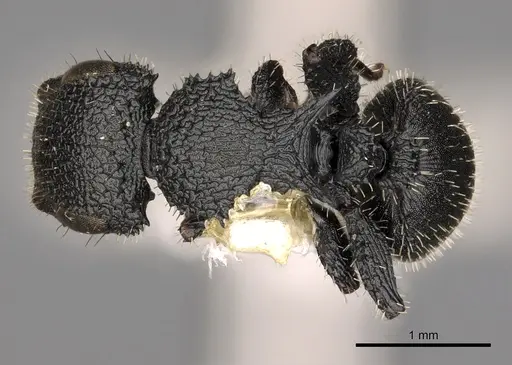
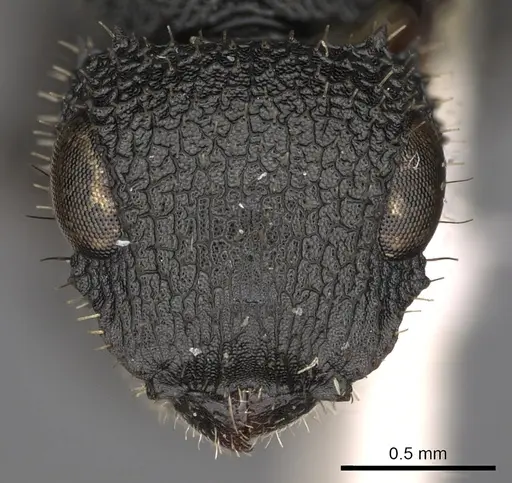
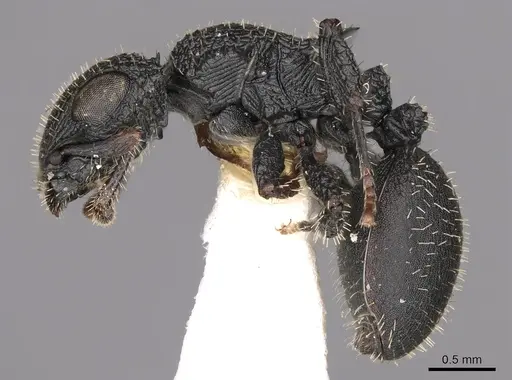
CASENT0922494
View on AntWeb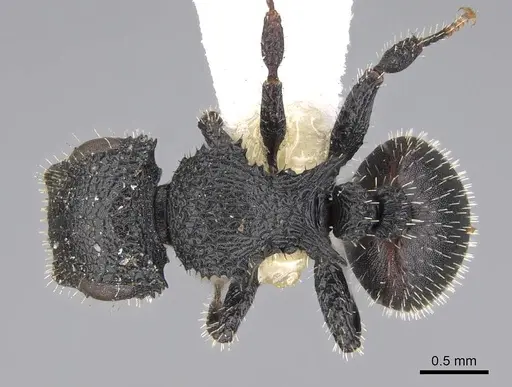
Literature
Loading...Loading products...