
Cataulacus granulatus shows a February to April flight window. Peak activity occurs in March and April, with nuptial flights distributed across 3 months.

Cataulacus granulatus
- Scientific Name
- Cataulacus granulatus
- Tribe
- Crematogastrini
- Subfamily
- Myrmicinae
- Author
- Latreille, 1802
- Common Name
- Asian Turtle Ant
- Distribution
- Found in 8 countries
- Nuptial Flight
- from February to April, peaking in March
AI Identifiable
try →
Cataulacus granulatus Overview
Cataulacus granulatus (commonly known as the Asian Turtle Ant) is an ant species of the genus Cataulacus. It is primarily documented in 8 countries , including China, Hong Kong, India. Detailed taxonomic data and occurrence records can be further explored via authoritative databases such as AntWeb or the Global Biodiversity Information Facility (GBIF).
The nuptial flight of Cataulacus granulatus is a significant biological event, typically occurring from February to April, peaking in March. During this time, winged queens and males leave the nest to mate and establish new colonies.
Cataulacus granulatus - "Asian Turtle Ant"
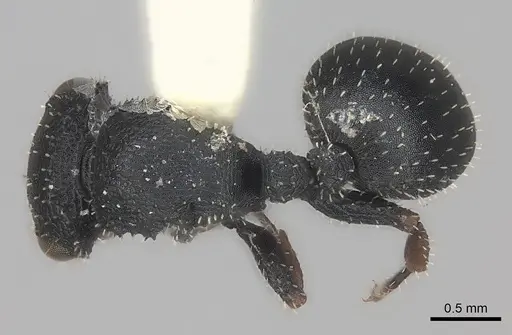
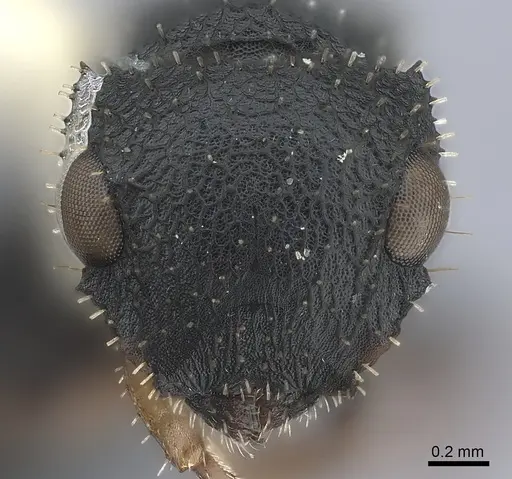
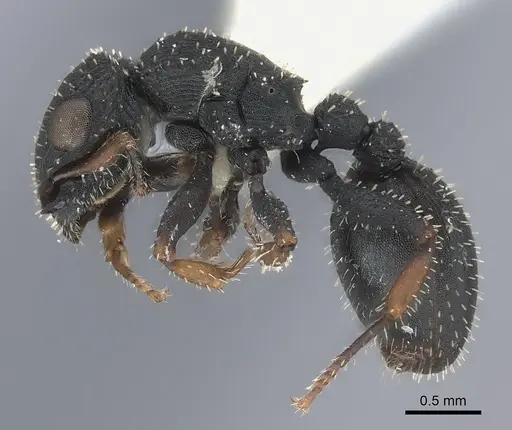
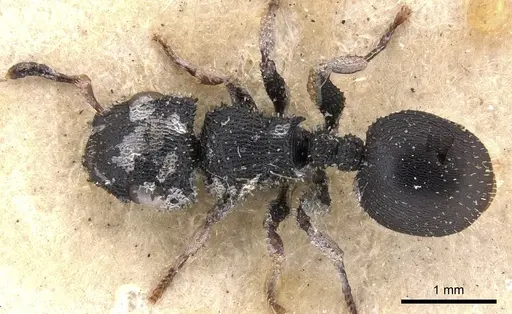
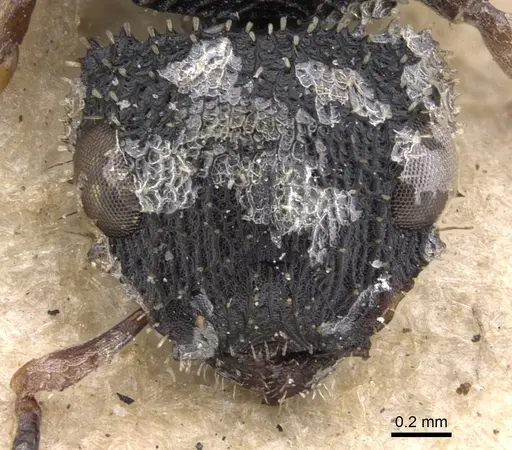
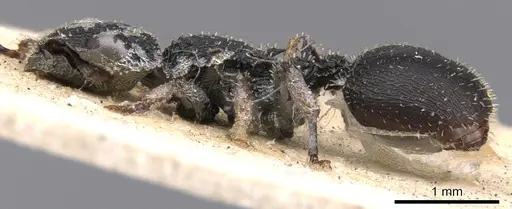
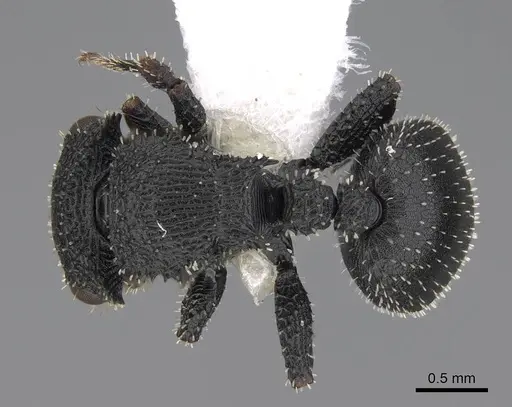
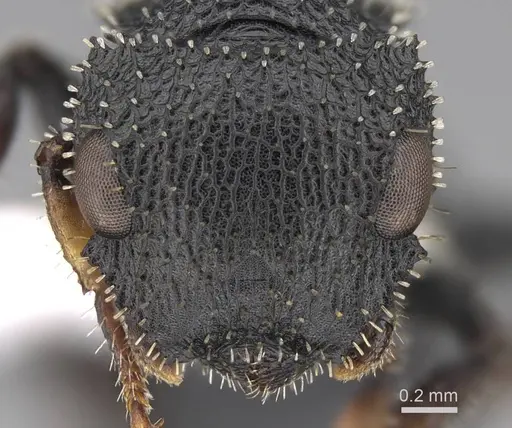
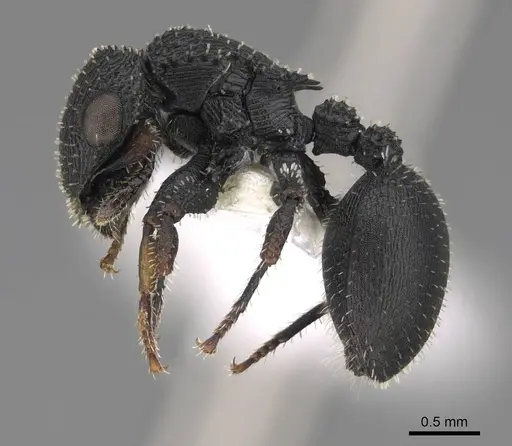
Cataulacus granulatus is a small, robust arboreal ant species native to the Indo-Australian and Oriental regions, ranging from Nepal through Southeast Asia to Borneo, Sumatra, and Java [1]. Workers measure 4-5mm and are easily recognized by their heavily sculptured body with coarse wrinkles and granules, broad triangular head with sharp occipital corners, and distinctive propodeal spines [2]. The body is primarily black with reddish-brown antennae and leg tips. Queens are larger at 6-7mm. This species is arboreal by nature, nesting in hollow branches and twigs of trees and foraging on vegetation rather than on the ground [3]. Despite being one of the most widespread and variable species in the genus, surprisingly little is known about their detailed biology in the wild.
Quick Summary
- Difficulty: Medium
- Origin & Habitat: Native to tropical and subtropical Asia, from Nepal and India east through Thailand, Myanmar, Malaysia, Indonesia (Java, Sumatra), to southern China and Borneo. Found in forest and grassland habitats, but absent from human-modified areas [4][5]. Nests in living and dead twigs of trees, including bamboo stems [6].
- Colony Type: Colony structure is not well documented. Based on typical Cataulacus behavior, likely single-queen (monogyne) colonies. Ergatoid replacement reproductives have not been documented for this species.
- Size & Growth:
- Queen: 6.4-7.2mm [1]
- Worker: 4.2-5.6mm [1]
- Colony: Unknown, likely moderate-sized colonies based on related species
- Growth: Moderate, estimated based on typical Myrmicinae development
- Development: Estimated 6-8 weeks at optimal tropical temperatures based on genus patterns (Direct development data not available for this species. Expect similar timeline to other tropical Myrmicinae.)
- Antkeeping:
- Temperature: Keep at 24-28°C. This is a tropical species requiring warm, stable conditions. A gentle heat gradient allows workers to regulate their temperature [3].
- Humidity: Moderate to high humidity (60-80%). These ants live in tree twigs which naturally maintain moderate moisture. Provide a water tube and keep the nest area slightly moist but not wet.
- Diapause: No diapause required. Being a tropical species, they do not need hibernation. Maintain warm conditions year-round.
- Nesting: Arboreal setup is essential. These ants nest in twigs and small cavities, not in soil. Use a naturalistic arboreal setup with small twigs/branches, a Y-tong nest with narrow chambers, or a small formicarium with twig-like chambers. Avoid deep soil setups.
- Behavior: Workers are active foragers on vegetation, climbing on branches and leaves rather than crawling on the ground. They are not aggressive and typically flee when disturbed. Their heavy sclerotization (hard outer shell) provides good protection. Escape risk is moderate, use standard barriers but they are not strong climbers like some arboreal species. They are shy and may be slow to establish.
- Common Issues: arboreal setup is critical, they will not thrive in standard soil formicariums, tropical warmth is essential, cold temperatures can kill colonies, wild-caught colonies may be difficult to locate as they nest in tree twigs, foraging occurs on vegetation, ensure they can climb in their enclosure, limited available information means some care aspects require experimentation
Nuptial Flight Activity Analysis 56 observations
Flight Activity by Hour 56 observations
Cataulacus granulatus nuptial flight activity peaks around 12:00 during the late morning to early afternoon. Activity is spread across a 16-hour window (03:00–18:00). A secondary activity peak occurs around 15:00. Times may be influenced by human observation patterns.
Housing and Nest Setup
Cataulacus granulatus requires an arboreal setup, this is the most critical aspect of their care. In the wild, they nest in hollow twigs and branches of trees, so replicate this in captivity. A naturalistic setup with small twigs or branches works well. Alternatively, a Y-tong (acrylic) nest with narrow chambers scaled to their 4-5mm worker size can work, though they may prefer something that mimics their natural twig-nesting behavior. Avoid deep soil formicariums as they are not ground-nesting ants. Provide climbing structures so workers can forage on vegetation as they would in the wild. A small water tube should be attached for humidity. Escape prevention is important though they are not extreme escape artists, standard barriers will suffice. [3][6]
Temperature and Heating
As a tropical species from Southeast Asia and southern China, Cataulacus granulatus requires warm conditions. Keep the nest area at 24-28°C. Room temperature may be sufficient if your home stays in this range, otherwise use a heating cable or mat on one side of the nest to create a gentle temperature gradient. Avoid temperatures below 22°C as this is a cold-sensitive tropical species. Place the heating element on top of the nest to avoid evaporating moisture too quickly. Monitor colony activity, if workers seem sluggish, increase temperature slightly. [3]
Feeding and Diet
In the wild, these ants forage on vegetation and likely feed on honeydew from aphids and scale insects, plus small insects. In captivity, offer a mix of sugar water or honey as an energy source, and protein sources like small crickets, fruit flies, or other tiny insects. They are not large predators, so prey items should be appropriately sized. Feed sugar sources constantly and protein 2-3 times per week. Remove uneaten prey after 24 hours to prevent mold. Acceptance of novel foods may vary, observe what your colony prefers. [3]
Humidity and Water
Maintain moderate to high humidity (60-80%) in the nest area. These ants naturally live in tree twigs which provide a moderately humid microclimate. A water tube attached to the nest will provide both drinking water and humidity. The substrate or nest material should feel slightly moist but never waterlogged. Avoid both drying out completely and excessive moisture which can cause mold. Good ventilation helps prevent stagnant air while maintaining humidity. [3]
Colony Establishment
Establishing a colony can be challenging since wild colonies are difficult to locate, they nest inside twigs and small branches rather than in obvious ground nests. If acquiring a colony, it will likely be a queenright colony with workers. The founding stage has not been directly documented, but based on related Myrmicinae, the queen likely seals herself in a small chamber and raises the first workers alone (claustral founding). Be patient during the founding phase as development may be slow. Once established, colonies appear to grow at a moderate pace. [1]
Behavior and Temperament
Cataulacus granulatus workers are not aggressive and tend to be shy, fleeing from disturbance rather than attacking. Their heavily sculptured body provides physical protection. Workers forage on vegetation rather than the ground, climbing actively through branches and leaves. They are not known for stinging. In captivity, they will explore their enclosure and climb on provided structures. They are not particularly territorial and can coexist with other species in shared spaces if carefully managed, though this is not recommended for beginners. [1][3]
Frequently Asked Questions
Can I keep Cataulacus granulatus in a test tube setup?
A test tube setup can work for founding colonies, but these arboreal ants prefer something more like their natural twig environment. For established colonies, a naturalistic arboreal setup with small branches or twigs is better than a standard test tube setup.
What is the best nest type for Cataulacus granulatus?
An arboreal setup is essential. Naturalistic setups with small twigs or branches work best. A Y-tong nest with narrow chambers can work if it includes climbing structures. Avoid soil-based formicariums as they are not ground-nesting ants.
How long does it take for the first workers to emerge?
Direct data is not available, but based on typical Myrmicinae development at tropical temperatures, expect 6-8 weeks from egg to first worker. This may vary depending on temperature and feeding.
Do Cataulacus granulatus ants need hibernation?
No, they do not require hibernation. Being a tropical species from Southeast Asia and southern China, they need warm conditions year-round. Maintain temperatures of 24-28°C throughout the year.
Are Cataulacus granulatus good for beginners?
This species is rated as Medium difficulty. While not the most challenging, their arboreal nature and need for tropical warmth require more specific setup than common ground-nesting ants. Some experience with ant keeping is helpful.
What do Cataulacus granulatus eat?
They feed on honeydew/sugar sources and small insects. Offer sugar water or honey as a constant energy source, and small insects like fruit flies or tiny crickets as protein 2-3 times weekly.
Do Cataulacus granulatus ants sting?
They are not known for stinging and are generally shy and non-aggressive. Their heavy sclerotization provides physical protection rather than chemical defense.
How big do Cataulacus granulatus colonies get?
Colony size is not well documented, but based on related species, they likely reach dozens to a few hundred workers. They are not among the largest ant species.
Can I keep multiple queens together?
Colony structure is not well documented for this species. Based on typical Cataulacus patterns, they likely form single-queen colonies. Combining unrelated queens is not recommended without specific evidence they can coexist.
Why are my Cataulacus granulatus dying?
Common causes include: temperatures below 22°C (tropical cold sensitivity), wrong setup (they need arboreal not soil nesting), low humidity, or insufficient food. Check that your setup mimics their natural twig-nesting habitat and maintains warm, moderately humid conditions.
References

This caresheet is licensed under CC BY-SA 4.0 .
Literature
Loading...Loading products...