

Cataulacus erinaceus
- Scientific Name
- Cataulacus erinaceus
- Tribe
- Crematogastrini
- Subfamily
- Myrmicinae
- Author
- Stitz, 1910
- Distribution
- Found in 7 countries
Cataulacus erinaceus Overview
Cataulacus erinaceus is an ant species of the genus Cataulacus. It is primarily documented in 7 countries , including Burundi, Congo, Democratic Republic of the. Detailed taxonomic data and occurrence records can be further explored via authoritative databases such as AntWeb or the Global Biodiversity Information Facility (GBIF).
Cataulacus erinaceus
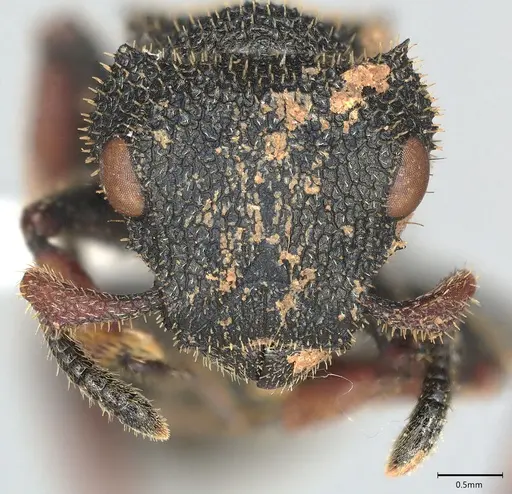
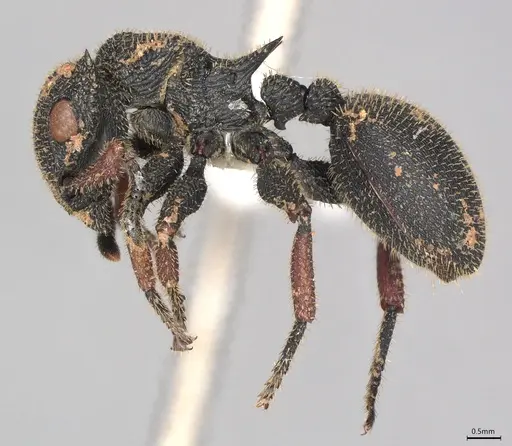
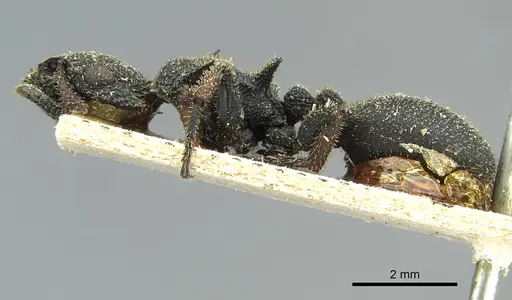
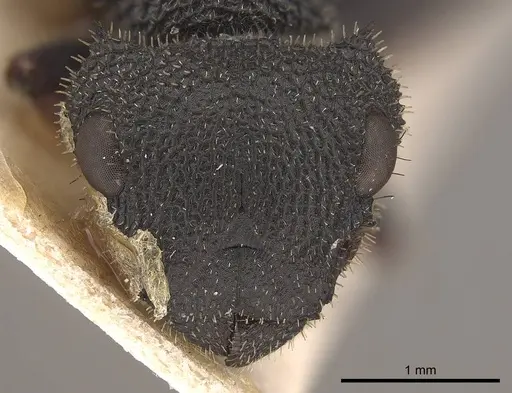
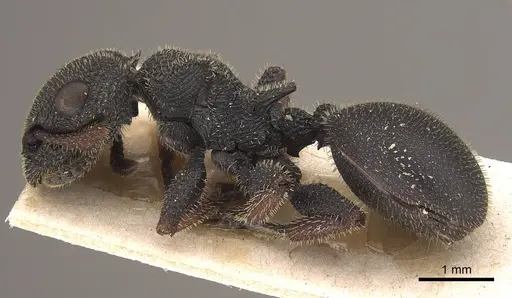
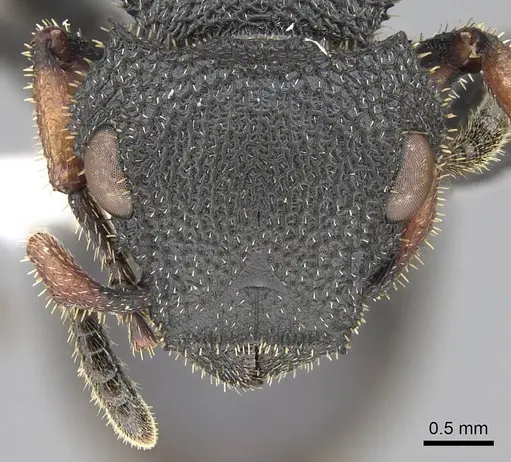
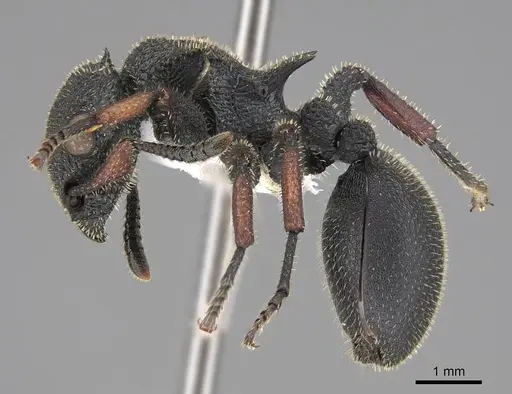
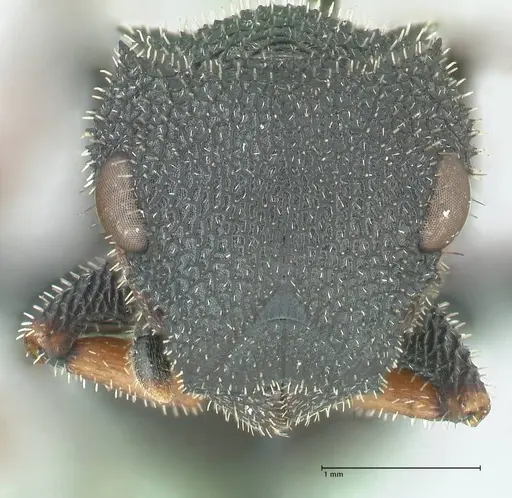
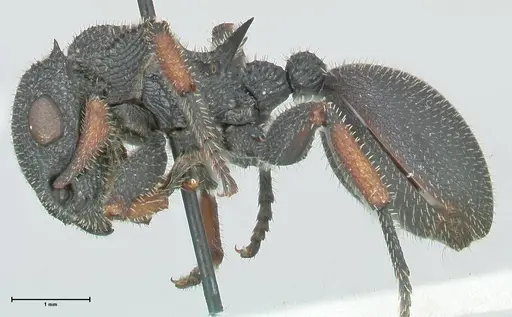
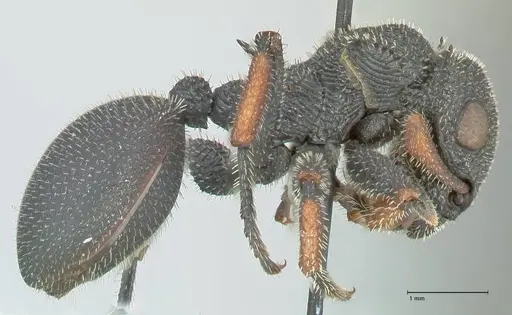
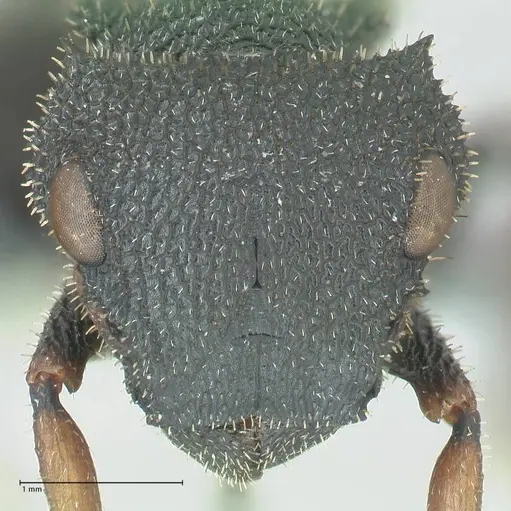
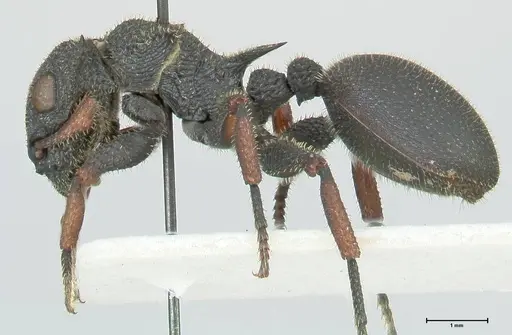
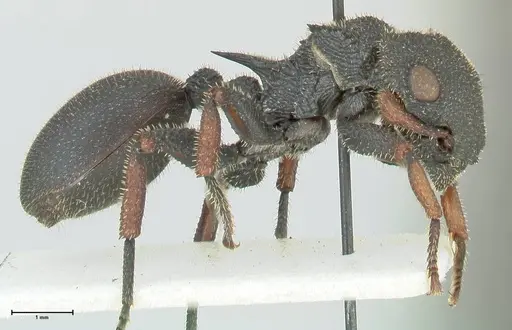
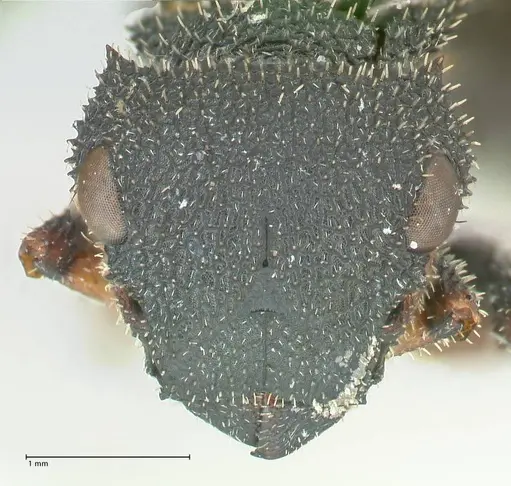
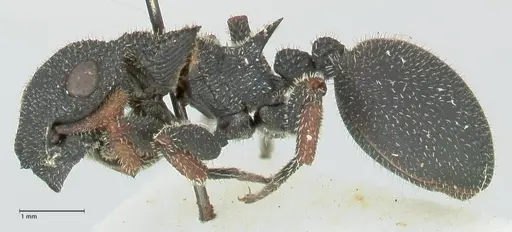
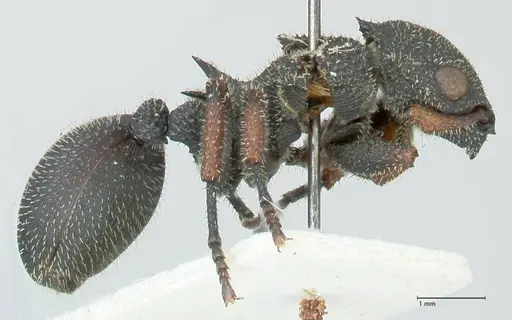
Cataulacus erinaceus is a large arboreal ant species native to West and Central Africa. Workers measure 8.1-9.5mm, making them one of the larger Myrmicinae ants you'll encounter. They have a distinctive appearance with a black, slightly glossy body covered in coarse ridge-like sculpture that creates a net-like pattern with numerous short, blunt erect hairs. Their most striking features include large triangular teeth at the back corners of the head and long propodeal spines. These ants are arboreal nesters, living high in forest trees where they run along moss-covered trunks and branches. A remarkable behavior they exhibit is directed aerial descent, when they fall or intentionally detach from a tree, they can glide backwards abdomen-first to land back on the same tree trunk with over 90% success rate [1].
Quick Summary
- Difficulty: Medium
- Origin & Habitat: West and Central Africa, found in Cameroon, Democratic Republic of Congo, Equatorial Guinea, Gabon, Ghana, Guinea, and Liberia. They live in primary and secondary rainforest canopies, nesting under moss on tree bark 20+ feet above ground[2].
- Colony Type: Colony structure is unconfirmed, likely monogyne (single queen) based on typical genus patterns, but this has not been directly studied.
- Size & Growth:
- Queen: Undescribed in primary literature, estimated 10-12mm based on worker size [3]
- Worker: 8.1-9.5mm total length [3]
- Colony: Unknown, likely moderate (hundreds of workers) based on typical Cataulacus patterns
- Growth: Moderate, estimated based on arboreal tropical ant patterns
- Development: Estimated 6-8 weeks at optimal tropical temperatures (25-28°C), no direct data available for this species (Development timeline inferred from related Myrmicinae arboreal ants, actual timing may vary)
- Antkeeping:
- Temperature: Keep at 24-28°C, these are tropical arboreal ants that thrive in warm, humid forest conditions. A slight temperature gradient is beneficial [1].
- Humidity: High humidity required (70-85%). These ants live in rainforest canopies where conditions are consistently moist. Keep nest substrate damp but not waterlogged, with good ventilation to prevent stagnation.
- Diapause: No, as a tropical species, they do not require hibernation. Maintain consistent warm temperatures year-round.
- Nesting: Arboreal setup is essential. They naturally nest under moss and in bark crevices high in trees. In captivity, they do well in naturalistic setups with cork bark or wood pieces, or in acrylic/plaster nests with high humidity chambers. Provide climbing structures and vertical space.
- Behavior: These ants are arboreal and quite active, running along vertical surfaces. They are not particularly aggressive but will defend their territory. Workers are skilled climbers and can escape through small gaps, use fine mesh barriers. Their most notable behavior is gliding, when they fall, they orient abdomen-first and glide back to the tree trunk [1]. At feeding sites, they can be competitive and will monopolize protein baits when other dominant species like Crematogaster are absent [2][4].
- Common Issues: escape prevention is critical, their small size and climbing ability mean they will find any gap, high humidity requirements can lead to mold if ventilation is poor, tropical temperature needs mean they cannot tolerate cool conditions, wild-caught colonies may have parasites or be stressed from collection, arboreal nature means they need vertical space, horizontal-only nests are unsuitable
Housing and Nest Setup
Cataulacus erinaceus requires an arboreal-style setup that mimics their natural canopy habitat. These ants are not ground-nesting, in the wild they live under moss on tree bark, in hollow branches, and in canopy cavities. For captivity, naturalistic setups work best: use cork bark, pieces of wood, or artificial plant stems as climbing structures. You can also use acrylic or plaster nests, but ensure the chambers are appropriately sized for their 8-9mm workers and maintain high humidity. The key is providing vertical climbing space and humid conditions. Test tube setups can work for founding colonies but will need to be expanded quickly as the colony grows. Always use excellent escape prevention, these ants are small and can squeeze through surprisingly small gaps. [1][2][4]
Feeding and Diet
In the wild, Cataulacus erinaceus forages on tree trunks and in the canopy. They are omnivorous and will collect protein sources and carbohydrates. Based on field observations showing them at tuna baits, they readily accept protein-rich foods [2][4]. Feed them small insects (fruit flies, small crickets, mealworms), and provide constant access to sugar sources like honey water or sugar water. Their arboreal lifestyle suggests they may also collect honeydew from aphids in captivity. Feed protein 2-3 times per week and keep sugar water available at all times. Remove uneaten prey after 24-48 hours to prevent mold.
Temperature and Humidity
As a tropical West African species, Cataulacus erinaceus requires warm and humid conditions. Keep the nest area at 24-28°C (75-82°F). A slight temperature gradient allows the ants to regulate their own exposure. Humidity should be high, aim for 70-85% relative humidity. This can be achieved by keeping the nest substrate moist and using a water reservoir. However, good ventilation is crucial to prevent stagnant air and mold growth. Avoid placing the setup near air conditioning or in cool rooms. If your room temperature is below 24°C, use a heating cable on one side of the nest (placed on top to avoid evaporating moisture too quickly).
Gliding Behavior
One of the most fascinating aspects of Cataulacus erinaceus is their directed aerial descent behavior. When workers fall or intentionally detach from a tree trunk, they can glide backwards (abdomen-first) to land back on the same tree [1]. This behavior has a success rate over 90% when they are dropped from height. They are the largest of the African canopy ants known to exhibit this gliding behavior. This is a remarkable adaptation for an arboreal ant, if your colony climbs and falls from the setup, they may attempt to glide. In captivity, this is mostly an interesting observation rather than a care requirement, but it does explain why they are so well-adapted to life in the canopy.
Colony Development
The colony development timeline for Cataulacus erinaceus has not been directly studied. Based on typical patterns of related arboreal Myrmicinae, expect the following: claustral founding (queen seals herself in and lives off stored fat), with first workers (nanitics) appearing in 6-8 weeks under optimal conditions. Initial colonies grow slowly as the queen invests energy in producing a small first brood. Once workers emerge, growth typically accelerates but remains moderate compared to some faster-growing genera. Colony size in the wild appears to be moderate, likely several hundred workers based on similar species. Be patient with founding colonies and avoid disturbing them during the founding phase.
Frequently Asked Questions
How long does it take for Cataulacus erinaceus to produce first workers?
The exact timeline is unconfirmed, but based on related arboreal Myrmicinae, expect 6-8 weeks from egg to first worker at optimal temperatures (25-28°C). Be patient with founding colonies, disturbing them can cause queen stress and colony failure.
Can I keep Cataulacus erinaceus in a test tube?
Yes, test tubes work for founding colonies, but you will need to move them to a more suitable arboreal setup quickly. These ants are arboreal and need vertical climbing space. A test tube alone is too horizontal for their natural behavior.
Do Cataulacus erinaceus ants sting?
Like most Myrmicinae, they have a stinger but it is rarely strong enough to penetrate human skin. They are not considered dangerous to keepers.
What temperature do Cataulacus erinaceus need?
Keep them at 24-28°C (75-82°F). These are tropical ants that need consistent warmth. Avoid temperatures below 22°C as this can stress the colony.
Are Cataulacus erinaceus good for beginners?
They are considered medium difficulty. They require specific arboreal setup with high humidity and warm temperatures, which may be more challenging than ground-nesting species. They are not the best choice for absolute beginners, but experienced antkeepers should find them manageable.
Do Cataulacus erinaceus need hibernation?
No, they are a tropical species and do not require hibernation. Maintain warm temperatures year-round.
Why do my Cataulacus erinaceus glide?
This is normal behavior, they are one of the few ant species that can glide when they fall. In the wild, this helps them return to their tree if they fall or detach. In captivity, they may attempt this if they climb and fall from surfaces.
How big do Cataulacus erinaceus colonies get?
Colony size is not well-documented, but based on similar species, they likely reach several hundred workers. Growth is moderate, expect several months to reach 50+ workers.
What do Cataulacus erinaceus eat?
They are omnivorous. Feed small insects (fruit flies, small crickets, mealworms) 2-3 times per week and provide constant access to sugar water or honey. They will also collect honeydew if aphids are available.
When should I move Cataulacus erinaceus to a formicarium?
Move them when the test tube colony outgrows its water reservoir or when you see 20+ workers. Use a naturalistic or arboreal-style setup with climbing structures and high humidity chambers.
References

This caresheet is licensed under CC BY-SA 4.0 .
CASENT0170265
View on AntWeb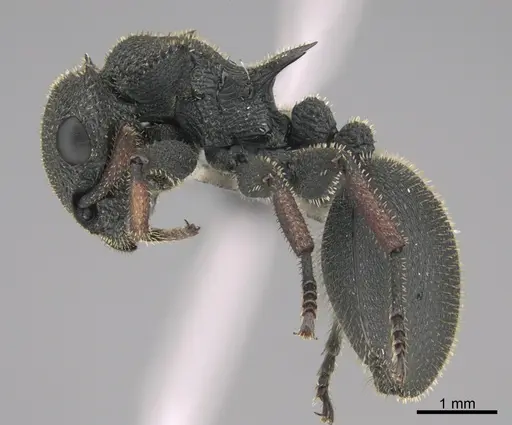
CASENT0217822
View on AntWeb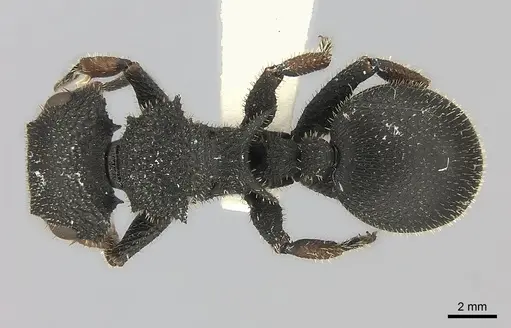
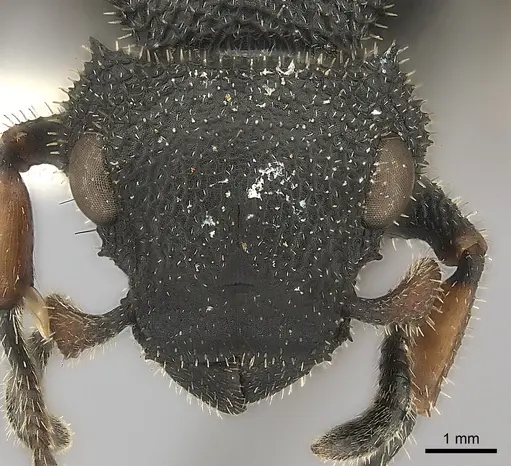
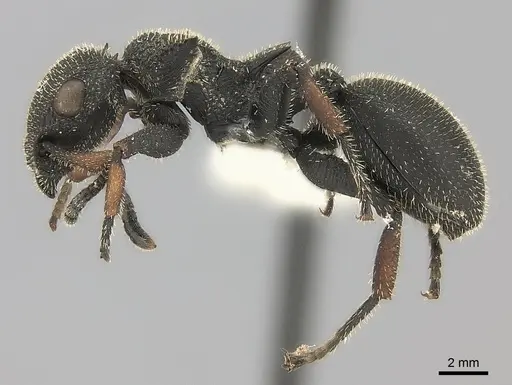
CASENT0408025
View on AntWeb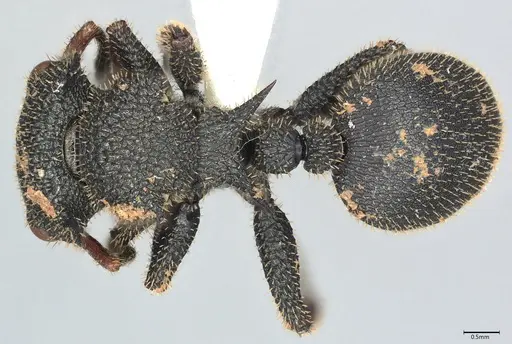
CASENT0909222
View on AntWeb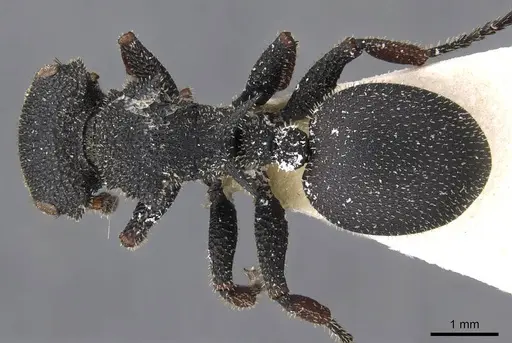
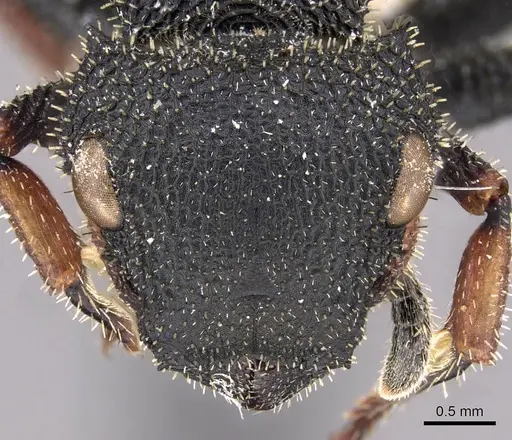
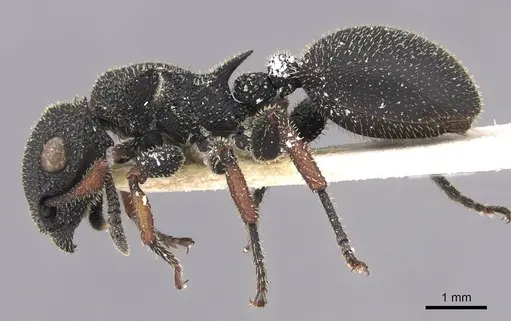
CASENT0912549
View on AntWeb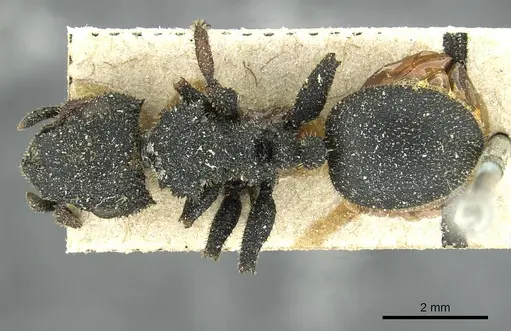
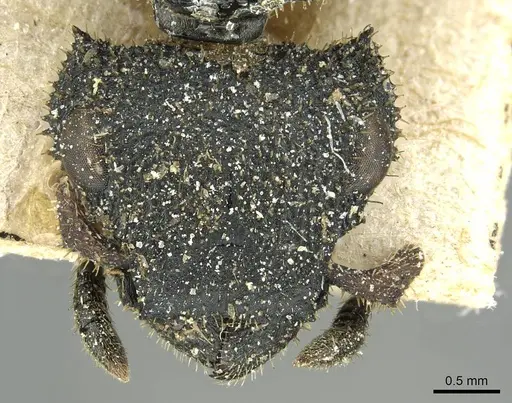
CASENT0919584
View on AntWeb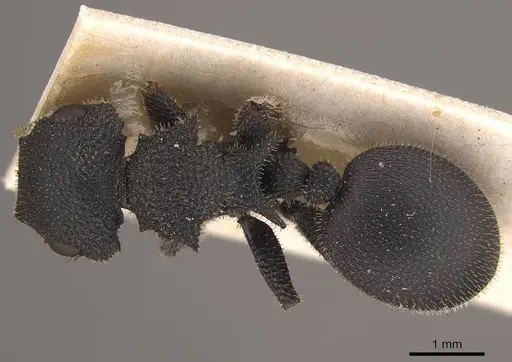
CASENT0922492
View on AntWeb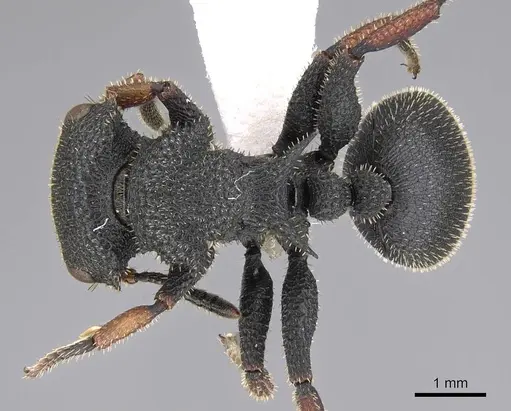
FOCOL2123
View on AntWeb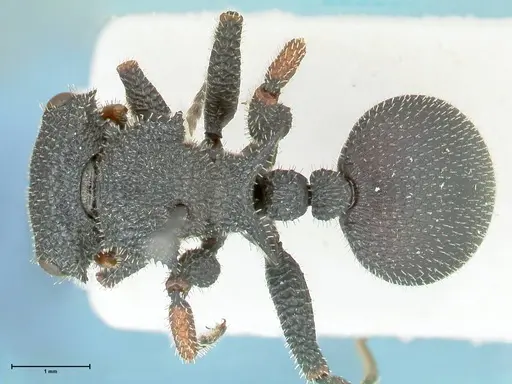
FOCOL2124
View on AntWeb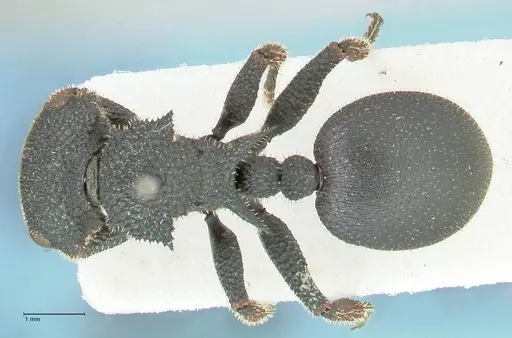
FOCOL2125
View on AntWeb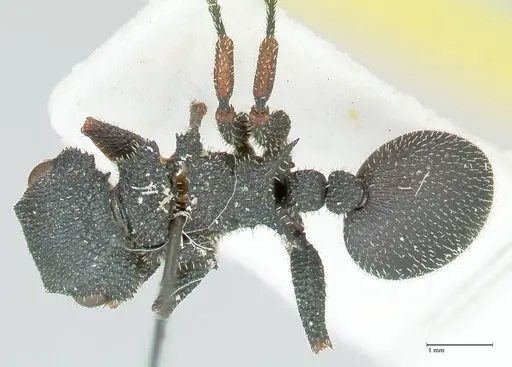
Literature
Loading...Loading products...