

Cataulacus ebrardi
- Scientific Name
- Cataulacus ebrardi
- Tribe
- Crematogastrini
- Subfamily
- Myrmicinae
- Author
- Forel, 1886
- Distribution
- Found in 3 countries
Cataulacus ebrardi Overview
Cataulacus ebrardi is an ant species of the genus Cataulacus. It is primarily documented in 3 countries , including Madagascar, Mayotte, South Africa. Detailed taxonomic data and occurrence records can be further explored via authoritative databases such as AntWeb or the Global Biodiversity Information Facility (GBIF).
Cataulacus ebrardi
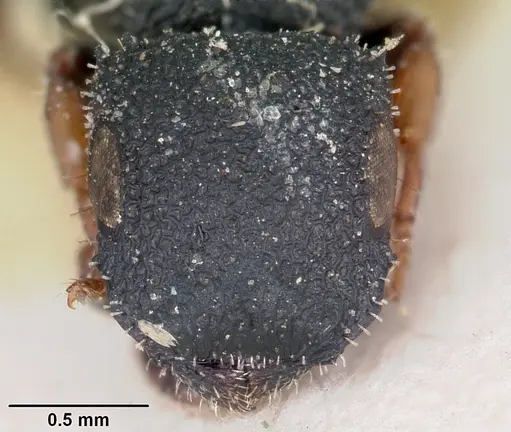
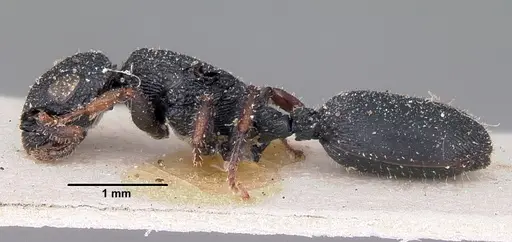
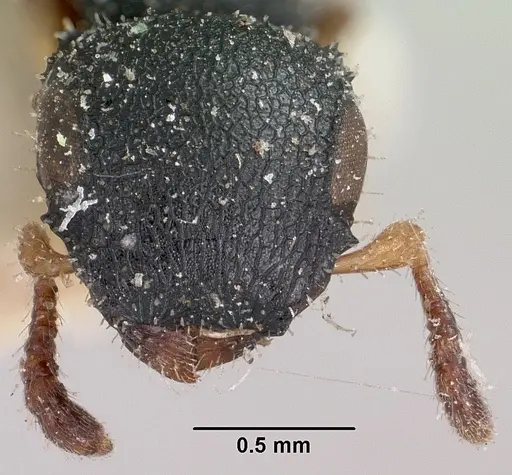
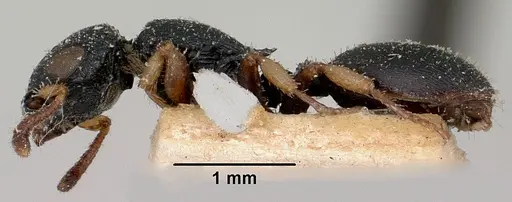
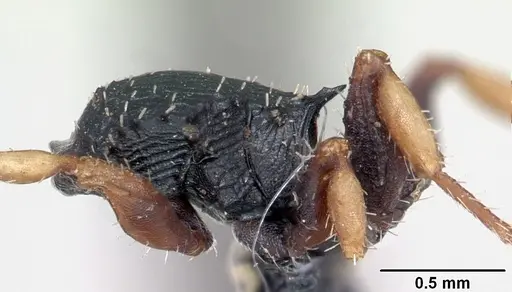
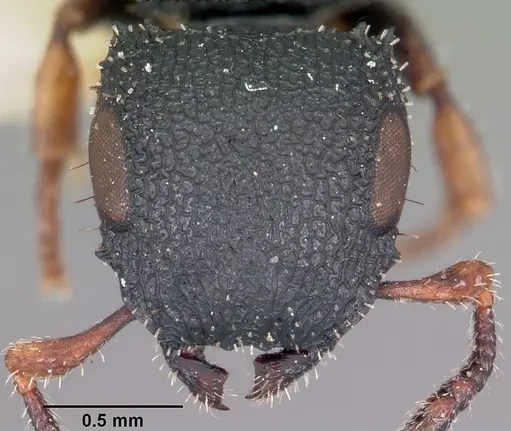
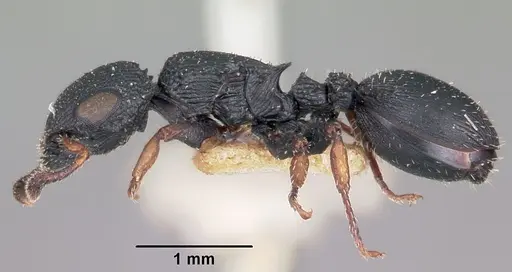
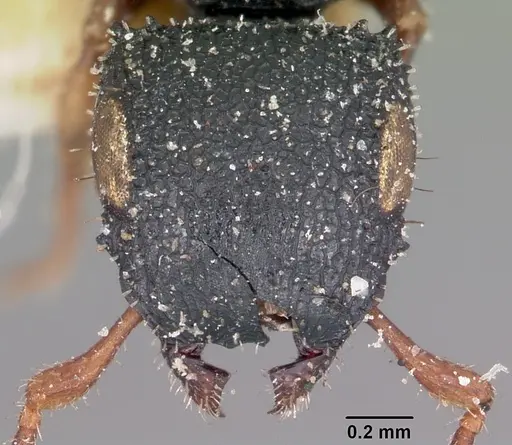
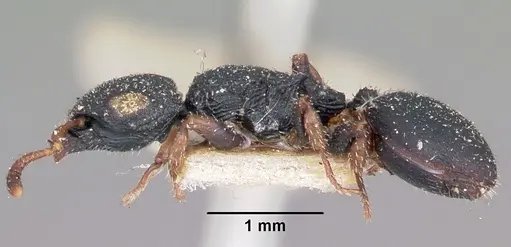
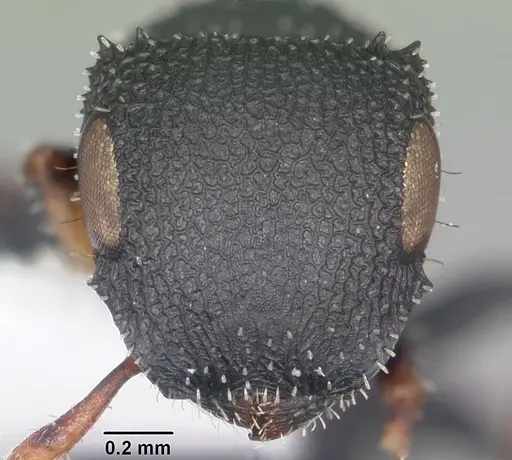
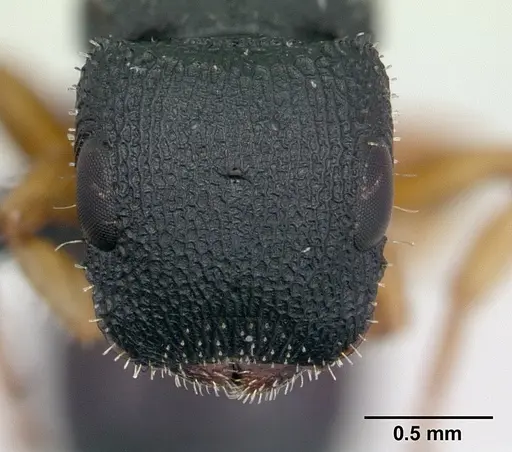
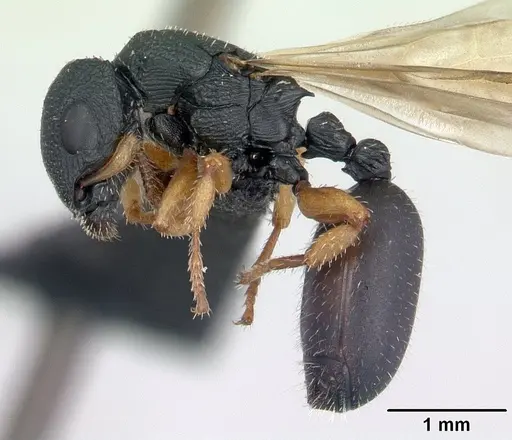
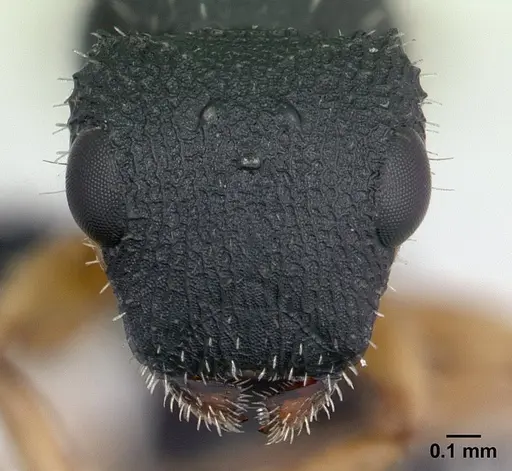
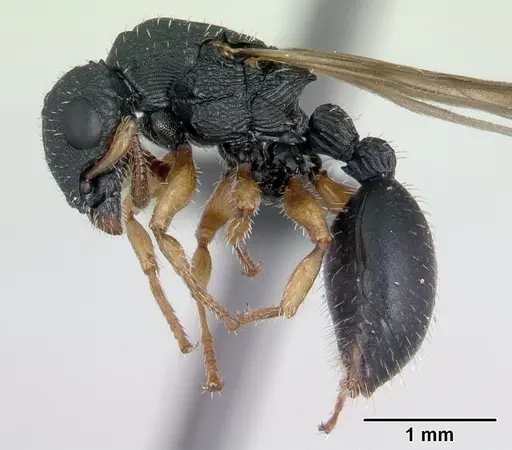
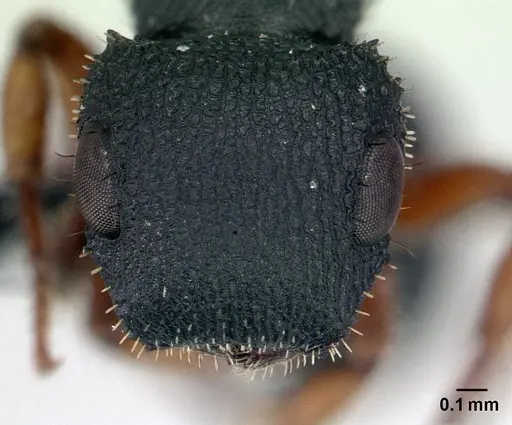
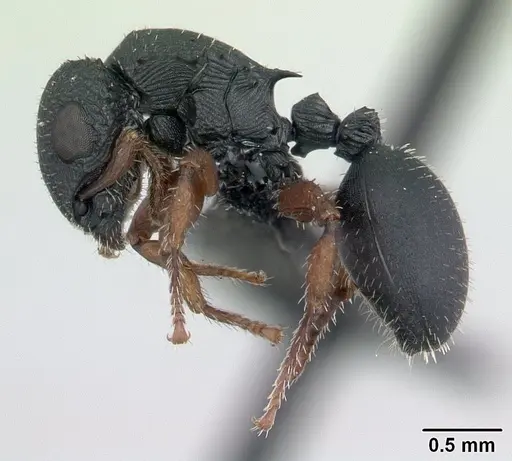
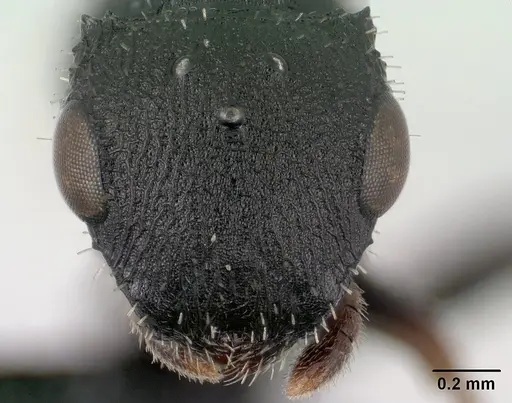
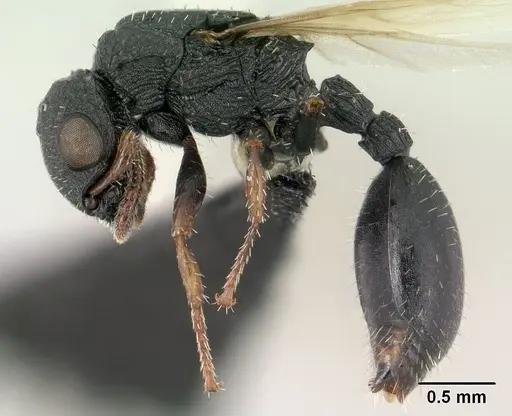
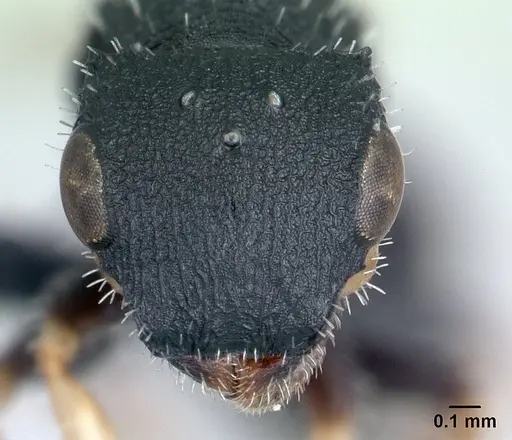
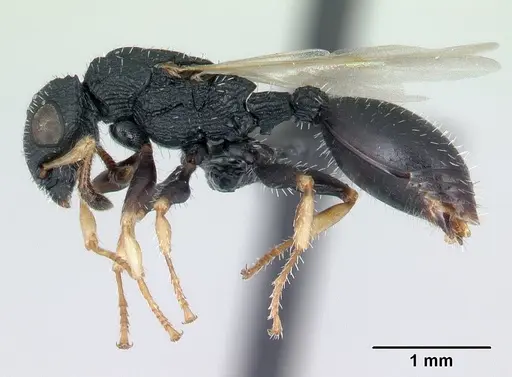
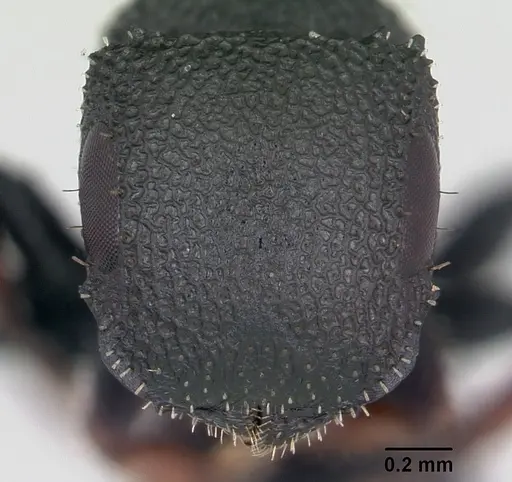
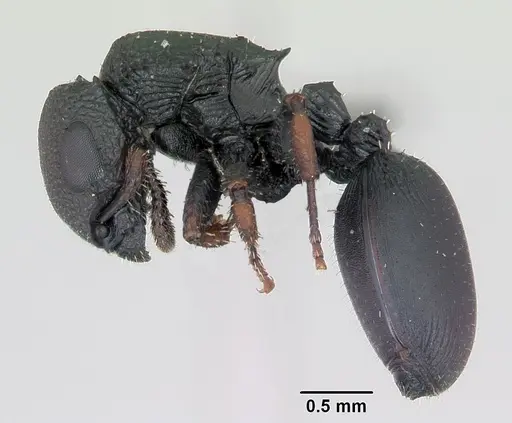
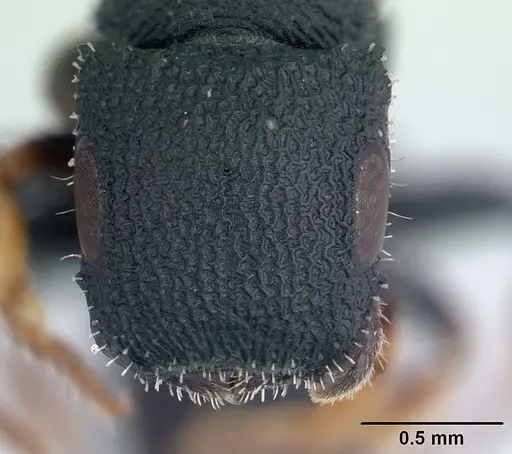
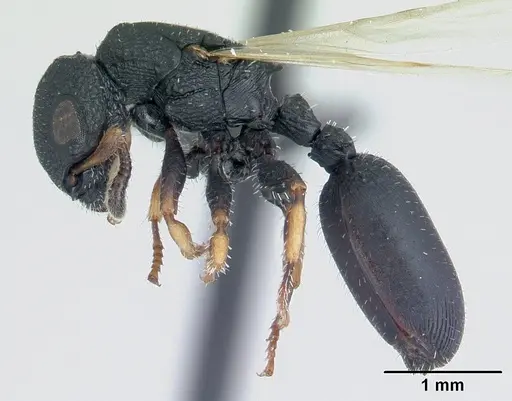
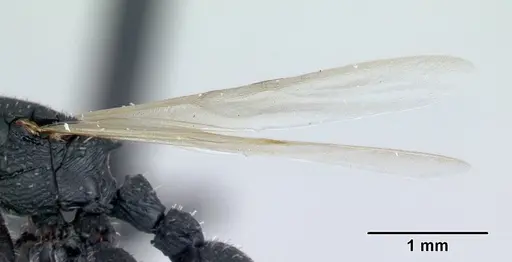
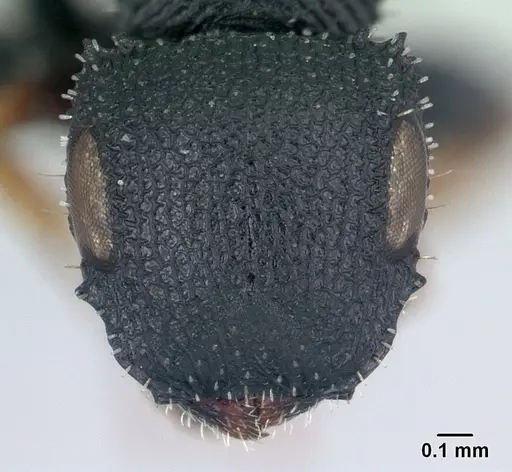
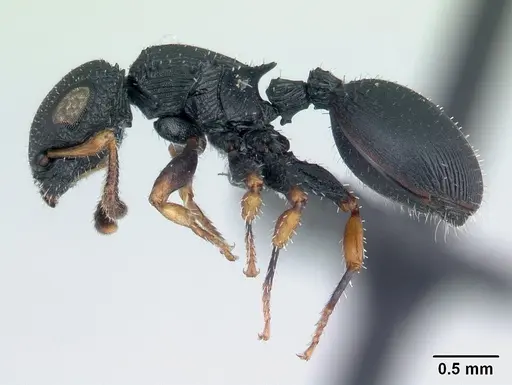
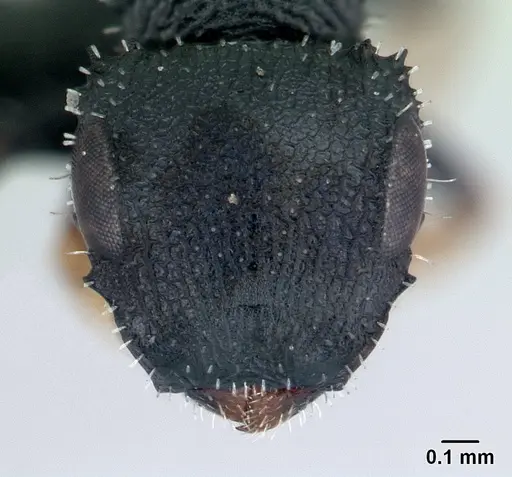
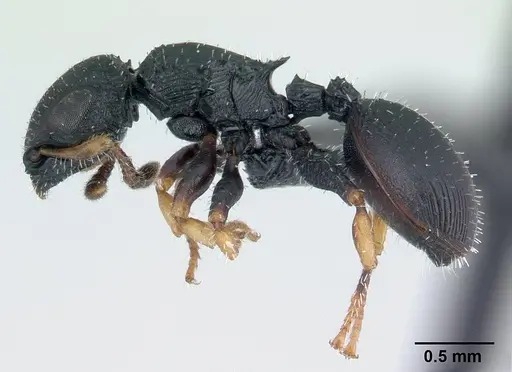
Cataulacus ebrardi is a small arboreal ant native to Madagascar and Mayotte. Workers measure 4.0-4.4mm and have a distinctive appearance with dentate occipital corners, marginate alitrunk sides, and short acute propodeal spines. The head and alitrunk feature fine rugoreticulum sculpture, while the gaster shows a transition from longitudinal rugae at the base to fine reticulate-puncturation toward the rear. This species belongs to the intrudens species group and is noted for its adaptability, being found across many different habitats in Madagascar including dry deciduous forest and forest edge areas [1][2][3].
Quick Summary
- Difficulty: Medium
- Origin & Habitat: Madagascar and Mayotte. This species is highly adaptable and found in various habitats across the island including dry deciduous forest (Kirindy Forest), forest edges, and grassland areas. Type localities include Morondava, Diego Suarez, Amber Mountains, and Nossi Bé [3][4][2].
- Colony Type: Colony structure is unconfirmed. Based on typical Cataulacus patterns, likely single-queen colonies, though this requires verification.
- Size & Growth:
- Queen: Unconfirmed, no measurements available for queens in primary literature
- Worker: 4.0-4.4mm
- Colony: Unknown, no colony size data available
- Growth: Unknown, no development timing data available
- Development: Estimated 6-8 weeks based on typical Myrmicinae development at tropical temperatures (Development timeline is not directly studied for this species. Estimates based on genus-level patterns for tropical arboreal Myrmicinae.)
- Antkeeping:
- Temperature: Keep at 22-26°C. As a tropical species from Madagascar, they prefer warm conditions. A gentle temperature gradient allows workers to regulate their exposure [1].
- Humidity: Moderate humidity around 50-70%. This species inhabits dry deciduous forest areas, so avoid overly damp conditions. Provide a moisture gradient with some dry areas available.
- Diapause: No, as a tropical species from Madagascar, they do not require hibernation. Maintain consistent temperatures year-round.
- Nesting: Arboreal nesting. In captivity, they do well in setups that mimic their natural tree-dwelling habitat. Y-tong (AAC) nests, plaster nests with horizontal chambers, or naturalistic setups with twigs and bark pieces work well. They prefer enclosed spaces rather than open foraging areas [1].
- Behavior: Generally calm and non-aggressive. As an arboreal species, they are skilled climbers and may attempt escapes. Workers are active and forage for honeydew and small prey. Their small size (4mm) means escape prevention must be excellent, use fine mesh and tight-fitting barriers. They are not known to be particularly defensive or aggressive toward keepers [1].
- Common Issues: escape prevention is critical due to their small size and arboreal nature, they squeeze through tiny gaps, humidity control is important, too wet conditions can be harmful as they naturally inhabit drier forest areas, colony growth may be slow since no specific development data exists, patience is required, wild-caught colonies may carry parasites that can cause issues in captivity, limited availability means established colonies are valuable, take care not to lose them
Natural History and Distribution
Cataulacus ebrardi is endemic to Madagascar and the nearby island of Mayotte. This species demonstrates remarkable habitat flexibility, being found across multiple habitat types including dry deciduous forest, forest edges, and grassland areas. The type locality is Morondava in western Madagascar, with additional records from Diego Suarez in the north, the Amber Mountains, and Nossi Bé island [3][4].
As a member of the intrudens species group, this ant is arboreal by nature. In the wild, they likely nest in hollow twigs, dead branches, under bark, or other elevated cavities in trees, typical behavior for Cataulacus species. Their distribution across varied habitats suggests good adaptability, which is a positive trait for antkeepers [1][2].
Housing and Nest Preferences
Because Cataulacus ebrardi is arboreal, your housing setup should reflect their tree-dwelling lifestyle. Y-tong (AAC) nests work well because they provide enclosed chambers that mimic the hollow twigs and branches these ants naturally nest in. Plaster nests with horizontal chambers are another good option, as they allow you to create a humidity gradient.
Foraging areas should be simple and easy to clean. These ants are small (about 4mm), so standard test tube setups work for founding colonies, but you may need to add climbing surfaces since they prefer to stay elevated. A small outworld with cork bark or twigs gives them natural climbing opportunities.
Escape prevention is important, these ants are small and agile. Use tight-fitting lids and consider applying fluon to the edges of your formicarium. Fine mesh on any ventilation holes is essential [1].
Feeding and Diet
Based on typical Cataulacus feeding behavior, this species likely has a varied diet typical of arboreal ants. They probably consume honeydew from sap-sucking insects (aphids, scale insects, mealybugs) as a primary food source, along with small insects and other protein sources.
In captivity, offer sugar water or honey water as a constant energy source. For protein, provide small insects like fruit flies, pinhead crickets, or mealworm pieces. Since they are small ants, prey items should be appropriately sized, not larger than the ants themselves.
Feed protein sources 2-3 times per week, and keep sugar water available at all times. Remove uneaten prey after 24-48 hours to prevent mold issues. Monitor acceptance, some arboreal ants can be picky, so adjust food types based on what your colony readily consumes [1].
Temperature and Seasonal Care
As a tropical species from Madagascar, Cataulacus ebrardi does not require hibernation or diapause. Keep your colony at warm temperatures in the range of 22-26°C. This can be achieved with a room-temperature setup if your home stays in this range, or you can use a heating cable on one side of the nest to create a gentle gradient.
Place the heating element on top of the nest, not underneath, to avoid drying out the nest material too quickly. Allow workers to move between warmer and cooler areas so they can regulate their own temperature.
Maintain consistent temperatures year-round, avoid cold drafts in winter. Since they come from a tropical island, sudden temperature drops can be harmful. Room temperature (around 24°C) is ideal for this species [1].
Behavior and Handling
Cataulacus ebrardi workers are relatively calm and not particularly aggressive. They go about their foraging activities without excessive disturbance displays. This makes them a manageable species for antkeepers who want to observe interesting arboreal behavior without dealing with aggressive defenders.
Their small size (4mm) means they are quite nimble. When you open the nest for feeding or maintenance, watch for escape attempts, they can move quickly. Work over a white tray or use an escape-proof outworld to catch any escapees.
These ants are arboreal by nature, so they are good climbers. Provide them with vertical surfaces and climbing structures in their outworld. They will likely establish foraging trails and explore their territory methodically [1].
Frequently Asked Questions
How long does it take for Cataulacus ebrardi to produce first workers?
The exact development timeline is not documented for this species. Based on typical Myrmicinae development at tropical temperatures (around 24-26°C), expect approximately 6-8 weeks from egg to first worker. Patience is important since this species has not been studied in captivity and growth rates are estimated [1].
What temperature do Cataulacus ebrardi ants need?
Keep them at 22-26°C. As a tropical Madagascar species, they prefer warm conditions. Room temperature in this range works well, or use a heating cable on one side of the nest to create a gentle gradient. Avoid temperatures below 20°C [1].
Do Cataulacus ebrardi ants need hibernation?
No. As a tropical species from Madagascar, they do not require hibernation or winter cooling. Maintain consistent warm temperatures year-round. Cold temperatures can be harmful to this species [1].
What do Cataulacus ebrardi ants eat?
Based on typical Cataulacus diet, they likely consume honeydew from sap-sucking insects and small insects. In captivity, offer sugar water or honey water constantly, along with small protein sources like fruit flies, pinhead crickets, or mealworm pieces. Feed protein 2-3 times per week [1].
Are Cataulacus ebrardi good for beginners?
This species is rated as medium difficulty. They are adaptable and found in various habitats, which is positive. However, limited captive husbandry information exists, and their specific needs are not well-documented. Some experience with antkeeping is helpful, but their calm temperament makes them manageable [1].
What size nest should I use for Cataulacus ebrardi?
Use a nest with small, enclosed chambers scaled to their 4mm size. Y-tong (AAC) nests or plaster nests with horizontal chambers work well. They are arboreal ants that prefer enclosed spaces. Provide a small outworld with climbing surfaces like cork bark [1].
Do Cataulacus ebrardi ants sting?
Cataulacus ants have stingers but are not known for aggressive stinging behavior. They are generally calm and not particularly defensive. Their small size also means any sting would be minimal. Handle gently during maintenance as you would any ant [1].
How big do Cataulacus ebrardi colonies get?
Colony size data is not available for this species. Based on typical Cataulacus patterns, colonies likely reach several hundred workers. Growth is expected to be moderate. Established colonies are valuable due to limited availability [1].
Can I keep multiple queens together?
Colony structure (monogyne vs polygyne) has not been documented for this species. Without specific information, it is not recommended to combine unrelated queens. If you obtain a multi-queen colony, keep them together only if they are already established as a group [1].
Why are my Cataulacus ebrardi dying?
Common causes include: escape due to inadequate barriers (they are small and agile), improper humidity (too wet, they prefer drier conditions), temperature stress (below 20°C can be harmful), or parasites from wild-caught colonies. Review each parameter and adjust accordingly [1].
References

This caresheet is licensed under CC BY-SA 4.0 .
CASENT0101244
View on AntWeb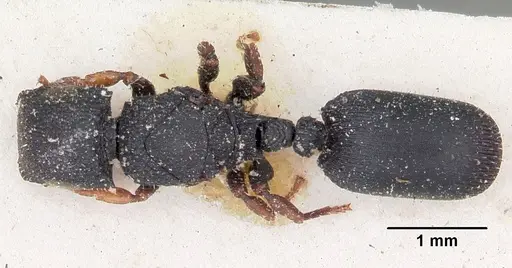
CASENT0101245
View on AntWeb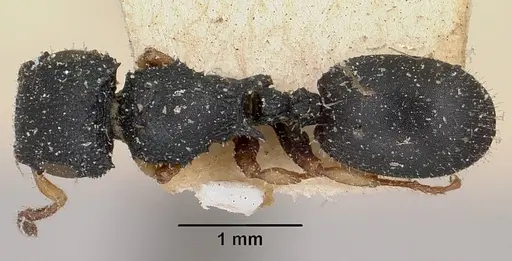
CASENT0101246
View on AntWeb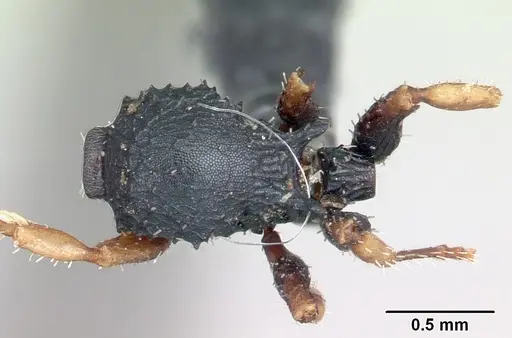

CASENT0101559
View on AntWeb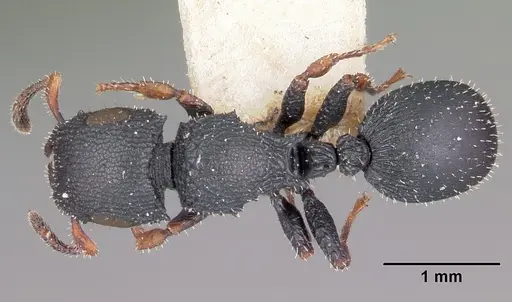
CASENT0101583
View on AntWeb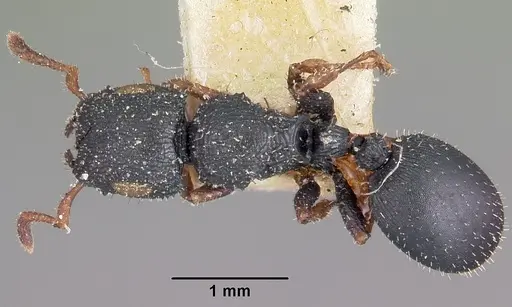
CASENT0102984
View on AntWeb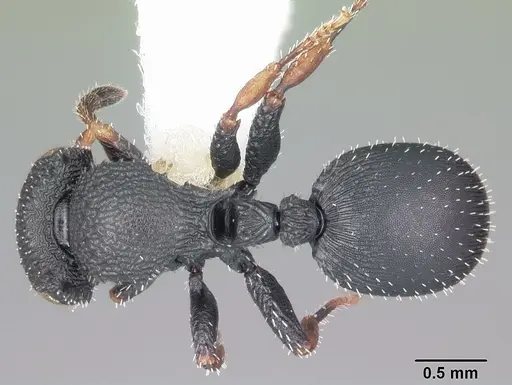
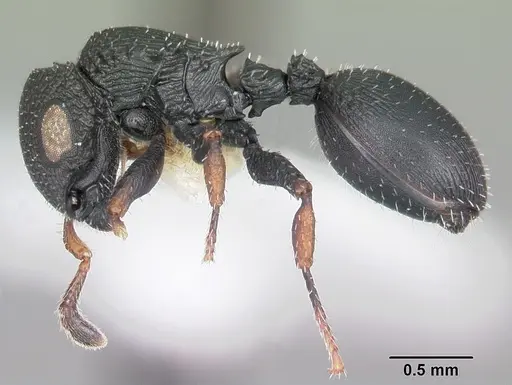
CASENT0104068
View on AntWeb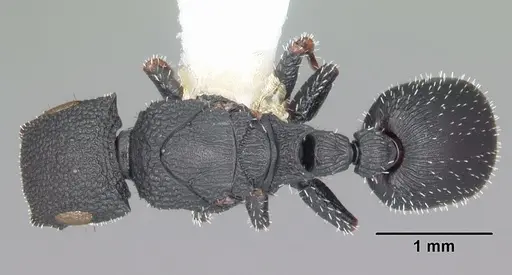
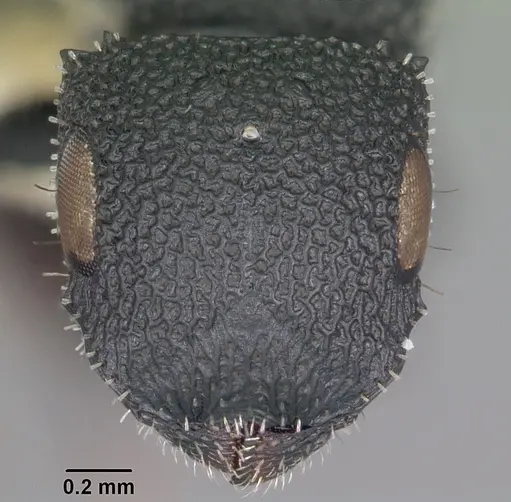
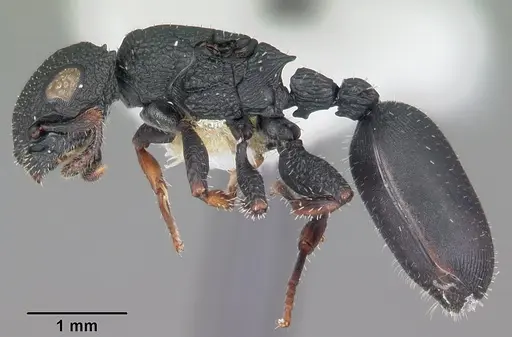
CASENT0132799
View on AntWeb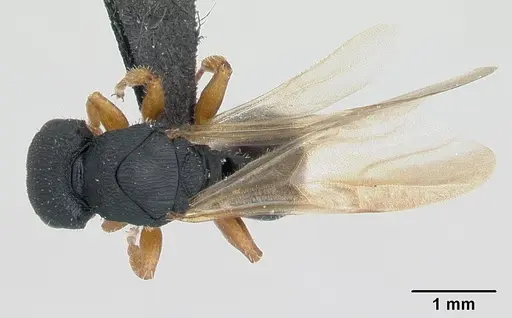
CASENT0132802
View on AntWeb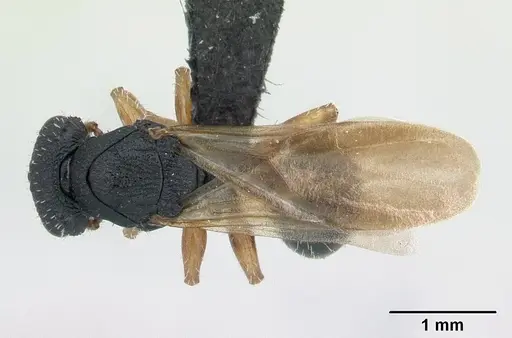
CASENT0132819
View on AntWeb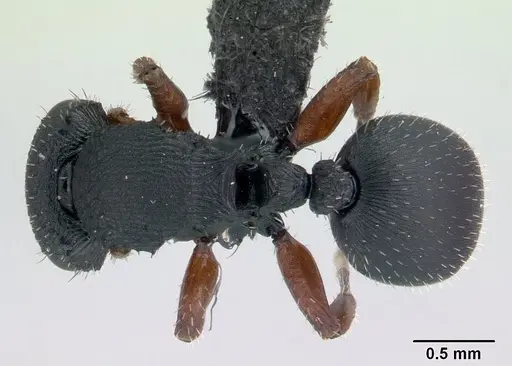
CASENT0144922
View on AntWeb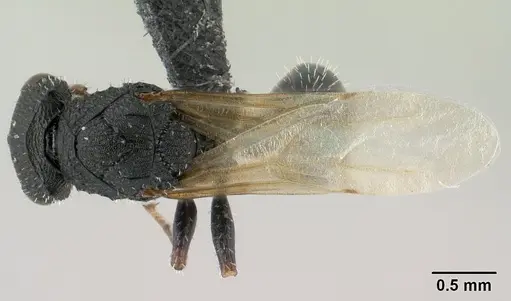
CASENT0178901
View on AntWeb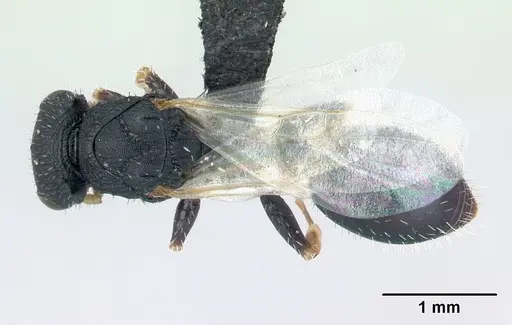
CASENT0487553
View on AntWeb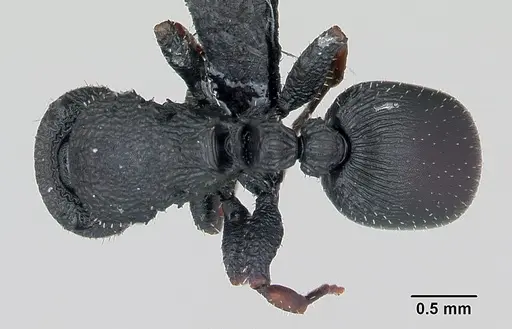
CASENT0491232
View on AntWeb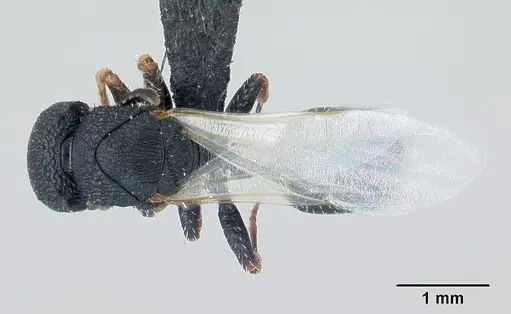
CASENT0491274
View on AntWeb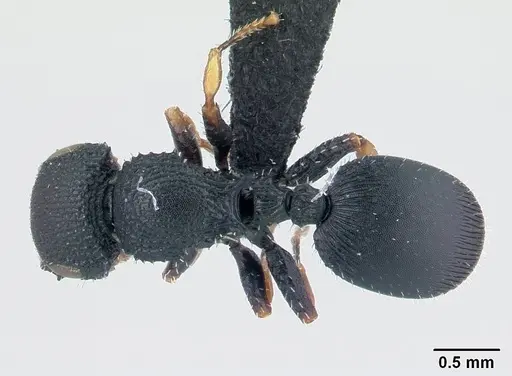
CASENT0491318
View on AntWeb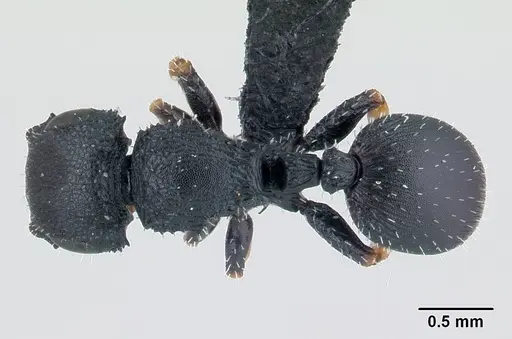
Literature
Loading...Loading products...