

Cataulacus cestus
- Scientific Name
- Cataulacus cestus
- Tribe
- Crematogastrini
- Subfamily
- Myrmicinae
- Author
- Bolton, 1982
- Distribution
- Found in 1 countries
Cataulacus cestus Overview
Cataulacus cestus is an ant species of the genus Cataulacus. It is primarily documented in 1 countries , including Congo, Democratic Republic of the. Detailed taxonomic data and occurrence records can be further explored via authoritative databases such as AntWeb or the Global Biodiversity Information Facility (GBIF).
Cataulacus cestus
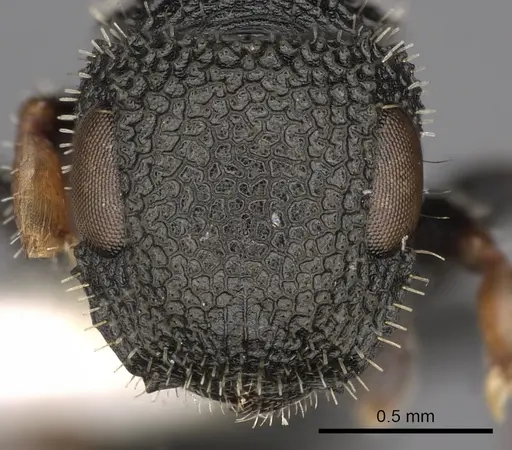
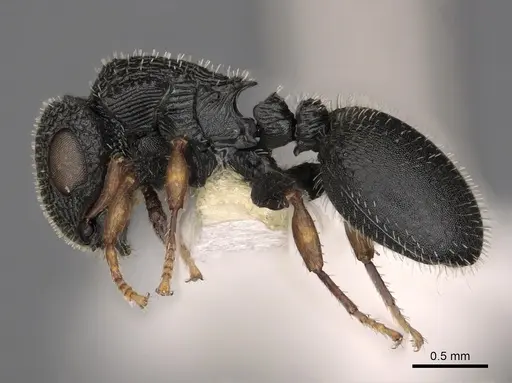
Cataulacus cestus is a small arboreal ant species endemic to the Ituri region in the Democratic Republic of Congo [1]. Like other Cataulacus species, these ants have a distinctive flattened body shape that helps them navigate through narrow twig cavities and hollow stems where they naturally nest. Workers are typically dark in coloration with a somewhat glossy appearance. The genus Cataulacus is known for their arboreal lifestyle, they don't nest in soil but instead make their homes in dead twigs, branches, and hollow plant stems in forest canopies. This makes them quite different from most beginner-friendly ants that nest underground.
Quick Summary
- Difficulty: Medium
- Origin & Habitat: Endemic to the Ituri region in the Democratic Republic of Congo, central Africa. In the wild, they live in forest environments and nest arboreally in dead twigs, branches, and hollow plant stems.
- Colony Type: Colony structure is unconfirmed. Based on typical Cataulacus patterns, they likely form moderate-sized colonies with a single queen.
- Size & Growth:
- Queen: Estimated 6-8mm based on genus patterns
- Worker: Estimated 3-5mm based on genus patterns
- Colony: Likely several hundred workers at maturity based on related species
- Growth: Moderate
- Development: Estimated 6-10 weeks based on typical Myrmicinae development at optimal temperature (Development timeline is not directly studied for this species, estimate based on genus patterns)
- Antkeeping:
- Temperature: Keep around 24-28°C. Being from central African forests, they need warm, stable temperatures. A heating cable on one side of the nest creates a suitable gradient.
- Humidity: Moderate to high humidity (60-80%). These are forest-dwelling ants that prefer damp conditions. Keep the nest substrate consistently moist but not waterlogged.
- Diapause: Unconfirmed. Given their central African origin, they may not require a true hibernation but may slow down during cooler periods.
- Nesting: Arboreal specialists, they need twig-style nests or narrow chambers that mimic their natural hollow twig habitat. Y-tong (AAC) nests with narrow passages work well. Avoid soil-based nests.
- Behavior: Generally calm and non-aggressive. They are slow-moving compared to many ants and rely on their arboreal nesting sites for protection. They are not known for stinging and pose no danger to keepers. Their small size means escape prevention is important, they can squeeze through small gaps.
- Common Issues: arboreal nesting requirements mean standard soil nests won't work, they need twig-style or narrow chamber setups, high humidity needs can lead to mold if ventilation is poor, slow growth may frustrate beginners expecting rapid colony development, escape prevention is important due to their small size, limited availability makes this an advanced species to acquire
Natural History and Origin
Cataulacus cestus is endemic to the Ituri region in the Democratic Republic of Congo, an area known for its rich tropical forest biodiversity [1]. This species was originally described by Bolton in 1982,and subsequent surveys have confirmed its presence only in this specific region of central Africa. The Ituri forests are dense tropical environments with high humidity and warm temperatures year-round. In their natural habitat, these ants are arboreal, they nest in hollow twigs, dead branches, and sometimes galls or hollow plant stems in the forest canopy. This arboreal lifestyle is a key characteristic of the Cataulacus genus and distinguishes them from many other ants that nest underground.
Housing and Nest Requirements
Cataulacus cestus requires arboreal-style housing, standard soil nests are not appropriate. In captivity, they do well in Y-tong (acrylic) nests with narrow chambers and passages that mimic their natural twig habitat. The chambers should be sized appropriately for their small worker size (roughly 3-5mm). You can also provide naturalistic setups with actual hollow twigs or branches, though these can be harder to maintain. The nest should have access to an outworld where foragers can move freely. Because they are arboreal, they benefit from having some vertical space or branches in their outworld. Escape prevention is important, use fine mesh barriers and ensure all connections are secure since their small size allows them to squeeze through tiny gaps.
Temperature and Humidity
Being from central African forests, Cataulacus cestus needs warm and humid conditions. Maintain temperatures around 24-28°C in the nest area. A heating cable placed on top of the nest (never underneath to avoid drying) can help maintain warmth, especially in cooler rooms. For humidity, aim for 60-80% relative humidity. These ants come from damp forest environments, so the nest substrate should remain consistently moist but never waterlogged. You can achieve this by providing a water reservoir connected to the nest or by misting the outworld regularly. Monitor for condensation, some condensation is good but excessive moisture can lead to mold problems. Good ventilation helps prevent stagnant air while maintaining humidity.
Feeding and Diet
In the wild, Cataulacus species are omnivorous, feeding on honeydew from aphids and scale insects, small insects, and plant secretions. In captivity, offer a varied diet including sugar water or honey as a constant energy source. For protein, provide small insects like fruit flies, pinhead crickets, or mealworms cut into appropriate sizes. Since they are small ants, prey items should be appropriately sized. Feed protein sources 2-3 times per week, and remove any uneaten prey after 24 hours to prevent mold. Some Cataulacus species have been observed tending aphids, so they may accept plant-based foods, but sugar and insect protein should form the core of their diet.
Colony Development
Little is specifically documented about the founding behavior and development timeline of Cataulacus cestus. Based on typical Myrmicinae patterns, the queen likely seals herself in a small chamber (claustral founding) and survives on stored fat reserves until her first workers emerge. Expect the first workers (nanitics) to be smaller than mature workers. Colony growth will be moderate, don't expect the rapid expansion seen in some Lasius or Formica species. A mature colony likely reaches several hundred workers. Be patient with these ants, they are not fast growers but can be long-lived once established. The slow growth rate is a consideration for keepers expecting quick results.
Frequently Asked Questions
Can I keep Cataulacus cestus in a test tube?
Test tubes can work for founding colonies, but these arboreal ants prefer narrow chambers rather than wide test tube setups. Once the colony grows beyond 10-20 workers, consider moving them to a Y-tong or similar nest with appropriately sized narrow passages.
When should I move Cataulacus cestus to a formicarium?
Move them when the test tube or founding setup becomes crowded (typically 30+ workers) or when the water reservoir is depleted. Arboreal ants do well in Y-tong nests with narrow chambers that mimic their natural twig habitat.
What is the best nest type for Cataulacus cestus?
Y-tong (acrylic) nests with narrow chambers are ideal. Avoid soil-based formicaria as these ants are arboreal and naturally nest in hollow twigs and branches. The chambers should be sized for their small worker size.
How long until first workers with Cataulacus cestus?
Estimated 6-10 weeks from egg to first worker at optimal temperature (around 26°C). This is an estimate based on typical Myrmicinae development, the exact timeline has not been documented for this specific species.
How fast do Cataulacus cestus colonies grow?
Growth rate is moderate. Expect slow but steady development, these are not fast-growing ants. A well-established colony may reach several hundred workers over 1-2 years with proper care.
Can I keep multiple queens together?
This has not been documented for Cataulacus cestus. Based on typical ant behavior, it is not recommended to combine unrelated foundress queens as they may fight. Stick to single-queen colonies.
How big do Cataulacus cestus colonies get?
Based on related species, colonies likely reach several hundred workers at maturity. They are not among the largest ant species but can form substantial colonies over time.
Do Cataulacus cestus ants sting?
Cataulacus species are not known for stinging and are generally considered non-aggressive. They pose no danger to keepers. Their primary defense is staying hidden in their arboreal nests.
Are Cataulacus cestus dangerous?
No, these ants are not dangerous to humans. They are small, calm, and not prone to stinging. They make interesting but somewhat challenging pets due to their specific housing requirements.
How often should I feed Cataulacus cestus?
Provide sugar water or honey constantly as an energy source. Offer protein (small insects) 2-3 times per week. Remove uneaten prey after 24 hours to prevent mold issues in their humid environment.
What do Cataulacus cestus eat?
They are omnivorous. Offer sugar sources (honey, sugar water) and small insects (fruit flies, small mealworms, pinhead crickets). Size prey appropriately for their small worker size.
What temperature do Cataulacus cestus need?
Keep them warm at 24-28°C. Being from central African forests, they need consistent warmth. A heating cable on top of the nest can help maintain proper temperature.
Are Cataulacus cestus good for beginners?
This is not an ideal beginner species. Their arboreal nesting requirements, need for high humidity, and slower growth make them more suitable for intermediate to advanced antkeepers who have successfully kept other species first.
What is the difficulty level for Cataulacus cestus?
Medium difficulty. They require specific arboreal-style housing (not standard soil nests), stable warm temperatures, and high humidity. Their slower growth and limited availability add to the challenge.
Do Cataulacus cestus need hibernation?
Unconfirmed. Given their central African origin, they likely do not require true hibernation. They may slow down during cooler periods but probably don't need a dedicated diapause period.
Why are my Cataulacus cestus dying?
Common causes include: wrong nest type (they need arboreal-style housing, not soil), temperatures too low (need 24-28°C), humidity too low or too high (aim for 60-80%), or poor escape prevention allowing them to escape. Check all husbandry parameters and adjust accordingly.
References

This caresheet is licensed under CC BY-SA 4.0 .
CASENT0900264
View on AntWeb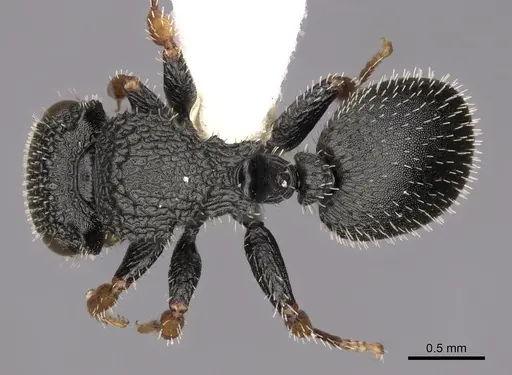
Literature
Loading...Loading products...