

Cataulacus brevisetosus
- Scientific Name
- Cataulacus brevisetosus
- Tribe
- Crematogastrini
- Subfamily
- Myrmicinae
- Author
- Forel, 1901
- Distribution
- Found in 5 countries
Cataulacus brevisetosus Overview
Cataulacus brevisetosus is an ant species of the genus Cataulacus. It is primarily documented in 5 countries , including Congo, Democratic Republic of the, Kenya. Detailed taxonomic data and occurrence records can be further explored via authoritative databases such as AntWeb or the Global Biodiversity Information Facility (GBIF).
Cataulacus brevisetosus
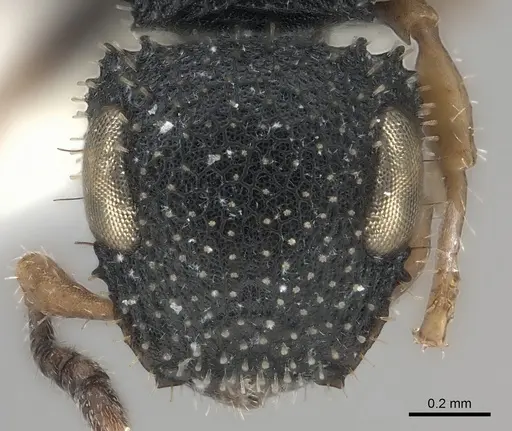
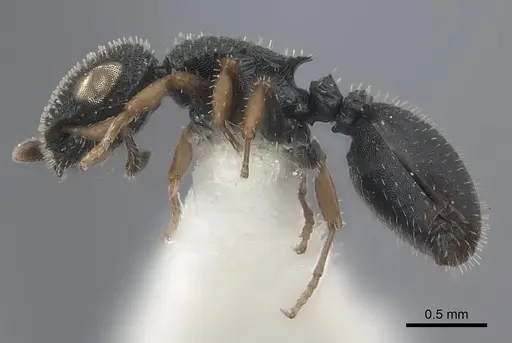
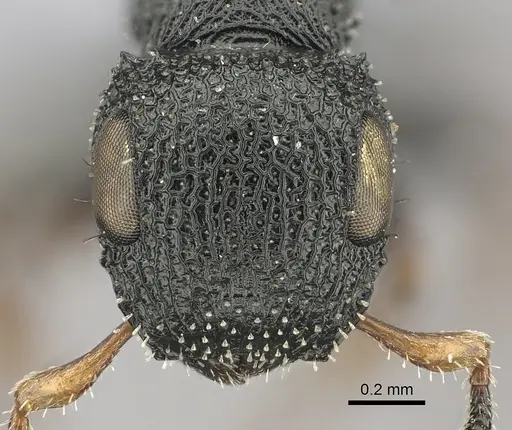
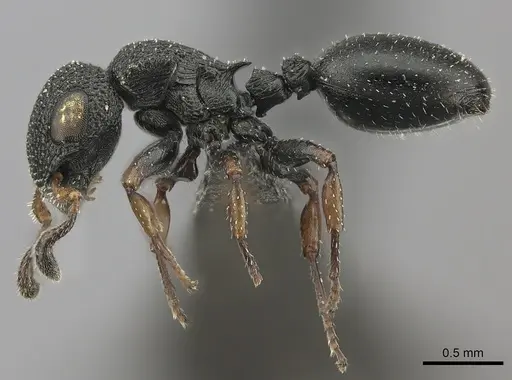
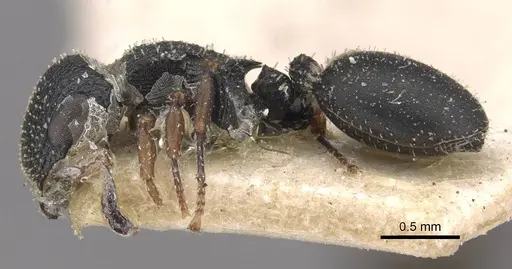
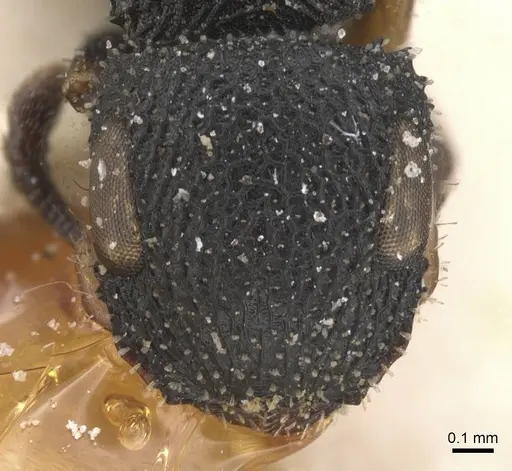
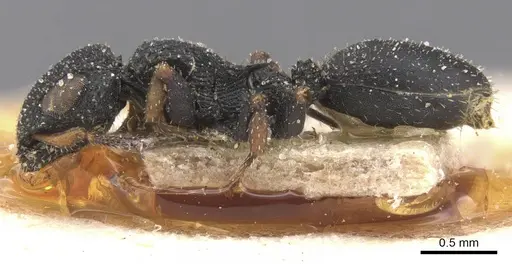
Cataulacus brevisetosus is a small to medium-sized arboreal ant species native to the Democratic Republic of Congo [1]. These ants have a distinctive flattened body with a smooth, glossy exoskeleton and short bristle-like hairs (which gives them their name 'brevisetosus' meaning short-bristled). Workers are typically around 4-6mm and have a characteristic somewhat elongated head with large eyes adapted for their tree-dwelling lifestyle. Their coloration is typically dark brown to black. As arboreal ants, they nest in hollow twigs, branches, and tree cavities rather than in ground nests. This makes them different from many common ant pets that nest in soil.
Quick Summary
- Difficulty: Medium
- Origin & Habitat: Democratic Republic of Congo, specifically provinces BC, KN, and SA [1]. They live in tropical forest habitats in hollow branches and twigs in trees.
- Colony Type: Likely monogyne (single queen colonies) based on typical Cataulacus behavior. Colony size is estimated at several hundred workers based on genus patterns.
- Colony: Monogyne
- Founding: Claustral
- Size & Growth:
- Queen: Estimated 8-10mm based on genus Cataulacus patterns
- Worker: Estimated 4-6mm based on genus Cataulacus patterns
- Colony: Estimated several hundred workers based on related species
- Growth: Moderate, based on typical arboreal ant development patterns
- Development: Estimated 6-10 weeks at optimal temperature based on genus-level data (Development time is inferred from related Cataulacus species, actual timing may vary)
- Antkeeping:
- Temperature: Keep around 22-26°C. They are tropical ants that prefer warmth but not extreme heat. A gentle temperature gradient allows them to regulate their body temperature.
- Humidity: High humidity is essential, think damp forest canopy. Keep nest substrate moist but not waterlogged. Provide a water source and mist occasionally. Arboreal ants are adapted to higher humidity than ground-nesting species.
- Diapause: Likely minimal or no true diapause, being tropical, they may slow down slightly in cooler months but probably don't need a hibernation period. This is inferred from typical tropical ant behavior.
- Nesting: Provide an arboreal-style setup, they do well in Y-tong nests, acrylic nests with tight chambers, or naturalistic setups with twigs/branches. They prefer enclosed spaces with small entrance holes. Avoid large open areas.
- Behavior: These ants are generally peaceful but can be defensive if their nest is threatened. They are arboreal by nature so they are good climbers and may attempt to escape. They are omnivorous, accepting both sugar sources and protein foods. Workers are active foragers both in the nest and on branches. Their small size means escape prevention is important, they can squeeze through small gaps.
- Common Issues: escape prevention is critical, their small size and arboreal nature means they will explore for gaps, high humidity can lead to mold if ventilation is poor, balance humidity with airflow, tropical species may struggle if temperatures drop below 20°C, slow founding phase, claustral queens may take months to raise first workers, wild-caught colonies may have parasites or diseases that cause problems in captivity
Housing and Nest Setup
Cataulacus brevisetosus is an arboreal ant species, so your setup should reflect their natural tree-dwelling lifestyle. Y-tong (acrylic) nests work very well because they provide the tight, enclosed chambers these ants prefer. Acrylic nests with narrow tunnels also work. If you want a naturalistic setup, you can provide hollow twigs or branches secured in a terrarium-style enclosure. The key is to give them small, enclosed spaces rather than large open areas. They will use the entire vertical space in their enclosure, so include branches or structures they can walk on. A water test tube should always be available, these ants need constant access to water. For the outworld (foraging area), include branches or vertical surfaces so they can explore naturally.
Feeding and Diet
These ants are omnivorous and will accept a variety of foods. Sugar sources are important, you can offer sugar water, honey, or diluted maple syrup. For protein, offer small insects like fruit flies, pinhead crickets, mealworms, or wax moths. They are not large predators, so prey items should be appropriately sized. Some keepers report that Cataulacus species accept honeydew or aphid sugar sources. Feed them every 2-3 days, removing any uneaten prey after 24 hours to prevent mold. A constant sugar source (like a cotton ball with sugar water) is recommended between protein feedings.
Temperature and Humidity
As a tropical species from the DRC, Cataulacus brevisetosus needs warm, humid conditions. Aim for temperatures between 22-26°C. They can tolerate slightly higher temperatures but avoid anything above 30°C. Room temperature is often suitable if your home is in this range, otherwise use a heating cable on one side of the nest to create a gentle gradient. Humidity should be high, think damp forest canopy. Keep the nest substrate moist but not sitting in water. Mist the enclosure occasionally and provide a water source. Good ventilation is important to prevent mold while maintaining humidity.
Colony Development
Starting a colony from a single queen requires patience. The queen is likely claustral, meaning she seals herself in a chamber and raises her first workers entirely on her stored fat reserves. She will not leave to forage during founding. The first workers (nanitics) will be smaller than normal workers. After the first workers emerge, the colony will grow gradually. Expect the first major growth phase 2-3 months after founding, depending on temperature. Colony growth is moderate, it may take a year or more to reach several hundred workers. Do not disturb the queen during founding unnecessarily.
Behavior and Temperament
Cataulacus brevisetosus workers are active and alert. They are generally not aggressive toward keepers but will defend their nest if threatened. Workers are good climbers and will explore vertical surfaces. They may be more active during the day but can be active at any time. One thing to watch for is their tendency to explore and find escape routes, their small size means they can squeeze through surprisingly small gaps. Excellent escape prevention is essential. Use fluon on rim edges and ensure all openings are sealed. They are not known for stinging and are generally peaceful toward humans.
Frequently Asked Questions
How long does it take for Cataulacus brevisetosus to produce first workers?
Expect first workers (nanitics) to emerge around 6-10 weeks after the queen lays eggs, assuming optimal temperature around 24-26°C. This is an estimate based on genus patterns, actual timing may vary. The queen will remain sealed in her chamber until workers emerge.
What do Cataulacus brevisetosus ants eat?
They are omnivorous. Offer sugar water, honey, or maple syrup as a constant energy source. For protein, feed small insects like fruit flies, pinhead crickets, or mealworms every few days. Remove uneaten prey after 24 hours.
Can I keep Cataulacus brevisetosus in a test tube?
Test tubes can work for founding colonies but these arboreal ants prefer enclosed spaces with small chambers. A Y-tong or acrylic nest is more suitable for established colonies. If using test tubes, ensure high humidity and proper escape prevention.
Do Cataulacus brevisetosus ants need hibernation?
Probably not. Being a tropical species from the DRC, they likely do not require a true diapause period. They may slow down slightly in cooler months but a formal hibernation is not necessary.
Are Cataulacus brevisetosus good for beginners?
They are considered medium difficulty. The main challenges are maintaining high humidity and providing proper arboreal-style housing. Their small size also requires good escape prevention. If you have kept other ant species successfully, this could be a good next step.
How big do Cataulacus brevisetosus colonies get?
Based on related species, colonies likely reach several hundred workers over time. Growth is moderate, it may take a year or more to reach this size. Well-established colonies can be impressive display colonies.
Do Cataulacus brevisetosus ants sting?
They are not known for stinging and are generally peaceful. They may bite if threatened but this is not significant for humans. Their main defense is fleeing or hiding in their nest.
Why are my Cataulacus brevisetosus dying?
Common causes include: temperatures below 20°C (tropical species need warmth), low humidity (they need damp conditions), poor escape prevention (they're small and can escape), mold from overwatering with poor ventilation, or parasites from wild-caught colonies. Check all these factors.
When should I move my colony to a formicarium?
You can keep them in a test tube or small setup for the founding phase. Once the colony reaches 20-30 workers and the test tube becomes cramped, consider moving to a Y-tong or acrylic nest. They do well in arboreal-style setups with narrow chambers.
What temperature is best for Cataulacus brevisetosus?
Keep them between 22-26°C. Room temperature in this range is often suitable. If needed, use a heating cable on one side of the nest to create a gentle gradient. Avoid temperatures above 30°C or below 20°C.
References

This caresheet is licensed under CC BY-SA 4.0 .
CASENT0217820
View on AntWeb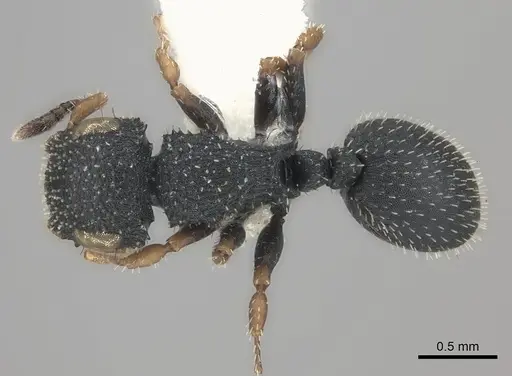
CASENT0235429
View on AntWeb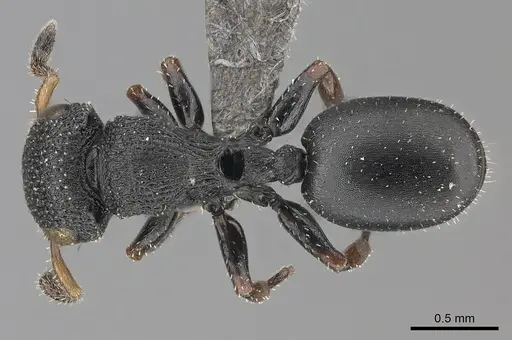
CASENT0909232
View on AntWeb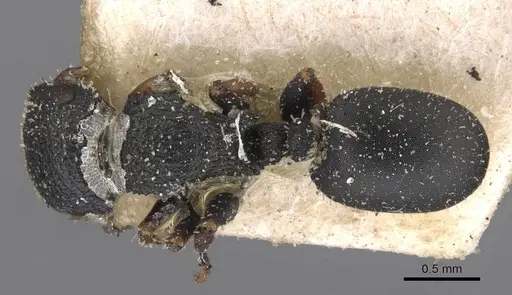
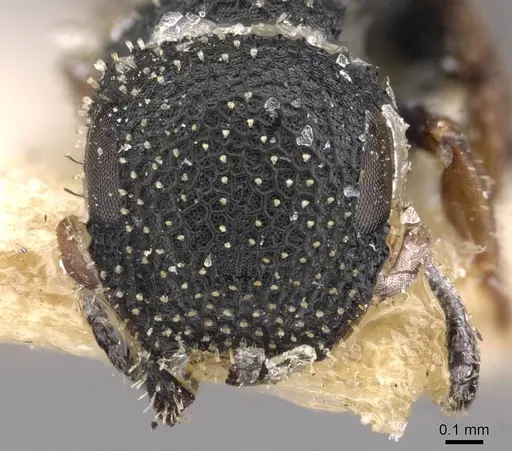
CASENT0912545
View on AntWeb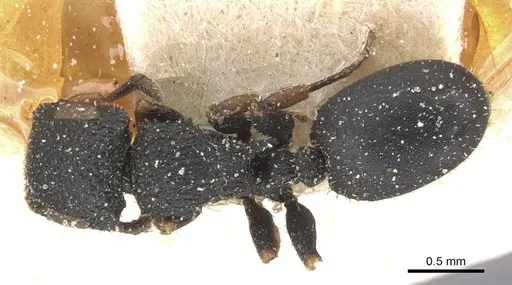
Literature
Loading...Loading products...