

Cataulacus bequaerti
- Scientific Name
- Cataulacus bequaerti
- Tribe
- Crematogastrini
- Subfamily
- Myrmicinae
- Author
- Forel, 1913
- Distribution
- Found in 1 countries
Cataulacus bequaerti Overview
Cataulacus bequaerti is an ant species of the genus Cataulacus. It is primarily documented in 1 countries , including Congo, Democratic Republic of the. Detailed taxonomic data and occurrence records can be further explored via authoritative databases such as AntWeb or the Global Biodiversity Information Facility (GBIF).
Cataulacus bequaerti
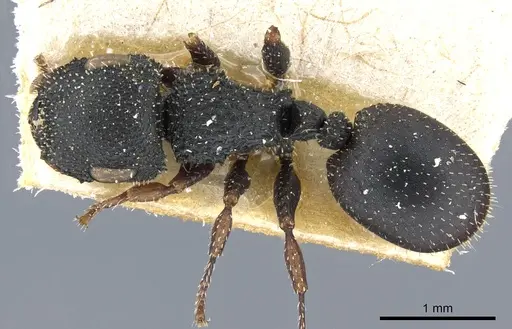
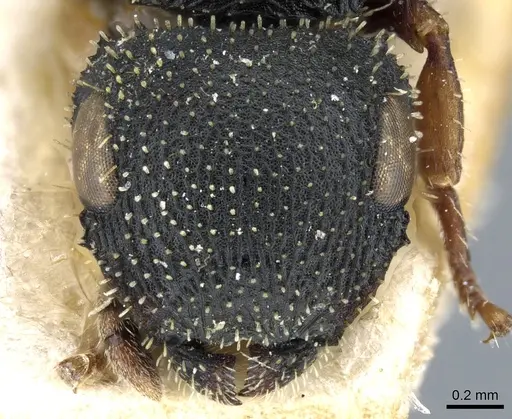
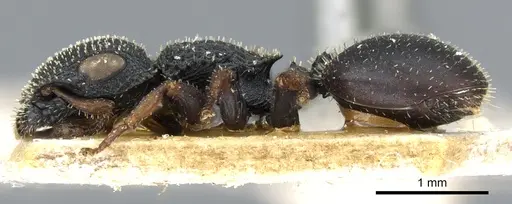
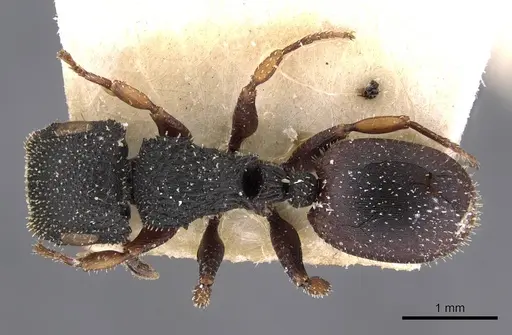
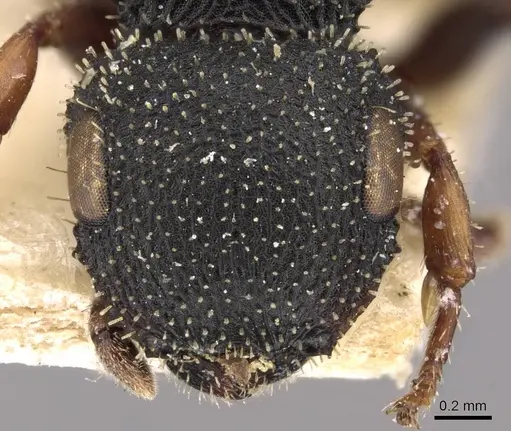
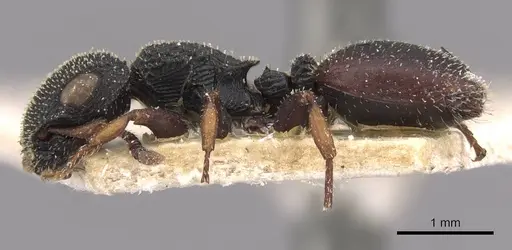
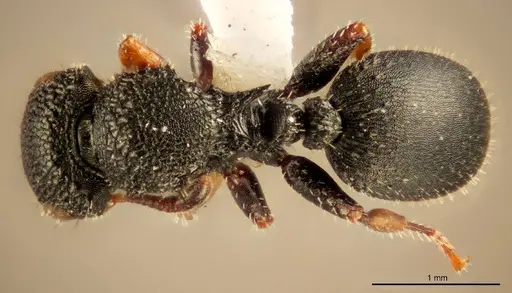
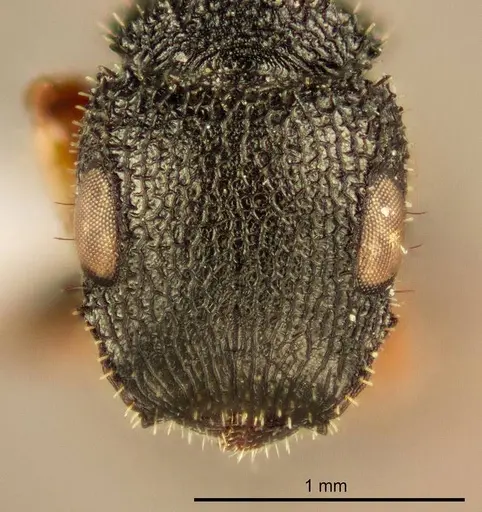
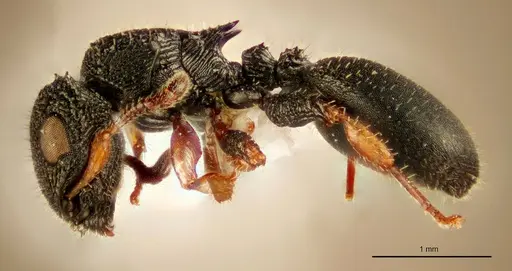
Cataulacus bequaerti is a small arboreal ant species native to the Democratic Republic of Congo in Central Africa. These ants have the distinctive flattened body shape typical of the genus, which helps them navigate through narrow plant cavities. Workers are modest in size and dark in coloration. The species is known to nest in empty lepidopterous galls (abnormal plant growths caused by insect larvae) on trees, making them specialized cavity-nesters that live high in the forest canopy [1]. This arboreal lifestyle means they have different care requirements than ground-nesting ants.
Quick Summary
- Difficulty: Medium
- Origin & Habitat: Democratic Republic of Congo (provinces EQ, HK, HL) in tropical Central Africa. In the wild, these ants nest in empty galls on trees, typically found in forest canopy environments [1][2].
- Colony Type: Likely single-queen colonies based on typical genus patterns. Colony size appears small, likely under a few hundred workers.
- Colony: Monogyne
- Founding: Claustral
- Size & Growth:
- Queen: Estimated 6-7mm based on genus morphology
- Worker: Estimated 3-4mm based on genus morphology
- Colony: Likely small, under 500 workers based on typical cavity-nesting arboreal species
- Growth: Moderate
- Development: Estimated 6-10 weeks based on related Cataulacus species and tropical ant development patterns (Direct development data unavailable, estimate based on genus-level patterns for tropical arboreal ants)
- Antkeeping:
- Temperature: Keep at 24-27°C. Tropical species require consistent warmth. A heating cable on one side of the nest creates a suitable gradient.
- Humidity: High humidity, around 70-80%. These forest canopy ants need moist conditions. Mist regularly and provide a water tube.
- Diapause: No, being a tropical species, they do not require hibernation. Maintain warm conditions year-round.
- Nesting: Arboreal cavity-nesters. They naturally nest in hollow plant structures like galls and stems. In captivity, they do well in test tube setups placed horizontally, small acrylic nests with narrow chambers, or cork bark setups. Avoid standard soil formicariums, they prefer enclosed spaces.
- Behavior: Generally calm and non-aggressive. As arboreal ants, they are skilled climbers and will explore vertical spaces. They are not known for stinging and pose no danger to keepers. Escape prevention is important, while not tiny, they can squeeze through small gaps. They are active foragers that will search for honeydew and small prey.
- Common Issues: high humidity requirements can lead to mold if ventilation is poor, arboreal nature means they may struggle in ground-level nests designed for soil-dwelling species, limited research means exact dietary preferences are uncertain, tropical species are sensitive to temperature drops, keep away from cold drafts, small colony size means slower population growth, patience is required
Housing and Nest Setup
Cataulacus bequaerti requires housing that mimics their natural arboreal cavity-nesting habitat. In the wild, they inhabit empty galls on trees, hollow plant structures that provide enclosed, humid conditions [1]. For captivity, test tubes work well when laid horizontally, allowing the queen to seal herself in a dark chamber. You can also use small acrylic nests with narrow chambers or cork bark setups. Avoid large, open spaces, these ants feel secure in tight, enclosed areas. Place the nest in a vertical orientation if possible, reflecting their tree-dwelling lifestyle. A small outworld for foraging completes the setup.
Feeding and Diet
Like most Cataulacus species, these ants are likely omnivorous with a preference for sugary substances and protein. In nature, arboreal ants often tend aphids for honeydew and hunt small insects. In captivity, offer sugar water or honey water regularly as a constant food source. For protein, provide small insects like fruit flies, pinhead crickets, or mealworm pieces. Feed protein 2-3 times per week, and keep sugar water available at all times. Remove uneaten prey after 24-48 hours to prevent mold.
Temperature and Humidity
Being a tropical species from the DRC, Cataulacus bequaerti requires warm and humid conditions. Maintain temperatures between 24-27°C, use a heating cable on part of the nest if your room temperature is below this range. Place the heating on top of the nest, not underneath, to avoid excessive evaporation. Humidity should stay around 70-80%. The enclosed nature of their nests helps maintain humidity, but you should still mist the outworld regularly and provide a water tube. Good ventilation is important to prevent mold while maintaining humidity.
Colony Development
Colony growth is likely moderate. The queen will remain claustral during founding, sealing herself in a chamber and raising the first workers (nanitics) on her stored energy reserves. Once the first workers emerge, the colony will begin expanding. Expect the first workers approximately 6-10 weeks after founding, though this is an estimate based on related species. Growth will be slower than many ground-nesting ants, so patience is essential. The colony will likely remain small, probably under 500 workers even at maturity.
Frequently Asked Questions
What do Cataulacus bequaerti ants eat?
They are omnivorous. Offer sugar water or honey constantly, and supplement with small insects like fruit flies or mealworm pieces 2-3 times per week.
How long does it take for Cataulacus bequaerti to produce first workers?
Estimated 6-10 weeks from egg to first worker based on related species, though this has not been directly studied for this species.
Do Cataulacus bequaerti ants need hibernation?
No. As a tropical species from the DRC, they do not require hibernation. Keep them warm year-round at 24-27°C.
What type of nest is best for Cataulacus bequaerti?
They are arboreal cavity-nesters. Use test tubes laid horizontally, small acrylic nests with narrow chambers, or cork bark setups. Avoid standard soil formicariums.
Are Cataulacus bequaerti ants aggressive?
No, they are generally calm and non-aggressive. They pose no stinging threat to keepers.
How big do Cataulacus bequaerti colonies get?
Likely small, probably under 500 workers at maturity based on typical arboreal cavity-nesting species.
Can I keep multiple Cataulacus bequaerti queens together?
Not recommended. Unlike some polygynous species, Cataulacus are typically monogyne (single queen). Combining unrelated queens has not been documented for this species.
Do Cataulacus bequaerti ants escape easily?
They are moderate escape risks. While not tiny, they can squeeze through small gaps. Use standard escape prevention with tight-fitting lids and barrier gel.
What temperature should I keep Cataulacus bequaerti at?
Keep them at 24-27°C. Use a heating cable on part of the nest if needed, placed on top rather than underneath.
Is Cataulacus bequaerti good for beginners?
They are moderate difficulty. The main challenges are providing proper arboreal housing and maintaining high humidity. Some antkeeping experience is helpful.
References

This caresheet is licensed under CC BY-SA 4.0 .
Literature
Loading...Loading products...