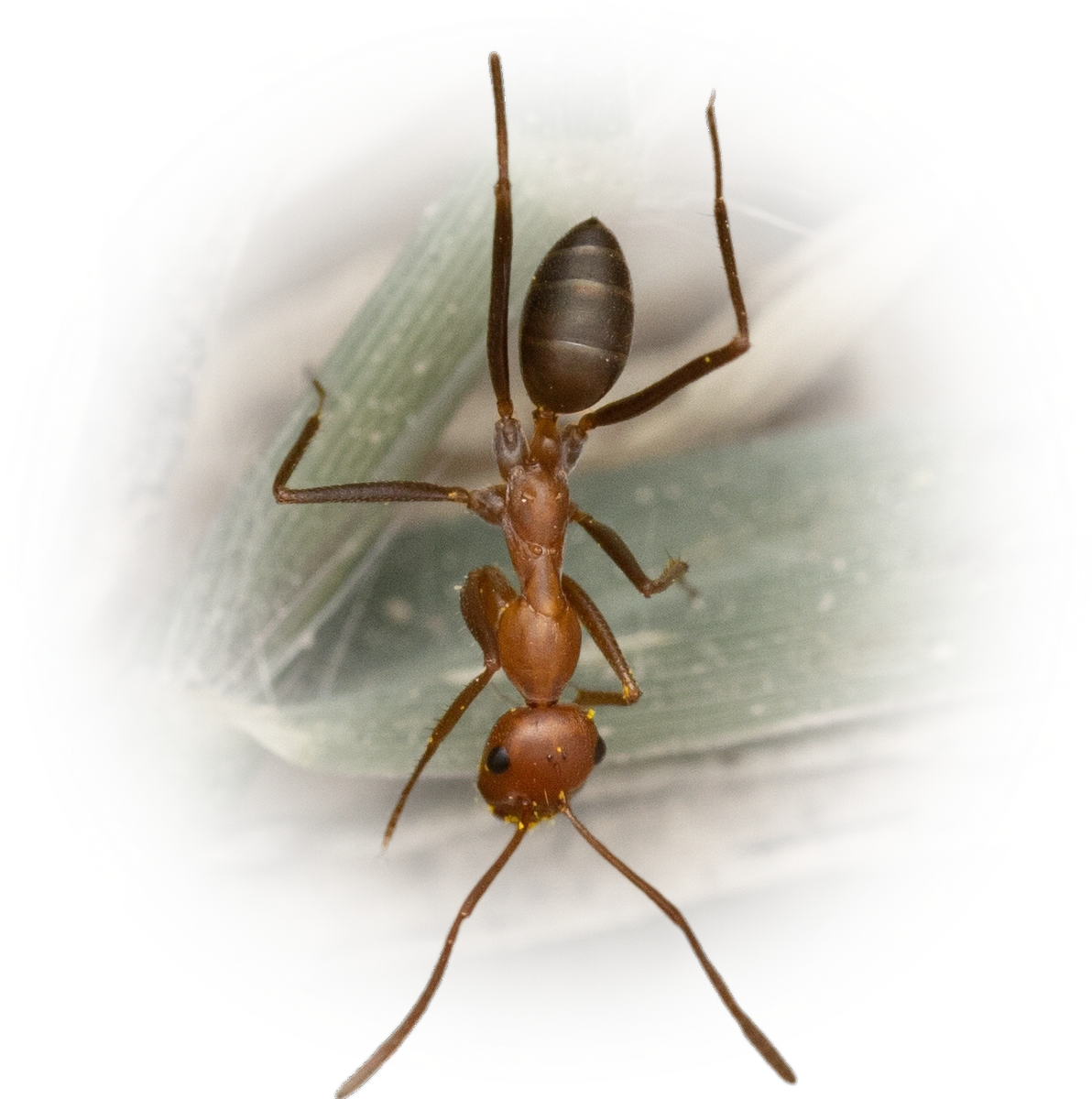

Cataglyphis velox
- Scientific Name
- Cataglyphis velox
- Tribe
- Formicini
- Subfamily
- Formicinae
- Author
- Santschi, 1929
- Distribution
- Found in 1 countries
Cataglyphis velox Overview
Cataglyphis velox is an ant species of the genus Cataglyphis. It is primarily documented in 1 countries , including Spain. Detailed taxonomic data and occurrence records can be further explored via authoritative databases such as AntWeb or the Global Biodiversity Information Facility (GBIF).
Cataglyphis velox
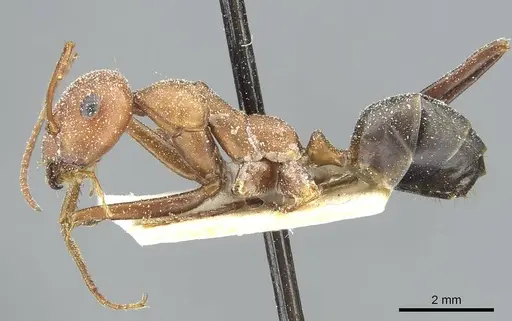
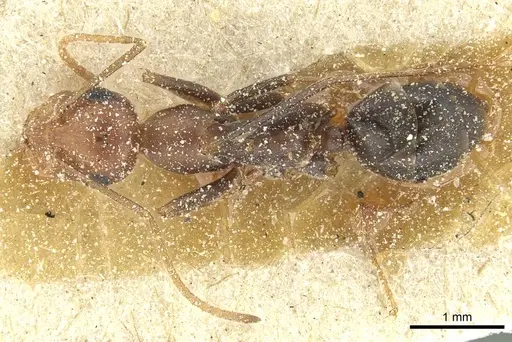
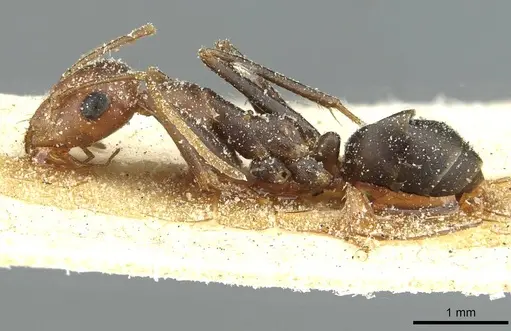
Cataglyphis velox is a highly polymorphic desert ant endemic to the Iberian Peninsula, where it inhabits arid zones with high temperatures across Spain and Portugal. Workers range dramatically in size from 4.5mm to 12mm, falling into four distinct categories: very small, small, medium, and large. This polymorphism isn't just cosmetic, it serves a critical thermal function. Large workers with their long stilt-like legs can forage during the scorching midday hours when ground temperatures exceed 50°C, while smaller workers stick to cooler morning hours [1][2]. The species belongs to the altisquamis group and is known for its exceptional heat tolerance, with large workers capable of withstanding temperatures up to 56°C, among the highest thermal limits recorded for any ant [3][4]. Queens of this species are brachypterous, meaning they emerge with short non-functional wings and disperse on foot alongside workers rather than flying, using a dependent colony founding strategy [5][6].
Quick Summary
- Difficulty: Medium-Hard
- Origin & Habitat: Iberian Peninsula endemic found across Spain and Portugal in arid zones of La Mancha, Guadalquivir Depression, and Betic Systems at elevations from sea level to 2400m [7][8]. This thermophilic xerophile nests in hot, dry areas with high surface temperatures [7].
- Colony Type: Polygynous colonies with 2-9 queens (mean 2.85), though some populations are monogynous. Social structure varies between populations in southern Spain [9][10]. Queens are brachypterous (short-winged) and disperse on foot with workers for dependent colony founding [5].
- Colony: Optionally polygyne
- Founding: Semi-claustral
- Size & Growth:
- Queen: Approximately 10-12mm (estimated from worker size and genus patterns)
- Worker: 4.5-12mm with four distinct size castes: very small (10mm) [1][2]
- Colony: 220-1300 workers (mean 784 ± 341) [11]
- Growth: Moderate
- Development: 6-10 weeks (estimated based on genus patterns for Mediterranean Cataglyphis species) (Development time is inferred from related species, direct measurements not available for this species)
- Antkeeping:
- Temperature: Keep nest area at 26-32°C with access to warmer areas reaching 35-40°C. This species thrives at high temperatures, maximum activity occurs around 46°C, and large workers can tolerate up to 56°C [2][3]. Provide a thermal gradient so ants can self-regulate.
- Humidity: Low to moderate. As a xerophilic species from arid Iberian zones, they prefer dry conditions. Keep substrate moderately dry with occasional moisture zones. Avoid damp, stagnant conditions [7].
- Diapause: No true diapause required. As a Mediterranean species active year-round in warm climates, they don't need hibernation. However, reducing temperatures slightly in winter (to around 18-20°C) may slow activity [12].
- Nesting: Y-tong or acrylic nests work well. Provide dry nesting chambers with a connection to a warmer outworld area. Naturalistic setups with sand or soil substrates in warm, well-lit locations are also suitable. Avoid damp materials.
- Behavior: Solitary foragers that venture out during the heat of day to scavenge for dead insects and other protein sources. They don't follow pheromone trails, instead each forager develops individual routes using visual landmarks and sky compass navigation [13]. Workers are not aggressive and rank low in dominance hierarchies (22% dominance index). Large workers defend nest entrances [3]. Escape risk is moderate, use standard barrier methods but they're not particularly escape-prone compared to tiny species.
- Common Issues: Heat requirements are critical, keeping them too cold will suppress activity and colony development, Overfeeding can be problematic as they are primarily scavengers, uneaten protein spoils quickly in warm conditions, Small workers are more vulnerable to heat stress and have higher water loss, ensure larger workers dominate the foraging force, Wild colonies may carry parasites, quarantine and observe new colonies carefully, Their extreme heat tolerance means room temperature is often insufficient, supplemental heating is usually necessary
Temperature and Heat Requirements
This is perhaps the most critical aspect of keeping Cataglyphis velox. As a desert ant species from the hot Iberian Peninsula, they require warm conditions to thrive. The maximum activity temperature (MAT) is 46°C, and large workers have a critical thermal maximum (CTM) of 56°C, extraordinary compared to most ants [2][4]. In captivity, aim for nest temperatures of 28-35°C with a warmer area around 38°C. The outworld should be heated as well since they forage during daylight hours. A heating cable or mat placed under one end of the nest creates the necessary gradient. Without adequate heat, foragers won't emerge and the colony will stagnate. Small and very small workers are more vulnerable to heat stress than large workers, so the thermal gradient allows the colony to allocate foragers appropriately [1].
Feeding and Diet
Cataglyphis velox is primarily a scavenger and predator, feeding mainly on dead insects and other arthropod corpses. In the wild,88% of prey items weigh less than 10mg, though large workers can retrieve much larger items [1][14]. They also consume sweet substances like honeydew and nectar. In captivity, offer protein sources like small crickets, mealworms, fruit flies, and other small insects. Dead insects should be removed within 24-48 hours to prevent mold. Sugar water or honey can be offered occasionally but protein is the primary dietary need. Feed every 2-3 days, adjusting based on colony size and consumption. The key is variety, rotate between different protein sources to ensure balanced nutrition.
Worker Polymorphism and Colony Organization
One of the most fascinating aspects of C. velox is its extreme worker polymorphism. Workers range from 4.5mm to 12mm, a 22-fold range in body mass [2]. This isn't random: different size castes serve different thermal niches. Very small and small workers forage preferentially in cooler morning hours, while medium and large workers dominate during scorching midday when ground temperatures exceed 50°C [1][3]. Large workers have longer legs (tibia up to 4.22mm vs 1.98mm in very small), keeping their bodies further from hot ground surfaces. They also lose less water through their cuticle (12% vs 25-35% at 45°C) and can tolerate temperatures 6-8°C higher than smaller workers [4]. In your colony, you'll observe the largest workers emerging during the warmest part of the day while smaller workers stay in the nest or forage in cooler areas.
Colony Structure and Reproduction
C. velox has a complex social structure. Colonies are typically polygynous with 2-9 queens (mean 2.85), though some populations consist of single-queen colonies [9][10]. Queens are brachypterous, they emerge with short non-functional wings and disperse on foot rather than flying. This is called dependent colony founding (DCF), where a queen leaves with a group of workers to establish a new nest rather than founding alone [5][6]. The species also exhibits thelytokous parthenogenesis, where queens can produce female offspring asexually, and social hybridogenesis involving two genetically distinct lineages [15][16]. Workers are highly heterozygous F1 hybrids resulting from crosses between these lineages. This complex reproductive system means colonies can be remarkably resilient but also genetically distinctive.
Navigation and Foraging Behavior
These ants are solitary foragers that don't use pheromone trails. Each worker develops its own idiosyncratic route using visual navigation, memorizing landmarks and using the sky compass (sun position and polarized light) to find its way [13]. Research shows they can travel up to 60 meters from the nest on foraging trips lasting up to 32 minutes [1]. When navigating, they keep their body horizontal with head and gaster close to the ground surface, minimizing heat exposure from hot substrates [3]. Large workers are faster (up to 3.5m/min) and travel greater distances than small workers (1.4m/min) [1]. In captivity, provide a naturalistic outworld with visual landmarks to encourage natural foraging behavior. They will learn routes and become more efficient over time.
Frequently Asked Questions
Can I keep Cataglyphis velox in a test tube?
Test tubes can work for founding colonies but are not ideal for established colonies. Their large size range (4.5-12mm workers) and heat requirements mean a formicarium with proper heating is better for long-term housing. Use a test tube setup only for founding, transfer to a proper nest once the colony reaches 50+ workers.
When should I move my colony to a formicarium?
Move to a formicarium once the colony reaches 50-100 workers and the test tube becomes cramped. Ensure the new nest has proper heating (28-35°C) and a connection to a warm outworld.
How long does it take for Cataglyphis velox to produce first workers?
Expect 6-10 weeks from egg to first worker at optimal temperatures (around 30°C). This is an estimate based on related Cataglyphis species, direct development data isn't available for C. velox.
Can I keep multiple queens together?
Yes, this species is naturally polygynous with multiple queens per colony. However, introducing unrelated queens to an established colony may cause aggression. If combining colonies, do so gradually in neutral territory.
What do Cataglyphis velox eat?
Primarily protein from dead insects (scavenging) and small prey. Offer small crickets, mealworms, fruit flies, and other insects. Sugar water or honey can be offered occasionally but protein is essential. Remove uneaten food within 24-48 hours.
What temperature do they need?
Keep nest at 28-35°C with a warm area around 38°C. This species thrives in heat, large workers can tolerate up to 56°C! A heating cable under one end of the nest creates the necessary gradient. Room temperature alone is usually insufficient.
Are Cataglyphis velox good for beginners?
No, they are intermediate to advanced due to their specific heat requirements. Beginners should start with easier species like Lasius or Messor. C. velox needs careful temperature management and proper nutrition.
Do they need hibernation or diapause?
No true diapause is required. As a Mediterranean species, they remain active year-round in warm conditions. You can slightly reduce temperatures in winter (to 18-20°C) to slow activity, but full hibernation is not necessary and may be harmful.
Why are my ants not foraging?
The most likely cause is insufficient heat. Check that the nest and outworld are warm enough (28°C+). If temperatures are adequate, examine other factors like humidity, food freshness, and colony health. Also ensure the outworld has proper lighting, these are diurnal foragers active during daylight hours.
References

This caresheet is licensed under CC BY-SA 4.0 .


Literature
Loading...Loading products...