

Cataglyphis urens
- Scientific Name
- Cataglyphis urens
- Tribe
- Formicini
- Subfamily
- Formicinae
- Author
- Collingwood, 1985
- Distribution
- Found in 3 countries
Cataglyphis urens Overview
Cataglyphis urens is an ant species of the genus Cataglyphis. It is primarily documented in 3 countries , including United Arab Emirates, Oman, Saudi Arabia. Detailed taxonomic data and occurrence records can be further explored via authoritative databases such as AntWeb or the Global Biodiversity Information Facility (GBIF).
Cataglyphis urens
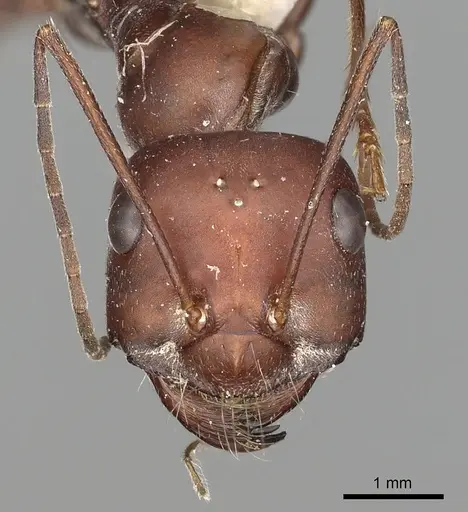
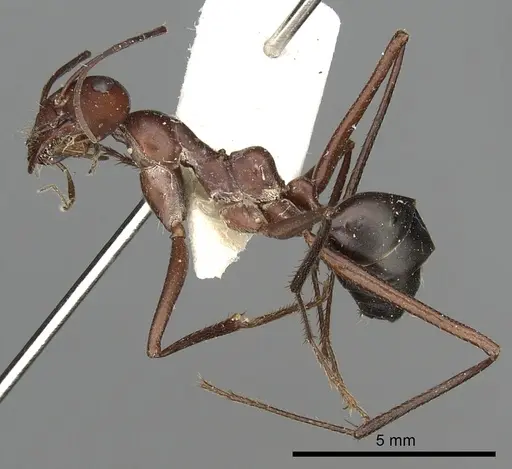
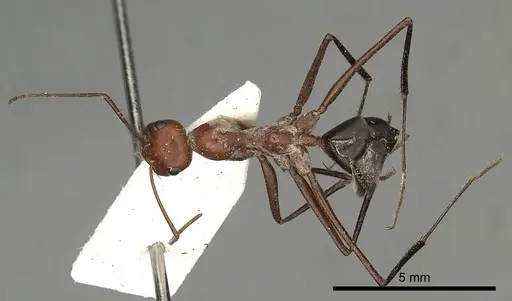
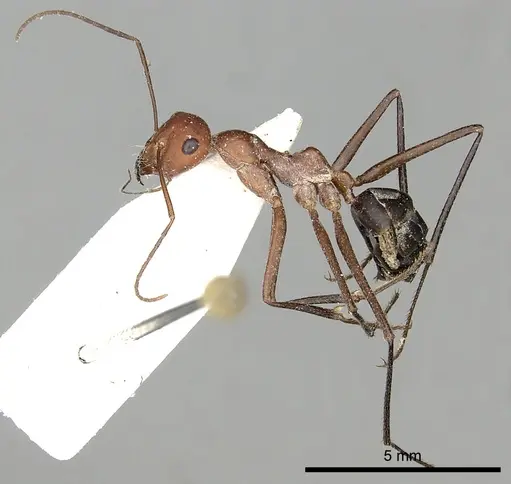
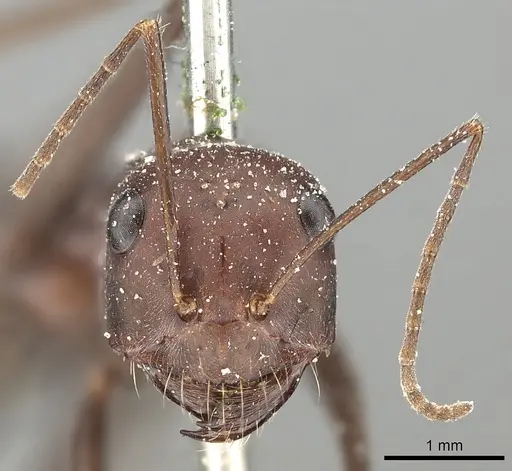
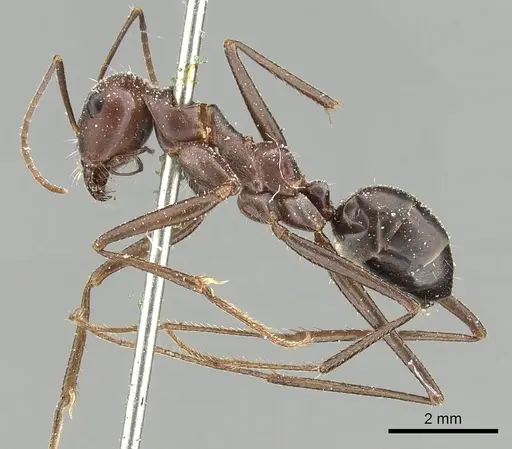
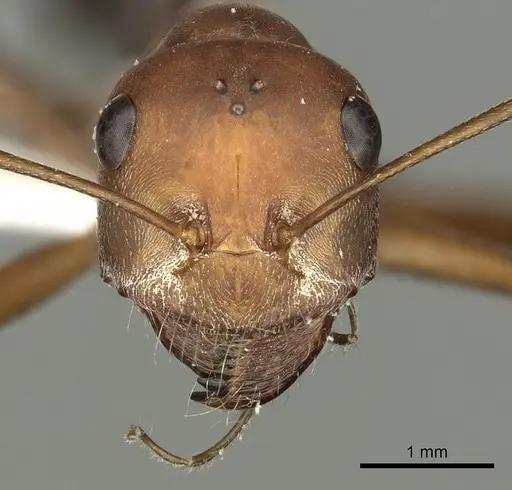
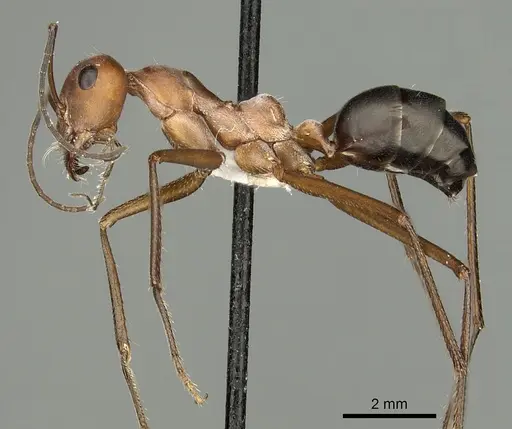
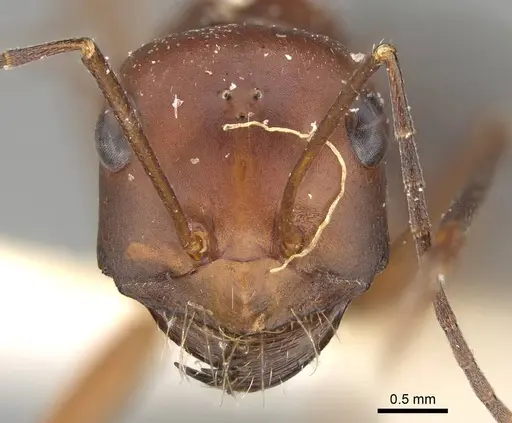
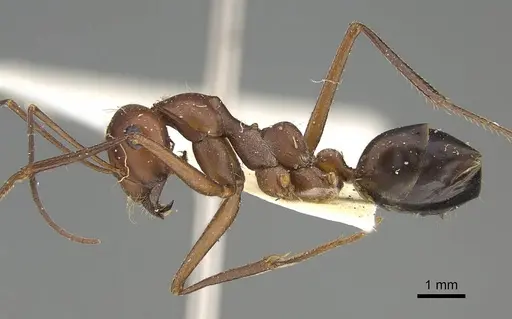
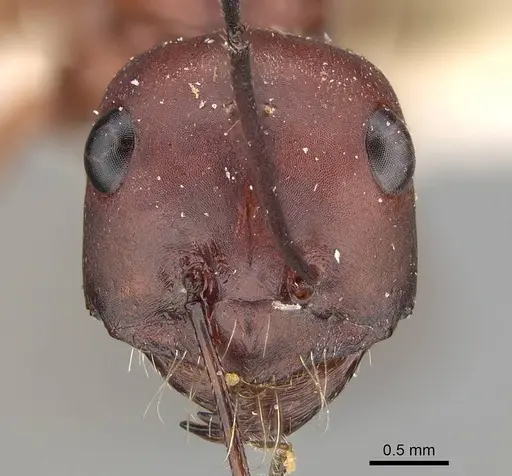
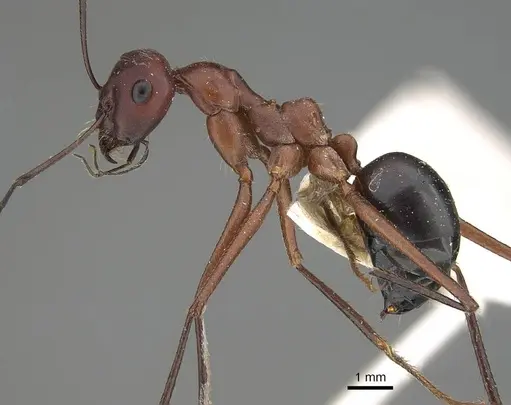
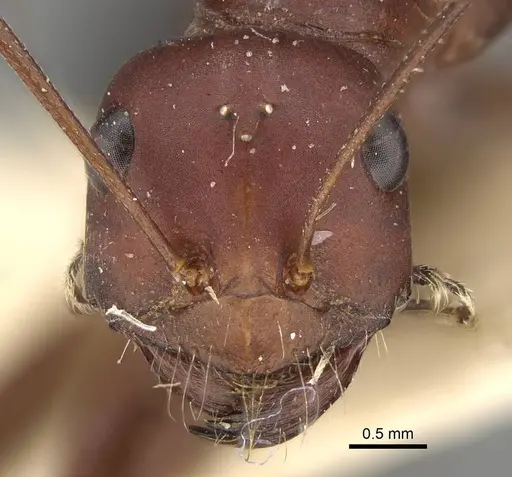
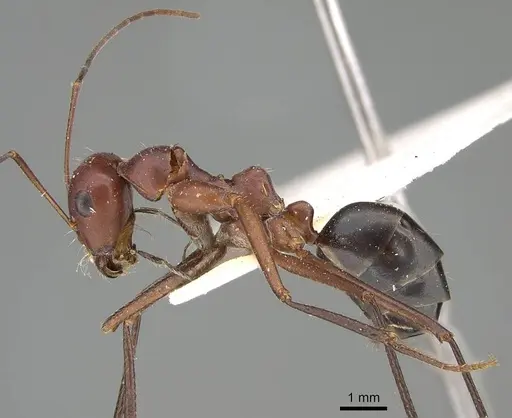
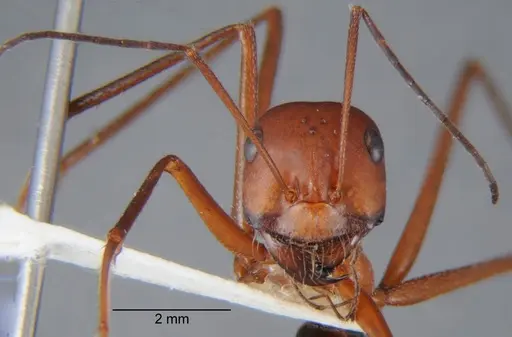
Cataglyphis urens is a striking bright red desert ant native to the Arabian Peninsula. Workers have a distinctive high-raised propodeum (the body section between the thorax and abdomen) that meets the declivity at a rounded right angle. The head and mesosoma are dark red while the gaster ranges from dark brown to black, with brown-red legs and antennae. Workers measure approximately 5-7mm and display several pairs of sparse hairs on the head, mesosoma, petiole, and abdominal segments [1]. This species has been recorded only from Saudi Arabia, Oman, United Arab Emirates, and Yemen, making it a true endemic of the Arabian Peninsula [2][3]. The ant inhabits desert and semi-desert environments, including wadis (desert valleys), irrigated sand dunes, and tamarisk parks in southern and southwestern Arabia below 25°30'N latitude [4].
Quick Summary
- Difficulty: Medium
- Origin & Habitat: Native to the Arabian Peninsula, Saudi Arabia, Oman, UAE, and Yemen. This is a desert species found in wadis, irrigated sand dunes, desert areas, and tamarisk parks in the southern and southwestern regions [3][2]. They prefer hot, arid environments with sparse vegetation.
- Colony Type: Monogyne (single queen colonies), based on typical genus patterns for Cataglyphis. Colony size reaches several hundred workers in established colonies.
- Colony: Monogyne
- Founding: Claustral
- Size & Growth:
- Queen: Estimated 8-10mm based on genus patterns for medium-sized Cataglyphis species
- Worker: Approximately 5-7mm [1]
- Colony: Estimated 200-500 workers based on related species
- Growth: Moderate, typical for desert Formicinae
- Development: Estimated 6-10 weeks at optimal temperature based on genus-level data for Cataglyphis (Development time is temperature-dependent, warmer conditions within safe range may accelerate development)
- Antkeeping:
- Temperature: Keep at 26-32°C (warm desert conditions). Provide a thermal gradient so ants can self-regulate. Heating cable on one side of the nest works well
- Humidity: Low to moderate humidity (30-50%). These are desert ants adapted to dry conditions. Keep nest substrate relatively dry with occasional misting for moisture
- Diapause: Likely reduced activity during winter months but may not require full hibernation given their tropical/subtropical origin. Keep at room temperature (18-22°C) during winter with reduced feeding
- Nesting: Y-tong (AAC) nests or plaster nests work well. Provide dry to slightly moist substrate. Avoid overly humid conditions. Natural setups with sand and minimal moisture mimic their desert habitat
- Behavior: Workers are fast-moving and diurnal, foraging during the cooler parts of the day in their natural desert habitat. They are generalist scavengers and predators, typical of the Cataglyphis genus. Workers likely use visual navigation (known in related desert Cataglyphis species) to forage across long distances. Moderate escape risk, use standard barrier methods. They may be defensive when threatened but are not particularly aggressive toward keepers. Their bright coloration serves as a warning display.
- Common Issues: overheating is a major risk, desert ants tolerate heat but direct sunlight or heating pads can kill colonies, too much humidity causes problems, these are adapted to dry conditions and mold can kill them, slow founding phase, queens may take 6-10 weeks to produce first workers, patience is required, escape prevention, workers are small enough to slip through standard barriers if not careful, wild-caught colonies may be stressed from collection and transport, high initial mortality possible
Housing and Nest Setup
Cataglyphis urens thrives in dry to moderately humid setups that mimic their desert homeland. Y-tong (acrylic) nests work well for this species, the narrow chambers help maintain appropriate humidity levels. Plaster nests are also suitable, but avoid materials that retain excessive moisture. The nest should have a temperature gradient of roughly 26-32°C, achieved with a heating cable placed on one side of the nest. Place the heating cable on TOP of the nest, not underneath, to prevent excessive drying and moisture evaporation. The outworld can be kept at room temperature. Provide a water tube with fresh water always available. For substrate in the outworld, use sand or a sand-soil mix that drains quickly, these ants are not suited to damp, compact substrates. Escape prevention is important given their small size, use fluon on container edges and ensure all openings are sealed.
Feeding and Diet
In the wild, Cataglyphis ants are generalist scavengers and predators, foraging for dead insects, nectar, and small arthropods. In captivity, offer a varied diet: protein sources like small crickets, mealworms, fruit flies, and other small insects should be provided 2-3 times per week. Sugar water, honey, or diluted nectar should be available constantly, these ants readily accept carbohydrate sources. Fresh water must always be accessible. Given their desert origin, they may have higher water requirements than temperate species, so ensure hydration is always available. Remove uneaten prey after 24-48 hours to prevent mold growth in the nest. Avoid overfeeding, excess food decomposes and creates humidity problems.
Temperature and Seasonal Care
As a desert species from the Arabian Peninsula, C. urens requires warm conditions. Maintain nest temperatures between 26-32°C for optimal brood development. A heating cable on one side of the nest creates the necessary gradient. During winter months or if room temperature drops below 20°C, reduce heating but maintain at least 18°C. Unlike temperate species, full hibernation is not required, these ants originate from a region with mild winters. Simply reduce feeding frequency and allow the colony to slow down naturally. Avoid temperatures above 35°C as this can stress or kill colonies. Monitor worker activity levels, if they cluster near the heated area, temperature is appropriate, if they avoid the heated section, reduce heat slightly.
Colony Founding
The founding phase requires patience. A claustral queen (one who seals herself in and raises her first workers alone without foraging) will find a suitable chamber and seal the entrance. She relies entirely on stored fat reserves to survive and feed her first brood. During this time, do not disturb the queen or open the founding chamber. The founding chamber should be kept slightly moist but not wet. First workers (nanitics) will appear after approximately 6-10 weeks, depending on temperature. Once workers emerge, the colony can be connected to an outworld and feeding can begin. Do not feed during the founding phase, the queen does not leave to forage. Avoid checking on the queen too frequently as disturbance can cause her to abandon or eat her brood.
Behavior and Temperament
Cataglyphis urens workers are diurnal foragers, active during the day when temperatures are tolerable. In the wild, these ants are known for their long-distance foraging and visual navigation abilities, they can travel significant distances from the nest to find food. Workers are fast-moving and alert. They are not particularly aggressive but will defend the nest if threatened. The bright red coloration serves as an aposematic (warning) display. When keeping this species, expect active foraging behavior once the colony is established. They will readily scavenge protein and collect sugar sources. Provide enrichment in the outworld, small rocks, fake plants, or other structures give foragers things to explore. Handle with care during nest transfers as they can slip through small gaps easily.
Frequently Asked Questions
How long does it take for Cataglyphis urens to produce first workers?
Expect first workers (nanitics) to emerge after 6-10 weeks from the time the queen seals herself in. This timeline depends on temperature, warmer conditions within the safe range (26-32°C) tend to speed up development. Be patient during founding and avoid disturbing the queen unnecessarily.
What temperature do Cataglyphis urens need?
Keep nest temperatures between 26-32°C. Use a heating cable on one side of the nest to create a gradient. These desert ants need warmth to thrive, but avoid direct heat that could overheat or dry out the colony.
Do Cataglyphis urens need hibernation?
Full hibernation is not required. These ants come from the Arabian Peninsula where winters remain mild. Simply reduce temperatures to around 18-22°C during winter months and reduce feeding frequency. They may slow down naturally but stay active year-round.
What do Cataglyphis urens eat?
They are generalist feeders. Offer small insects (crickets, mealworms, fruit flies) as protein 2-3 times per week. Keep sugar water, honey, or nectar available constantly. Fresh water must always be accessible.
Are Cataglyphis urens good for beginners?
This species is rated as medium difficulty. The main challenges are providing appropriate warm, dry conditions and being patient through the slow founding phase. Experienced antkeepers who can maintain proper temperature and humidity will have success. Beginners may struggle with the specific humidity requirements and the wait time for first workers.
How big do Cataglyphis urens colonies get?
Based on related species, expect colonies to reach 200-500 workers over time. Growth is moderate, these are not fast-growing species but can become substantial colonies with proper care over 1-2 years.
Can I keep multiple Cataglyphis urens queens together?
No. This species is monogyne (single queen). Multiple unrelated queens will fight. Only keep one queen per colony. If you find a queen, house her alone in a founding setup until workers emerge.
Why is my Cataglyphis urens colony dying?
Common causes include: too much humidity (desert species rot easily in damp conditions), temperatures too low (they need warmth), disturbance during founding (queens may eat brood if stressed), or poor escape prevention leading to colony loss. Check your humidity levels first, overwatering is the most common killer of desert ant colonies.
When should I move Cataglyphis urens to a formicarium?
Wait until the colony has at least 20-30 workers before moving to a larger formicarium. The founding test tube should remain as the nest until it becomes too crowded or the water reservoir is exhausted. Moving too early can stress the colony. A Y-tong nest works well once the colony is established.
What humidity level do Cataglyphis urens need?
Keep humidity low to moderate, around 30-50%. These are desert-adapted ants that suffer from excessive moisture. The nest substrate should be relatively dry, damp but not wet. Avoid misting the nest directly, instead, maintain humidity through a water tube or small water reservoir connected to the nest.
References

This caresheet is licensed under CC BY-SA 4.0 .
CASENT0249844
View on AntWeb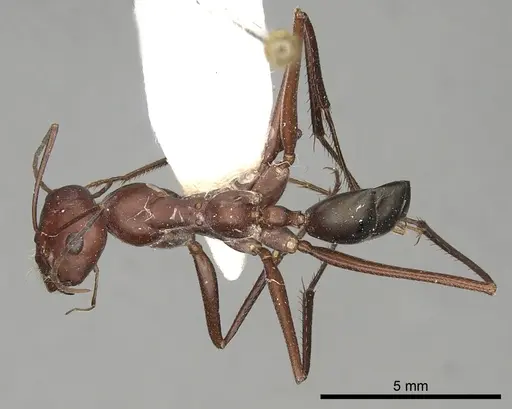
CASENT0249845
View on AntWeb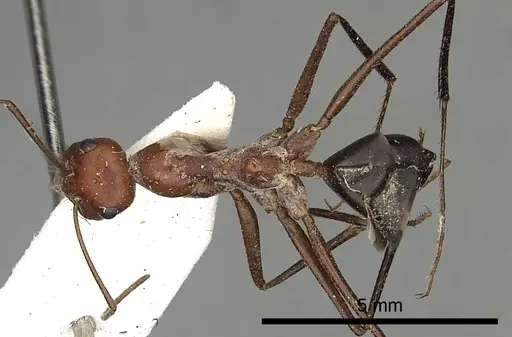


CASENT0249846
View on AntWeb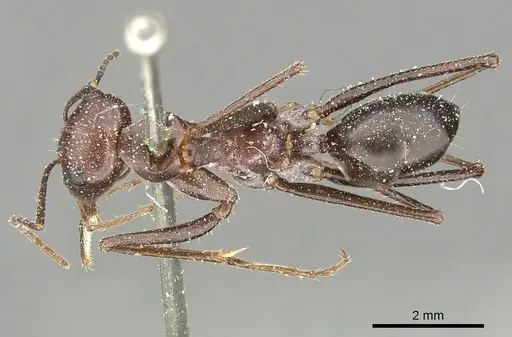
CASENT0280327
View on AntWeb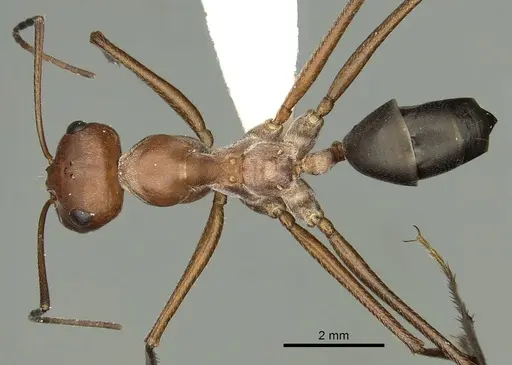
CASENT0922339
View on AntWeb
CASENT0922340
View on AntWeb
CASENT0922341
View on AntWeb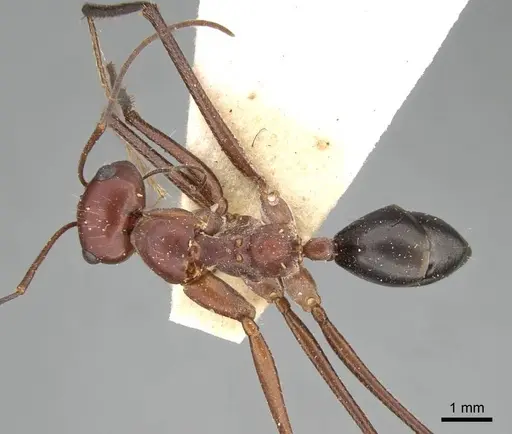
CDA000060
View on AntWeb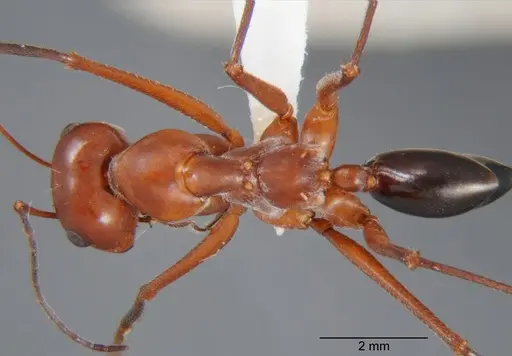

Literature
Loading...Loading products...