

Cataglyphis savignyi
- Scientific Name
- Cataglyphis savignyi
- Tribe
- Formicini
- Subfamily
- Formicinae
- Author
- Dufour, 1862
- Distribution
- Found in 7 countries
Cataglyphis savignyi Overview
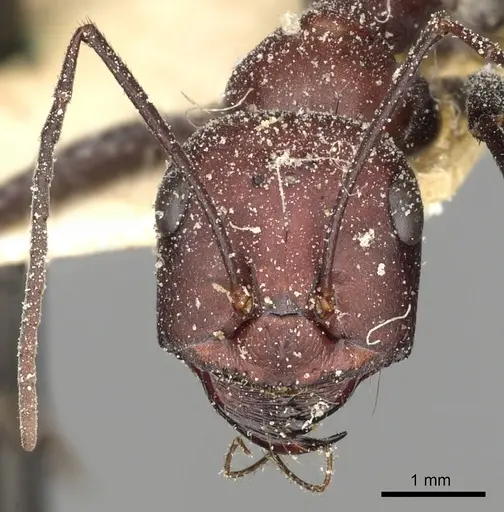
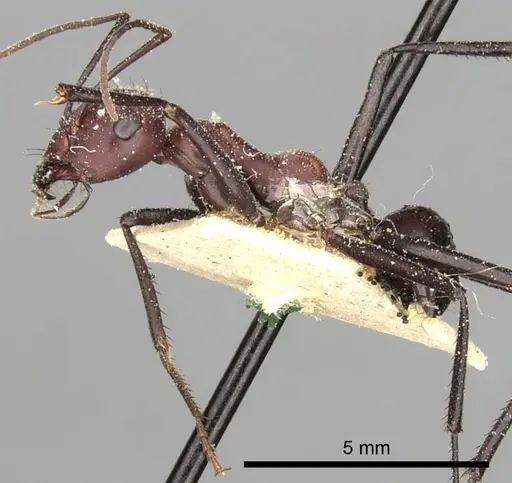
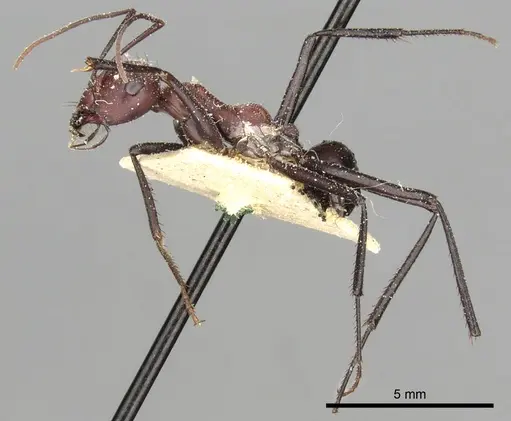
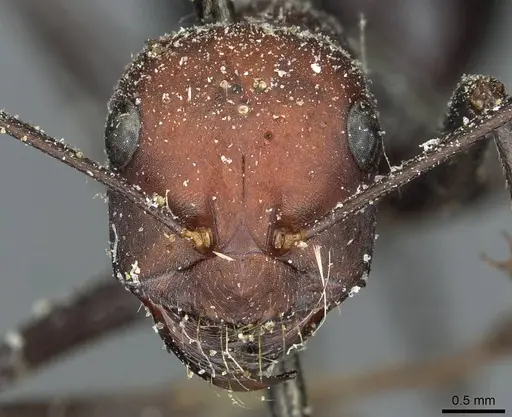
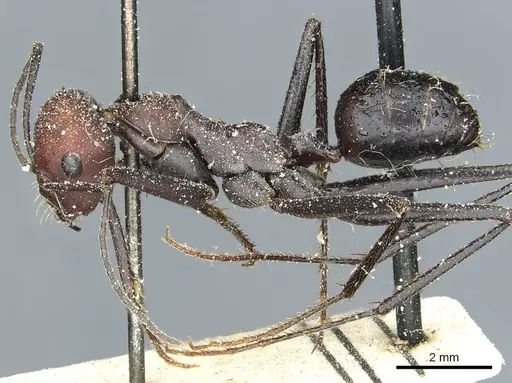
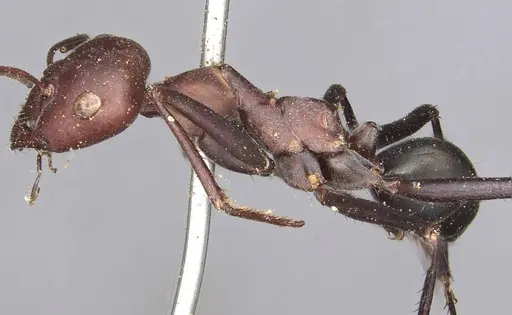
Cataglyphis savignyi is an ant species of the genus Cataglyphis. It is primarily documented in 7 countries , including Algeria, Egypt, Israel. Detailed taxonomic data and occurrence records can be further explored via authoritative databases such as AntWeb or the Global Biodiversity Information Facility (GBIF).
Cataglyphis savignyi
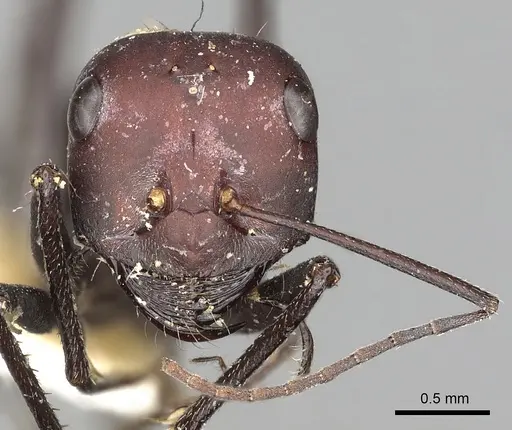
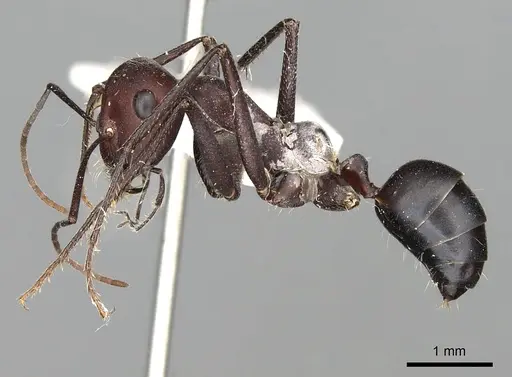
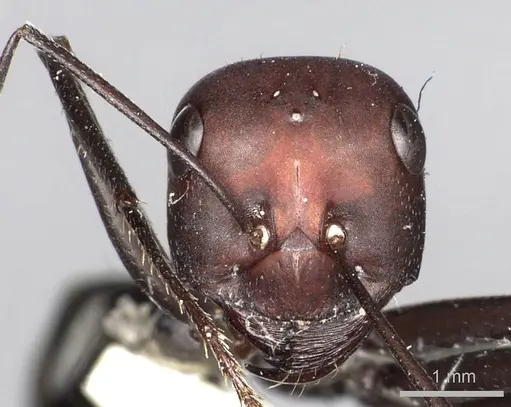
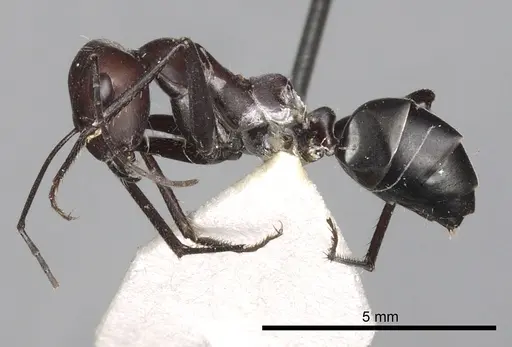
Cataglyphis savignyi is a medium-sized desert ant belonging to the bicolor species group, found across North Africa and the Middle East in extreme arid habitats [1]. Workers measure around 2mm in head width with noticeable size variation within colonies, they are polymorphic with some workers significantly larger than others [2]. The species has a wide distribution spanning from Morocco and Tunisia through Egypt, Israel, Oman, and into Mali, living in some of the hottest and driest environments on Earth [3][4]. This ant is a thermophilic scavenger that forages solitarily for dead arthropods, actively hunting during the hottest parts of the day when other ants stay hidden [5]. What makes C. savignyi particularly interesting is its extremely high mating frequency, queens mate with up to 14 males on average, the highest recorded level of polyandry in the genus [6]. It coexists with its sister species C. bicolor in parts of Tunisia but is subordinate in direct encounters, winning only 2% of laboratory interactions [5].
Quick Summary
- Difficulty: Medium
- Origin & Habitat: North Africa and Middle East, extreme arid habitats across the northern fringe of the Sahara desert including Algeria, Egypt, Israel, Oman, UAE, Tunisia, Morocco, and Mali [3][4][7]. Inhabits dry steppe vegetation and sandy areas along coast extending to desert regions [5][8].
- Colony Type: Strictly monogynous, single queen per colony confirmed through genetic analysis across multiple nests [9][10]. Some populations show polydomous behavior (multiple nest sites) while others are monodomous (single nest) [11][5].
- Colony: Monogyne
- Founding: Claustral
- Size & Growth:
- Queen: Queen head width 2.88mm [2]. Estimated 10-12mm total length based on genus patterns.
- Worker: Worker head width 1-3mm with mean 2.04±0.52mm, showing polymorphism [2][12].
- Colony: Up to 536 workers per colony (mean 536.2±55.9) [9].
- Growth: Moderate, based on typical Cataglyphis development patterns.
- Development: Estimated 6-10 weeks at optimal temperature based on genus-level data for related Cataglyphis species [6]. (Development time is inferred from related species in the bicolor group. Queens mate with multiple males which may influence colony dynamics.)
- Antkeeping:
- Temperature: Critical thermal maximum 52-53°C, they are extreme thermophiles [5]. Keep nest area at 28-35°C with a thermal gradient allowing warmer areas. They naturally forage in temperatures exceeding 30°C so provide warmth. Use heating cable on one side of nest if room temperature is below 25°C.
- Humidity: Low humidity preference, desert species adapted to arid conditions. Keep nest substrate moderately dry, not moist. Provide a small water tube but avoid damp conditions. Ensure some ventilation to prevent mold.
- Diapause: Likely requires winter rest period. Based on temperate North African distribution, provide 2-3 months of reduced temperatures (10-15°C) during winter months [1].
- Nesting: Desert species that naturally nests in soil/sand. Use a naturalistic setup with sandy substrate or a Y-tong/plaster nest with dry conditions. Provide a shallow foraging area with access to heat. They prefer tight chambers scaled to their size.
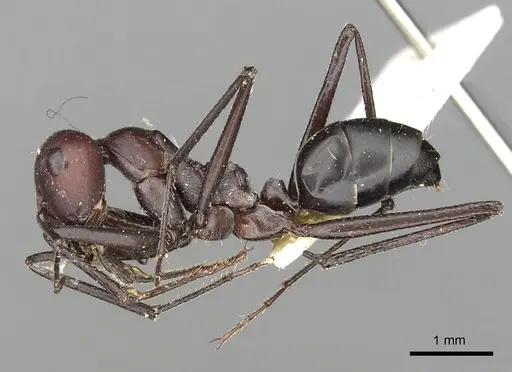
- Behavior: Highly active thermophilic foragers that venture out during the hottest parts of the day [5]. They are solitary foragers, they do not use scent trails and each ant searches independently for dead insects and other protein sources [13]. Workers are fast runners with relatively small abdomens and thin cuticle [12]. They lack a sting but may use formic acid spray as defense. Escape risk is moderate, use standard barriers but they are not particularly small. They are subordinate to C. bicolor in direct interactions and may flee when confronted by more aggressive ants [5].
- Common Issues: desert species may die if kept too moist or in humid environments, slow colony growth compared to tropical species may frustrate beginners, queen can mate with multiple males, colony will have high genetic diversity but this is natural, may struggle if temperatures are too cool, they need warmth to forage, wild-caught colonies may have parasites that require treatment
Nest Preferences and Housing
Cataglyphis savignyi naturally nests in desert soil, often under stones or in open sandy areas [1]. In captivity, they do well in naturalistic setups with sandy substrate or Y-tong/plaster nests designed for desert species. The key is to provide DRY conditions, this is not a humidity-loving species. Use a substrate that drains quickly and avoid compacted damp soil. Provide a thermal gradient within the nest using a heating cable on one side, allowing ants to regulate their temperature. Since they are polydomous in some populations, they may use multiple chambers within the nest [5]. The foraging area should be shallow and easy to heat, as these ants naturally forage on hot desert surfaces.
Feeding and Diet
In the wild, C. savignyi is a thermophilic scavenger that collects dead arthropods and other protein sources [5][13]. They are solitary foragers, each worker searches independently rather than using scent trails. In captivity, offer protein-rich foods like small insects (fruit flies, small crickets, mealworms), and provide a constant sugar source (honey water or sugar water). They are not specialized predators but will accept most insect prey. Feed them every 2-3 days, removing uneaten prey after 24 hours. Since they are active foragers, ensure food is accessible in the foraging area. Avoid overfeeding as it can lead to mold in their dry nest environment.
Temperature Requirements
This species is an extreme thermophile with a critical thermal maximum of 52-53°C [5]. They naturally forage in temperatures exceeding 30°C and are most active during the hottest parts of the day. Keep the nest at 28-35°C with a gradient, warmer on one side, cooler on the other. A heating cable placed on top of the nest (not underneath to avoid drying) works well. Room temperature of 25°C or above is ideal, below 20°C may reduce activity significantly. The post-foraging body temperature of workers averages 32.9°C, showing how heat-adapted they are [5]. During winter, they benefit from a cool period but not true hibernation.
Behavior and Foraging
C. savignyi workers are highly gracile, fast-running ants with relatively small abdomens and thin cuticle [12]. They forage solitarily without using scent trails, each ant conducts independent searches of the surrounding area [13]. Foraging trips can extend up to 21m from the nest entrance, with 90% of activity within this radius [5]. They are subordinate to the more aggressive C. bicolor and employ a 'flee and return' strategy when displaced from food sources, fleeing approximately 60cm before circling back [5]. Workers lack a sting but can defend using formic acid. They are not aggressive toward keepers and pose no danger. Escape prevention is standard, they are moderate-sized ants, not particularly prone to escaping like tiny species.
Colony Structure and Reproduction
C. savignyi is strictly monogynous, each colony has exactly one queen, confirmed through genetic analysis of multiple nests [9][10]. Queens have one of the highest mating frequencies in ants, mating with 6-14 males (mean 9.7), this is the highest level of polyandry recorded in the genus Cataglyphis [6][9]. This means colonies have high genetic diversity. Workers can reproduce through thelytokous parthenogenesis in queenless conditions, producing both males and females [10]. Colony size reaches around 500-600 workers [9]. In some populations (coastal Israel), colonies are polydomous with multiple nest sites, while inland populations are typically monodomous [11].
Frequently Asked Questions
Is Cataglyphis savignyi good for beginners?
This species is rated as medium difficulty. While not as challenging as some specialized predators, they do have specific needs, primarily warmth and dry conditions. Beginners should be prepared to provide heating and understand that desert species have different humidity requirements than tropical ants. Their moderate colony size and relatively slow growth may require patience.
What temperature do Cataglyphis savignyi need?
Keep them warm, aim for 28-35°C within the nest with a thermal gradient. They are extreme thermophiles with a critical thermal maximum of 52-53°C, so they can handle significant heat [5]. A heating cable on part of the nest works well. Room temperature below 20°C will reduce their activity significantly.
How big do Cataglyphis savignyi colonies get?
Colonies reach around 500-600 workers on average [9]. This is moderate compared to some other Cataglyphis species. Growth is moderate, expect several months to a year to reach 100 workers from a founding colony.
Can I keep Cataglyphis savignyi in a test tube?
Yes, initially for the founding queen. Use a standard test tube setup with a water reservoir. However, once the colony reaches 50+ workers, transfer to a more naturalistic setup or Y-tong nest with dry substrate. They need space to forage and prefer dry conditions that test tubes may not provide long-term.
How long does it take for Cataglyphis savignyi to produce first workers?
Estimated 6-10 weeks from egg to first worker at optimal temperature, based on related Cataglyphis species in the bicolor group [6]. This is typical for the genus. The first workers (nanitics) will be smaller than mature workers.
Do Cataglyphis savignyi need hibernation?
Based on their North African and Middle Eastern distribution, they likely benefit from a winter rest period of 2-3 months at reduced temperatures (10-15°C) [1]. This mimics their natural seasonal cycle. Do not keep them warm year-round.
Why is my Cataglyphis savignyi colony declining?
Common issues include: too much humidity (desert species need dry conditions), temperatures too cool (they need warmth to be active), overfeeding leading to mold, or parasites from wild-caught colonies. Ensure proper heating, dry nest substrate, adequate ventilation, and remove uneaten food promptly.
References

This caresheet is licensed under CC BY-SA 4.0 .
CASENT0249847
View on AntWeb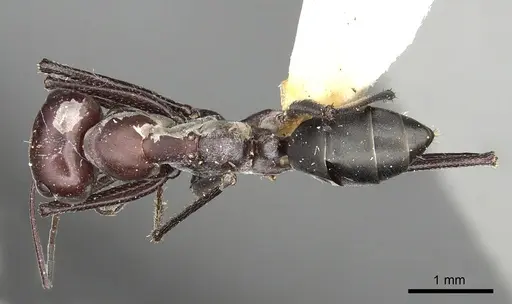
CASENT0249848
View on AntWeb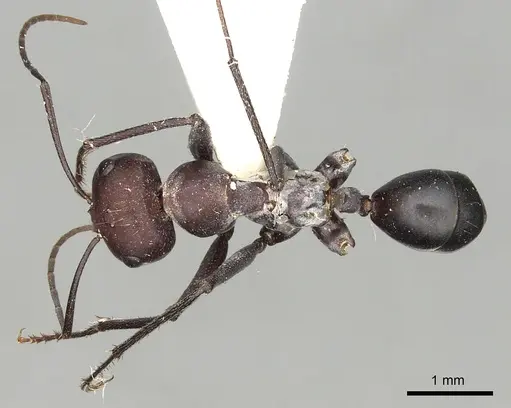

CASENT0249849
View on AntWeb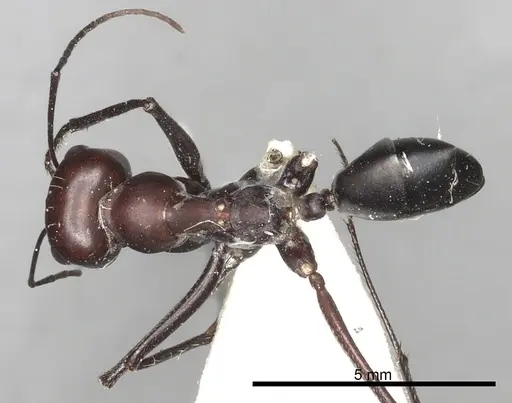
CASENT0249854
View on AntWeb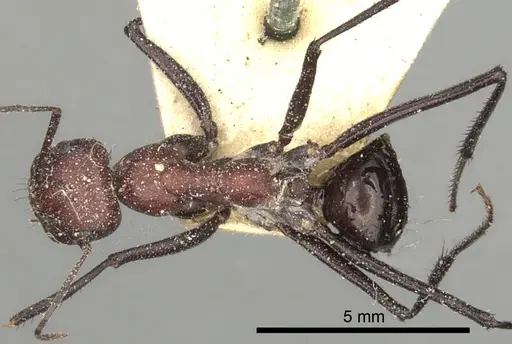

CASENT0280331
View on AntWeb
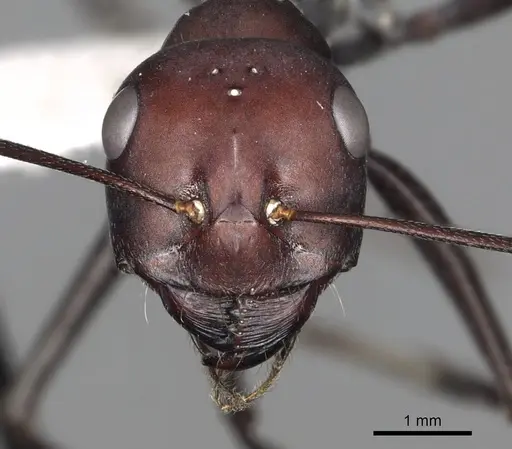

CASENT0823303
View on AntWeb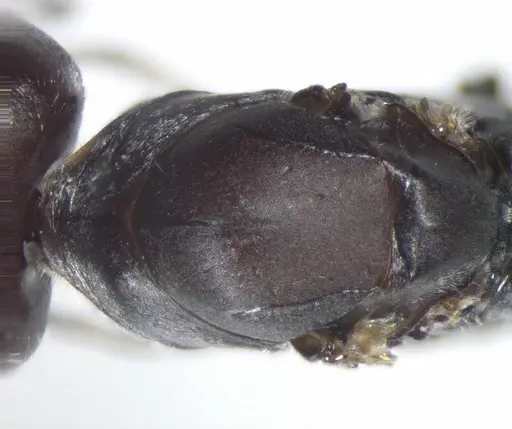
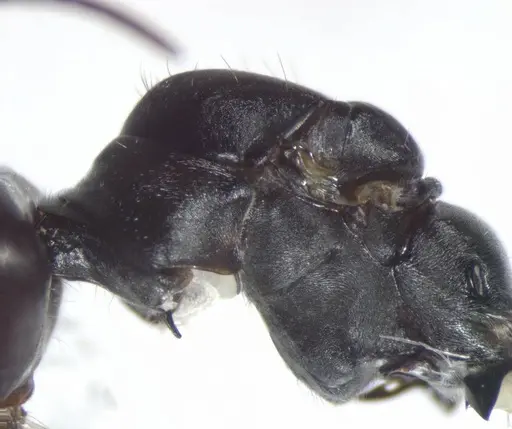
CASENT0912229
View on AntWeb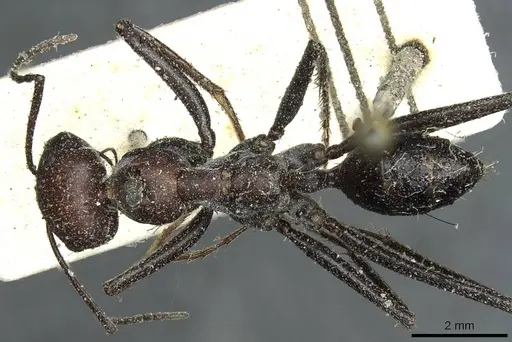
CASENT0915501
View on AntWeb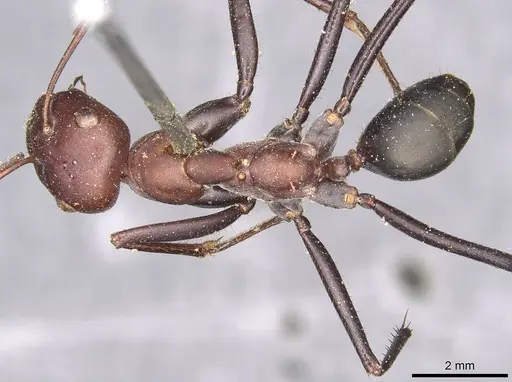

Literature
Loading...Loading products...