

Cataglyphis rosenhaueri
- Scientific Name
- Cataglyphis rosenhaueri
- Tribe
- Formicini
- Subfamily
- Formicinae
- Author
- Santschi, 1925
- Distribution
- Found in 1 countries
Cataglyphis rosenhaueri Overview
Cataglyphis rosenhaueri is an ant species of the genus Cataglyphis. It is primarily documented in 1 countries , including Spain. Detailed taxonomic data and occurrence records can be further explored via authoritative databases such as AntWeb or the Global Biodiversity Information Facility (GBIF).
Cataglyphis rosenhaueri
Cataglyphis rosenhaueri is a medium-sized desert ant endemic to the Iberian Peninsula, where it inhabits hot, open Mediterranean habitats across southern and central Spain [1][2]. Workers measure 4.5-7.5mm with relatively low size polymorphism compared to related species like C. velox, and display a distinctive reddish head and thorax with a darker abdomen [3]. This species is a heat specialist, remaining active during the hottest parts of the day when other ants have seek shelter, with workers raising their abdomen to protect vital organs from extreme ground temperatures as high as 55°C [4][5]. As a subordinate species in Mediterranean ant communities, it forages solitarily for dead insects and nectar, avoiding competition with more dominant ants by exploiting the hottest periods when competitors are inactive [6][7].
Quick Summary
- Difficulty: Medium
- Origin & Habitat: Iberian Peninsula (Spain, Portugal), endemic to the region. Inhabits hot, open Mediterranean habitats including olive orchards, grasslands, and arid zones with sparse vegetation cover [8][9]. Found from sea level up to around 1300m elevation in some areas like Sierra Nevada [10].
- Colony Type: Monogynous (single queen) colonies with monodomous (single nest) structure. Colonies contain hundreds of workers, not large supercolonies [11][7][12].
- Colony: Monogyne
- Founding: Claustral
- Size & Growth:
- Queen: Unconfirmed, likely similar to related Cataglyphis species at 7-9mm
- Worker: 4.5-7.5mm [4][5][13]. Mean worker length around 5.7mm [7].
- Colony: Hundreds of workers (typically less than 500) [7][12].
- Growth: Moderate, inferred from related Cataglyphis species
- Development: 6-10 weeks estimated based on genus patterns for Mediterranean Cataglyphis (Direct development data unavailable, estimates based on related species in the genus)
- Antkeeping:
- Temperature: This is a critical species requirement. Keep nest area at 28-32°C with access to a warmer zone (up to 35°C) for thermoregulation. These ants are heat specialists, provide a thermal gradient allowing workers to warm themselves. Critical Thermal Maximum is 50°C, Maximal Activity Temperature is 44°C [14][15]. Room temperature alone is likely insufficient, supplemental heating is recommended.
- Humidity: Low to moderate. This is a xerophilic (dry-loving) species from arid Mediterranean habitats [8]. Keep nest substrate relatively dry with occasional moist areas. Avoid damp conditions that can cause mold.
- Diapause: Yes, likely requires winter rest period (diapause) from November-February, consistent with Mediterranean climate origin. Reduce temperature to 10-15°C during this period.
- Nesting: Shallow to moderate depth nests in open, sunny areas. In captivity, provide a naturalistic setup with a warm, dry nesting area. Y-tong or plaster nests work well. Ensure the nest area can be heated separately from the outworld.
- Behavior: Peaceful, non-aggressive toward humans. Workers are solitary foragers, they do not recruit nestmates to food sources [16]. They are active throughout the day, especially at midday when temperatures peak, which is unusual among ants. Workers raise their abdomen when hot to reduce body temperature by 5-8°C, a fascinating behavioral adaptation [4][5]. Escape risk is moderate, these are medium-sized ants but standard barrier precautions are sufficient. They close their nests at night [8].
- Common Issues: Heat requirements are critical, insufficient warming causes colony decline and workers may become inactive, Overheating is a real risk, provide a gradient so ants can choose their temperature, Solitary foraging means they may not quickly discover food, be patient, Wild colonies may have parasites, quarantine and observe new colonies, Low humidity is preferred, too much moisture causes problems
Temperature and Heating Requirements
This is the most critical aspect of keeping Cataglyphis rosenhaueri. These ants are extreme heat specialists native to the hot Mediterranean interior of Spain. In the wild, they remain active at ground temperatures that would kill most other ant species, their Critical Thermal Maximum (CTM) is 50°C and they reach peak activity at 44°C [14][15]. In captivity, you must provide warm conditions. Keep the nest area at 28-32°C as a baseline, with access to a warmer zone reaching 34-36°C. A heating cable or mat placed on one side of the nest creates the necessary thermal gradient. Without adequate heat, workers will become sluggish and the colony may fail to develop. However, always provide a cooler area so ants can self-regulate, they need to be able to move away from direct heat when too warm. The fascinating behavioral adaptation these ants use in the wild is raising their abdomen when the ground is hot, which lowers their internal temperature by 5-8°C by creating air circulation [4][5]. In captivity, ensure the outworld is also warm so workers can forage comfortably.
Feeding and Diet
Cataglyphis rosenhaueri is primarily a scavenger and predator of small arthropods. Their diet in the wild consists mainly of dead insects (zoonecrophagous), with 98% of prey weighing less than 10mg [4]. They also consume nectar and honeydew, making them opportunistic feeders [8][17]. In captivity, offer small live prey such as fruit flies, small crickets, and mealworms. They will also accept sugar water or honey as an energy source. Feed protein (insects) 2-3 times per week and provide a constant sugar source. These are solitary foragers, workers search for food alone and do not recruit nestmates [16]. This means food may sit unnoticed for a while until a forager happens upon it. Remove uneaten prey after 24-48 hours to prevent mold. The workers are relatively small (4.5-7.5mm), so prey items should be appropriately sized, tiny insects are better than large ones.
Nest Preferences and Setup
In the wild, Cataglyphis rosenhaueri builds shallow to moderately deep ground nests, typically 0.5-1 meter deep [18]. They prefer open, sunny locations with sparse vegetation cover, this is a thermophilic species that thrives in hot, exposed habitats [8][9]. They avoid densely covered areas and are not found near the coast [4]. In captivity, provide a naturalistic setup with a warm, dry nesting area. Y-tong (acrylic) nests work well, or you can use a plaster nest with a heating option. The nest should have narrow chambers appropriate for their size. Place the entire setup in a warm room or provide dedicated heating. These ants close their nest entrance at night [8], so they prefer dark, secure nesting chambers. Ensure good escape prevention, while not tiny, standard barriers are still needed.
Seasonal Care and Activity Patterns
This species follows a distinct seasonal activity pattern tied to temperature. Workers are almost absent in autumn when temperatures drop too low during most of the day [6]. They are most active during summer months (peak activity in July) when temperatures are highest [7]. Their daily activity rhythm is strictly diurnal, with peak foraging at midday when other ant species have retreated to shade [6][4]. For captive care, expect reduced activity in winter. Provide a diapause (winter rest) period from roughly November to February, keeping the colony at 10-15°C in a cool location like an unheated garage or refrigerator. Reduce feeding during this time. In spring and summer, when temperatures rise, activity will increase dramatically. The colony should be kept warm during the active season (roughly March through October) to support brood development and worker foraging.
Behavior and Foraging
One of the most fascinating aspects of Cataglyphis rosenhaueri is their unique behavioral adaptation to extreme heat. When ground temperatures exceed 50°C, workers raise both their head and abdomen 0.2-0.4mm higher than similar-sized ants of related species [4][5]. This simple behavior lowers the temperature at their gaster (where vital organs are) by 6-7°C compared to if they kept their body flat, effectively a built-in cooling system [5]. They are solitary foragers, meaning each worker searches for food independently without recruiting nestmates [16]. Workers can travel up to 21 meters from the nest on foraging trips lasting up to 42 minutes [4][5]. They move at speeds of about 1.0-1.2 meters per minute. As a subordinate species in Mediterranean ant communities, they avoid competition by foraging during the hottest times when dominant species are inactive [6]. They are not aggressive and rarely defend food resources, only their nest [7].
Frequently Asked Questions
How long does it take for Cataglyphis rosenhaueri to produce first workers?
Direct data is not available, but based on related Mediterranean Cataglyphis species, expect 6-10 weeks from egg to worker at optimal temperatures (around 30°C). Growth is moderate, colonies remain relatively small, typically reaching only a few hundred workers.
What temperature do I need to keep Cataglyphis rosenhaueri?
Keep nest at 28-32°C with access to warmer zones up to 35-36°C. These are extreme heat specialists, they are active at temperatures that kill other ants. A thermal gradient is essential so they can regulate their own temperature.
Can I keep multiple Cataglyphis rosenhaueri queens together?
No. This species is monogynous, colonies have a single queen. Multiple unrelated queens will fight. Only introduce a queen to an established colony if you are attempting pleometrosis (multiple queen founding), which has not been documented for this species.
Are Cataglyphis rosenhaueri good for beginners?
Medium difficulty. The main challenge is providing adequate heat, they need warmer conditions than most common pet ants. If you can provide a heated setup and understand their unique heat-adapted behavior, they are rewarding. Their small colony size and peaceful nature make them manageable.
What do Cataglyphis rosenhaueri eat?
They are primarily scavengers eating dead insects, but also accept nectar and sugar water. Feed small live prey (fruit flies, small crickets, mealworms) 2-3 times weekly and provide constant access to sugar. Prey should be tiny, 98% of their wild prey weighs less than 10mg.
Do Cataglyphis rosenhaueri need hibernation?
Yes, they benefit from a winter rest period. In their native Mediterranean climate, they experience cooler winters with reduced activity. Keep them at 10-15°C from November to February, reducing food offerings. This diapause period supports healthy colony cycles.
How big do Cataglyphis rosenhaueri colonies get?
Colonies remain relatively small, typically hundreds of workers, not thousands. Maximum is likely under 500 workers [7][12]. This is typical for Mediterranean Cataglyphis species.
When are Cataglyphis rosenhaueri most active?
They are most active during summer months, particularly July, and are strictly diurnal with peak foraging at midday when temperatures are highest. They are almost completely absent in autumn and winter due to the cold.
References

This caresheet is licensed under CC BY-SA 4.0 .
CASENT0823301
View on AntWeb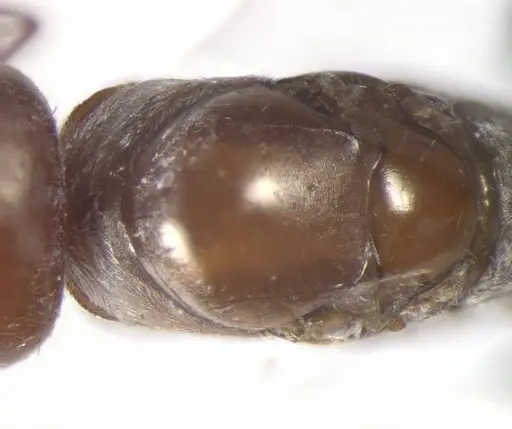
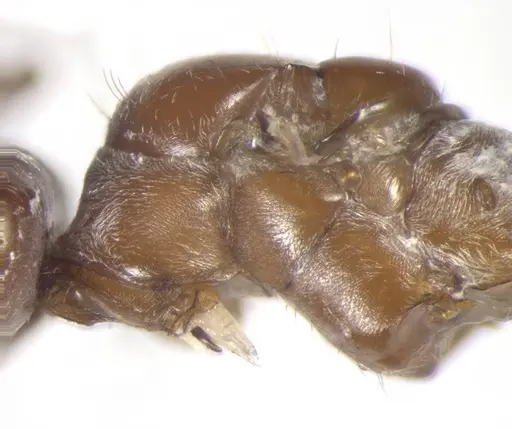
CASENT0905717
View on AntWeb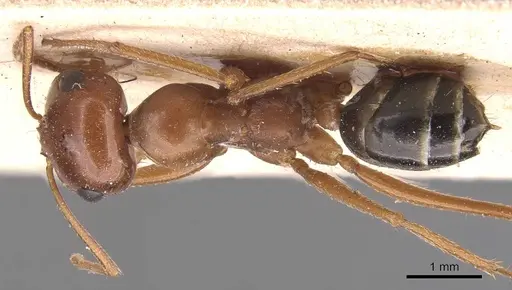


CASENT0906297
View on AntWeb


CASENT0912223
View on AntWeb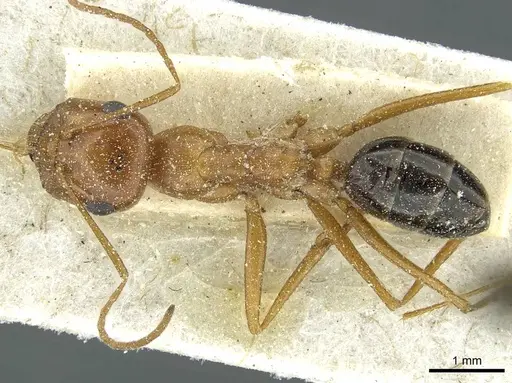


Literature
Loading...Loading products...