

Cataglyphis nigripes
- Scientific Name
- Cataglyphis nigripes
- Tribe
- Formicini
- Subfamily
- Formicinae
- Author
- Arnol'di, 1964
- Distribution
- Found in 3 countries
Cataglyphis nigripes Overview
Cataglyphis nigripes is an ant species of the genus Cataglyphis. It is primarily documented in 3 countries , including Armenia, Georgia, Iran. Detailed taxonomic data and occurrence records can be further explored via authoritative databases such as AntWeb or the Global Biodiversity Information Facility (GBIF).
Cataglyphis nigripes
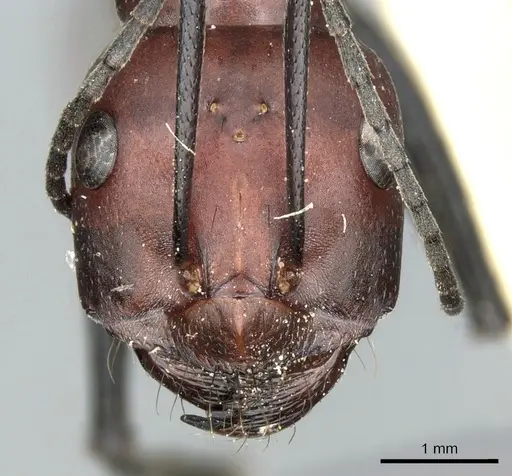
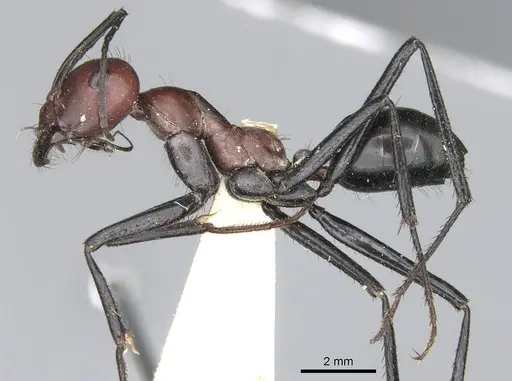
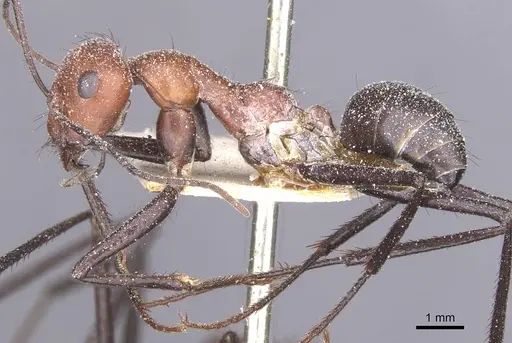
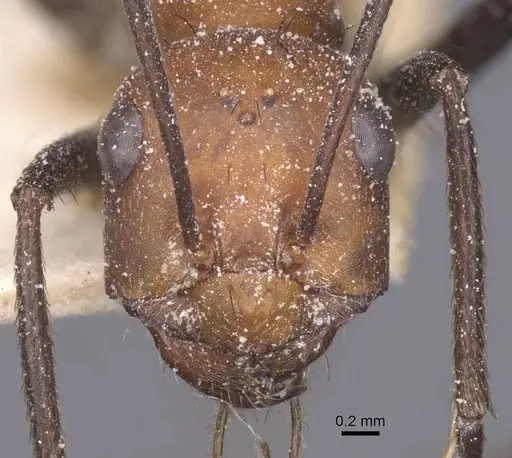
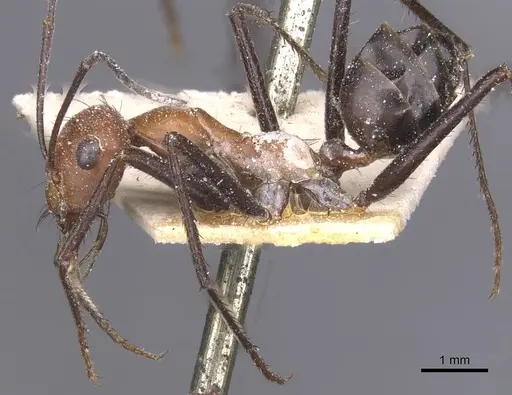
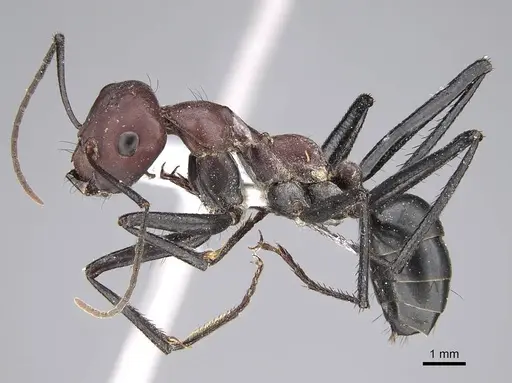
Cataglyphis nigripes is a medium-sized ant species belonging to the Formicinae subfamily. Workers are typically dark brown to black in coloration, with the characteristic long legs and fast-moving foraging behavior typical of the genus. This species is found across the Caucasus region and parts of the Middle East, particularly in Georgia, Armenia, and Iran where it inhabits mountainous agricultural areas at elevations between 1800-2100 meters [1]. The genus Cataglyphis is known for its desert-adapted species that forage during the hottest parts of the day, but C. nigripes appears to prefer cooler high-altitude habitats.
Quick Summary
- Difficulty: Medium
- Origin & Habitat: Native to the Palaearctic region, specifically found in Georgia, Armenia, and Iran. In Iran, specimens have been collected from walnut gardens and agricultural areas at elevations of 1882-2070 meters [1]. The species inhabits the Eldari Lowland and mountainous regions of Georgia, including areas around Tbilisi [2].
- Colony Type: Colony structure is unconfirmed. Based on typical Cataglyphis patterns, likely single-queen (monogyne) colonies, though this requires verification.
- Size & Growth:
- Queen: Estimated 10-12mm based on genus patterns, not directly documented for this species
- Worker: Estimated 5-8mm based on genus patterns, not directly documented for this species
- Colony: Unknown, no colony size data available for this species
- Growth: Moderate, based on typical Cataglyphis development patterns
- Development: Estimated 6-10 weeks based on related Cataglyphis species development (Development time is estimated from genus-level data since species-specific measurements are unavailable. Expect moderate growth rate typical of Formicinae.)
- Antkeeping:
- Temperature: Keep at 22-26°C. This species is adapted to high-altitude temperate climates and does not require extreme heat like some desert Cataglyphis species. Room temperature within this range is suitable.
- Humidity: Low to moderate. Provide a dry nest area with a small water reservoir. Avoid overly humid conditions, these ants prefer drier conditions similar to their natural habitat in semi-arid mountainous regions.
- Diapause: Yes. As a species from temperate regions (Georgia, Armenia), this ant requires a winter rest period. Provide 2-3 months of temperatures around 10-15°C during winter.
- Nesting: Use a dry nest setup. Y-tong (AAC), plaster, or acrylic nests work well. Ensure good ventilation while maintaining low humidity. Provide a temperature gradient allowing workers to choose their preferred warmth level.
- Behavior: Workers are active foragers, typical of the genus. They are fast-moving and will readily explore their outworld for food. This species is not particularly aggressive but workers will defend the colony if threatened. Escape prevention is important, ensure all connections are secure. They are diurnal foragers and will be most active during daylight hours.
- Common Issues: high-altitude origin means they may struggle in hot, humid conditions, keep them cool and dry, colony growth may be slow, patience is required during the founding stage, winter diapause is essential for long-term colony health, skipping hibernation can weaken colonies, escape prevention is important despite their moderate size, check all connections regularly, limited available information means some care aspects are based on genus patterns rather than species-specific studies
Natural History and Distribution
Cataglyphis nigripes is distributed across the eastern Mediterranean and western Asia regions. The species has been documented in Georgia (including the Eldari Lowland, Gardabani, areas around Tbilisi, and the Vashlovani Reserve), Armenia, and Iran [2][1]. In Iran, specimens have been collected from agricultural areas in the Chaharmahal va Bakhtiari Province at elevations between 1882-2070 meters above sea level [1]. This high-altitude preference distinguishes C. nigripes from many other Cataglyphis species that prefer lowland desert habitats. The type locality is Tiflis (modern-day Tbilisi) in Georgia [3].
Housing and Nest Setup
Cataglyphis nigripes does well in standard formicarium setups. Because this species prefers drier conditions, choose a nest material that does not retain excessive moisture, Y-tong (AAC), plaster, or acrylic nests all work well. Provide a small water reservoir but avoid creating humid conditions inside the nest chamber. Good ventilation is important to prevent mold growth. For the outworld, a simple foraging area with a secure lid suffices. These ants are moderate-sized foragers, so ensure connections between nest and outworld are secure but spacious enough for easy movement.
Feeding and Diet
Like other Cataglyphis species, C. nigripes is an omnivorous forager. In captivity, offer a varied diet including sugar sources (honey water, sugar water) and protein sources (insects such as mealworms, crickets, or other small arthropods). They are active foragers and will readily collect food from the outworld. Provide fresh water at all times. Feed protein 2-3 times per week and keep sugar water available continuously. Remove uneaten prey after 24-48 hours to prevent mold issues.
Temperature and Seasonal Care
This species originates from temperate mountainous regions, so it prefers moderate temperatures rather than extreme heat. Maintain nest temperatures between 22-26°C. During winter, provide a diapause period of 2-3 months at temperatures around 10-15°C. This hibernation period is important for colony health and should not be skipped. In summer, avoid placing the colony in direct sunlight or overly hot locations. Room temperature is typically suitable given their moderate temperature requirements.
Behavior and Colony Dynamics
Workers are fast, active foragers that patrol the outworld during daylight hours. They are not particularly aggressive toward keepers but will defend the colony if disturbed. The colony will establish a clear foraging pattern once established. Queens are likely claustral founders, they seal themselves in a chamber and raise the first brood alone without foraging. Expect the founding stage to take several months before the first workers (nanitics) emerge. After that, colony growth is typically moderate.
Frequently Asked Questions
How long does it take for Cataglyphis nigripes to produce first workers?
The time from egg to first worker is estimated at 6-10 weeks based on related Cataglyphis species. However, this species has not been specifically studied, so actual timing may vary. The claustral founding stage (before first workers emerge) typically takes 1-3 months depending on temperature.
Do Cataglyphis nigripes ants need hibernation?
Yes, this species requires a winter diapause. As a species from temperate regions (Georgia, Armenia), provide 2-3 months of cooler temperatures around 10-15°C during winter. Skipping hibernation can weaken the colony and reduce longevity.
What temperature is best for Cataglyphis nigripes?
Keep them at 22-26°C. This species is adapted to high-altitude temperate climates and does not need the extreme heat that some desert Cataglyphis species require. Room temperature within this range is ideal.
Are Cataglyphis nigripes good for beginners?
This species is rated as Medium difficulty. They are more forgiving than some desert Cataglyphis species due to their moderate temperature requirements, but the need for winter diapause and limited available species-specific information makes them better suited for keepers with some experience.
What do Cataglyphis nigripes eat?
They are omnivorous. Offer protein sources like mealworms, crickets, or other small insects 2-3 times per week, and keep sugar water or honey water available continuously. They are active foragers and will readily collect food.
How big do Cataglyphis nigripes colonies get?
Colony size data is not available for this species. Based on typical Cataglyphis colony sizes, expect colonies to reach several hundred workers over time with moderate growth rates.
Can I keep multiple Cataglyphis nigripes queens together?
Colony structure is not well documented for this species. Based on typical Cataglyphis patterns, single-queen colonies are likely. Combining unrelated queens is not recommended without species-specific evidence that they can coexist.
What humidity level do Cataglyphis nigripes need?
Keep conditions dry to moderate. These ants are adapted to semi-arid mountainous habitats and do not require high humidity. Provide a small water reservoir but ensure good ventilation and avoid damp substrate.
When should I move Cataglyphis nigripes to a formicarium?
Keep them in a founding setup (test tube or small container) until the colony reaches 20-30 workers. Once the colony is established and growing, you can move them to a proper formicarium with nest chambers and a foraging area.
References

This caresheet is licensed under CC BY-SA 4.0 .
CASENT0906294
View on AntWeb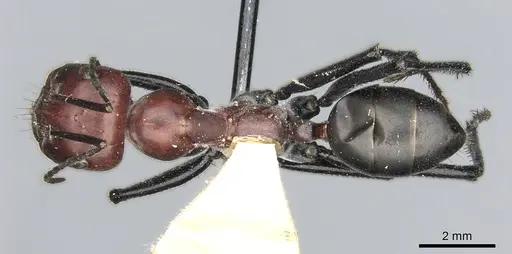
CASENT0912214
View on AntWeb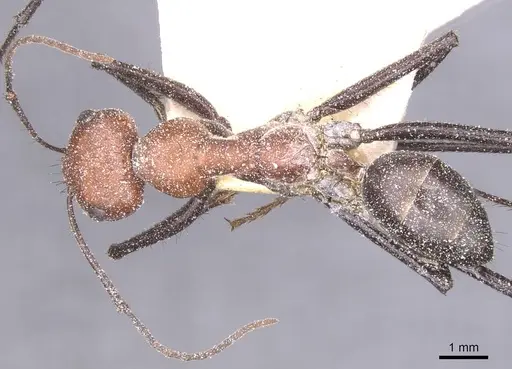

CASENT0912215
View on AntWeb
CASENT0922716
View on AntWeb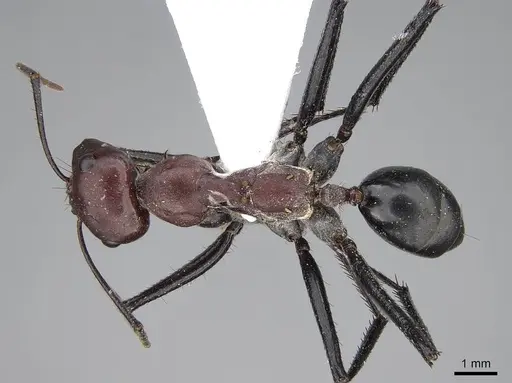

Literature
Loading...Loading products...