

Cataglyphis machmal
- Scientific Name
- Cataglyphis machmal
- Tribe
- Formicini
- Subfamily
- Formicinae
- Author
- Radchenko & Arakelian, 1991
- Distribution
- Found in 1 countries
Cataglyphis machmal Overview
Cataglyphis machmal is an ant species of the genus Cataglyphis. It is primarily documented in 1 countries , including Türkiye. Detailed taxonomic data and occurrence records can be further explored via authoritative databases such as AntWeb or the Global Biodiversity Information Facility (GBIF).
Cataglyphis machmal
Cataglyphis machmal is a medium-sized desert ant species native to the eastern Mediterranean region, specifically found in Armenia and Turkey [1][2]. Workers are similar in size to related species but can be distinguished by their notably abundant long hairs covering the head and mesosoma, a key identifying feature that separates them from the closely related C. nodus, which has extremely sparse hair [2]. As a member of the genus Cataglyphis, these ants are fast-moving, heat-tolerant foragers known for their characteristic rapid running behavior across hot desert and semi-arid landscapes. They are active foragers that likely hunt insects and scavenge, using their speed to navigate harsh, sun-exposed terrain where other ants cannot tolerate the heat.
Quick Summary
- Difficulty: Medium
- Origin & Habitat: Native to the Palaearctic region, specifically Armenia and Turkey. Found in warm, semi-arid to arid habitats typical of the genus, likely rocky slopes and open terrain with sparse vegetation [1][2].
- Colony Type: Likely single-queen (monogyne) colonies based on typical Cataglyphis patterns. Colony structure has not been specifically documented for this species.
- Colony: Monogyne
- Founding: Claustral
- Size & Growth:
- Queen: Estimated 10-12mm based on genus patterns for medium-sized Cataglyphis species
- Worker: Estimated 5-8mm based on genus patterns
- Colony: Likely several hundred workers based on typical colony sizes for the genus
- Growth: Moderate, inferred from related species
- Development: Estimated 6-10 weeks at optimal temperature based on typical Cataglyphis development (Development time inferred from related species in the genus, specific data for C. machmal is unavailable)
- Antkeeping:
- Temperature: Keep warm, around 24-28°C. Cataglyphis species are heat-loving and thrive in temperatures that mimic their natural desert habitat. A heating cable on one side of the nest creates an ideal gradient [3].
- Humidity: Low to moderate humidity. These are desert-adapted ants that prefer drier conditions. Keep nest substrate moderately dry, with a small water tube for humidity access rather than damp substrate.
- Diapause: Yes, likely requires a winter rest period of 2-3 months at 10-15°C, typical for temperate Cataglyphis species from this region.
- Nesting: Prefers dry, warm nesting conditions. Y-tong (acrylic) nests or plaster nests work well. Provide a temperature gradient so ants can self-regulate. Avoid damp substrates.
- Behavior: Active, fast-moving foragers. They are not aggressive toward keepers but can be defensive if their nest is threatened. Workers are quick runners and will readily forage for protein and sugar sources. Escape risk is moderate, standard barrier methods like Fluon work well, but ensure lids are secure as they are agile climbers.
- Common Issues: colonies may stall if temperatures are too cool, keep them warm, dry conditions are preferred, do not over-humidify the nest, slow founding phase is normal, queens may take weeks to lay first eggs, wild-caught colonies may be stressed from collection and require careful acclimation
Housing and Nest Setup
Cataglyphis machmal does well in standard ant-keeping setups. Y-tong (acrylic) nests work excellently because they allow you to control humidity precisely and provide a clear view of the colony. Plaster nests are also suitable since they can be kept relatively dry. Avoid naturalistic soil nests unless you have experience with mold management, these desert species prefer drier conditions. The outworld should be simple with a shallow water source and easy access to food. Use a test tube setup for the founding queen, then move to a proper nest once the colony reaches 15-20 workers. Always provide a temperature gradient so ants can move between warmer and cooler areas as needed. [3]
Feeding and Diet
Like other Cataglyphis species, C. machmal is an omnivorous forager. Offer protein sources like small insects (fruit flies, small crickets, mealworms) and sugar water or honey as an energy source. In the wild, they actively hunt small insects and scavenge, so live prey is appreciated but not strictly required once workers are established. Feed protein 2-3 times per week and keep a constant sugar water supply. Remove uneaten prey after 24 hours to prevent mold. Colonies typically ignore seeds and plant matter, focusing on animal-based protein. [3]
Temperature and Heating
These ants need warmth to thrive. Maintain nest temperatures around 24-28°C during the active season. A small heating cable or heat mat placed on one side of the nest creates a gradient that ants will use to self-regulate. Place the heating on top of the nest, not underneath, to prevent excessive drying. During winter, reduce temperature to 10-15°C for 2-3 months to simulate their natural seasonal cycle. Do not keep them at room temperature year-round, the winter rest period is important for colony health and longevity. [3]
Colony Founding
Queens are likely claustral, meaning they seal themselves in a small chamber and raise the first workers entirely on stored body fat without foraging. Provide a simple test tube setup with a water reservoir and keep it warm and undisturbed. The founding process can take 4-8 weeks before eggs appear, then another 4-8 weeks for workers to emerge. Do not check on the queen too frequently, she needs peace to focus on raising brood. Once nanitic (first) workers emerge, you can slowly introduce small amounts of food.
Behavior and Temperament
Cataglyphis machmal workers are active and fast-moving, characteristic of the genus. They are not particularly aggressive toward keepers but will defend their nest if provoked. Workers forage individually rather than in groups, running quickly across the outworld searching for food. They are diurnal and prefer warm, bright conditions, you may notice increased activity under lights. Their speed makes them entertaining to watch, but also means they can escape quickly if given the chance. Standard escape prevention with Fluon on container edges works well. [3]
Frequently Asked Questions
How long does it take for Cataglyphis machmal to produce first workers?
From egg to first worker typically takes 6-10 weeks at optimal temperature (around 26°C). This is an estimate based on related Cataglyphis species since specific development data for C. machmal is not available.
What temperature should I keep Cataglyphis machmal at?
Keep nest temperatures around 24-28°C. These are warm-adapted desert ants that need heat to stay active and for proper brood development.
Can I keep multiple Cataglyphis machmal queens together?
This species is likely single-queen (monogyne) based on typical Cataglyphis patterns. Combining unrelated queens is not recommended as they likely will fight.
How often should I feed Cataglyphis machmal?
Feed protein (insects) 2-3 times per week. Keep sugar water or honey available constantly. Remove uneaten food after 24 hours to prevent mold.
Do Cataglyphis machmal need hibernation?
Yes, they likely require a winter rest period of 2-3 months at 10-15°C. This is typical for species from temperate regions like Armenia and Turkey.
Is Cataglyphis machmal good for beginners?
This species is rated as medium difficulty. They are more demanding than common house ants but less challenging than tropical species. Their temperature and humidity requirements are specific but manageable.
When should I move my colony to a formicarium?
Move from the founding test tube to a proper nest once the colony reaches 15-20 workers. Make sure the new nest has appropriate temperature gradients and is not too large, overly large spaces can stress small colonies.
Why is my Cataglyphis machmal colony not growing?
Check temperature first, they need warmth (24-28°C) to develop brood. Also ensure they have adequate protein and sugar. Slow growth can also be normal in the first few months as the colony establishes itself.
Are Cataglyphis machmal escape artists?
They are moderately good at escaping. Use Fluon or similar barriers on container edges and ensure lids fit tightly. They are fast runners, so check for escapes regularly.
References

This caresheet is licensed under CC BY-SA 4.0 .
CASENT0917487
View on AntWeb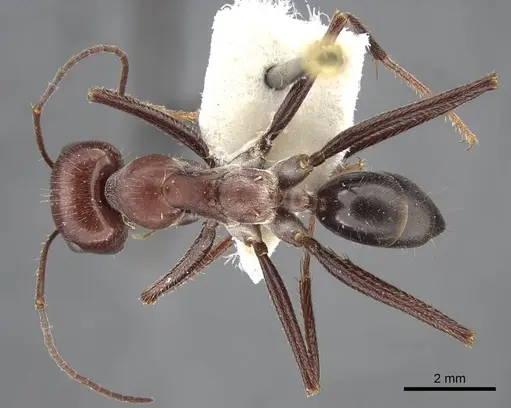
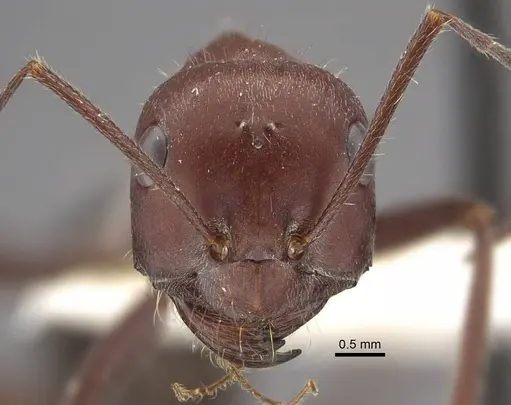
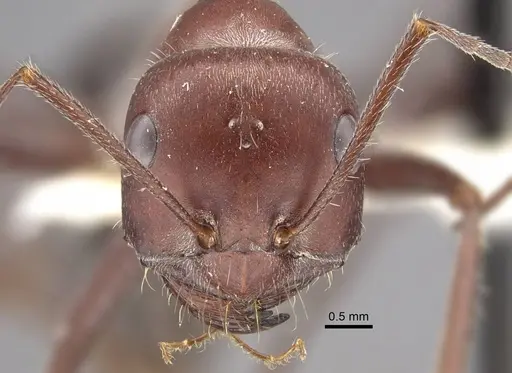

Literature
Loading...Loading products...