

Cataglyphis laevior
- Scientific Name
- Cataglyphis laevior
- Tribe
- Formicini
- Subfamily
- Formicinae
- Author
- Emery, 1925
- Distribution
- Found in 2 countries
Cataglyphis laevior Overview
Cataglyphis laevior is an ant species of the genus Cataglyphis. It is primarily documented in 2 countries , including Algeria, Saudi Arabia. Detailed taxonomic data and occurrence records can be further explored via authoritative databases such as AntWeb or the Global Biodiversity Information Facility (GBIF).
Cataglyphis laevior
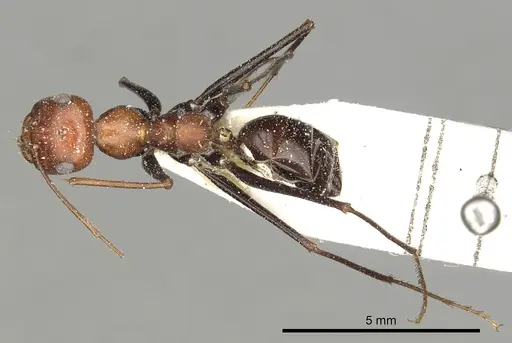
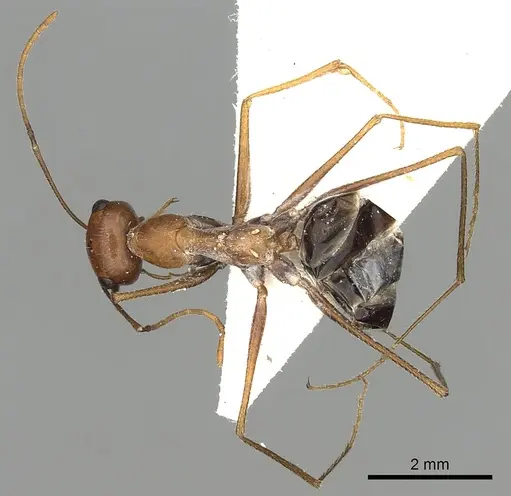
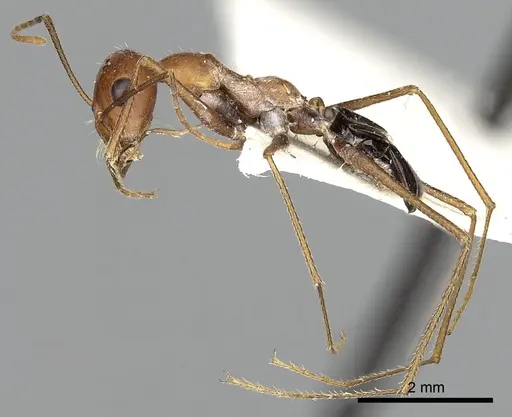
Cataglyphis laevior is a medium-sized desert ant belonging to the Formicinae subfamily. Workers measure approximately 5-7mm with a distinctive bicolored appearance: the head, mesosoma, petiole, and legs are uniform red to red-brown, while the gaster (abdomen) is dark brown [1]. A key identifying feature is the shining gaster combined with erect hairs on the scapes (antennal segments) and tibiae (leg segments) [2]. This species is distributed across North Africa and the Middle East, with confirmed records from Algeria, Egypt, Kuwait, Saudi Arabia, Turkey, and the United Arab Emirates [3]. As with other Cataglyphis species, these ants are adapted to arid desert environments and are known for their excellent navigation abilities, using visual landmarks and polarized light to find their way back to nest sites.
Quick Summary
- Difficulty: Medium
- Origin & Habitat: Native to arid regions of North Africa and the Middle East, including Algeria, Egypt, Kuwait, Saudi Arabia, Turkey, and the UAE [3]. In the UAE, specimens have been collected from Baynunah in March and Sharjah Desert Park in October [4][5]. This is a true desert species adapted to hot, dry conditions.
- Colony Type: Colony structure is not well-documented for this specific species. Based on typical Cataglyphis patterns, colonies are likely monogyne (single queen) with moderate worker populations. Further research needed to confirm exact colony structure.
- Founding: Claustral
- Size & Growth:
- Queen: Approximately 7-9mm (estimated based on genus patterns)
- Worker: 5-7mm [1]
- Colony: Likely several hundred workers (estimated based on related Cataglyphis species)
- Growth: Moderate
- Development: 6-10 weeks (estimated based on genus-level data for similar desert Cataglyphis species) (Development time is temperature-dependent, warmer conditions within acceptable range may speed development)
- Antkeeping:
- Temperature: Keep nest area at 26-32°C with a thermal gradient. These desert ants tolerate high temperatures well. Provide a warm spot around 30°C and allow them to regulate by moving between warmer and cooler areas
- Humidity: Low humidity required, aim for 30-50% relative humidity. Keep nest substrate dry to moderately dry, these ants are adapted to arid conditions and prone to mold in humid setups
- Diapause: Likely required. Based on typical temperate Cataglyphis behavior, provide a cool period around 10-15°C for 2-3 months during winter months. Reduce feeding during this period
- Nesting: Use a dry, well-ventilated nest setup. Y-tong (acrylic) nests work well, or a naturalistic setup with sand. Avoid moist substrates. Provide a water tube but keep the nest area dry
- Behavior: Active foragers that hunt individually across desert terrain. Like other Cataglyphis, they are likely aggressive toward prey and defensive of their territory. Workers are fast-moving and excellent navigators. Escape risk is moderate, use standard barrier methods but these are not tiny ants. They likely have a painful sting though this varies by individual sensitivity.
- Common Issues: mold is a major risk, keep nesting area dry and well-ventilated, overheating is less of a concern than with tropical species, but avoid direct sunlight on nests, colonies may struggle if humidity is too high, ensure good ventilation, winter die-off is common if diapause conditions aren't provided, limited availability makes this species challenging to acquire
Housing and Nest Setup
Cataglyphis laevior requires a dry, well-ventilated nest environment. Y-tong (acrylic) nests work excellently for this species, providing the dark, enclosed spaces they prefer while allowing you to control humidity precisely. Alternatively, a naturalistic setup with coarse sand or a sand/gypsum mix can mimic their natural desert nesting conditions. The key is keeping the nest substrate dry, these ants are adapted to arid environments and will struggle with moisture. Provide a separate outworld for foraging with a water tube for drinking. Ensure excellent escape prevention as workers are active and can climb smooth surfaces. A fluon barrier on the rim of the outworld helps prevent escapes.
Feeding and Diet
Like other Cataglyphis species, Cataglyphis laevior is primarily predatory, hunting small insects and arthropods in the wild. Offer protein sources such as small crickets, mealworms, fruit flies, and other small insects. They likely accept sugar water or honey as an energy source, though protein should form the bulk of their diet. Feed every 2-3 days, removing uneaten prey after 24 hours to prevent mold. During colony growth phases, increase feeding frequency. A varied diet helps ensure healthy colony development.
Temperature and Seasonal Care
These desert ants thrive at warm temperatures. Maintain nest temperatures between 26-32°C, with a thermal gradient allowing workers to choose their preferred zone. A heating cable or mat on one side of the nest creates this gradient effectively. Place the heating element on top of the nest to avoid excessive drying. During winter months (roughly November to February in the Northern Hemisphere), reduce temperatures to around 10-15°C to provide a diapause period. Reduce feeding during this cool period as colony activity slows. Do not feed during deep hibernation. Return to warm conditions gradually in spring.
Behavior and Colony Dynamics
Cataglyphis laevior workers are active, fast-moving foragers that hunt individually rather than using recruitment trails. They are excellent navigators, using visual landmarks and polarized light patterns to find their way back to the nest, a well-documented trait in the genus. Colonies likely establish single queens during founding, with the claustral queen sealing herself in a chamber and raising the first brood alone on stored fat reserves. First workers (nanitics) are smaller than mature workers but quickly grow as the colony expands. Expect moderate growth rates over the first year, with colonies potentially reaching several hundred workers over time.
Frequently Asked Questions
How long does it take for Cataglyphis laevior to produce first workers?
Based on typical Cataglyphis development, expect first workers (nanitics) approximately 6-10 weeks after the queen lays eggs, assuming optimal temperatures around 28-30°C. Development is faster in warmer conditions within their acceptable range.
What temperature do Cataglyphis laevior ants need?
Keep nest temperatures between 26-32°C. Provide a thermal gradient so workers can regulate their own temperature by moving between warmer and cooler areas.
Can I keep multiple Cataglyphis laevior queens together?
This is not recommended. While colony structure is not fully documented for this species, combining unrelated queens typically leads to aggression. Start with a single claustral queen for best success.
How often should I feed Cataglyphis laevior?
Feed protein (insects) every 2-3 days. Remove uneaten prey after 24 hours. Keep sugar water or honey available at all times as an energy source.
Do Cataglyphis laevior need hibernation?
Yes, a diapause period is likely required. Reduce temperatures to 10-15°C for 2-3 months during winter. This rest period supports healthy colony cycles.
Why are my Cataglyphis laevior dying?
The most common causes are excessive humidity (leading to mold), poor ventilation, or incorrect temperatures. Ensure the nest is dry, well-ventilated, and within the 26-32°C range. Also check for stress from overhandling during colony establishment.
Is Cataglyphis laevior good for beginners?
This species is rated as medium difficulty. While not as challenging as some exotic species, the specific humidity and temperature requirements make it better suited for keepers with some experience with desert species.
When should I move Cataglyphis laevior to a formicarium?
Wait until the colony has at least 20-30 workers before moving from a founding setup. Ensure the new formicarium provides the same dry, warm conditions they adapted to during founding.
How big do Cataglyphis laevior colonies get?
Based on related species, colonies likely reach several hundred workers. Growth is moderate, expect 1-2 years to reach 100+ workers under good conditions.
References

This caresheet is licensed under CC BY-SA 4.0 .
CASENT0104615
View on AntWeb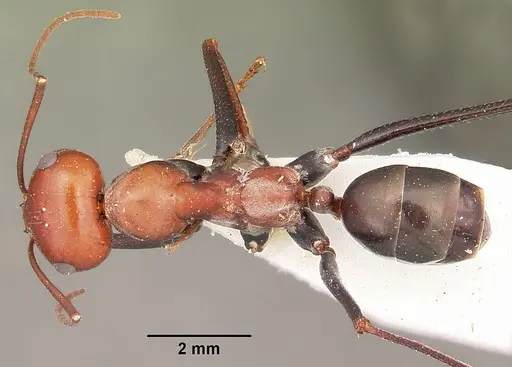
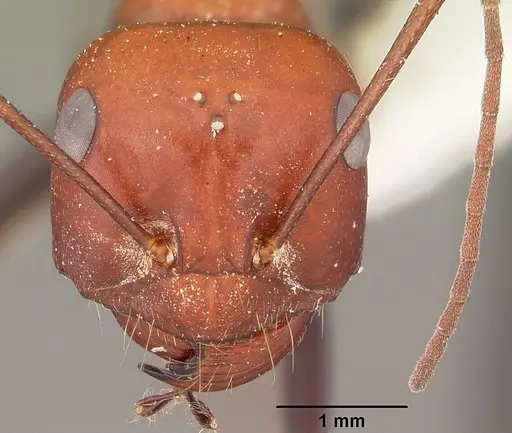
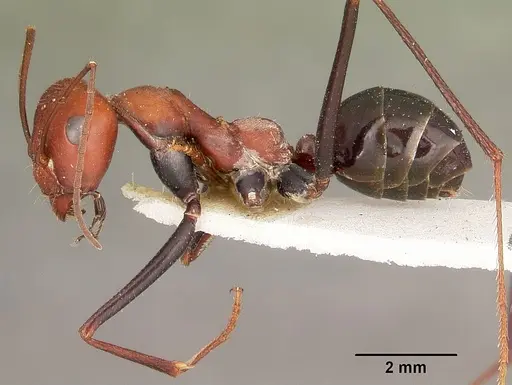
CASENT0104616
View on AntWeb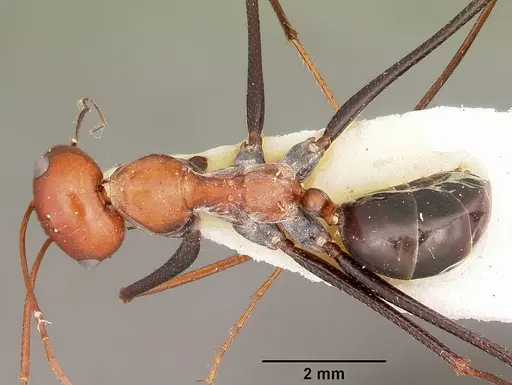


CASENT0249841
View on AntWeb


CASENT0249842
View on AntWeb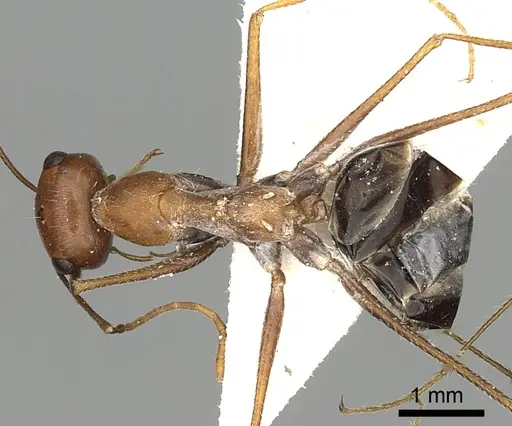


CASENT0249843
View on AntWeb
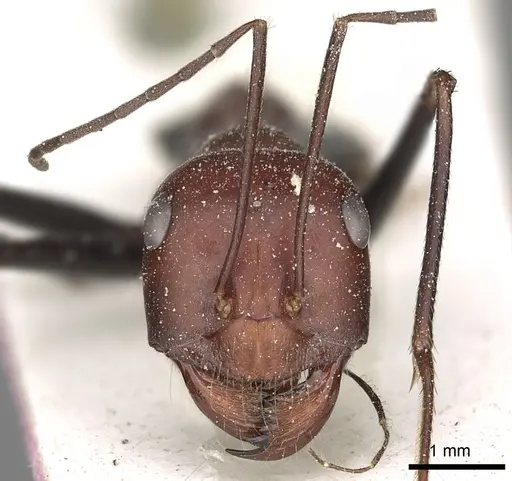

CASENT0912206
View on AntWeb
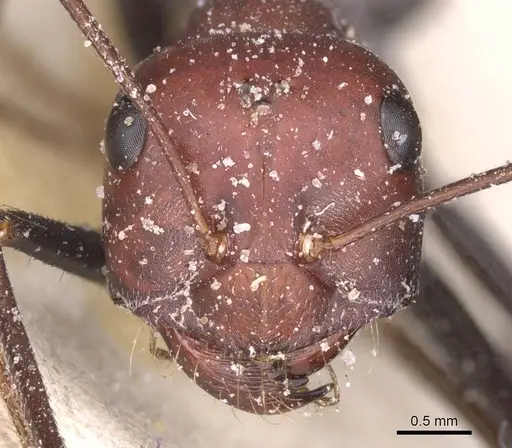

FOCOL2752
View on AntWeb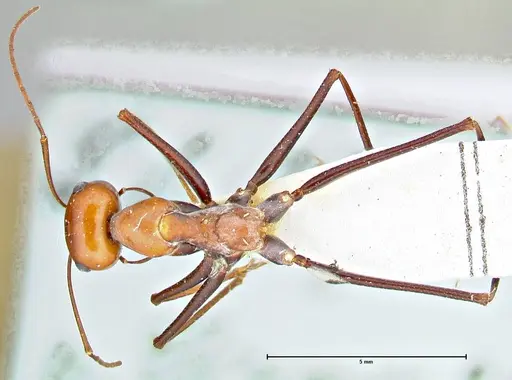


FOCOL2753
View on AntWeb


Literature
Loading...Loading products...