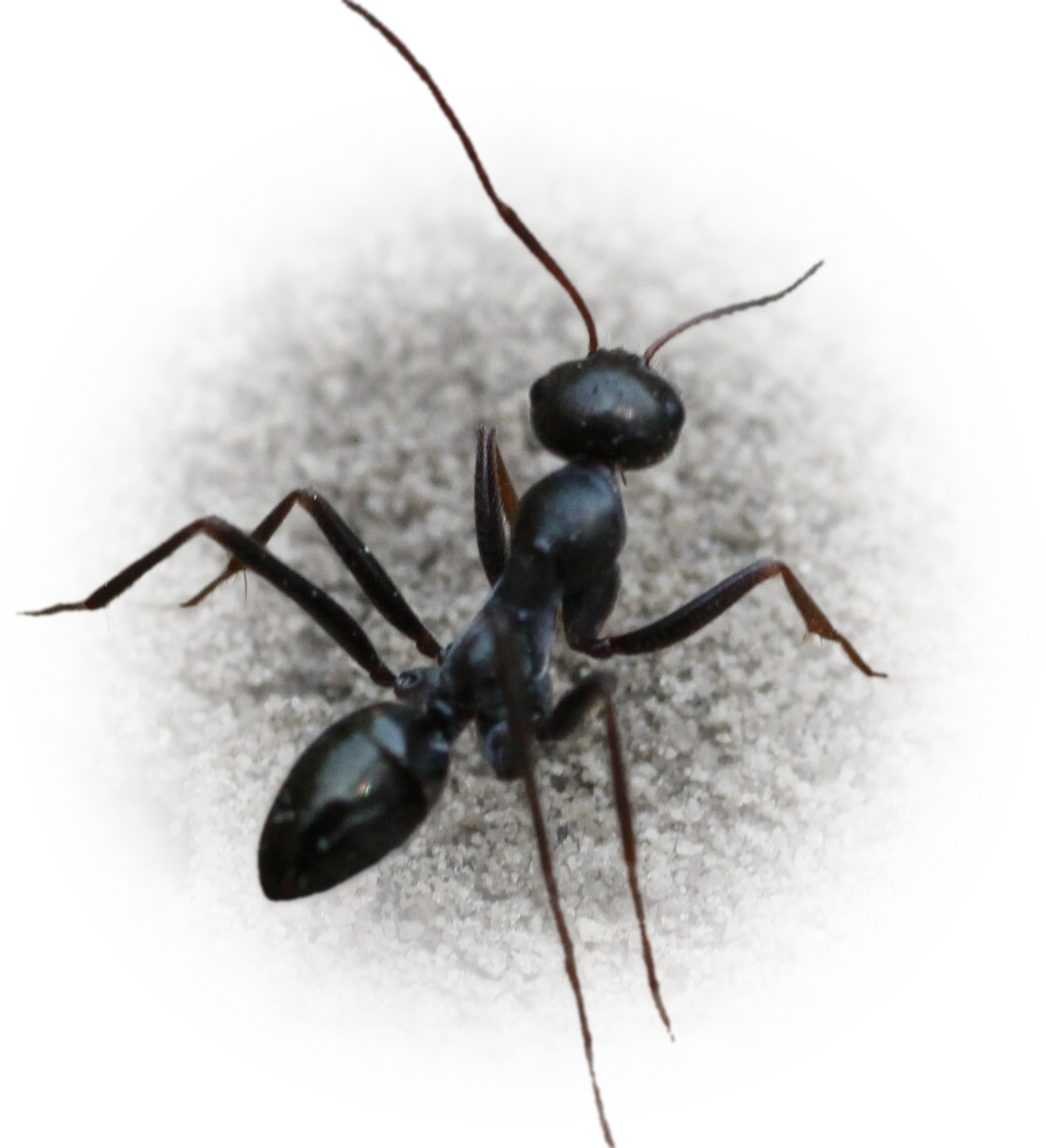

Cataglyphis cursor
- Scientific Name
- Cataglyphis cursor
- Tribe
- Formicini
- Subfamily
- Formicinae
- Author
- Fonscolombe, 1846
- Distribution
- Found in 8 countries
Cataglyphis cursor Overview
Cataglyphis cursor is an ant species of the genus Cataglyphis. It is primarily documented in 8 countries , including China, Spain, France. Detailed taxonomic data and occurrence records can be further explored via authoritative databases such as AntWeb or the Global Biodiversity Information Facility (GBIF).
Cataglyphis cursor
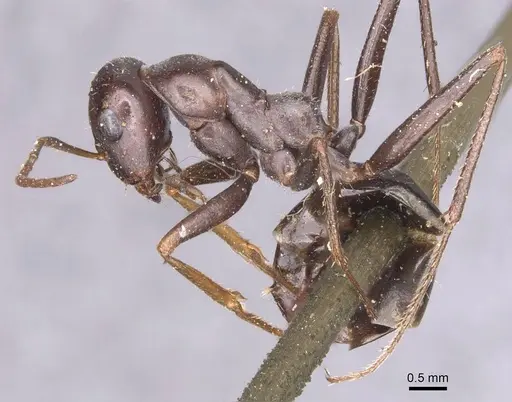
Cataglyphis cursor is a medium-sized desert ant native to the Mediterranean region, found across southern France, Italy, Malta, Portugal, and Spain. Workers measure 3.5-10mm with noticeable size variation within colonies, featuring a dark brown to black coloration with a distinctive metallic sheen on the gaster. This sand-dwelling species is famous for its remarkable rescue behavior, when nestmates become trapped (by falling sand, debris, or antlion pits), workers will dig, pull on limbs, and precisely bite at the snare to free them. Colonies are monogynous (single queen) but reproduce through colony fission rather than nuptial flights, with young queens mating at the nest entrance and departing with worker groups to establish new nests nearby.
Quick Summary
- Difficulty: Medium
- Origin & Habitat: Mediterranean region of Europe, found in France (including Corsica), Italy (mainland, Sardinia, Sicily), Malta, Portugal, and Spain. Inhabits dry, sunny, sandy areas with sparse vegetation, typically nesting in soil with a single entrance leading to chambers up to 1m deep [1][2].
- Colony Type: Monogynous (single-queen colonies) with polyandrous queens (mating with 2-8 males). Colonies reproduce by fission/budding, new queens mate near the natal nest and leave with worker groups to found new colonies nearby. Over 60% of colonies are headed by worker-produced queens via thelytokous parthenogenesis [1][3][4].
- Colony: Monogyne
- Founding: Claustral
- Size & Growth:
- Queen: Approximately 9mm (from older literature describing females) [5]
- Worker: 3.5-10mm with polymorphism [4][6]
- Colony: 78-2658 workers, typically hundreds (mean ~750 workers) [3][7]
- Growth: Moderate
- Development: 6-10 weeks (estimated based on related Cataglyphis species and seasonal breeding patterns, eggs laid March-September, workers produced in summer) [1][8] (Queens lay eggs from early March to early September. Adult sexuals emerge in mid-May, workers later in summer. No overwintering brood, colonies hibernate without brood from October [1][8].)
- Antkeeping:
- Temperature: Keep nest area at 24-28°C. This is a highly thermophilic species with critical thermal maximum at 50°C and maximum activity temperature at 48°C. They forage during the hottest hours of the day and larger workers can tolerate higher temperatures than smaller ones [4][9][10].
- Humidity: Keep relatively dry, 20-40% humidity is suitable. Native to dry Mediterranean habitats with sandy nesting substrate. Avoid excessive moisture which can cause mold in captive setups [10][11].
- Diapause: Yes, colonies hibernate without brood from October to April. Reduce temperature to 10-15°C during winter dormancy period. Activity resumes in April when eggs appear [8][1].
- Nesting: Y-tong (AAC) or plaster nests work well given their preference for dry conditions. Provide a sandy area or dry substrate section for natural digging behavior. They prefer tight chambers scaled to their size. A test tube setup can work for founding colonies [5].
- Behavior: Peaceful and non-aggressive, one of the least aggressive Mediterranean ant species. Workers forage individually without trail recruitment, searching for dead insects and nectar. They are strictly diurnal, active during the hottest hours (08:30-16:30). Notably, they exhibit sophisticated rescue behavior when nestmates are trapped, involving digging, sand transport, limb pulling, and precise biting at the entrapment. Only nestmates are rescued. Workers show temporal polyethism: inactives (youngest), nurses (brood care), and foragers (oldest workers that venture outside). Foragers have very short lifespans (~6 days in the field). Escape risk is moderate, standard barriers sufficient for ants of this size [10][12][13][14].
- Common Issues: queen loss can be fatal but workers may produce replacement queens via thelytokous parthenogenesis in queenless colonies, foragers have extremely short lifespans (approximately 6 days) which may alarm new keepers, colonies may be outcompeted at food sources by more aggressive ant species, slow colony growth compared to many common ant species, requires patience, overheating is less of a concern but avoid temperatures below 20°C which suppresses activity
Housing and Setup
Cataglyphis cursor does well in Y-tong (AAC), plaster, or naturalistic setups with dry sandy substrate. They prefer warm, dry conditions, avoid overly humid setups that can cause mold. Provide a temperature gradient with one side at 24-28°C using a heating cable if needed. A test tube setup works for founding colonies, but established colonies benefit from a formicarium with chambers scaled to their polymorphic worker sizes. Include an outworld area for foraging. Escape prevention is straightforward, these are medium-sized ants that cannot squeeze through standard barriers [5][10].
Feeding and Diet
This is a zoonecrophagous (scavenging) species, their primary food is dead insects. Offer small insects like fruit flies, small crickets, mealworms, or other feeder insects. They will also collect nectar and honeydew. Feed protein sources 2-3 times per week and provide a constant sugar source (honey water or sugar water). They forage individually without recruitment, so place food in the outworld where foragers can discover it. Workers can carry prey up to 150mg (about 24 times their body weight) [15][16][17].
Temperature and Seasonal Care
Keep colonies warm at 24-28°C year-round with a slight gradient. This species is highly thermophilic, they are most active during the hottest hours and can tolerate temperatures up to 50°C. In winter (October-April), reduce temperature to 10-15°C for hibernation. No brood overwinters, colonies hibernate without larvae or pupae. Activity resumes in April when the queen begins laying eggs. The breeding season runs March-September with sexuals (males and new queens) emerging in May [8][1][4][9].
Colony Reproduction and Unique Biology
C. cursor has fascinating reproductive biology. Queens are polyandrous, mating with 2-8 males per colony. They use thelytokous parthenogenesis to produce new queens (almost 96% of gynes), while workers are produced through normal sexual reproduction. Over 60% of colonies are headed by worker-produced queens. Colonies reproduce by fission rather than nuptial flights, young queens mate at the nest entrance and depart with groups of workers to found new colonies nearby. If the queen dies, workers can produce replacement queens via thelytokous parthenogenesis. This species also produces diploid males occasionally (about 8% of males), which can be fertile [1][3][4][18].
Rescue Behavior - A Remarkable Trait
One of the most fascinating aspects of C. cursor is their rescue behavior. When a nestmate becomes trapped (by falling sand, debris, or antlion pits), workers will actively work to free them. This involves four distinct behaviors: sand digging, sand transport, limb pulling, and snare biting (precisely biting the object trapping the victim). Only nestmates are rescued, they ignore trapped ants from other colonies. This behavior is heritable (34% of variation explained by paternity) and varies by worker age, foragers are the most effective rescuers, while inactives almost never participate [10][12][19][20].
Worker Division and Behavior
Workers show temporal polyethism with three behavioral groups: inactives (youngest workers that remain near brood), nurses (specialize in brood care), and foragers (oldest workers that venture outside). Only about one-third follow the classical age polyethism pattern, many workers show irregular task patterns. Foragers represent about 15% of the colony and have extremely short lifespans (approximately 6 days in the field). Workers are polymorphic, larger workers can tolerate higher temperatures than smaller ones. They are non-aggressive and will often retreat from conflicts with other ant species [10][21][4][22].
Frequently Asked Questions
How long does it take for Cataglyphis cursor to produce first workers?
Expect 6-10 weeks from egg to first worker at optimal temperature (24-28°C). Queens lay eggs from early March through September, with workers produced during summer months. This is a slower species compared to many common ant keepers, patience is required [1][8].
Can I keep multiple Cataglyphis cursor queens together?
No, this is a strictly monogynous (single-queen) species. Queens will fight if kept together. However, colonies reproduce by fission where a new queen leaves with worker groups to found a new nest. In captivity, you would need to separate a queen with workers when colony fission occurs naturally [4][8].
What do Cataglyphis cursor eat?
They are primarily scavengers feeding on dead insects. Offer small feeder insects (fruit flies, small crickets, mealworms) 2-3 times per week. They also accept nectar and sugar water. Feed protein-rich foods and provide constant access to sugar sources [15][16].
Do Cataglyphis cursor need hibernation?
Yes, they require a winter dormancy period from October to April. Reduce temperature to 10-15°C during this time. They do not have overwintering brood, the colony hibernates with only queen and workers present. Activity resumes in April [8][1].
Are Cataglyphis cursor good for beginners?
They are rated as medium difficulty. They have specific temperature requirements (need warmth), slower growth than many species, and unique reproductive biology. However, they are peaceful, non-aggressive, and fascinating to observe. Best for antkeepers who have kept at least one species successfully and want something more challenging [5].
Why do my C. cursor workers die so quickly?
This is normal, foragers have extremely short lifespans (about 6 days in the wild). This is typical for Cataglyphis species. What appears to be high mortality may simply be the natural turnover of foragers. As long as you see brood being produced and the colony is growing, this is healthy [4][23].
What makes Cataglyphis cursor special compared to other ants?
Their rescue behavior is unique, they actively work to free trapped nestmates using sophisticated behaviors including digging, sand transport, limb pulling, and precise biting. They also have remarkable reproductive biology with thelytokous parthenogenesis, where workers can produce new queens if the original queen dies. They are also among the most heat-tolerant ants, active during the hottest midday hours [10][12][1].
How big do Cataglyphis cursor colonies get?
Mature colonies reach 78-2658 workers, with typical colonies containing several hundred workers. They are considered small to medium-sized colonies. Colony size correlates with worker size, larger colonies tend to have larger workers [3][7].
When should I move my colony to a formicarium?
Move from test tube to a formicarium once the colony reaches 50-100 workers. They prefer dry conditions, so Y-tong or plaster nests work well. Ensure the setup includes a temperature gradient and a foraging area [5].
References

This caresheet is licensed under CC BY-SA 4.0 .
CASENT0106260
View on AntWeb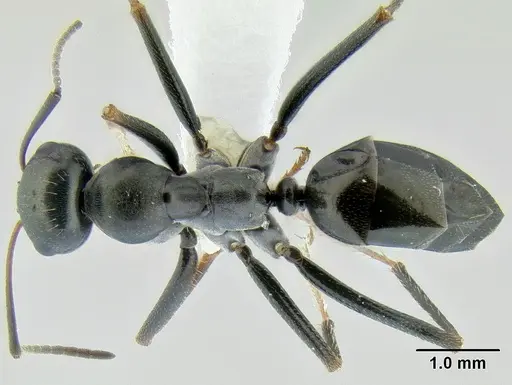
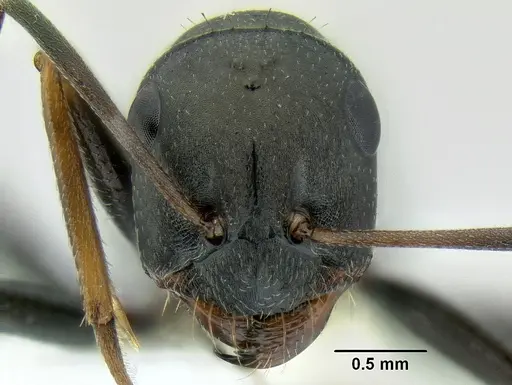
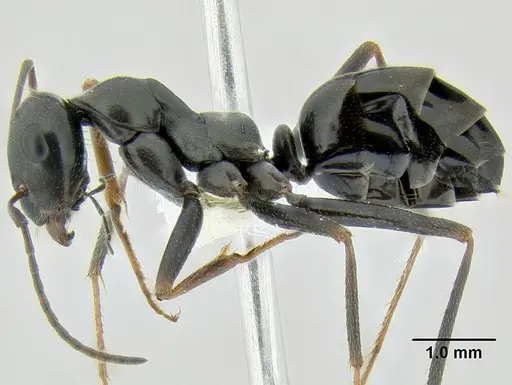
CASENT0217721
View on AntWeb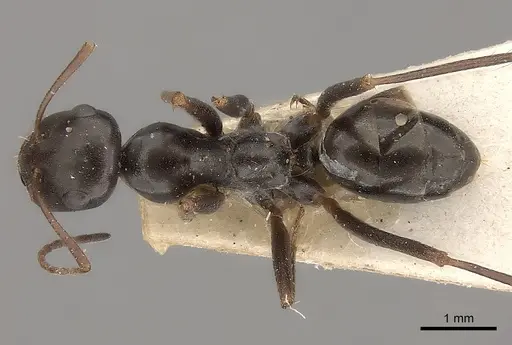


CASENT0280326
View on AntWeb


CASENT0913667
View on AntWeb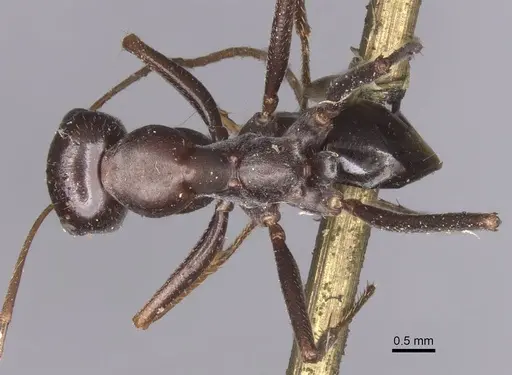

FMNHINS0000046227
View on AntWeb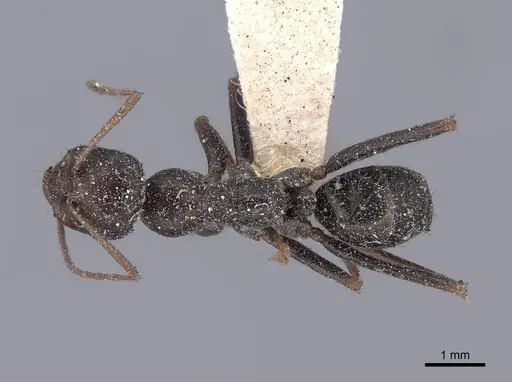


Literature
Loading...Loading products...