
Carebara vidua shows a October to December flight window. Peak activity occurs in November, with nuptial flights distributed across 3 months.

Carebara vidua
- Scientific Name
- Carebara vidua
- Tribe
- Crematogastrini
- Subfamily
- Myrmicinae
- Author
- Smith, 1858
- Common Name
- African Thief Ant
- Distribution
- Found in 9 countries
- Nuptial Flight
- from October to December, peaking in November
AI Identifiable
try →
Carebara vidua Overview
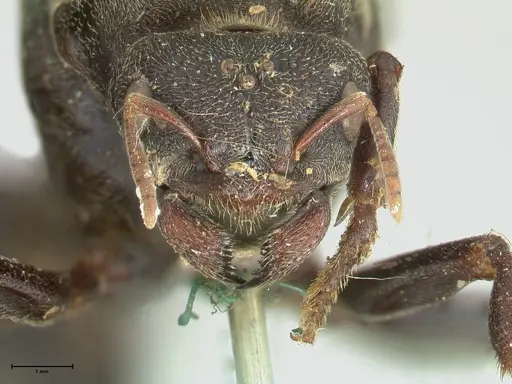
Carebara vidua (commonly known as the African Thief Ant) is an ant species of the genus Carebara. It is primarily documented in 9 countries , including Botswana, Kenya, Malawi. Detailed taxonomic data and occurrence records can be further explored via authoritative databases such as AntWeb or the Global Biodiversity Information Facility (GBIF).
The nuptial flight of Carebara vidua is a significant biological event, typically occurring from October to December, peaking in November. During this time, winged queens and males leave the nest to mate and establish new colonies.
Carebara vidua - "African Thief Ant"
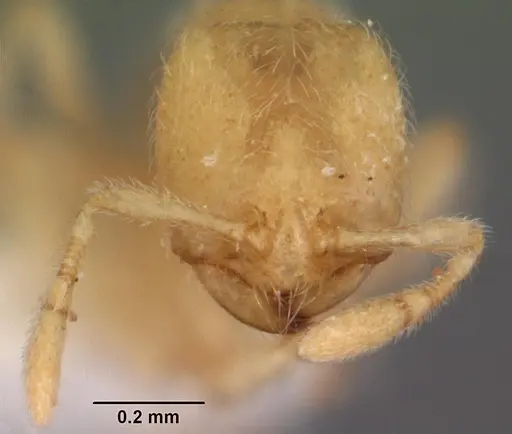
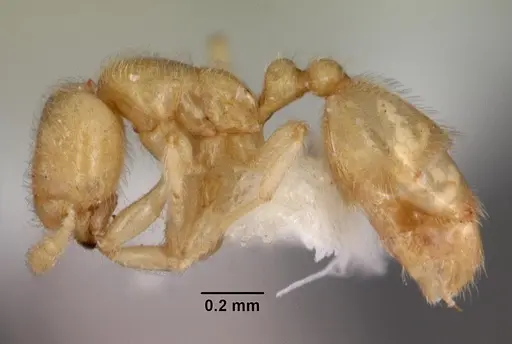
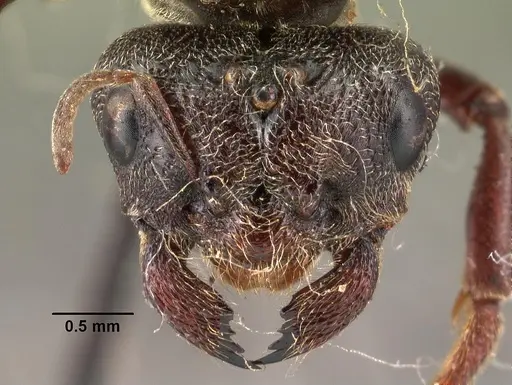
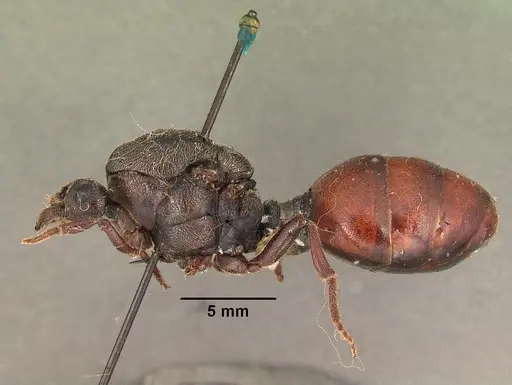
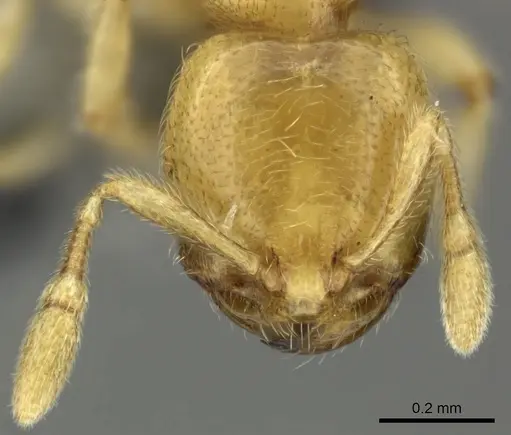
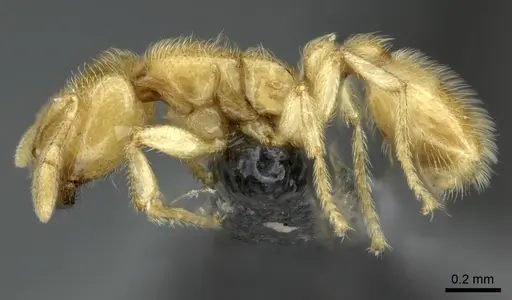
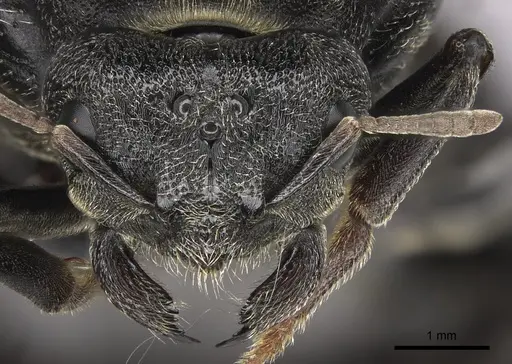
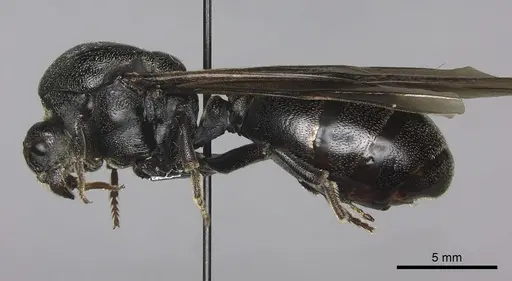
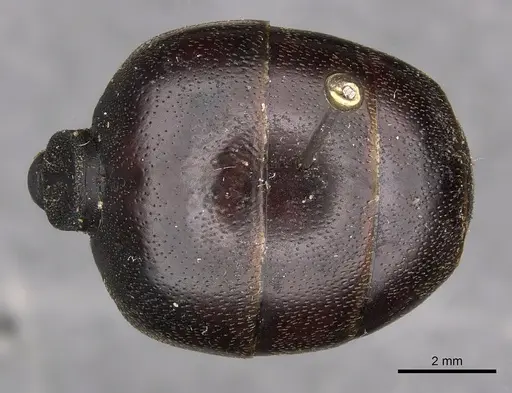
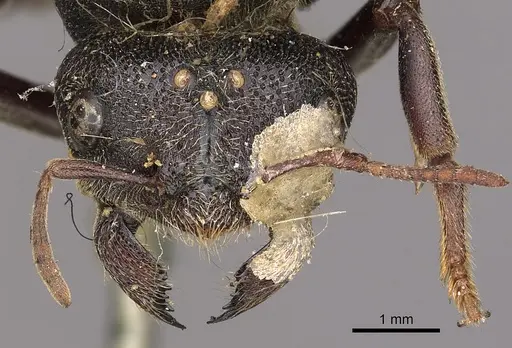
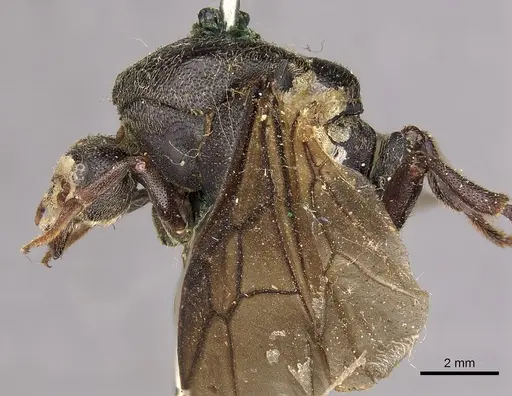
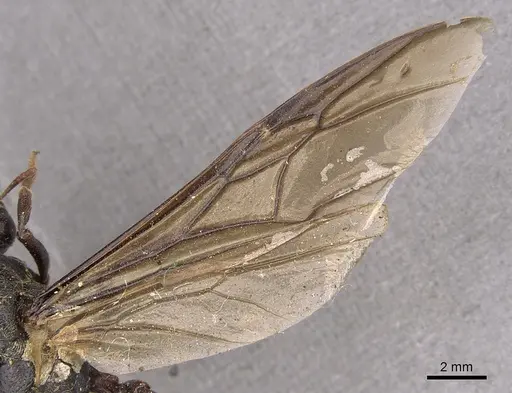
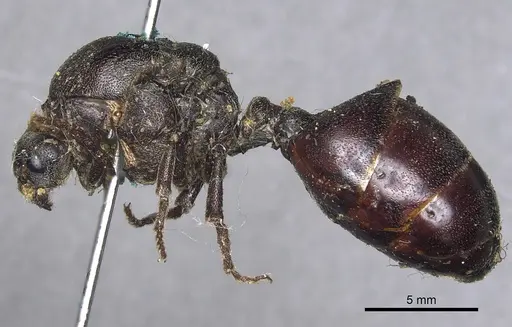
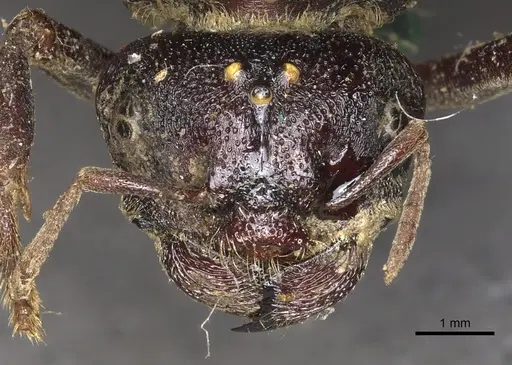
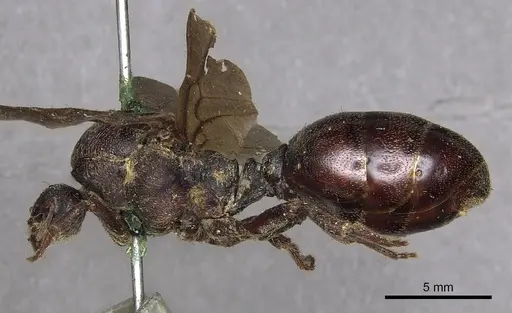
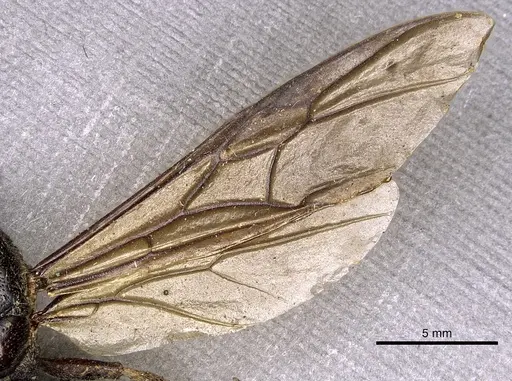
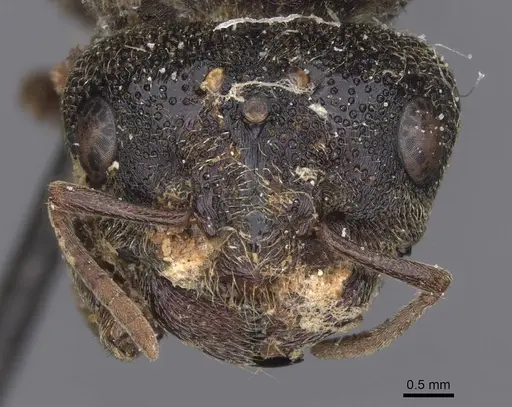
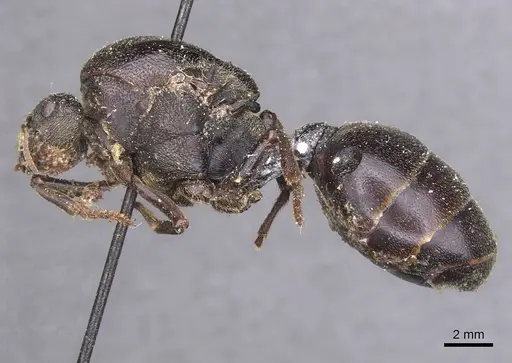
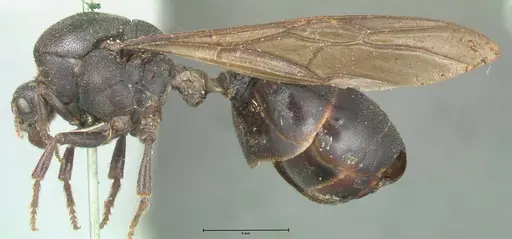
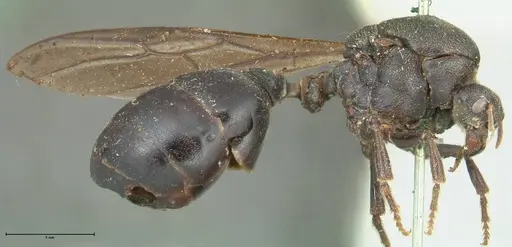
Carebara vidua is a remarkable African ant species famous for having one of the most extreme size differences between queen and workers in the entire animal kingdom. Queens reach an impressive 20-25mm in length, while workers are tiny at just 3-5mm [1]. This species is found across sub-Saharan Africa, from South Africa to Kenya, typically nesting in association with termite mounds where they actively prey on termites [2]. The queens are winged, black, and have a large round abdomen filled with eggs and fatty substances, making them a significant food source in some African cultures where they are collected and eaten during nuptial flights [3][2].
Quick Summary
- Difficulty: Medium
- Origin & Habitat: Native to the Afrotropical region including South Africa, Kenya, Mozambique, Democratic Republic of Congo, Namibia, Rwanda, and Zimbabwe [4]. They nest in termite mounds and build subterranean colonies with complex gallery systems [1].
- Colony Type: Single-queen colonies (monogyne) with documented independent colony foundation. Queens mate with multiple males (polyandry) [5].
- Colony: Monogyne
- Founding: Claustral
- Size & Growth:
- Queen: 20-25mm [1]
- Worker: 3-5mm [1] (some sources indicate ~1.5mm for minor workers)
- Colony: Colonies can survive for many years with established worker populations [1]
- Growth: Moderate, eggs hatch in 5-7 days due to shallow chamber warmth [1]
- Development: Estimated 6-10 weeks based on typical Myrmicinae development patterns (Eggs hatch after 5-7 days in natural nest conditions [1]. Development is claustral, queen seals herself in and raises first workers alone.)
- Antkeeping:
- Temperature: Keep at 24-28°C. These are tropical ants that benefit from warm conditions. A heating cable on one side of the nest creates a suitable gradient.
- Humidity: Moderate to high humidity. They naturally nest in termite mounds which maintain stable moisture. Keep substrate consistently moist but not waterlogged.
- Diapause: No, as a tropical species, they do not require hibernation. However, they may reduce activity during cooler periods.
- Nesting: Y-tong (AAC) nests or plaster nests work well. They prefer dark, humid conditions and will excavate in soil or plaster. Given the extreme size difference between queen and workers, provide chambers sized for workers but large enough for the bulky queen to move through.
- Behavior: Workers are small but possess a sting [1]. They are predatory on termites and other small insects. Foraging workers are active and will readily hunt prey. Colonies are not particularly aggressive but will defend if threatened. Escape prevention is important given the small worker size, use fine mesh barriers.
- Common Issues: queen size makes her vulnerable to drowning in water reservoirs, use small water tubes or foam barriers, small workers can escape through tiny gaps, use tight-fitting lids and fine mesh, termite prey may be difficult to source consistently, consider alternative protein sources, colonies may be slow to establish due to claustral founding, patience is required, humidity must be balanced, too wet causes mold, too dry kills brood
Nuptial Flight Activity Analysis 111 observations
Flight Activity by Hour 111 observations
Carebara vidua nuptial flight activity peaks around 11:00 during the late morning to early afternoon. Activity is spread across a 10-hour window (08:00–17:00). Times may be influenced by human observation patterns.
Housing and Nest Setup
Carebara vidua presents a unique housing challenge due to the extreme size difference between the queen (20-25mm) and workers (3-5mm). A Y-tong (acrylic and cork) nest works well because you can adjust chamber sizes. The queen needs a founding chamber large enough to move through, while foraging chambers should be appropriately scaled for the tiny workers. Plaster nests also work since they allow you to create custom-sized chambers. Keep the nest dark, these ants naturally live in underground termite mounds and prefer dim conditions. A humidity reservoir is essential since they need consistent moisture, but avoid flooding by using small water tubes or foam barriers. Outworld space should be modest for founding colonies but can be expanded as the colony grows. [1]
Feeding and Diet
In the wild, Carebara vidua is predatory on termites and other small insects, but they are omnivorous and will accept various foods [1]. Their diet includes living and dead insects, vegetable matter, sweet sugary liquids, nectar, and honeydew from aphids. For captive colonies, offer protein sources like small crickets, mealworms, fruit flies, and ideally termites (their natural prey). Sugar water or honey should be provided regularly. Feed protein prey 2-3 times per week and keep sugar water available constantly. Remove uneaten prey after 24 hours to prevent mold. The workers are small, so prey items should be appropriately sized, tiny insects or pre-killed/cut pieces work well.
Temperature and Humidity
As a tropical African species, Carebara vidua thrives at temperatures between 24-28°C. Room temperature may be sufficient in warm climates, but most keepers use a heating cable or heat mat on one side of the nest to maintain warmth. Place heating on top of the nest, not underneath, to avoid evaporating moisture too quickly. Humidity should be moderate to high, think damp underground conditions. The substrate or plaster should feel consistently moist but never waterlogged. A humidity gradient allows ants to choose their preferred zone. Monitor for condensation, excessive moisture leads to mold, while drying out kills developing brood. A digital hygrometer helps monitor conditions.
Colony Development
Carebara vidua uses claustral founding, the queen seals herself into a chamber and raises her first workers alone using stored fat reserves [6]. This means you do not need to feed a founding queen. She will lay eggs, and after 5-7 days the eggs hatch into larvae [1]. The first workers (nanitics) will be smaller than mature workers but will immediately begin foraging to support the colony. Queens have extremely high fecundity with an average of 1672 ovarioles, meaning they can produce enormous numbers of eggs once established. Growth rate is moderate, expect the first workers within 6-10 weeks under optimal conditions. Colonies can survive for many years in captivity with proper care.
Behavior and Defense
Workers are small but possess a functional sting [1]. While not dangerously aggressive, they will defend the nest if threatened. The extreme size difference between castes is striking, workers are roughly 1/5th the length of the queen. Workers forage actively and will hunt small insects, particularly termites. They communicate through chemical trails and can recruit nestmates to food sources. The colony will establish defined foraging patterns once established. Watch for escape attempts, the tiny worker size means they can squeeze through remarkably small gaps. Excellent escape prevention with fine mesh and tight-fitting lids is essential.
Legal and Ethical Considerations
This species is native to sub-Saharan Africa. If you keep them outside their native range, never release them into the wild, they could become invasive or spread diseases to local ant populations. Only obtain colonies from reputable breeders who propagate them in captivity rather than harvesting from the wild. When the species was studied for consumption in Kenya, researchers noted it was considered endangered due to habitat destruction from agriculture and development [1]. Supporting captive breeding programs helps conservation rather than depleting wild populations.
Frequently Asked Questions
How long does it take for Carebara vidua to raise their first workers?
Expect first workers (nanitics) to emerge in 6-10 weeks under optimal warm conditions. Eggs hatch in 5-7 days in natural nest conditions [1]. The exact timeline depends on temperature, warmer conditions speed development.
Do Carebara vidua ants sting?
Yes, workers possess a sting [1]. However, given their tiny size (3-5mm), the sting is too small to penetrate human skin in most cases. They are not considered dangerous to humans.
What do Carebara vidua ants eat?
They are omnivorous predators. In captivity, they accept small insects (termites, fruit flies, small crickets, mealworms), sugar water, honey, and nectar. Protein prey should be offered 2-3 times weekly with sugar water available constantly [1].
Are Carebara vidua good for beginners?
This is a medium-difficulty species. The extreme size difference between queen and workers requires careful attention to nest design and humidity. They are not the hardest species but do require more setup thought than beginner species like Lasius. The claustral founding makes early care straightforward since you don't need to feed the founding queen.
Can I keep multiple Carebara vidua queens together?
No. This is a monogyne (single-queen) species. Multiple unrelated queens will fight to the death. Only keep one queen per colony. If you find multiple queens during nuptial flights, each should be housed separately for founding.
Do Carebara vidua need hibernation?
No. As a tropical African species, they do not require hibernation or winter dormancy. They may reduce activity during cooler periods, but maintain warm temperatures year-round (24-28°C) for optimal colony growth.
When should I move Carebara vidua to a formicarium?
Wait until the colony has at least 20-30 workers and is actively foraging in the outworld. For claustral species, this typically means 3-6 months after first workers emerge. Moving too early can stress the colony. The transition should be gradual, connect the test tube setup to the formicarium and let them explore on their own.
Why are my Carebara vidua workers dying?
Common causes include: too low humidity (keep substrate consistently moist), temperature stress (maintain 24-28°C), mold from overwatering or uneaten food, starvation (ensure regular protein feeding), or escape-related deaths (check for tiny gaps). Also ensure the queen is not drowning in water reservoirs, use foam barriers or very small water tubes.
How big do Carebara vidua colonies get?
Colonies can grow large and survive for many years [1]. The extreme fecundity of queens (average 1672 ovarioles) allows for substantial egg production. Exact maximum colony size is not well-documented, but related Carebara species can reach thousands of workers.
References

This caresheet is licensed under CC BY-SA 4.0 .
CASENT0010803
View on AntWeb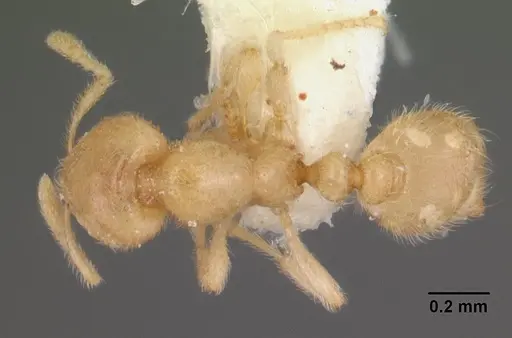
CASENT0101463
View on AntWeb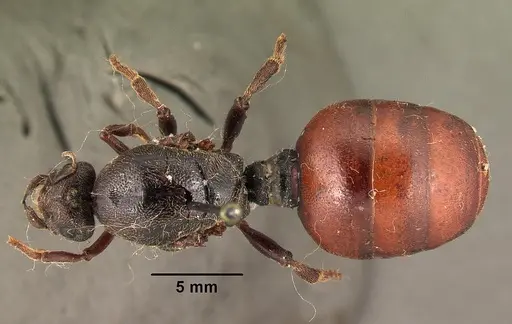
CASENT0260120
View on AntWeb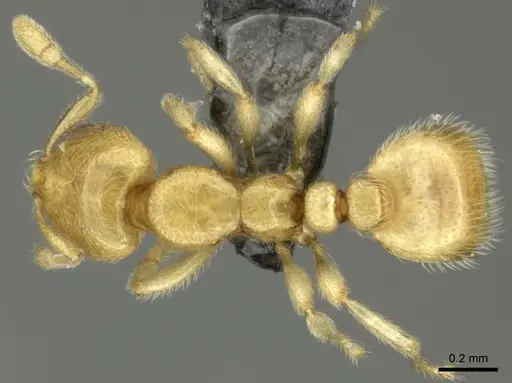
CASENT0260121
View on AntWeb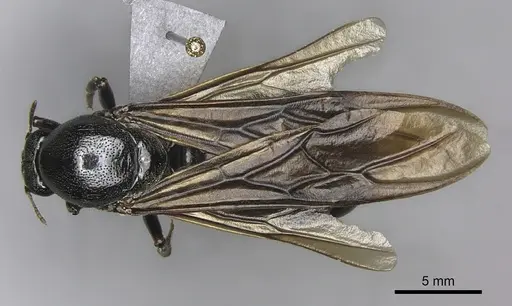
CASENT0901433
View on AntWeb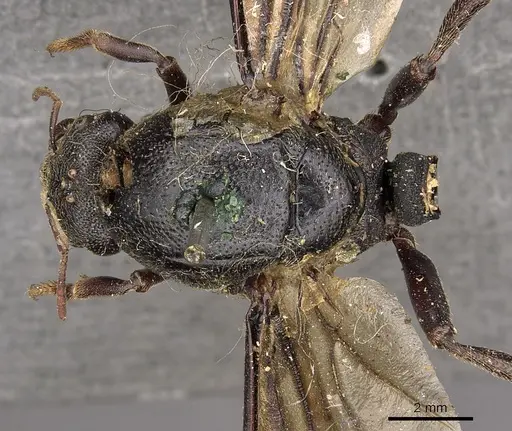
CASENT0901966
View on AntWeb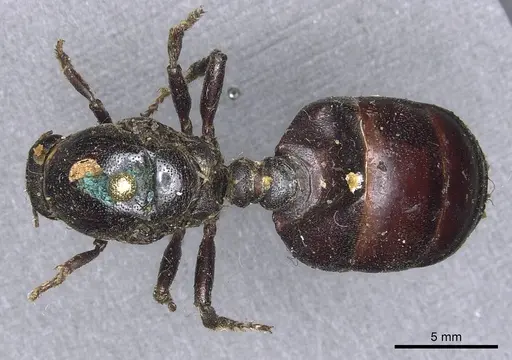
CASENT0902401
View on AntWeb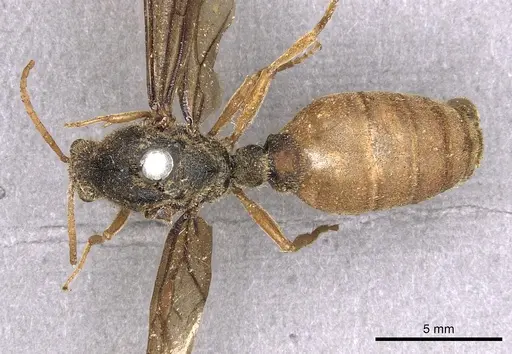
CASENT0902402
View on AntWeb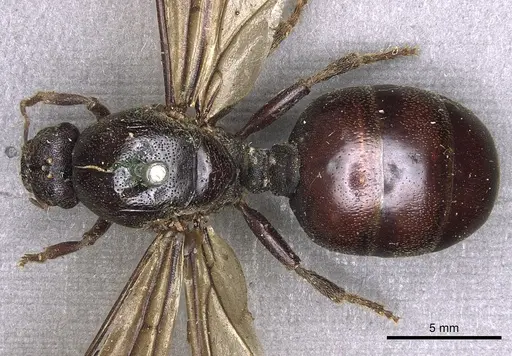
CASENT0913488
View on AntWeb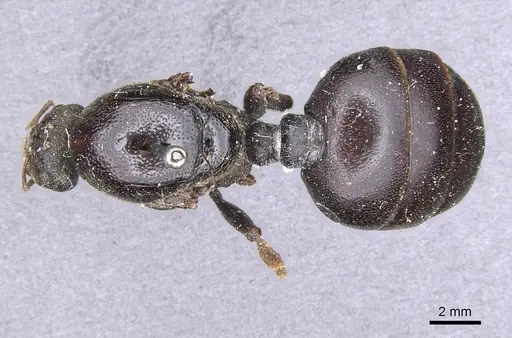
FOCOL1917
View on AntWeb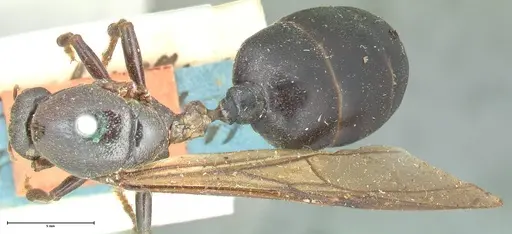
Literature
Loading...Loading products...