

Carebara sampi
- Scientific Name
- Carebara sampi
- Tribe
- Crematogastrini
- Subfamily
- Myrmicinae
- Author
- Azorsa & Fisher, 2018
- Distribution
- Found in 1 countries
Carebara sampi Overview
Carebara sampi is an ant species of the genus Carebara. It is primarily documented in 1 countries , including Madagascar. Detailed taxonomic data and occurrence records can be further explored via authoritative databases such as AntWeb or the Global Biodiversity Information Facility (GBIF).
Carebara sampi
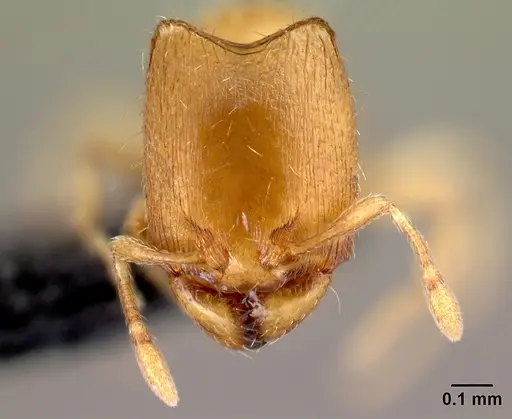
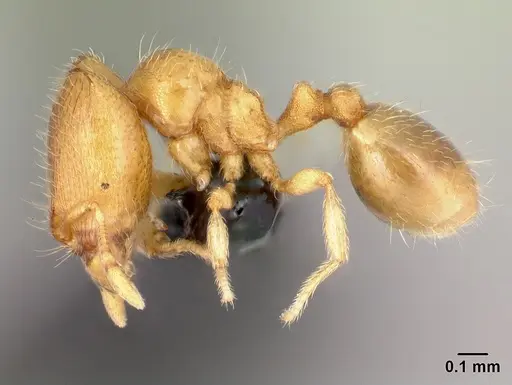
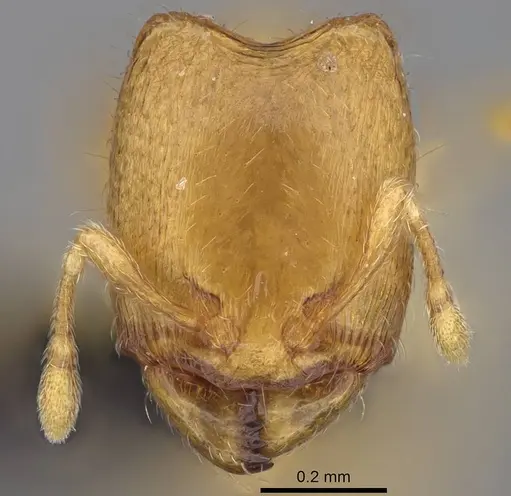
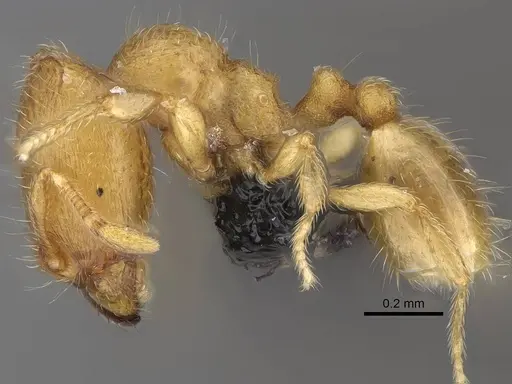
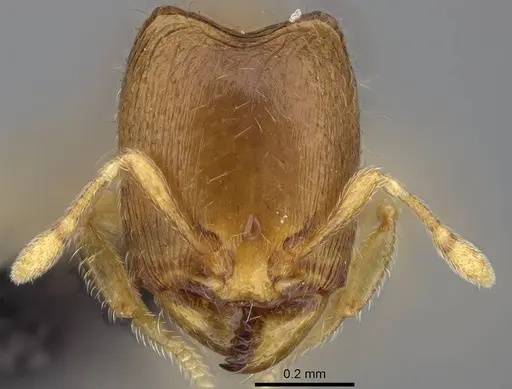
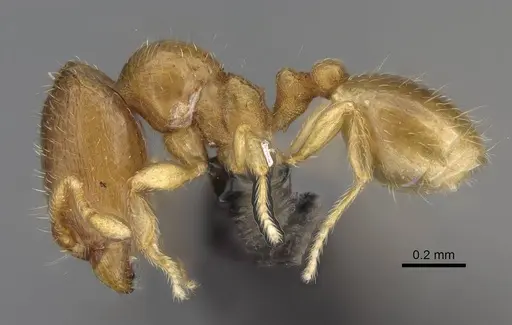
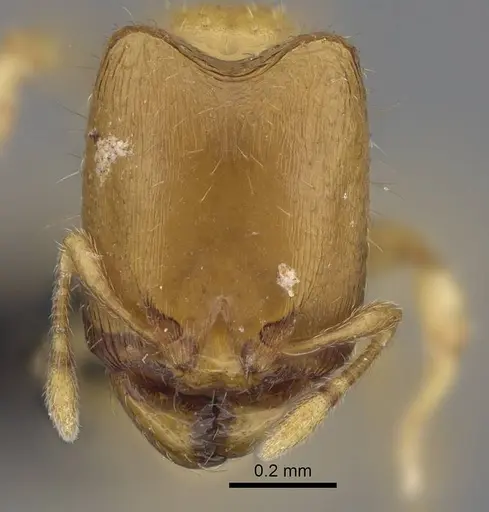
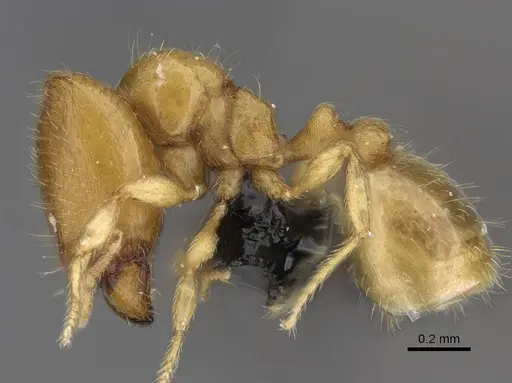
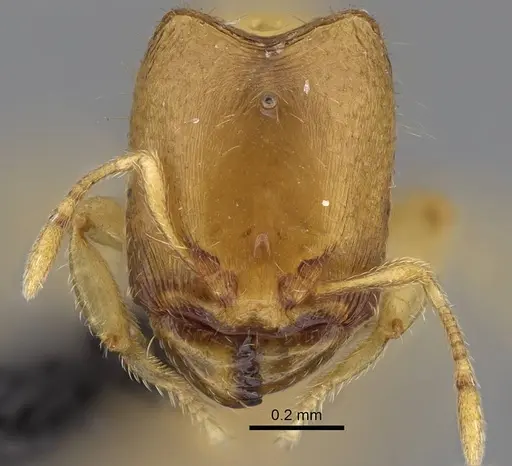
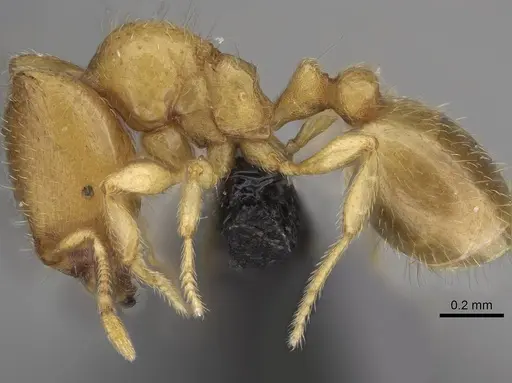
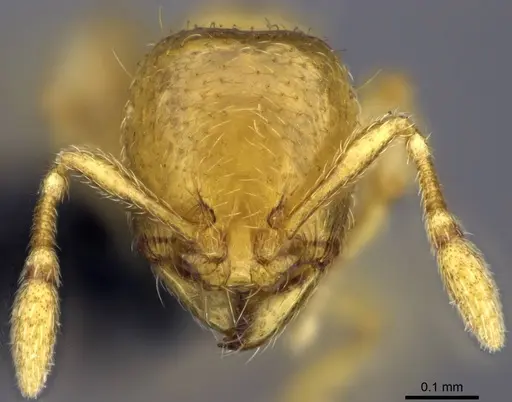
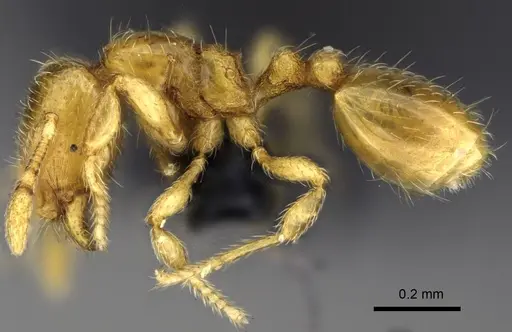
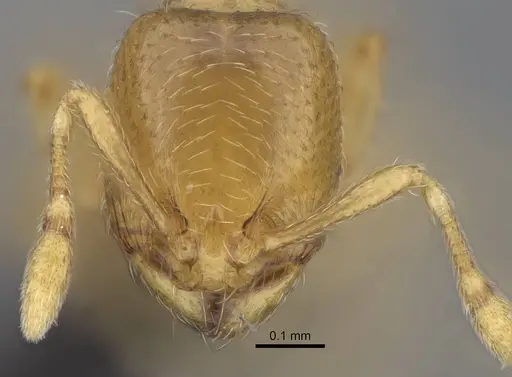
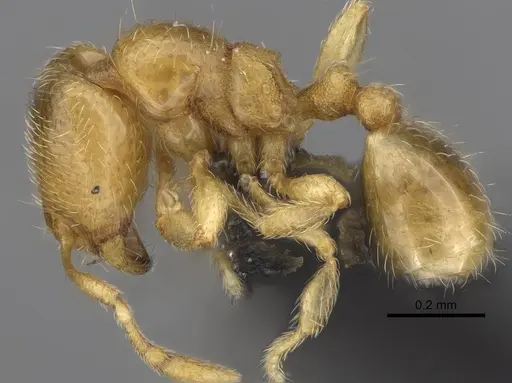
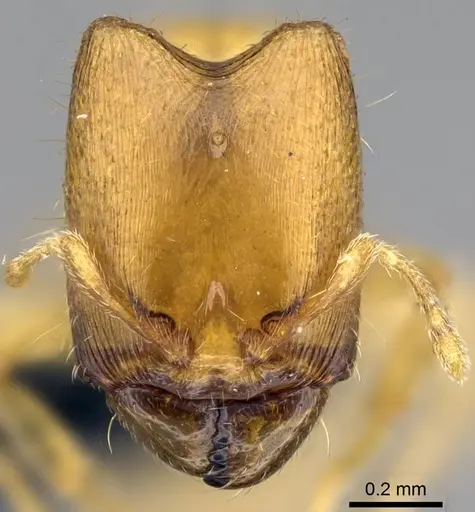
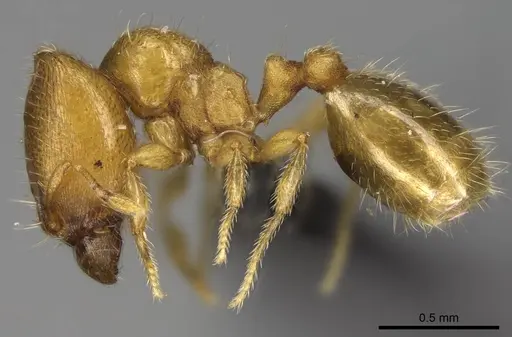
Carebara sampi is a tiny ant species from southern and southwestern Madagascar. Major workers measure just 0.57-0.92mm while minor workers are even smaller at 0.32-0.40mm. They have a yellowish ferruginous coloration and 10-segmented antennae. This species is notable for having three intermediate major worker subcastes, a rare polymorphism where the largest majors develop one ocellus and reduced flight sclerites. They were only formally described in 2018,making them one of the more recently discovered Carebara species from Madagascar [1].
Quick Summary
- Difficulty: Unknown, this is a newly described species with no established husbandry records
- Origin & Habitat: Endemic to southern and southwestern Madagascar, found in gallery forest, tropical dry forest, and gallery forest on sandy soil at elevations of 20-525 meters [1]. They live in rotting logs, leaf mold, and rotten wood in semi-deciduous vegetation [1].
- Colony Type: Unknown colony structure. No data on queen number or founding behavior exists for this species.
- Size & Growth:
- Queen: Undescribed, no queen measurements available
- Worker: Major workers: 0.57-0.92mm, Minor workers: 0.32-0.40mm [1]
- Colony: Unknown, no colony size data available
- Growth: Unknown
- Development: Unconfirmed, no development data exists for this species. Based on typical Carebara patterns and their small size, development likely takes 4-8 weeks at tropical temperatures. (Estimated based on genus-level patterns for tiny Myrmicinae. This is a rough guess, actual times may vary significantly.)
- Antkeeping:
- Temperature: Likely 24-28°C based on Madagascar lowland forest habitat. Provide a gentle gradient if possible.
- Humidity: High humidity required, they naturally live in rotting wood and leaf litter in humid forest environments. Keep nest substrate consistently moist but not waterlogged.
- Diapause: Unlikely, being a tropical species from Madagascar, they probably do not require a hibernation period.
- Nesting: Based on natural habitat, they prefer humid nesting environments with rotting wood or similar organic material. A small test tube setup or acrylic nest with moist substrate would likely work well. Given their tiny size, escape prevention must be excellent.
- Behavior: No behavioral observations have been documented in captivity. In the wild, they are collected from leaf litter and rotting wood using Winkler traps, suggesting they are ground-nesting and likely forage in the leaf litter layer. Their tiny size (under 1mm for majors) makes them excellent escape artists, fine mesh barriers are essential. As a Carebara species, they likely have typical Myrmicinae foraging patterns, probably accepting small prey items.
- Common Issues: no established husbandry means no documented care problems, keepers will be pioneers, tiny size makes escape prevention critical, they can squeeze through standard barrier gaps, high humidity needs mean mold can be an issue if ventilation is poor, no confirmed diet acceptance, must experiment with small live prey, lack of data means keepers must be prepared to document their own observations
Discovery and Taxonomy
Carebara sampi was formally described in 2018 by Azorsa and Fisher, making it one of the newer ant species available to hobbyists. The species is known only from southern and southwestern Madagascar, where it inhabits gallery forests and tropical dry forest areas at low elevations. What makes this species particularly interesting is its complex worker polymorphism, major workers come in three intermediate forms, with the largest developing an ocellus and reduced flight sclerites, suggesting they may be in the early stages of differentiating a reproductive caste [1].
Natural Habitat and Distribution
This species is endemic to Madagascar's southern and southwestern regions. It has been found in gallery forest, tropical dry forest, and gallery forest on sandy soil at elevations between 20 and 525 meters. Specimens have been collected from rotten logs, leaf mold, rotten wood, and semi-deciduous vegetation using maxi-Winkler traps, which sample the leaf litter and topsoil layers where these tiny ants forage [1]. The habitat suggests they prefer humid, shaded microenvironments within forest ecosystems.
Size and Identification
Carebara sampi is an extremely small ant. Major workers range from 0.57-0.92mm in head length, while minor workers are even smaller at 0.32-0.40mm. Both castes have 10-segmented antennae and possess small propodeal teeth. The species can be distinguished from related Madagascar Carebara by the distance from the propodeal spiracle to the declivity, in C. sampi this distance is less than twice the spiracle diameter. They have a yellowish ferruginous coloration throughout [1].
Housing and Care Recommendations
Since no captive husbandry records exist for this species, recommendations are based on natural habitat and genus-level patterns. Provide high humidity (70-80%) using moist substrate, they naturally live in rotting wood and leaf litter. Temperature should be warm (24-28°C) matching their Madagascar lowland forest origin. Because of their tiny size, excellent escape prevention is essential, use fine mesh barriers and ensure all connections are sealed. Start with a small test tube setup and only move to a larger formicarium once the colony establishes. Feed small live prey items like springtails or fruit flies, as their small size limits what they can tackle.
Feeding and Diet
The natural diet of Carebara sampi has not been documented, but Carebara species are typically predatory or omnivorous, feeding on small invertebrates and likely tending aphids for honeydew. In captivity, offer small live prey appropriate to their size, springtails, fruit flies, and other tiny arthropods would be most suitable. Given their minute size, standard ant feeders like mealworms would be too large. Sugar sources may be accepted but are not confirmed. Start with small live prey and document what the colony accepts.
Frequently Asked Questions
How long does it take for Carebara sampi to produce first workers?
The development timeline is unconfirmed for this species. Based on typical patterns for tiny Carebara species in tropical conditions, expect approximately 4-8 weeks from egg to worker, but this is a rough estimate. Actual times may vary significantly.
What do Carebara sampi ants eat?
Their natural diet is undocumented, but based on genus patterns, they likely accept small live prey like springtails and fruit flies. They are probably predatory on tiny arthropods in the leaf litter. Offer small live prey items and observe acceptance.
Do Carebara sampi ants need hibernation?
No, being a tropical species from Madagascar, they likely do not require a hibernation period. Keep them at warm temperatures year-round (24-28°C).
How big do Carebara sampi colonies get?
Colony size is unknown, no data exists on maximum colony size for this species. Being a tiny leaf-litter ant, colonies are probably modest in size, likely under a few hundred workers.
Are Carebara sampi good for beginners?
This species is not recommended for beginners due to the complete lack of established husbandry information. Keeping this ant will require significant experimentation and documentation. If you're experienced with difficult species and enjoy being a pioneer, this could be rewarding.
What temperature should I keep Carebara sampi at?
Based on their Madagascar lowland forest habitat, aim for 24-28°C. A gentle temperature gradient allows the colony to self-regulate. Room temperature in this range is acceptable.
Do Carebara sampi ants sting?
Being a Myrmicinae species, they likely have a stinger, but their tiny size (under 1mm for major workers) means they would be unable to penetrate human skin. They are not considered dangerous to keepers.
How do I house Carebara sampi?
Start with a small test tube setup with moist cotton. Given their tiny size and preference for humid rotting wood environments, a small acrylic nest or test tube with moist substrate works well. Escape prevention must be excellent, use fine mesh barriers.
Can I keep multiple Carebara sampi queens together?
Colony structure is unconfirmed for this species. No data exists on whether they are single-queen or multi-queen colonies, or how they would respond to introduced queens. Do not attempt combining unrelated queens without documented success.
Why are my Carebara sampi dying?
Without established husbandry, diagnosing problems is difficult. Common issues likely include: escape through tiny gaps, improper humidity (too dry), temperature stress, or inadequate prey size. Document your conditions and adjust gradually. This species has never been kept in captivity before, some trial and error is expected.
References

This caresheet is licensed under CC BY-SA 4.0 .
CASENT0018045
View on AntWeb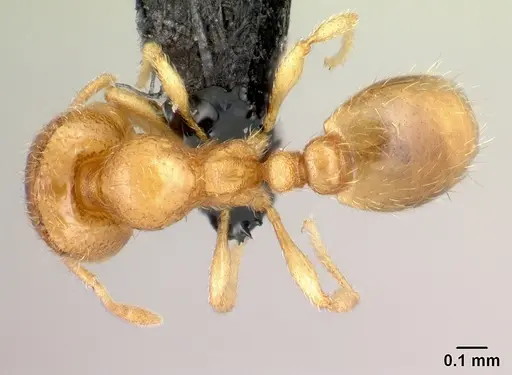
CASENT0018276
View on AntWeb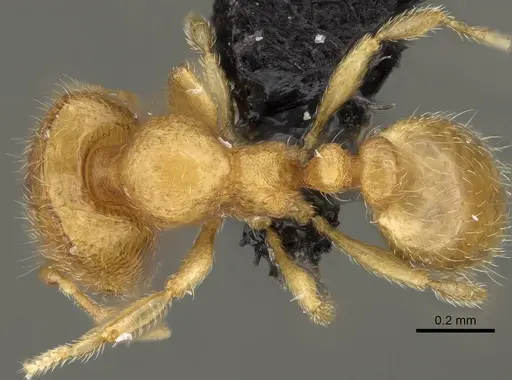
CASENT0018348
View on AntWeb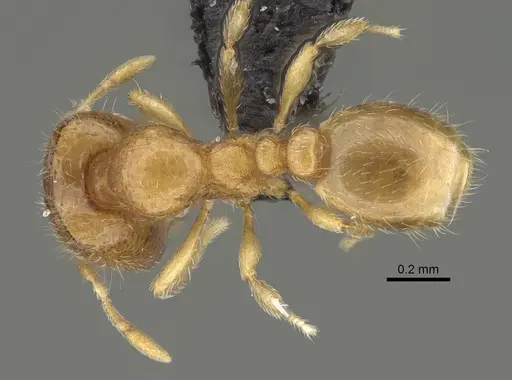
CASENT0030441
View on AntWeb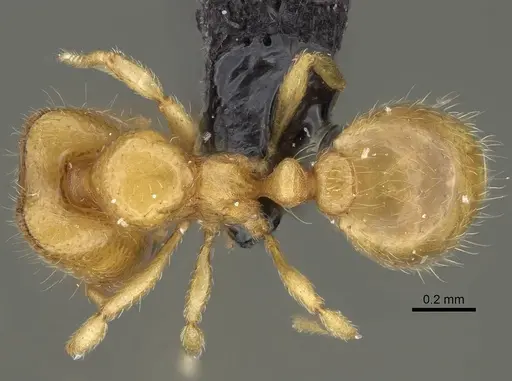
CASENT0030481
View on AntWeb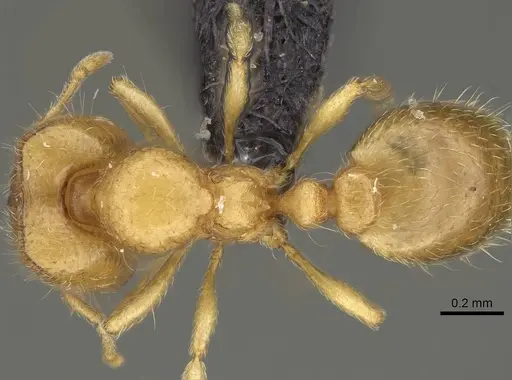
CASENT0031214
View on AntWeb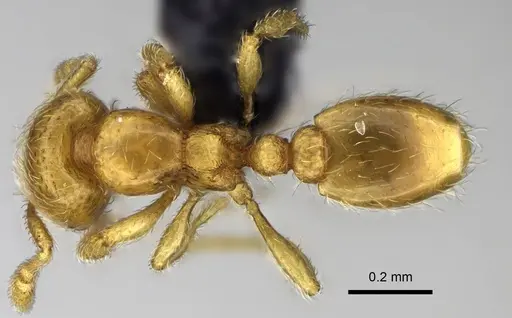
CASENT0031261
View on AntWeb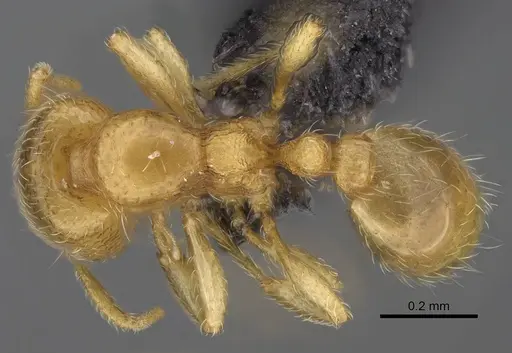
CASENT0031265
View on AntWeb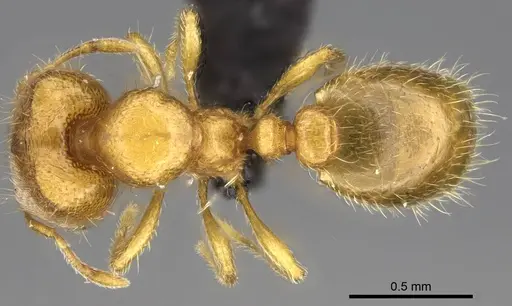
Literature
Loading...Loading products...