

Carebara raberi
- Scientific Name
- Carebara raberi
- Tribe
- Crematogastrini
- Subfamily
- Myrmicinae
- Author
- Azorsa & Fisher, 2018
- Distribution
- Found in 1 countries
Carebara raberi Overview
Carebara raberi is an ant species of the genus Carebara. It is primarily documented in 1 countries , including Madagascar. Detailed taxonomic data and occurrence records can be further explored via authoritative databases such as AntWeb or the Global Biodiversity Information Facility (GBIF).
Carebara raberi
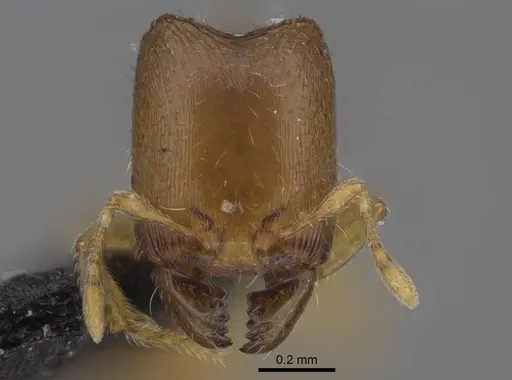
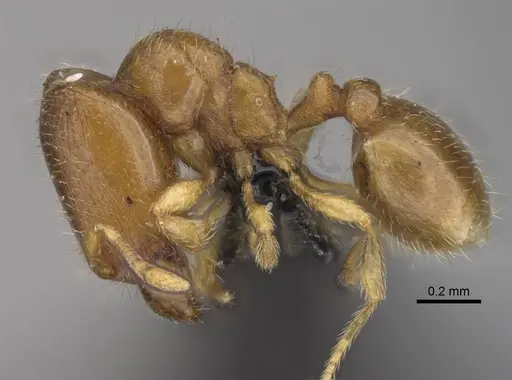
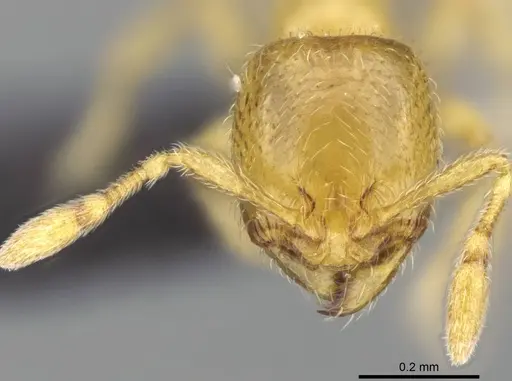
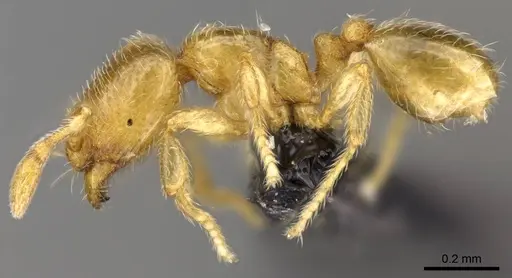
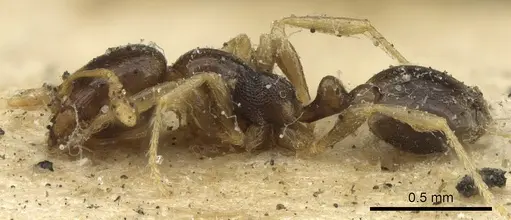
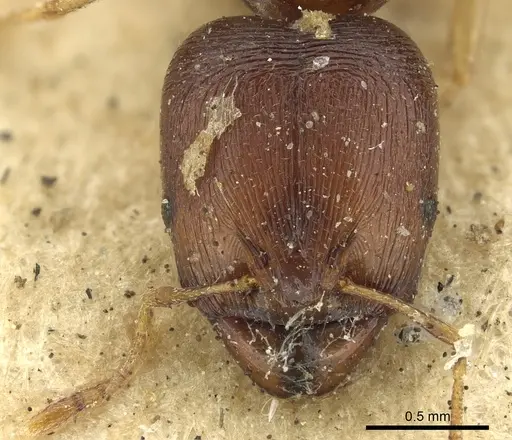
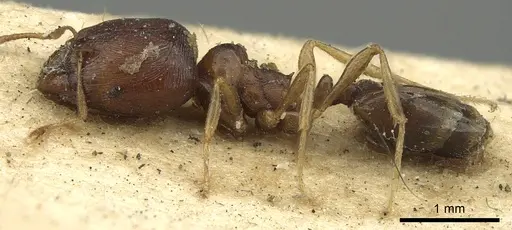
Carebara raberi is a tiny rainforest ant endemic to northeastern Madagascar. Workers measure just 0.38-0.41mm for minors and up to 1.12mm for majors, making them one of the smaller ant species you'll encounter [1]. They have a distinctive yellowish-ferruginous color with 10-segmented antennae and reduced eyes (only one ommatidium). The species was only discovered in 2018 and is known from a single locality in the Marotandrano reserve at 865m elevation, where the humid rainforest transitions to tropical dry forest [1]. This is a newly described species with very limited biological data available, meaning much of their care requirements must be inferred from related Carebara species.
Quick Summary
- Difficulty: Medium
- Origin & Habitat: Northeastern Madagascar, Réserve Spéciale Marotandrano,48.3 km S Mandritsara. Found in rainforest at the transition between humid forest and tropical dry forest at 865m elevation [1].
- Colony Type: Colony structure is unconfirmed. Based on typical Carebara patterns, likely single-queen colonies.
- Size & Growth:
- Queen: Undescribed, no queen caste has been documented yet [1]
- Worker: Major workers: 0.59-1.12mm head length, Minor workers: 0.38-0.41mm head length [1]
- Colony: Unknown, likely small to moderate based on genus patterns
- Growth: Unknown, likely moderate based on typical Carebara development
- Development: Unconfirmed, estimates based on related species suggest 4-8 weeks at tropical temperatures (No direct development data exists for this species. Related Carebara species typically develop in 4-8 weeks under warm conditions.)
- Antkeeping:
- Temperature: Keep at 22-26°C, aim for low-to-mid 20s°C. This matches their tropical rainforest origin in Madagascar. Use a heating cable on one side of the nest to create a gentle gradient if your room temperature is below 22°C.
- Humidity: Keep the nest substrate consistently moist but not waterlogged. Their natural habitat is humid rainforest transition zone. The substrate should feel damp to the touch with some condensation visible but no standing water.
- Diapause: Unknown, likely no true diapause given their tropical origin. However, they may show reduced activity during cooler periods.
- Nesting: In nature they nest in sifted litter, rotten logs, and leaf mold at ground level [1]. For captivity, a small test tube setup or Y-tong nest with tight chambers works well. Their tiny size means you need chambers scaled appropriately, avoid large, open spaces.
- Behavior: These ants are very small and likely nocturnal or crepuscular based on their reduced eyes. They are probably predatory or omnivorous, feeding on small arthropods and honeydew like other Carebara species. Their tiny size means excellent escape prevention is critical, they can squeeze through the tiniest gaps. Handle gently as they are fragile.
- Common Issues: tiny size makes escape prevention challenging, use fine mesh barriers, no queen caste has been described, wild colonies may be difficult to establish, very limited biological data means care is largely inferential, slow colony growth can frustrate beginners, humidity control is critical, too dry and brood dies, too wet and mold becomes a problem
Housing and Nest Setup
Carebara raberi requires careful housing due to their extremely small size. In the wild, they live in sifted litter, rotten logs, and leaf mold at ground level in Madagascar's rainforest [1]. For captivity, a small test tube setup works well for founding colonies, use a test tube with a small water reservoir and fill cotton to create a humid chamber. The tube diameter should be modest since these tiny ants feel exposed in large spaces. For established colonies, a Y-tong (acrylic) nest with narrow chambers scaled to their size is ideal. Avoid naturalistic setups with large open areas, these ants prefer tight, enclosed spaces. Escape prevention is critical: use fine mesh (at least 0.5mm) on all openings and consider applying fluon to the edges of any lid. Their tiny size means they can escape through gaps invisible to the human eye.
Feeding and Diet
The specific diet of Carebara raberi has not been documented, but based on typical Carebara behavior, they are likely omnivorous predators. In the wild, they were collected using Winkler traps from leaf litter, suggesting they forage on the forest floor for small arthropods [1]. For captivity, offer small live prey appropriate to their size: micro-arthropods like springtails, fruit fly larvae, and tiny crickets work well. Sugar sources are likely accepted, offer a drop of diluted honey or sugar water occasionally, but protein should be the primary food. Feed small amounts twice weekly and remove any uneaten prey after 24 hours to prevent mold. Given their tiny size, prey items should be no larger than their head width.
Temperature and Humidity
Carebara raberi comes from a tropical rainforest location in northeastern Madagascar at 865m elevation. This suggests they prefer warm, humid conditions. Keep the nest area at 22-26°C, this range covers typical tropical ant requirements. A heating cable placed on one side of the nest can create a gentle gradient if your room temperature runs cooler. For humidity, maintain consistently moist substrate without flooding. The natural habitat is transition humid forest, so aim for 70-85% humidity inside the nest. Use a water reservoir in test tube setups and mist occasionally. Avoid both drying out (which kills brood) and excessive moisture (which causes mold). A small ventilation hole helps prevent stagnation without drying the nest too quickly. [1]
Colony Establishment
This species was only described in 2018,and no queen caste has been documented in the scientific literature [1]. This means wild-caught colonies may be extremely difficult to obtain, and established captive colonies are likely rare. If you do obtain a colony, expect slow growth, these are tiny ants with likely modest colony sizes. The founding process is unconfirmed but likely claustral like other Carebara species, meaning the queen seals herself in and lives off stored fat until her first workers hatch. Be patient during founding, it may take several months before you see the first workers (nanitics). Monitor the colony gently and avoid disturbing the founding chamber. Based on genus patterns, expect 6-12 months to reach 50 workers under good conditions.
Frequently Asked Questions
How long does it take for Carebara raberi to produce first workers?
The development timeline is unconfirmed for this species. Based on related Carebara species, expect 4-8 weeks from egg to worker at optimal tropical temperatures (24-26°C). However, since no queen has been described, actual founding colonies may be extremely rare or unavailable.
What do Carebara raberi ants eat?
Their specific diet is undocumented, but they likely eat small arthropods like other Carebara species. Feed tiny live prey such as springtails, fruit fly larvae, or micro crickets. Offer a drop of diluted honey or sugar water occasionally as a sugar source.
Are Carebara raberi good for beginners?
This species is not recommended for beginners. It was only described in 2018 with extremely limited biological data, no described queen caste, and their tiny size makes them challenging to house and feed. Related Carebara species are better studied and more available.
Do Carebara raberi ants sting?
Given their extremely small size (minor workers are under 0.5mm), any sting would be negligible even if present. They are not considered dangerous to humans.
What temperature do Carebara raberi need?
Keep them at 22-26°C based on their tropical Madagascar origin. A heating cable on one side of the nest can provide warmth if needed.
How big do Carebara raberi colonies get?
Colony size is unknown but likely small to moderate based on genus patterns, probably dozens to a few hundred workers. This is a newly described species with no published colony data.
Can I keep multiple Carebara raberi queens together?
Colony structure is unconfirmed. Combining unrelated queens is not recommended since this has not been documented for this species.
Do Carebara raberi need hibernation?
Diapause requirements are unknown. Given their tropical origin in Madagascar, they likely do not require true hibernation but may show reduced activity during cooler periods.
Why are my Carebara raberi escaping?
Their tiny size makes escape likely without excellent barriers. Use fine mesh (0.5mm or smaller) on all openings and apply fluon to lid edges. Check for gaps invisible to the naked eye.
Where is Carebara raberi found in the wild?
They are only known from one locality in northeastern Madagascar: Réserve Spéciale Marotandrano,48.3 km south of Mandritsara, at 865m elevation in rainforest transition zone [1].
References

This caresheet is licensed under CC BY-SA 4.0 .
CASENT0057201
View on AntWeb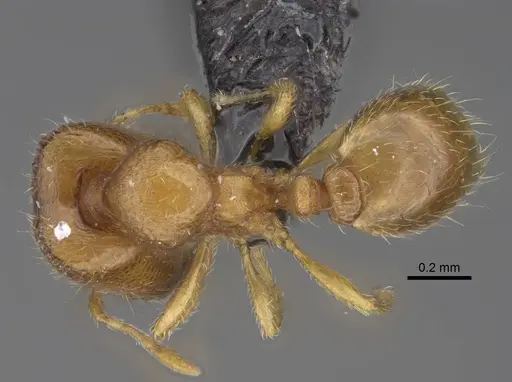
CASENT0140575
View on AntWeb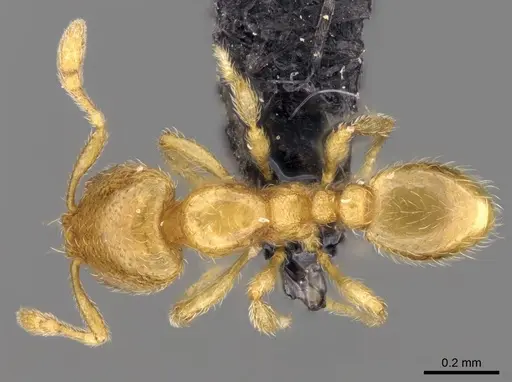
CASENT0140585
View on AntWeb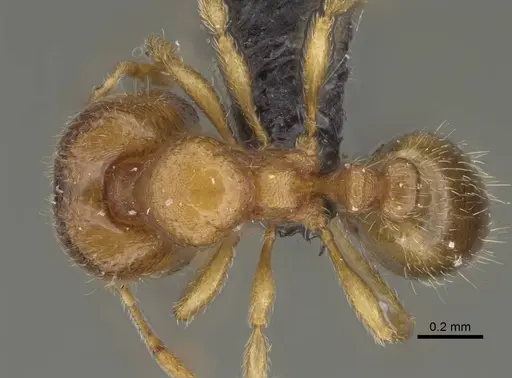
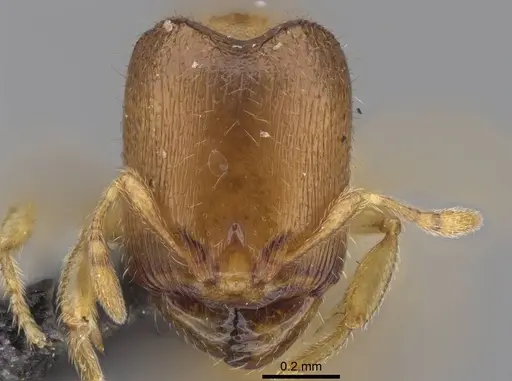
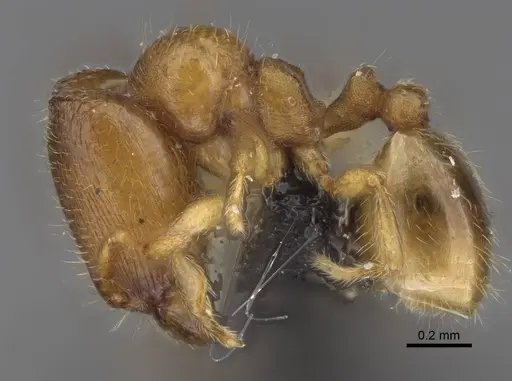
CASENT0140590
View on AntWeb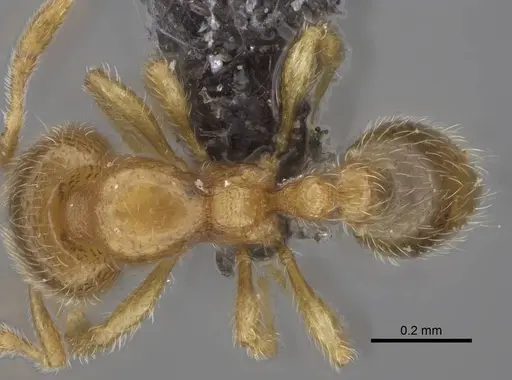
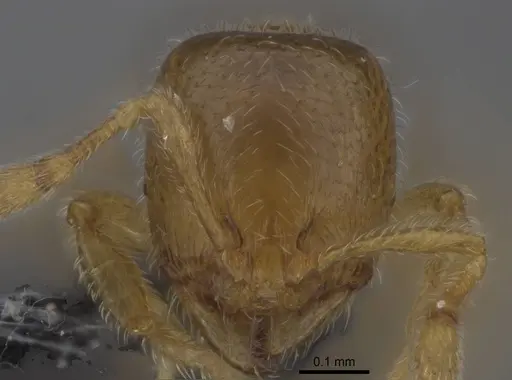
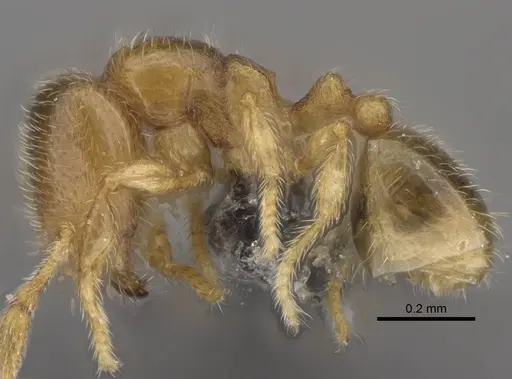
CASENT0140593
View on AntWeb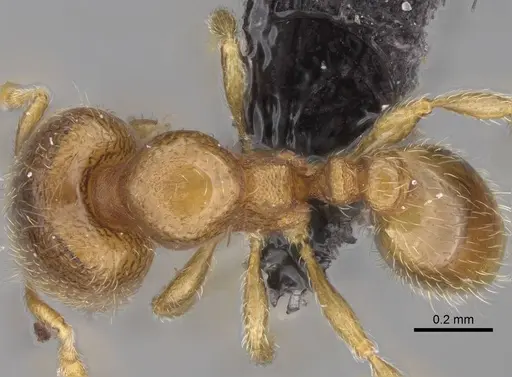
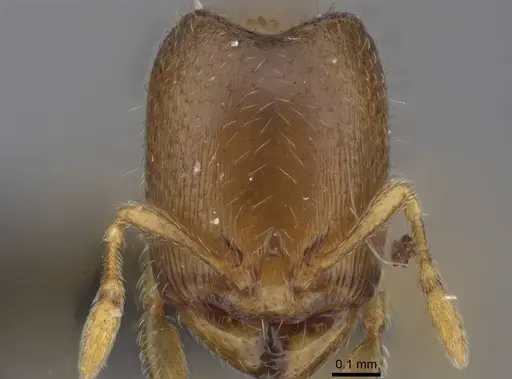
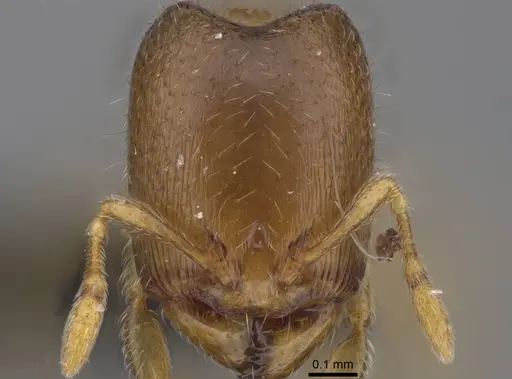
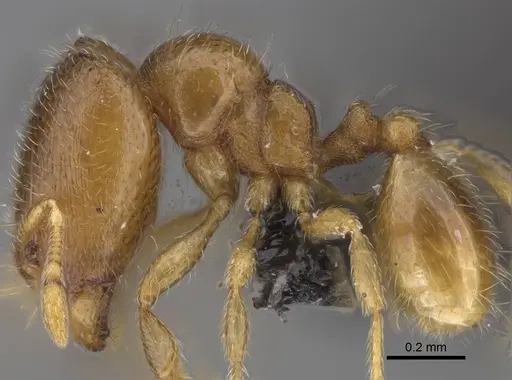
CASENT0140594
View on AntWeb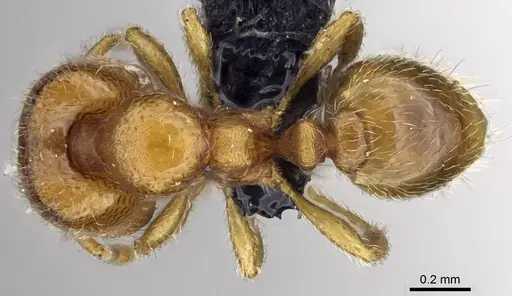
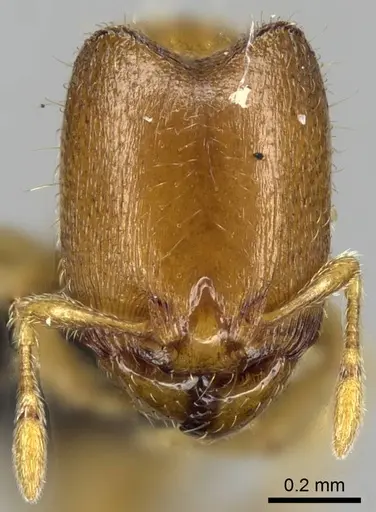
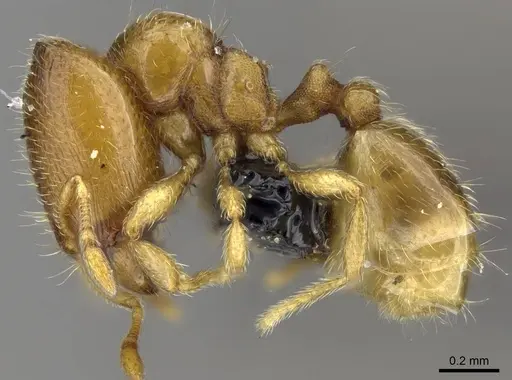
CASENT0140597
View on AntWeb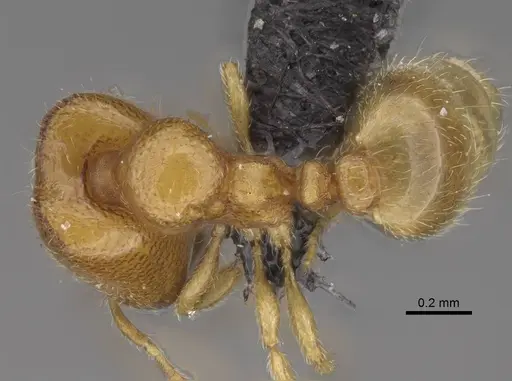
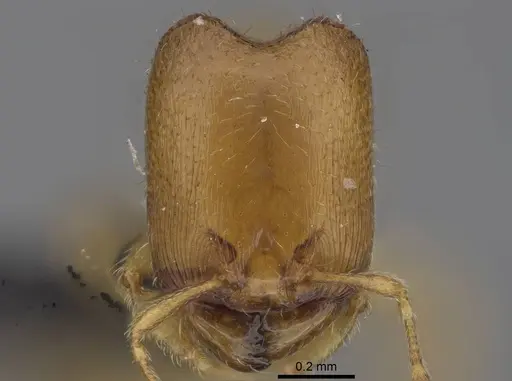
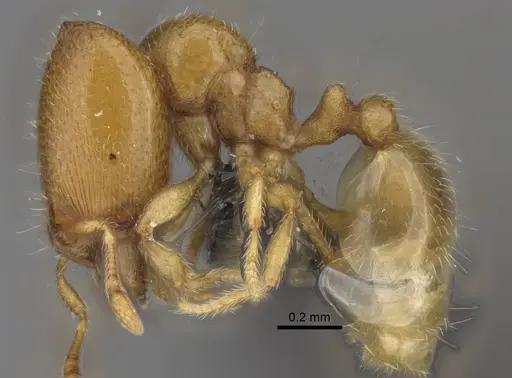
CASENT0901421
View on AntWeb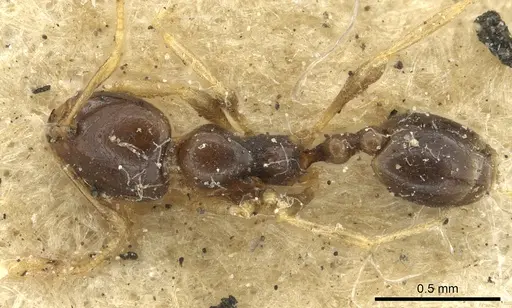
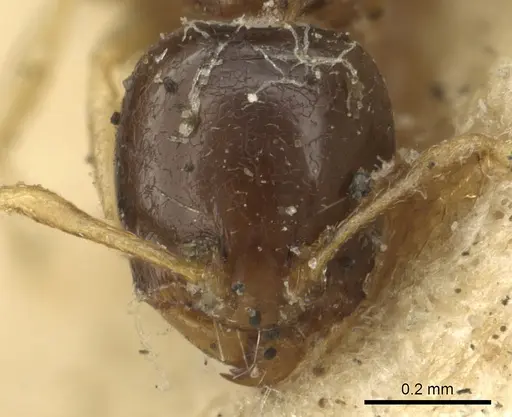
CASENT0901422
View on AntWeb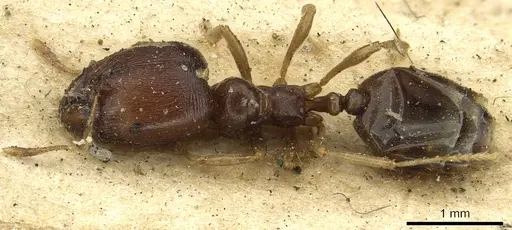
Literature
Loading...Loading products...