

Carebara pygmaea
- Scientific Name
- Carebara pygmaea
- Tribe
- Crematogastrini
- Subfamily
- Myrmicinae
- Author
- Emery, 1887
- Distribution
- Found in 2 countries
Carebara pygmaea Overview
Carebara pygmaea is an ant species of the genus Carebara. It is primarily documented in 2 countries , including Brunei Darussalam, Malaysia. Detailed taxonomic data and occurrence records can be further explored via authoritative databases such as AntWeb or the Global Biodiversity Information Facility (GBIF).
Carebara pygmaea
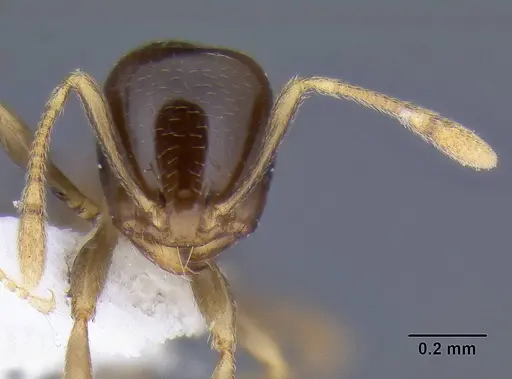
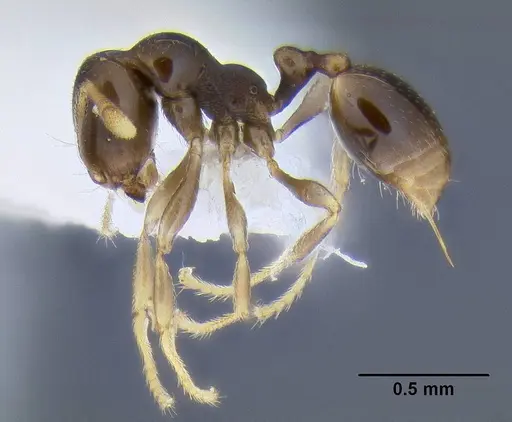
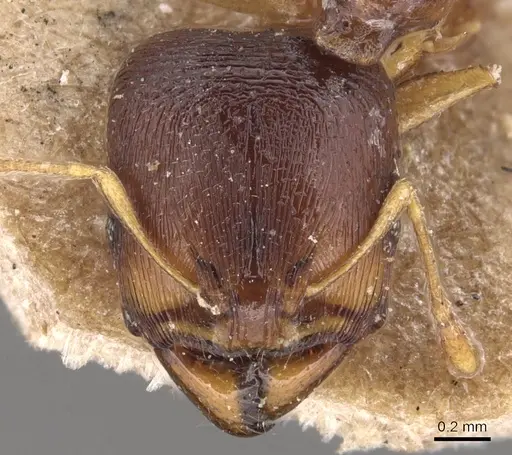
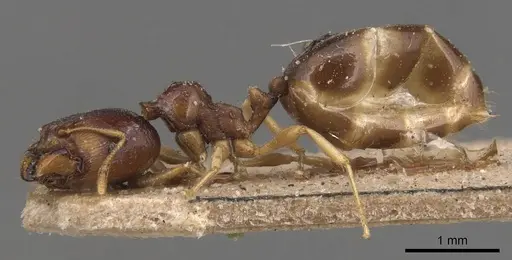
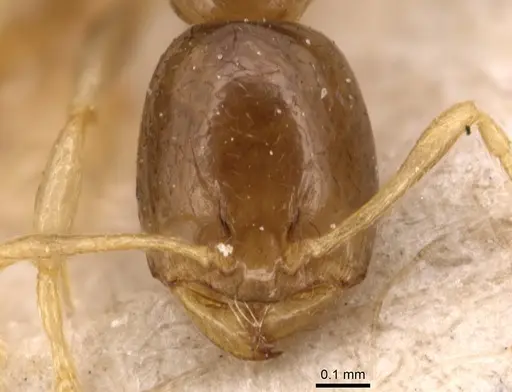
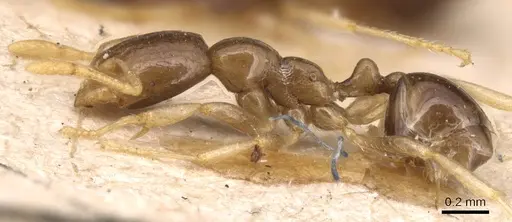
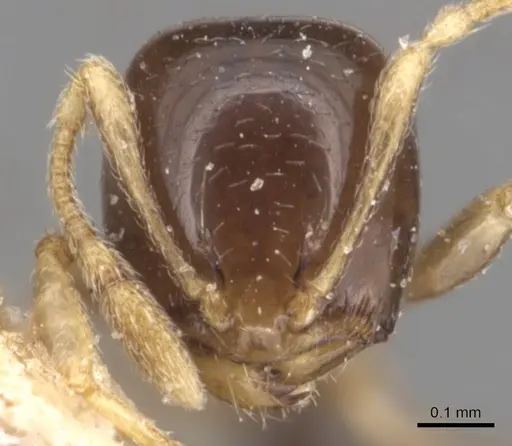
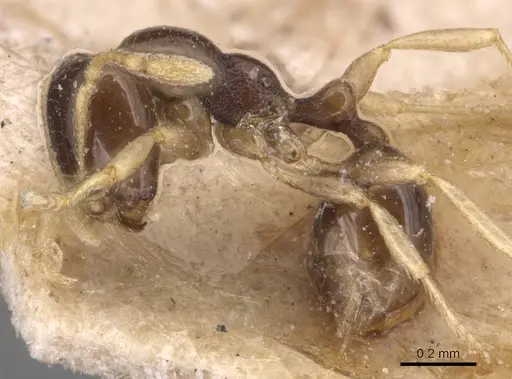
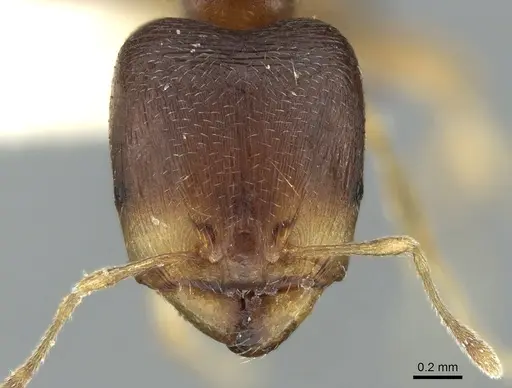
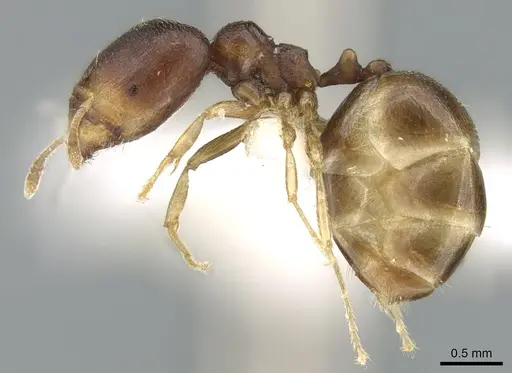
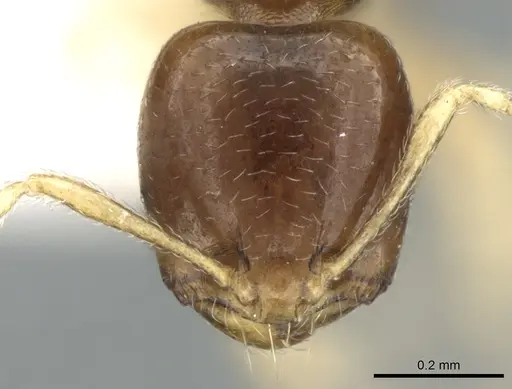
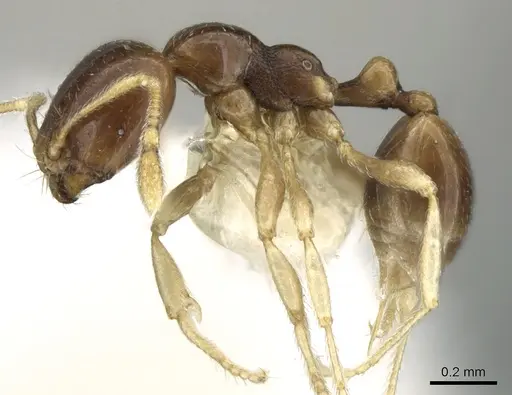
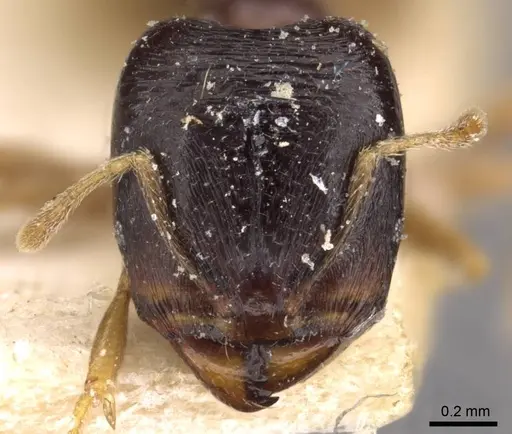
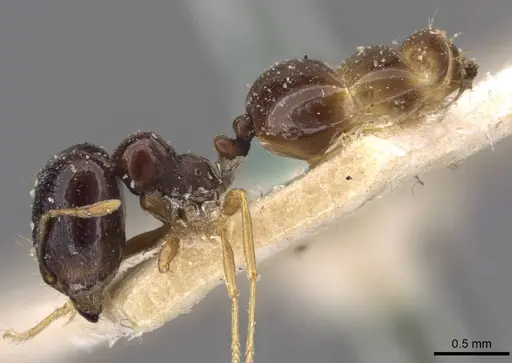
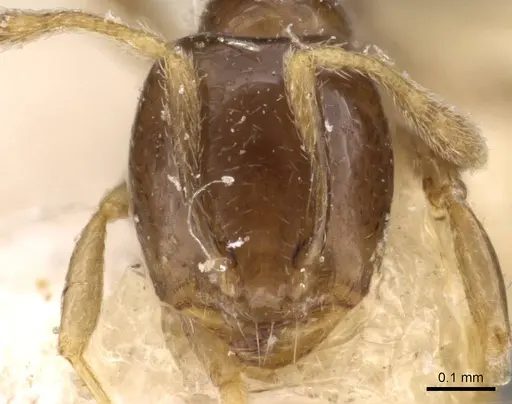
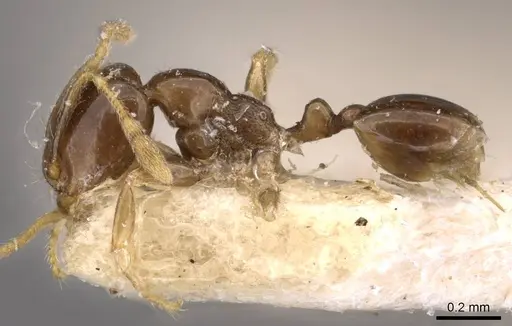
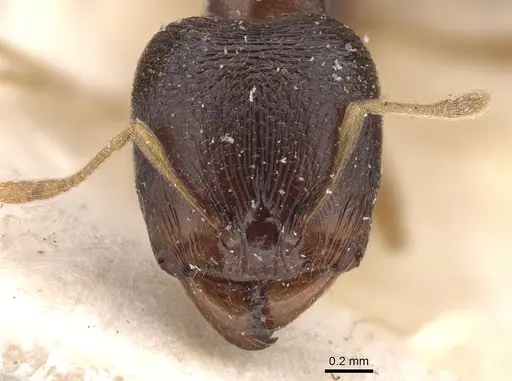
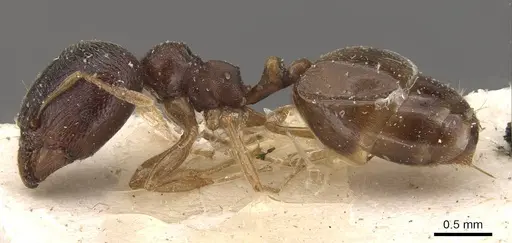
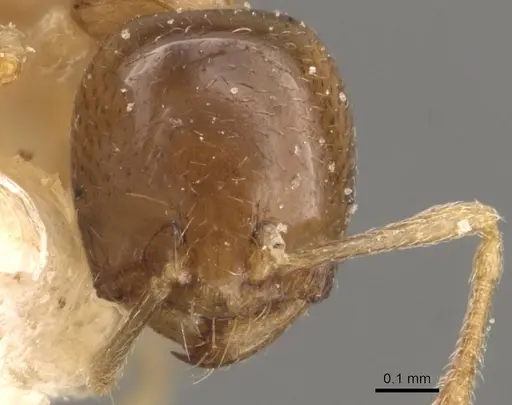
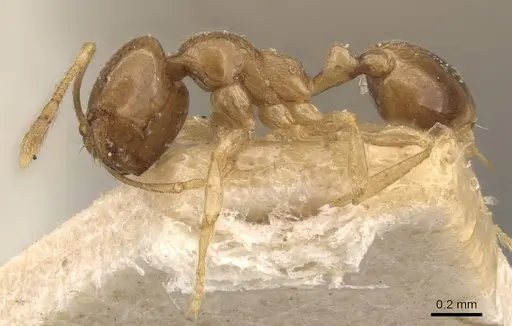
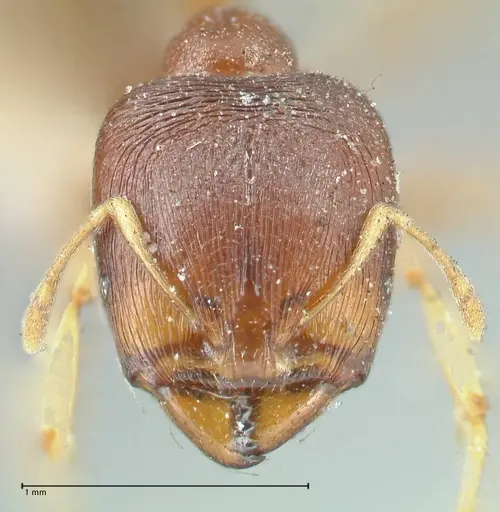
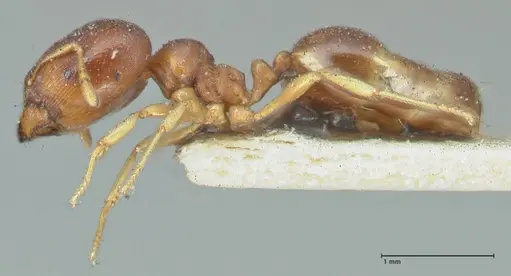
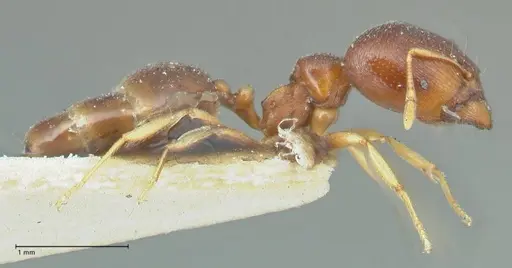
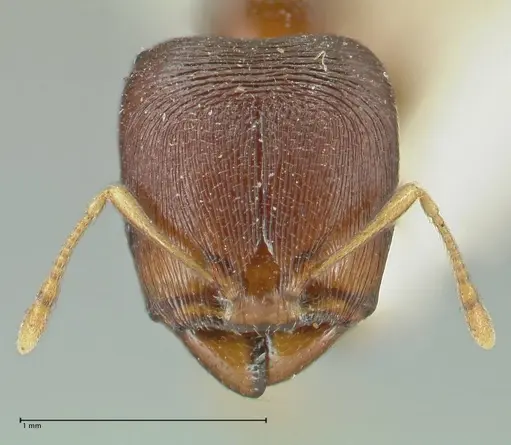
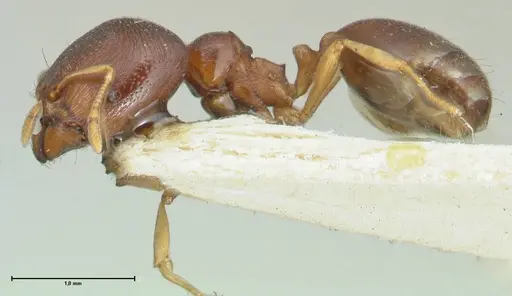
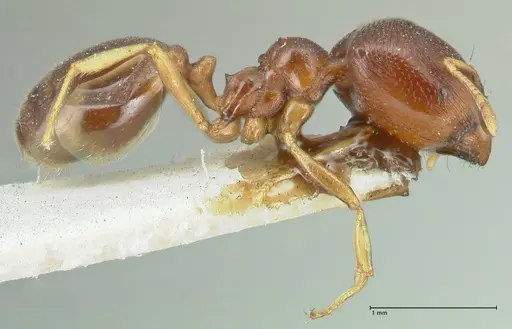
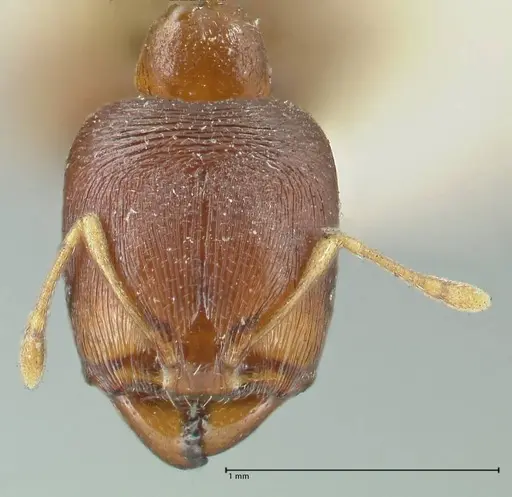
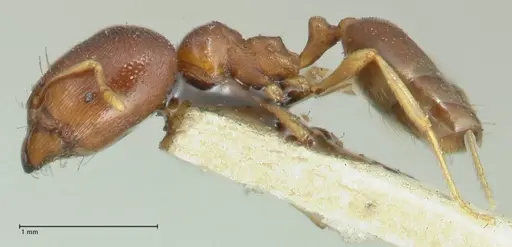
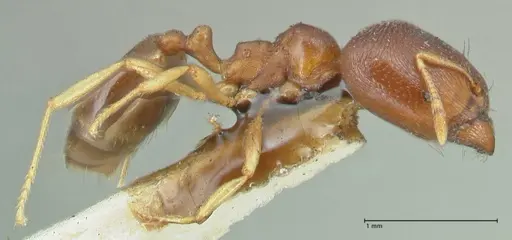
Carebara pygmaea is a small myrmicine ant found across Southeast Asia, from Sri Lanka through Thailand, Malaysia, Indonesia, and the Philippines. Major workers reach about 4mm in length while minors are much smaller at just 2mm. The species has a distinctive appearance: majors lack erect hairs on the head and body, have a nearly absent propodeal spine, and show fine striation patterns on the head. Minors are reddish-brown with a smooth, shiny propodeal dorsum. This is a venomous species, field collectors have reported itchy rashes developing within minutes of being stung and blisters appearing within two days [1][2].
What makes C. pygmaea interesting is its flexible habitat tolerance. Unlike many forest specialists, this species thrives in both disturbed areas and primary forests, from lowland areas up to 1000m elevation. Colonies nest in dead wood on the forest floor or sometimes in the dead stems of living trees, making them a true wood-dwelling species in the tropics [1][2].
Quick Summary
- Difficulty: Medium
- Origin & Habitat: Southeast Asian distribution spanning Sri Lanka, Laos, Thailand, Malaysia (Borneo), Indonesia (Sulawesi, Sumatra, Ternate), and the Philippines. Inhabits both disturbed and primary forests from 100-1000m elevation. Nests in dead logs on the forest floor or dead parts of living trees [1][2].
- Colony Type: Colony structure is not directly documented in scientific literature. Based on typical Carebara genus patterns, this species is likely polygynous (multi-queen), but this is an inference rather than confirmed fact.
- Size & Growth:
- Queen: 6.9mm [2]
- Worker: Major workers 4.13-4.16mm, minor workers 2.02-2.08mm [1][2]
- Colony: Unknown, no colony size data available in scientific literature
- Growth: Unknown, development timeline has not been studied
- Development: Unknown, no direct measurements available. Based on typical Myrmicinae patterns in tropical species, estimate 4-8 weeks at optimal temperature. (Development timeline is unconfirmed. Related Carebara species typically develop faster in warm tropical conditions.)
- Antkeeping:
- Temperature: Tropical species, keep at 24-28°C. Provide a gentle temperature gradient allowing ants to self-regulate. Room temperature within this range is acceptable, use a heating cable on one side of the nest if needed.
- Humidity: High humidity required, reflecting their forest floor nesting habits. Keep nest substrate consistently moist but not waterlogged. Provide a water tube for drinking water. Mist the outworld occasionally but avoid constant dampness that promotes mold.
- Diapause: No, as a tropical species, they do not require hibernation. Maintain consistent warm temperatures year-round.
- Nesting: Y-tong (acrylic) nests work well for this species, or plaster nests that can hold moisture. The key is providing humid, wood-based nesting chambers. They naturally nest in dead logs, so incorporating small pieces of wood or bark into the nest setup mimics their natural environment. Avoid dry setups.
- Behavior: This is a cryptic, ground-dwelling species that nests in dead wood. Workers are small and relatively slow-moving compared to some Myrmicinae. They are venomous, their sting causes itchy rashes and can produce blisters in sensitive individuals. Handle with care and use proper escape prevention. Minor workers are very tiny (2mm) and can squeeze through small gaps, so fine mesh barriers are essential. They are likely nocturnal or crepuscular foragers based on their forest floor habitat.
- Common Issues: tiny minor workers mean escape prevention must be excellent, use fine mesh and tight-fitting lids, venomous sting can cause skin reactions, handle colony with care and avoid direct contact, high humidity needs can lead to mold if ventilation is poor, slow growth and unknown development timeline may frustrate keepers expecting fast results, wood-nesting species need appropriate nest material, test tubes alone may not suffice
Housing and Nest Preferences
Carebara pygmaea naturally nests in dead wood, most colonies are collected from dead logs on the forest floor, and occasionally from dead parts of living trees [1][2]. For captive care, Y-tong (acrylic) nests or plaster nests work well because they can maintain humidity. The key requirement is providing moist, wood-based nesting chambers that mimic their natural environment. Avoid completely dry setups. A naturalistic setup with small pieces of rotting wood or bark chips placed in a humid chamber can also work. Because minors are only 2mm long, ensure all connections between nest and outworld are sealed with fine mesh or cotton barriers that prevent escape.
Feeding and Diet
The specific diet of Carebara pygmaea has not been studied, but based on typical Carebara and Myrmicinae feeding patterns, they are likely omnivorous. They probably consume small insects, honeydew, and may accept sugar sources. Offer small protein sources like fruit flies, small mealworms, or other tiny arthropods. Sugar water or honey can be offered occasionally, though acceptance may vary. Feed small amounts of protein 2-3 times per week and provide a constant sugar water source. Remove uneaten prey after 24-48 hours to prevent mold.
Temperature and Humidity Requirements
As a tropical species from Southeast Asia, Carebara pygmaea requires warm temperatures between 24-28°C. They inhabit lowland to highland forests (100-1000m elevation) across Thailand and surrounding countries, indicating they can tolerate a range of conditions but prefer warmth [1][2]. Provide a temperature gradient so workers can self-regulate by moving between warmer and cooler areas of the nest. High humidity is essential, their natural habitat is the damp forest floor where dead logs provide moisture. Keep the nest substrate consistently moist but not flooded. A water tube should be provided for drinking water.
Safety and Handling
Carebara pygmaea is venomous. A field collector was stung during an ant survey in western Thailand and developed itchy rashes within minutes, with blisters appearing within two days [1][2]. This is important for antkeepers to know, while the sting is not medically significant for most people, it can cause skin reactions. Handle the colony with care, avoid direct contact with ants, and use caution when opening nests or feeding. The venom is not dangerous to healthy humans but can cause discomfort. This species should not be handled with bare hands.
Growth and Development
The development timeline for Carebara pygmaea has not been directly studied. Major workers reach 4.13-4.16mm while minors are much smaller at 2.02-2.08mm [1][2]. Queens are significantly larger at 6.9mm [2]. Based on typical Myrmicinae development patterns in tropical species, expect egg-to-worker development to take approximately 4-8 weeks at optimal temperature (around 26°C). The first workers (nanitics) will likely be smaller than normal workers. Growth rate is unknown but likely moderate for a tropical species. Keepers should be patient as this species has not been well-studied in captivity and exact timelines are uncertain.
Frequently Asked Questions
How long does it take for Carebara pygmaea to produce first workers?
The exact development timeline is unknown, it has not been scientifically studied. Based on typical Myrmicinae patterns for tropical species, expect approximately 4-8 weeks from egg to first worker at optimal temperature (around 26°C). Be patient as this species is not well-documented in captivity.
Do Carebara pygmaea ants sting?
Yes, they are venomous. A field collector was stung and developed itchy rashes within minutes and blisters within two days [1][2]. While not medically dangerous for healthy individuals, the sting can cause skin irritation. Handle with care and avoid direct contact.
What do Carebara pygmaea eat?
Specific diet studies are lacking, but they likely accept small insects (like fruit flies or small mealworms), honeydew, and sugar water. Offer small protein sources 2-3 times per week and provide constant access to sugar water or honey. Remove uneaten food promptly.
What temperature do Carebara pygmaea need?
Keep them at 24-28°C. This is a tropical species from Southeast Asia, so warmth is essential. A temperature gradient allowing self-regulation is ideal. Room temperature within this range works well.
Are Carebara pygmaea good for beginners?
This species is rated as Medium difficulty. While not the most challenging ant, they have specific humidity needs and their venomous sting requires careful handling. The main challenges are maintaining proper humidity, preventing escapes due to their tiny size, and the uncertainty around their development timeline.
Do Carebara pygmaea need hibernation?
No, they do not require hibernation. As a tropical species from Southeast Asia, they need consistent warm temperatures year-round. Do not expose them to cold temperatures or simulate winter conditions.
How big do Carebara pygmaea colonies get?
Colony size is unknown, no scientific data exists on maximum colony size for this species. Based on typical Carebara patterns, they likely reach several hundred to a few thousand workers, but this is an estimate.
Can I keep multiple Carebara pygmaea queens together?
Not enough is known about their colony structure to answer this. While many Carebara species are polygynous (multi-queen), specific data for C. pygmaea is lacking. It is not recommended to combine unrelated foundresses unless documented.
Why are my Carebara pygmaea escaping?
Minor workers are only 2mm long, they can easily squeeze through tiny gaps. Use fine mesh (at least 0.5mm) on all ventilation and connection points. Check all seams and edges where the nest meets the outworld. Cotton barriers should be packed tightly.
References

This caresheet is licensed under CC BY-SA 4.0 .
CASENT0106280
View on AntWeb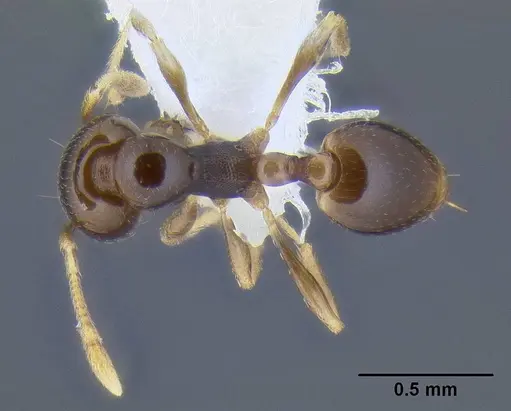
CASENT0904653
View on AntWeb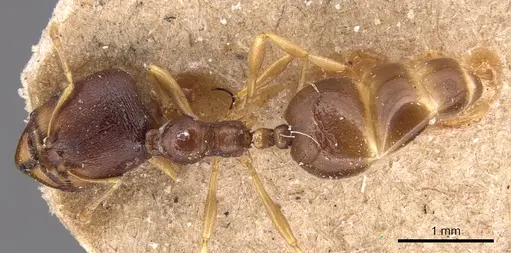
CASENT0904654
View on AntWeb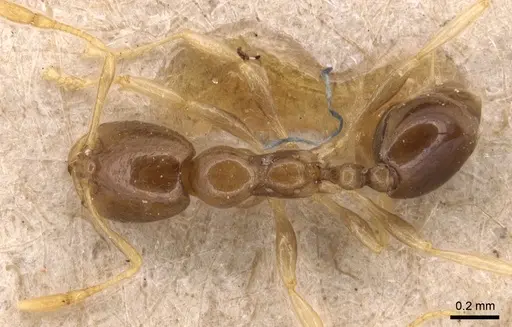
CASENT0904655
View on AntWeb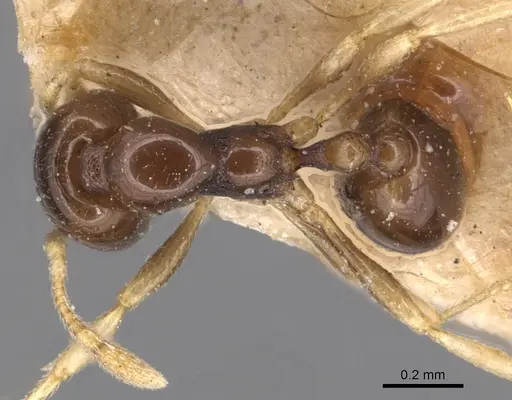
CASENT0906203
View on AntWeb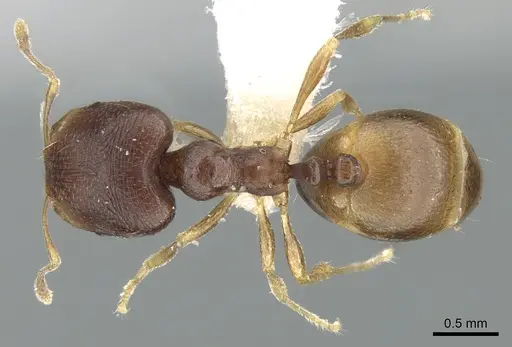
CASENT0906214
View on AntWeb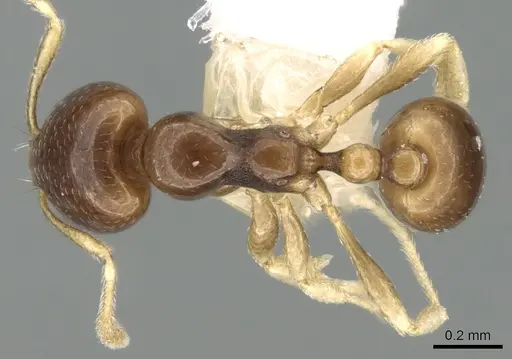
CASENT0908886
View on AntWeb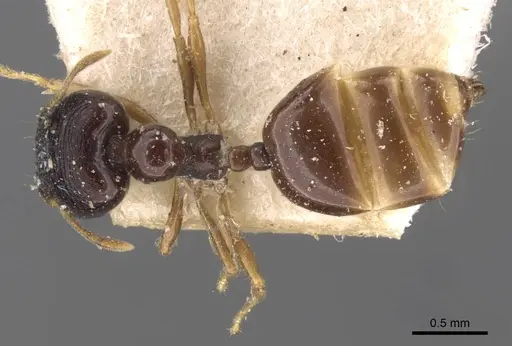
CASENT0908887
View on AntWeb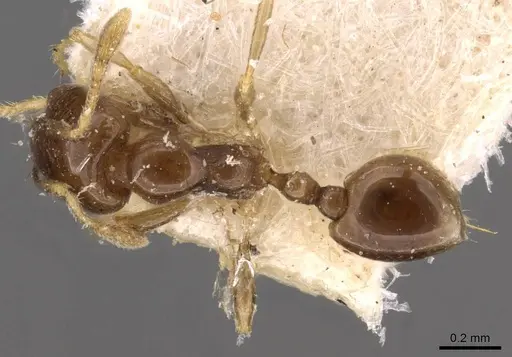
CASENT0908951
View on AntWeb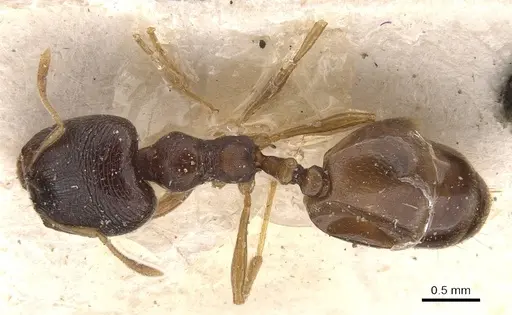
CASENT0908952
View on AntWeb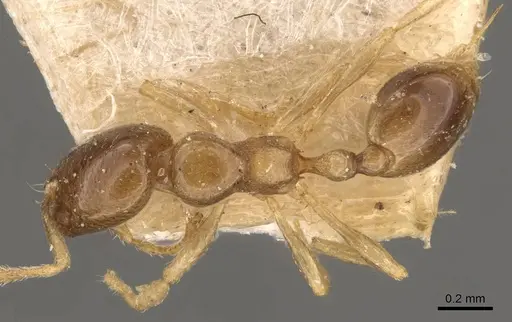
FOCOL1913
View on AntWeb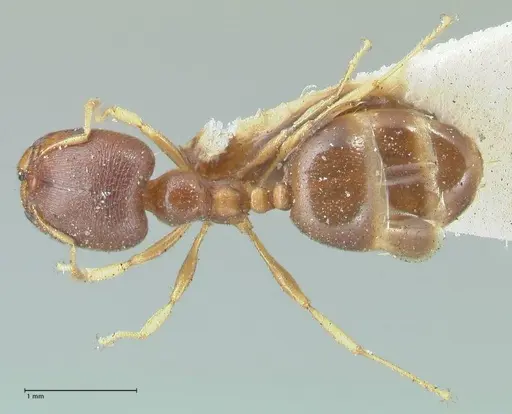
FOCOL1914
View on AntWeb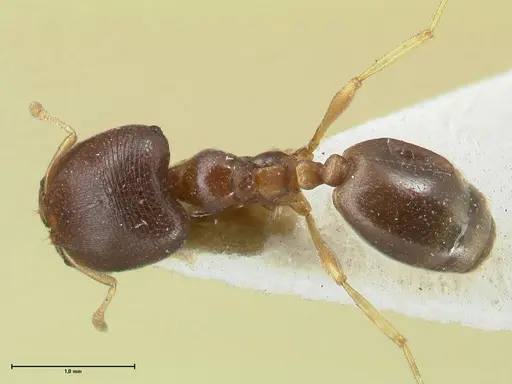
FOCOL1915
View on AntWeb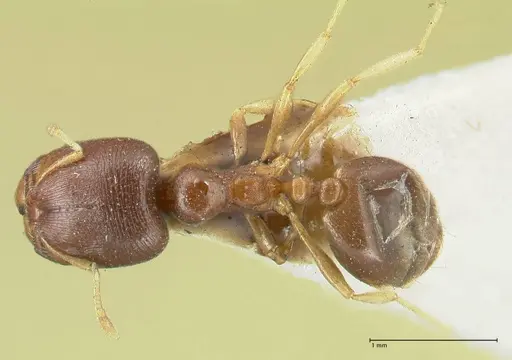
Literature
Loading...Loading products...