

Carebara propomegata
- Scientific Name
- Carebara propomegata
- Tribe
- Crematogastrini
- Subfamily
- Myrmicinae
- Author
- Bharti & Kumar, 2013
- Distribution
- Found in 1 countries
Carebara propomegata Overview
Carebara propomegata is an ant species of the genus Carebara. It is primarily documented in 1 countries , including India. Detailed taxonomic data and occurrence records can be further explored via authoritative databases such as AntWeb or the Global Biodiversity Information Facility (GBIF).
Carebara propomegata
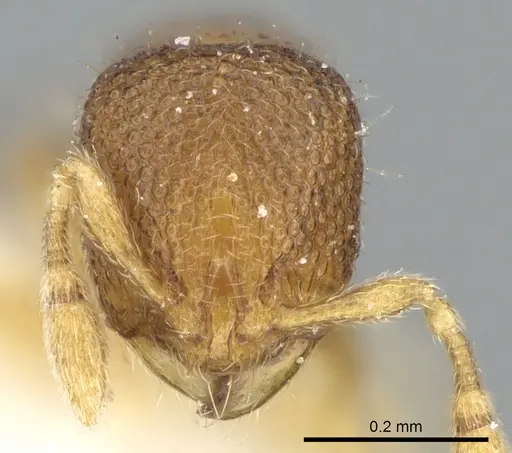
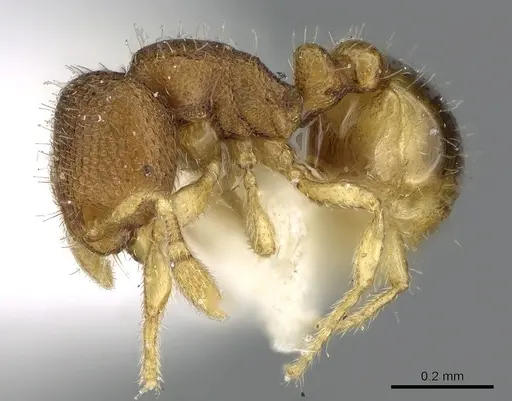
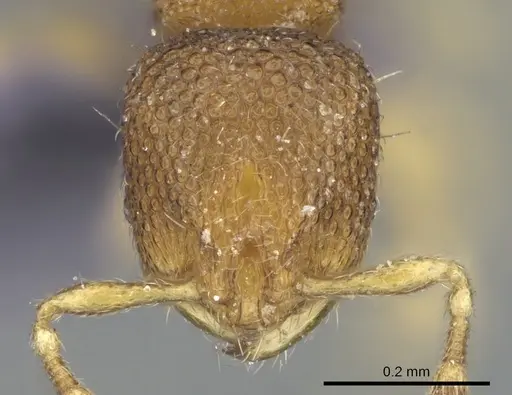
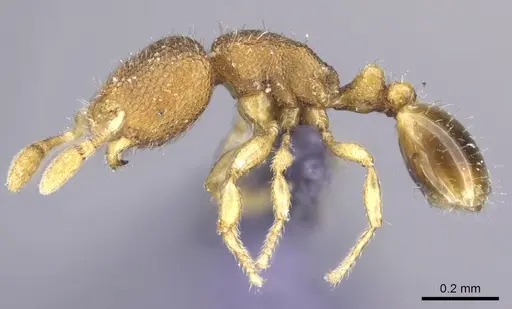
Carebara propomegata is an extremely tiny ant species endemic to the Shivalik range of north-western Himalaya in India. Workers measure just 1.4mm in total length, making them one of the smaller ant species you'll encounter. They have a yellowish body with a brownish yellow gaster (abdomen), nine-segmented antennae, and distinctive features including a single long stiff hair on the scape (antenna base) and two pairs of long hairs near the back of the head. The species name 'propomegata' refers to their notably large propodeal lobes (the rear body segment). This ant is known only from the worker caste, no queens or males have been described yet. Found at elevations between 250-400m in soil cores from Jammu & Kashmir, Himachal Pradesh, and Punjab, this species represents a poorly studied member of the Indian ant fauna.
Quick Summary
- Difficulty: Unknown, biology unstudied
- Origin & Habitat: Endemic to the Shivalik range of north-western Himalaya in India, found in Himachal Pradesh, Jammu & Kashmir, and Punjab at elevations of 250-400m [1][2]
- Colony Type: Unknown, only worker caste known, colony structure unstudied
- Size & Growth:
- Queen: Unknown, queen not described
- Worker: 1.39-1.43mm total length [1]
- Colony: Unknown, colony size unstudied
- Growth: Unknown
- Development: Unknown, development has not been studied (Based on tiny size and typical Carebara patterns, development is likely relatively fast but specific timeline unknown)
- Antkeeping:
- Temperature: Estimated 22-26°C based on lowland Himalayan habitat, no direct data available
- Humidity: Moderate humidity likely preferred, found in soil cores from subtropical foothills
- Diapause: Unknown, no seasonal data available
- Nesting: Likely soil-nesting based on collection method (soil cores). A small test tube setup or mini formicarium with moist substrate would be appropriate.
- Behavior: Behavior is completely unstudied. Based on genus patterns, they are likely ground-nesting and may be predatory on small arthropods given their tiny size. Escape prevention is critical due to their extremely small size (1.4mm).
- Common Issues: complete lack of biological data makes captive care speculative, extremely small size creates high escape risk through tiny gaps, no confirmed diet, must experiment with small live prey, colony structure unknown, cannot determine if single or multi-queen, no information on founding behavior or development timeline
Why This Species Is Challenging to Keep
Carebara propomegata presents a unique challenge in antkeeping: virtually nothing is known about its biology. This species was described in 2013 from worker specimens collected in soil cores across the Shivalik hills of northern India, and no queens, males, or colony observations have ever been published [1]. This means you will be essentially pioneering captive care for this species, every observation you make contributes to our knowledge. There are no established care guidelines, no documented diet preferences, no known development timelines, and no confirmed colony structure. This makes C. propomegata a species for experienced antkeepers who enjoy experimentation and careful observation rather than following established protocols.
Size and Escape Prevention
At just 1.4mm total length, Carebara propomegata is among the smallest ants you could potentially keep. Their tiny size cannot be overstated, workers are barely visible to the naked eye and can squeeze through gaps that would stop larger ants entirely. If you attempt to keep this species, escape prevention must be absolute. Use only test tubes with tight-fitting cotton plugs, or formicariums with very fine mesh barriers. Even standard 'ant-proof' setups may not contain them. The single-ommatidium eyes (meaning they have just one visual unit per eye) suggest they are largely blind and may rely on chemical trails, so ensure your setup has adequate surfaces for pheromone marking [1].
Natural Habitat and Temperature
This species is known from the Shivalik range, which is the foothills of the north-western Himalayas in India. Collection localities include Ramnagar Wildlife Sanctuary in Jammu & Kashmir (400m elevation), Paonta Sahib and Saketi in Himachal Pradesh (300-350m), and Patiala in Punjab (250m) [1]. These are lowland subtropical areas with warm summers and mild winters. Based on this habitat, estimated temperatures of 22-26°C would be appropriate as a starting point. However, without any documented field observations or captive data, these are educated guesses rather than confirmed requirements. Monitor your colony closely and adjust based on activity levels.
Nesting and Setup Recommendations
Carebara propomegata workers have been collected exclusively from soil cores, indicating they are ground-nesting ants that excavate in soil [1]. For captivity, a small test tube setup with clean, moist cotton as a water reservoir is the safest starting point, this allows you to easily observe the colony and maintain appropriate humidity. Given their tiny size, avoid setups with large open spaces, instead, provide small chambers and narrow passages. A small acrylic nest or ytong formicarium with appropriately scaled chambers would work once the colony is established. The 9-segmented antennae and single-ommatidium eyes suggest they are adapted to dark, enclosed spaces [1].
Diet and Feeding - Complete Unknown
The diet of Carebara propomegata is completely unstudied. No gut content analyses, feeding observations, or dietary experiments have been published. Based on typical Carebara genus patterns and their tiny size, they likely prey on small micro-arthropods like springtails, mites, and other soil fauna. As a starting experiment, you could offer tiny live prey such as springtails, fruit fly larvae, or other small insects. Sugar sources may or may not be accepted, some Carebara species tend toward predation while others are more omnivorous. Document your feeding experiments carefully, as any acceptance data would be valuable new information for this species.
What Makes This Species Notable
Despite being one of the smaller ant species in India, Carebara propomegata has some distinctive morphological features. The species name 'propomegata' literally means 'large rear' and refers to their notably large propodeal lobes, the triangular appendages at the rear of the mesosoma [1]. They can be distinguished from related species like Carebara rara by having only a single long stiff hair on the leading edge of the scape (versus two in C. rara) and only two pairs of long hairs near the back of the head (versus three to four pairs in C. rara) [1]. The fact that only workers are known makes this species particularly interesting for taxonomic study, discovering the queen would be a significant contribution to ant biology.
Frequently Asked Questions
How long do Carebara propomegata workers live?
This has not been studied. No lifecycle data exists for this species.
Can I keep Carebara propomegata in a test tube?
Yes, a test tube setup is likely the best starting point given their tiny size. Use tight-fitting cotton and ensure no gaps exist, these ants are extremely small and can escape from setups that would contain larger species.
What do Carebara propomegata eat?
Unknown, their diet has never been studied. Based on genus patterns, they likely prey on tiny soil arthropods. You could experiment with springtails, fruit flies, and other small live prey. Sugar water acceptance is unconfirmed.
Are Carebara propomegata good for beginners?
No. This species has no documented biology, no established care guidelines exist. Keeping this ant requires significant experimentation and careful observation. Only experienced antkeepers should attempt this species.
Do Carebara propomegata queens exist?
Queens have not been described or collected. Only minor workers are known from scientific literature [3]. The queen caste may be undescribed or this species may have ergatoid (worker-like) reproductives.
How big do Carebara propomegata colonies get?
Unknown, colony size has not been studied. Related Carebara species typically form colonies ranging from dozens to several hundred workers.
Do Carebara propomegata need hibernation?
Unknown, no seasonal data exists. Based on their lowland Himalayan habitat (250-400m elevation), they likely experience mild winters and may not require a strong diapause period.
Why is Carebara propomegata so hard to find?
Their tiny size (1.4mm) and ground-nesting habits make them difficult to detect. They are collected using soil cores rather than the visual collection methods used for larger ants [1].
Will Carebara propomegata sting?
Unknown, sting apparatus has not been studied. Given their extremely small size, any sting would likely be negligible to humans even if present.
When do Carebara propomegata have nuptial flights?
Unknown, nuptial flight timing has not been documented. Workers were collected in July and October, but this reflects collector effort, not necessarily flight timing [1].
How fast do Carebara propomegata colonies grow?
Unknown, no development data exists. Based on their tiny size, development may be relatively fast compared to larger ant species, but this is speculative.
Can I keep multiple Carebara propomegata queens together?
Unknown, colony structure has not been studied. The number of queens per colony is unconfirmed, and no data exists on queen introduction or colony founding behavior.
References

This caresheet is licensed under CC BY-SA 4.0 .
CASENT0906095
View on AntWeb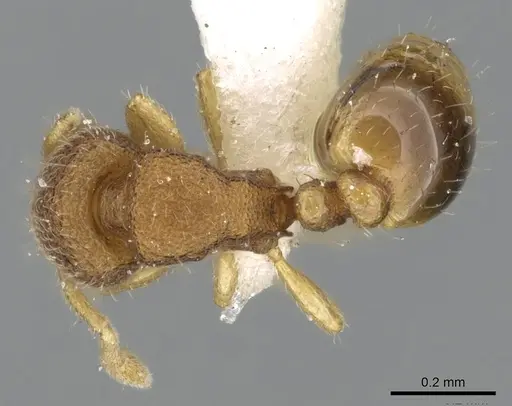
CASENT0906096
View on AntWeb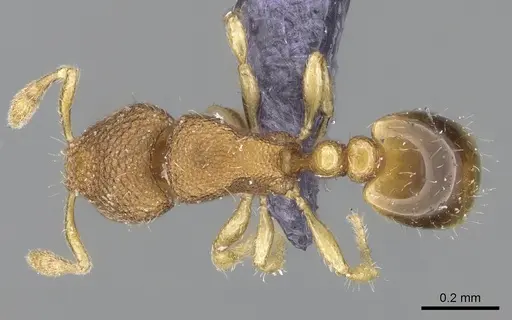
Literature
Loading...Loading products...