

Carebara perpusilla
- Scientific Name
- Carebara perpusilla
- Tribe
- Crematogastrini
- Subfamily
- Myrmicinae
- Author
- Emery, 1895
- Distribution
- Found in 8 countries
Carebara perpusilla Overview
Carebara perpusilla is an ant species of the genus Carebara. It is primarily documented in 8 countries , including Côte d'Ivoire, Kenya, Mozambique. Detailed taxonomic data and occurrence records can be further explored via authoritative databases such as AntWeb or the Global Biodiversity Information Facility (GBIF).
Carebara perpusilla
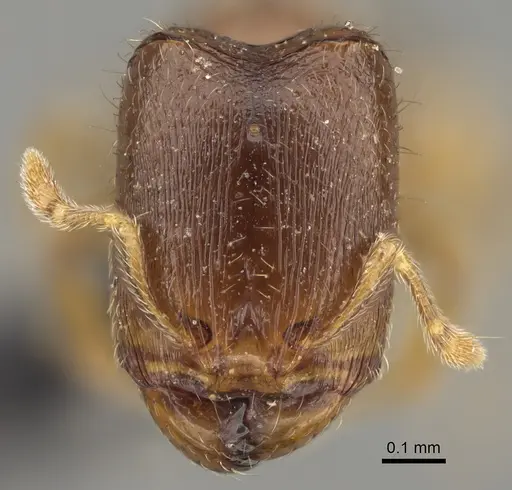
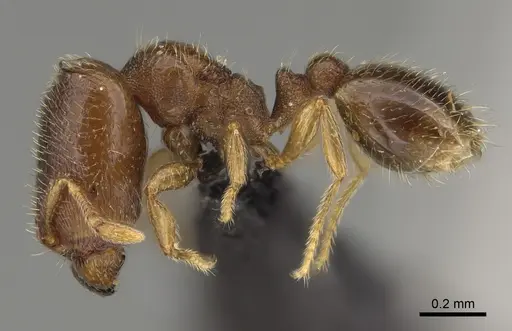
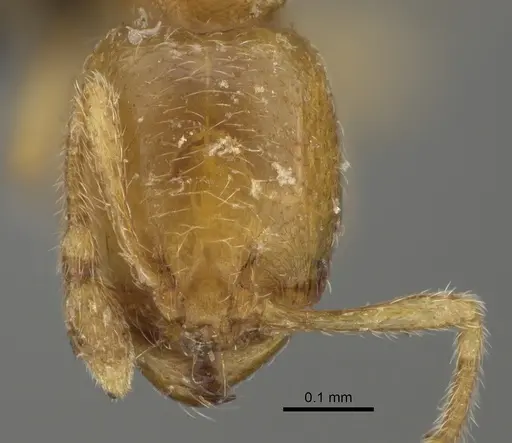
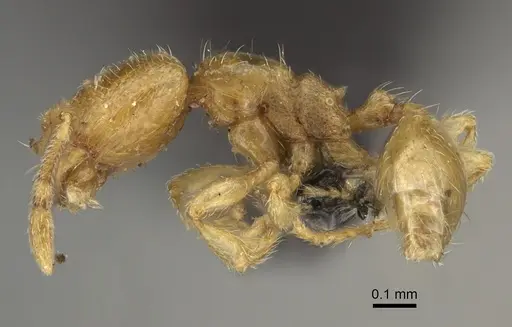
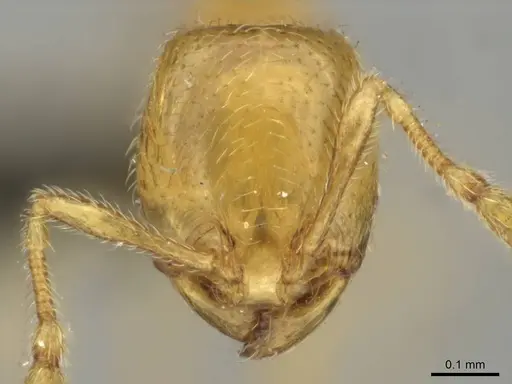
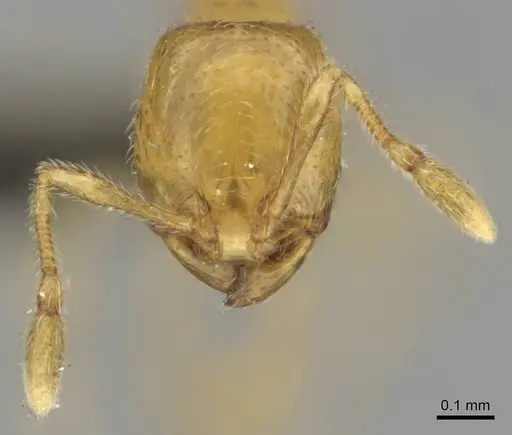
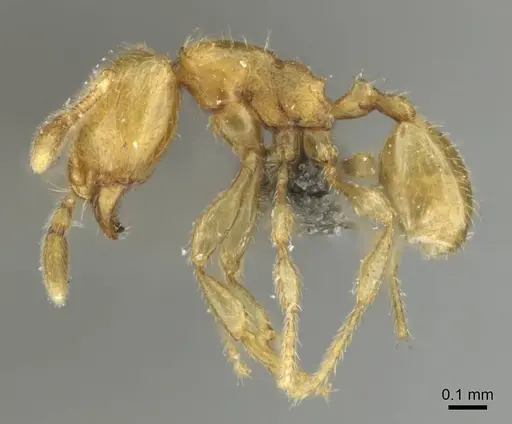
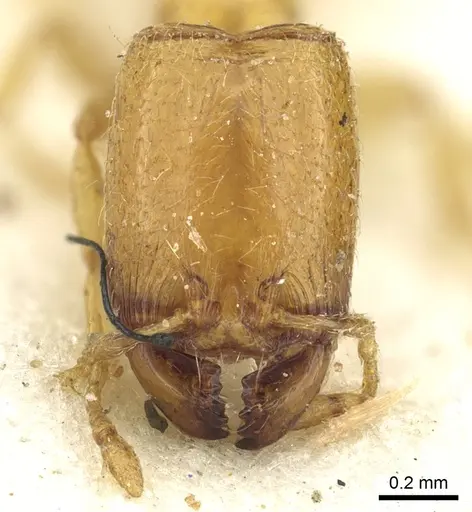
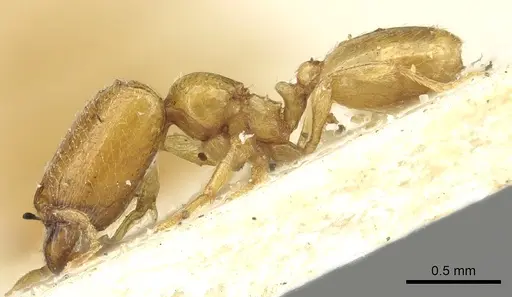
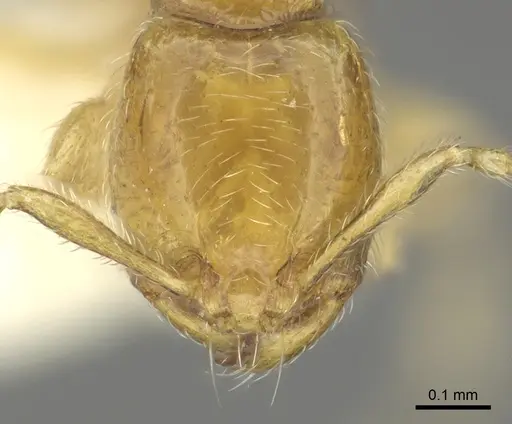
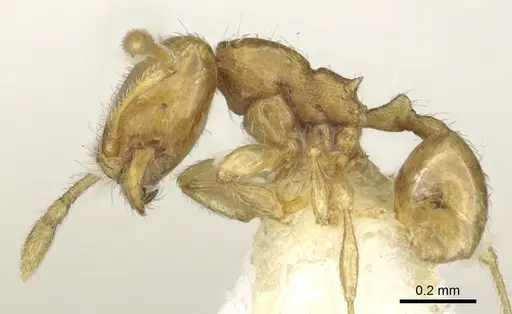
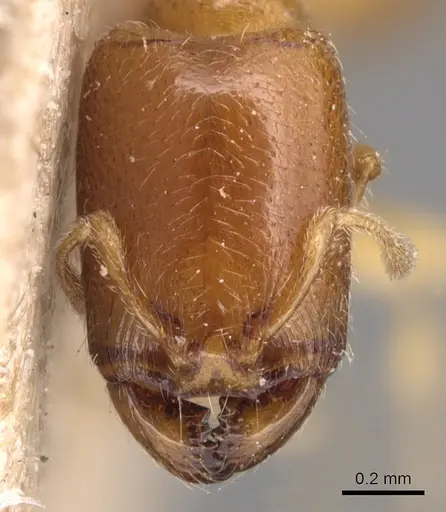
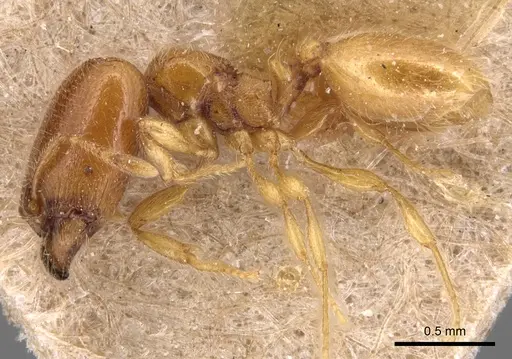
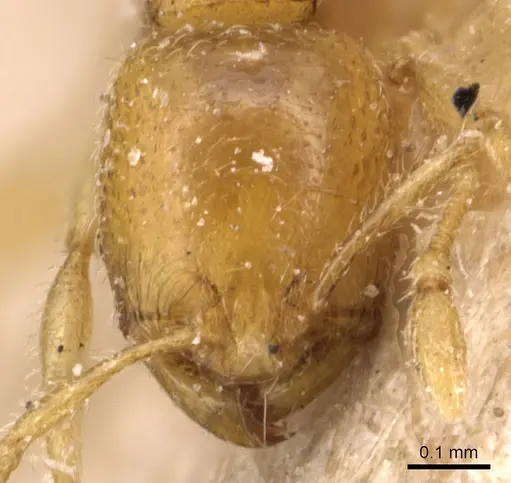
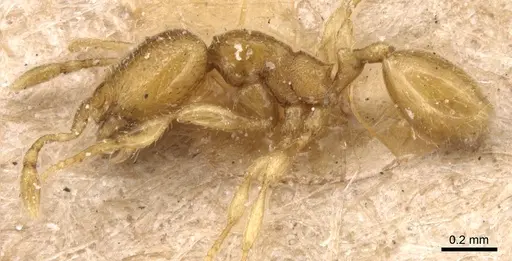
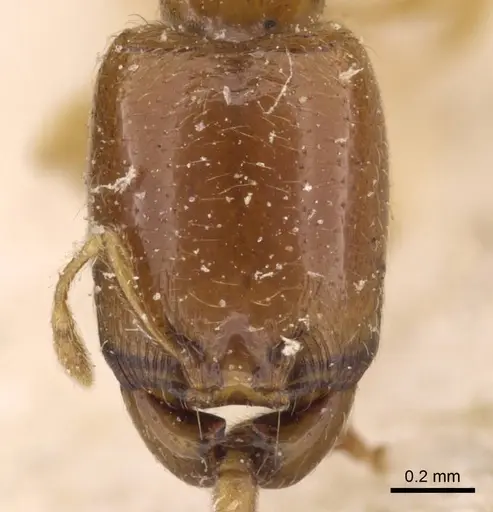
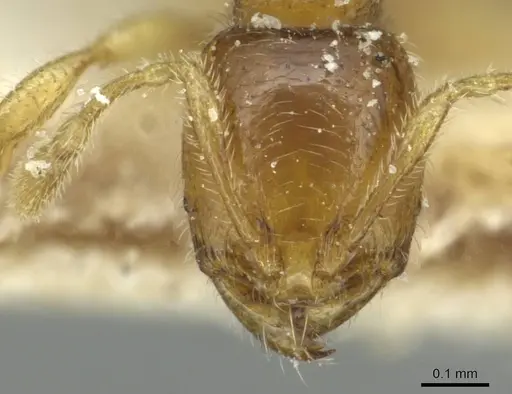
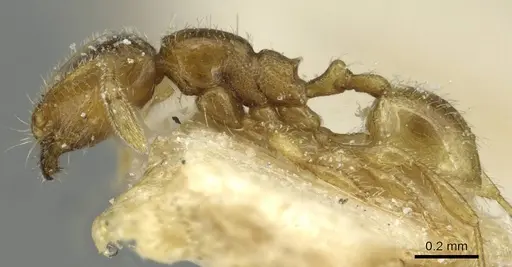
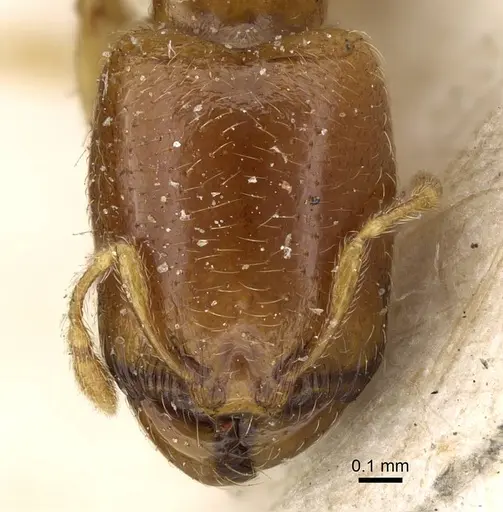
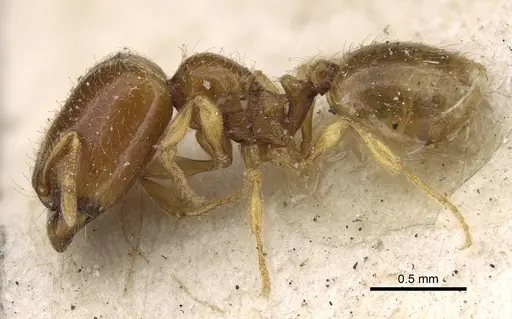
Carebara perpusilla is a tiny subterranean ant species native to southern Africa, found across Kenya, Rwanda, South Africa, Tanzania, Uganda, Zambia, and Zimbabwe [1]. This dimorphic species has two distinct worker castes: minute workers around 1.5mm and larger soldiers approximately 3.0mm [2]. Workers are yellowish orange with smooth, shiny faces, while soldiers are reddish brown with more robust build [1]. The species inhabits primary rainforests and miombo woodland at elevations between 42-2100 meters [1].
What makes C. perpusilla fascinating is its specialized caste system. Unlike typical ants where workers vary only slightly, these ants have dramatic worker-soldier dimorphism. Soldiers rarely leave the nest, some guard entrances while others become living food storage vessels (repletes) with abdomens that can swell to hold up to 92% of their body volume [2]. When workers find large prey like insect carcasses, they recruit soldiers whose powerful mandibles can cut through tough insect cuticle, allowing workers to access the meat inside [2]. This cooperation between castes makes them unique among small ants.
Quick Summary
- Difficulty: Medium
- Origin & Habitat: Southern Africa, Kenya, Rwanda, South Africa, Tanzania, Uganda, Zambia, and Zimbabwe. Found in primary rainforest (Kenya) and miombo woodland (Zambia) at elevations 42-2100m [1].
- Colony Type: Colony structure is not directly documented in research. Based on typical Carebara patterns, likely single-queen colonies with dimorphic worker castes (workers and soldiers).
- Size & Growth:
- Queen: Not directly measured in available papers, genus-level estimate suggests 4-6mm. Signal: estimated based on related Carebara species.
- Worker: Workers 1.5mm, soldiers 3.0mm [2]. Minor workers HW 0.31-0.39mm, major workers HW 0.52-0.70mm [1].
- Colony: Unknown, not documented in available research. Signal: estimated based on similar subterranean Carebara species, likely several hundred workers.
- Growth: Growth rate is unconfirmed. Signal: estimated as moderate based on genus patterns.
- Development: Timeline is unconfirmed. Signal: estimated 6-10 weeks based on typical Myrmicinae development at warm temperatures. (Direct development data not available for this species. Estimates based on genus-level patterns for small subterranean ants.)
- Antkeeping:
- Temperature: Keep at 22-26°C. This range matches their native African habitats with moderate temperatures. A gentle heat gradient allows ants to regulate their own temperature.
- Humidity: High humidity required, these are subterranean ants from rainforest and woodland habitats. Keep nest substrate consistently moist but not waterlogged. Provide a water tube for drinking water. Mist occasionally but monitor for condensation.
- Diapause: Diapause requirements are unconfirmed. Southern African ants from higher elevations may require a mild winter rest period. Monitor colony activity, if they become less active during winter months, reduce temperature to 15-18°C for 2-3 months.
- Nesting: In nature they nest in soil and leaf-litter [1]. For captivity, use a test tube setup for founding colonies, then transition to a Y-tong (AAC) or plaster nest with moist substrate. The nest should have narrow chambers scaled to their tiny size. Avoid dry, airy setups, they need moisture retention.
- Behavior: These ants are shy and non-aggressive. Workers are tiny (1.5mm) and rarely venture far from the nest, hunting soil microarthropods like springtails [2]. Soldiers are defensive, they guard nest entrances and can be recruited to help process large prey [2]. They are not known to sting. Escape prevention is critical due to their very small size, use fine mesh barriers and tight-fitting lids. Workers can squeeze through tiny gaps. They are slow-moving and somewhat secretive compared to surface-dwelling ants. The dimorphic caste system means you'll see both tiny workers and noticeably larger soldiers in established colonies.
- Common Issues: escape prevention is critical, their tiny 1.5mm workers can squeeze through the smallest gaps, colonies may fail if humidity drops too low, they are adapted to moist subterranean environments, slow growth compared to larger ant species may frustrate beginners, soldiers may appear sluggish or inactive, this is normal, they rarely leave the nest, wild-caught colonies may have parasites that can devastate captive colonies
Housing and Nest Setup
Carebara perpusilla requires moist, enclosed nest environments due to their subterranean lifestyle. For founding colonies, a standard test tube setup works well, fill the tube one-third with water, plug with cotton, and place the queen in the humid chamber. The small size of workers (1.5mm) means you should use test tubes with narrow diameters to prevent the queen from wandering into the water reservoir.
Once the colony grows to 20+ workers, consider transitioning to a Y-tong (AAC) nest or a plaster formicarium. These setups allow you to maintain high humidity while providing proper ventilation. The chambers should be relatively small and narrow, these tiny ants feel secure in tighter spaces. Avoid naturalistic setups with large open areas until the colony is well-established. A humidity gradient (moist end, drier end) lets ants choose their preferred zone. Always provide a separate water tube or sugar water feeder, they need access to liquid water [2].
Feeding and Diet
In the wild, workers hunt soil microinsects such as springtails and scavenge on larger insect carcasses [2]. They bury large prey items with soil before retrieving small meat pieces and hemolymph [2]. This means your colony needs live prey, tiny insects like springtails, fruit flies, and pinhead crickets are ideal. You can offer pre-killed insects, but they may accept them more readily if crushed slightly.
For protein, offer small live prey 2-3 times per week. Remove any uneaten prey within 24 hours to prevent mold. Sugar sources are accepted by most Carebara species, offer diluted honey or sugar water occasionally, though protein should be the primary food. Soldiers do not forage, they stay in the nest and receive food from workers [2]. If you have a soldier, don't worry if it seems inactive, this is normal behavior. The colony will bring food to it.
Temperature and Seasonal Care
Maintain temperatures between 22-26°C year-round. This species comes from southern Africa where temperatures are moderate but can vary with elevation (42-2100m) [1]. Room temperature within this range is usually suitable. If your home is cooler, use a heating cable on one side of the nest to create a gentle gradient, never place heat directly on the nest as it can dry out the substrate and kill the colony.
Regarding winter dormency, direct data is lacking. However, since they come from higher elevations in some parts of their range, a mild rest period may benefit them. If you notice reduced activity in winter (workers moving less, queen producing less brood), you can lower temperatures to 15-18°C for 2-3 months. Do not feed during this period or feed very sparingly. Always ensure water is available, dehydration is more dangerous than hunger.
Understanding the Worker-Soldier Caste System
One of the most interesting aspects of Carebara perpusilla is their dimorphic caste system. Unlike typical ants where workers vary only in size, these ants have two distinct body types. The tiny workers (1.5mm) do all the work, foraging, brood care, and nest maintenance [2]. The larger soldiers (3.0mm) have specialized roles.
Soldiers have dramatically different anatomy from workers. Their heads are larger with thicker cuticle (11.4μm vs 5.9μm in workers) and powerful mandibles designed for cutting through insect exoskeletons [2]. Their abdomens can distend dramatically, some soldiers become repletes, storing food in their crop up to 92% of their abdomen volume [2]. This food storage helps the colony survive lean periods.
In captivity, you'll likely see workers first, then soldiers appear as the colony matures. Soldiers rarely leave the nest, if you see one at the entrance, it's probably on guard duty. Don't be alarmed if soldiers seem lazy, this is their natural behavior. They exist primarily for defense and food processing, not daily foraging.
Handling and Observation
These ants are not handleable and will not interact with keepers beyond their normal behaviors. Observation is the main joy of keeping this species, watching tiny workers coordinate on prey items, seeing soldiers respond to recruitment calls, and observing the social structure.
Because they are subterranean, they spend most of their time hidden in the nest. You'll see more activity if you connect an outworld (foraging area) to the nest. The outworld should be escape-proof, these tiny ants can climb smooth surfaces and squeeze through gaps. Apply fluon or use a barrier like petroleum jelly on the rim of the outworld. A shallow water dish in the outworld prevents drowning.
Colonies grow slowly compared to larger ant species. Don't be surprised if founding takes several months before you see the first workers (nanitics). Be patient and resist the urge to overfeed, excess food mold kills colonies more often than starvation.
Frequently Asked Questions
How long does it take for Carebara perpusilla to produce first workers?
The exact timeline is unconfirmed, but based on typical Myrmicinae development, expect 6-10 weeks from egg to first worker at optimal temperature (22-26°C). Founding colonies can be slow, be patient during the claustral period.
Can I keep multiple queens together?
Combining unrelated queens of this species has not been documented. Based on typical Carebara behavior, it is not recommended, queens will likely fight. Start with a single queen for best success.
Do Carebara perpusilla ants sting?
They are not known to sting humans. Their tiny size means their stingers cannot penetrate human skin even if they tried. They are completely safe to handle in terms of venom.
What do I feed Carebara perpusilla?
Primary food should be live tiny prey like springtails, fruit flies, and small crickets. They also scavenge on larger insects, you can offer pre-killed small insects occasionally. Sugar water or honey may be accepted as a supplementary energy source.
Are Carebara perpusilla good for beginners?
They are rated as medium difficulty. Their small size and humidity requirements make them slightly challenging for complete beginners, but they are rewarding for keepers who can maintain consistent conditions.
When should I move my colony to a formicarium?
Move to a formicarium (like Y-tong or plaster nest) when the test tube becomes crowded, typically around 20-50 workers. Ensure the new nest is pre-humidified and connected to the test tube via a tube or funnel.
Why is my soldier not moving?
This is normal behavior. Soldiers rarely leave the nest, some guard entrances while others stay inside as food storage (repletes). They receive food from foragers and do not need to move to eat.
Do Carebara perpusilla need hibernation?
Diapause requirements are unconfirmed. If your colony shows reduced activity in winter, you can provide a mild rest period at 15-18°C for 2-3 months with minimal feeding. This may benefit colonies from higher elevation populations.
Why are my ants escaping?
Their tiny 1.5mm workers can squeeze through the smallest gaps. Use excellent escape prevention: fine mesh on all ventilation holes, fluon barriers on smooth surfaces, and tight-fitting lids. Check all connections between nest and outworld.
How big do Carebara perpusilla colonies get?
Maximum colony size is unknown but estimated at several hundred workers based on similar Carebara species. They are not among the largest ant species, expect moderate-sized colonies.
References

This caresheet is licensed under CC BY-SA 4.0 .
CASENT0066869
View on AntWeb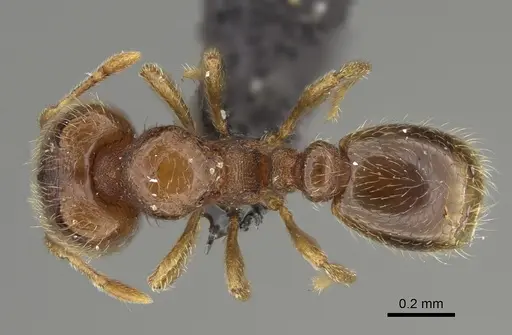
CASENT0099423
View on AntWeb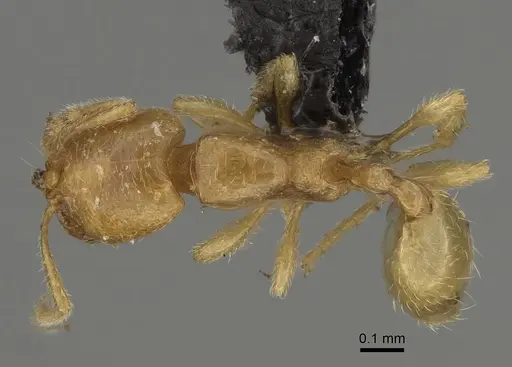
CASENT0256244
View on AntWeb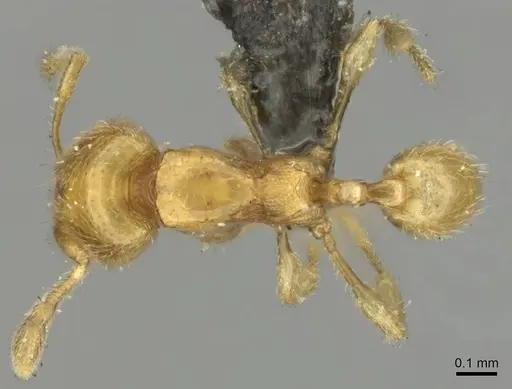
CASENT0902378
View on AntWeb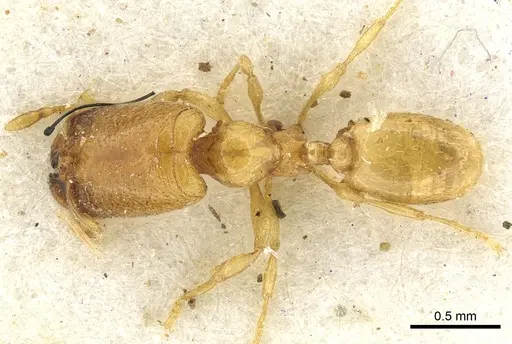
CASENT0902379
View on AntWeb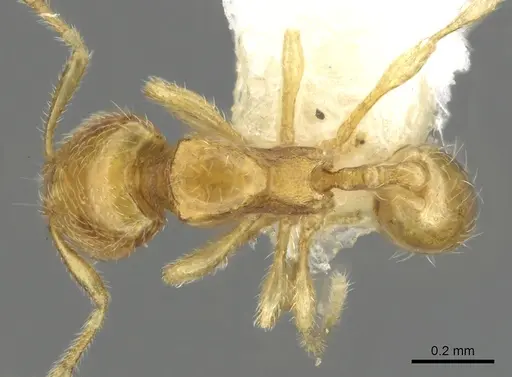
CASENT0904661
View on AntWeb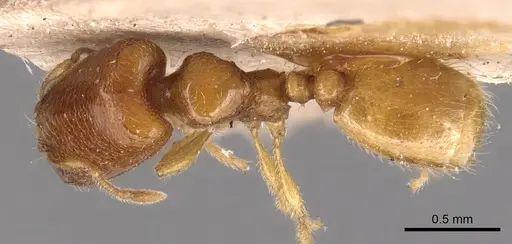
CASENT0904662
View on AntWeb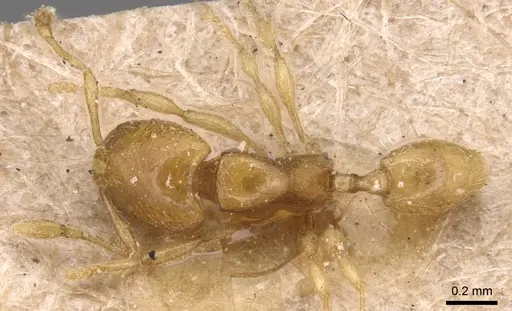
CASENT0908885
View on AntWeb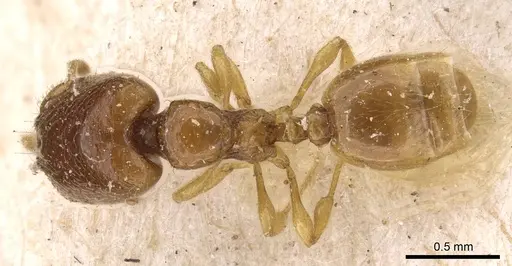
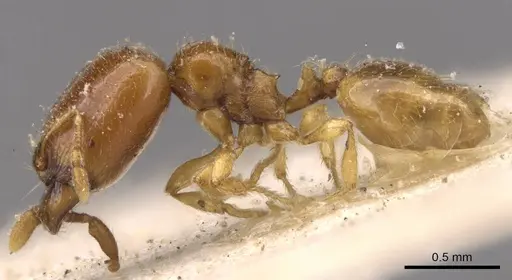
CASENT0913515
View on AntWeb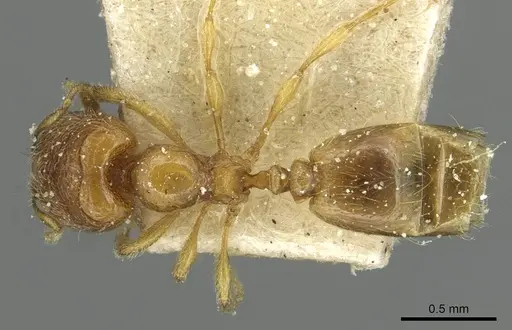
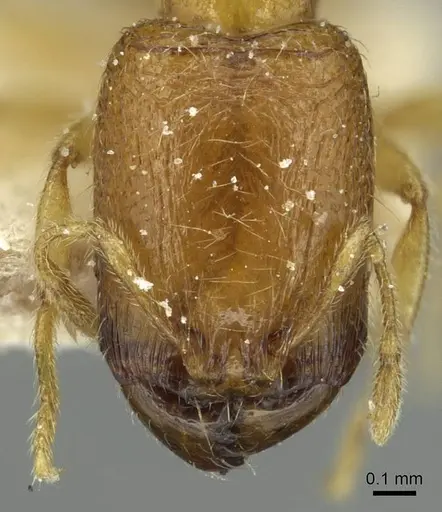
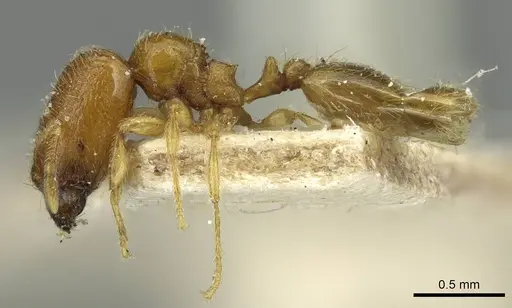
CASENT0913516
View on AntWeb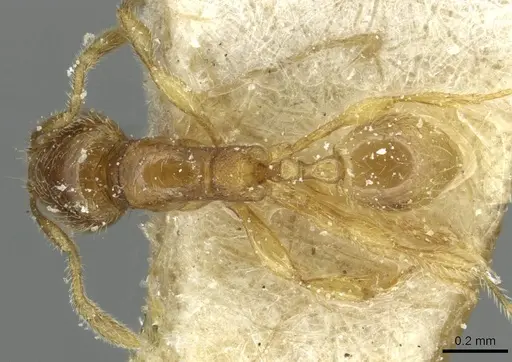
CASENT0922235
View on AntWeb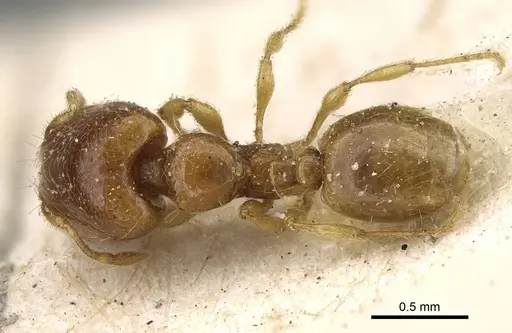
Literature
Loading...Loading products...