

Carebara overbecki
- Scientific Name
- Carebara overbecki
- Tribe
- Crematogastrini
- Subfamily
- Myrmicinae
- Author
- Viehmeyer, 1916
- Distribution
- Found in 1 countries
Carebara overbecki Overview
Carebara overbecki is an ant species of the genus Carebara. It is primarily documented in 1 countries , including Singapore. Detailed taxonomic data and occurrence records can be further explored via authoritative databases such as AntWeb or the Global Biodiversity Information Facility (GBIF).
Carebara overbecki
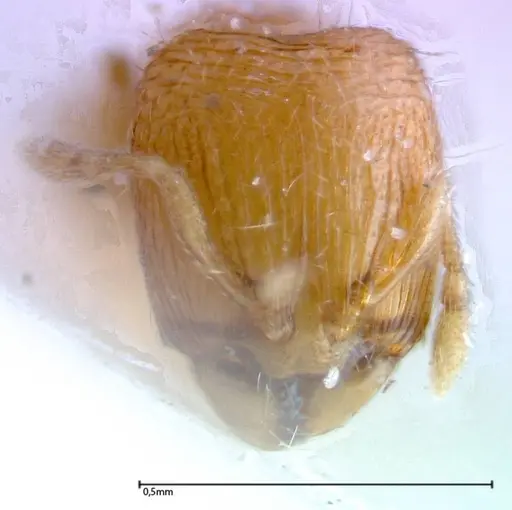
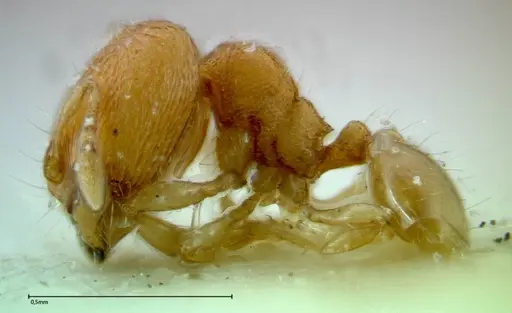
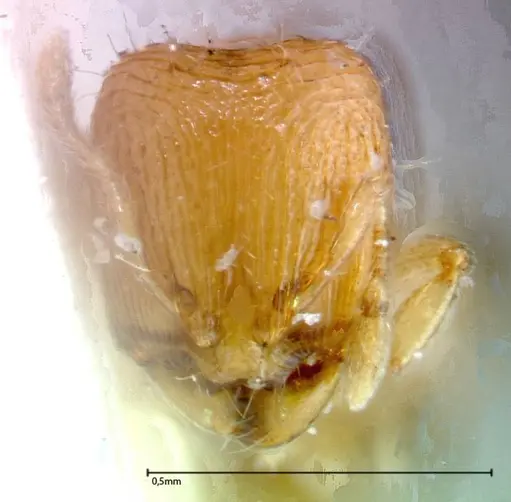
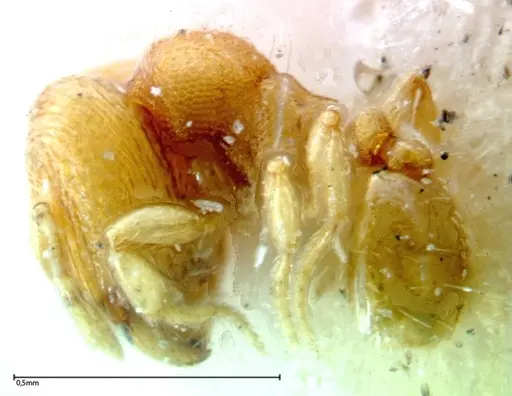
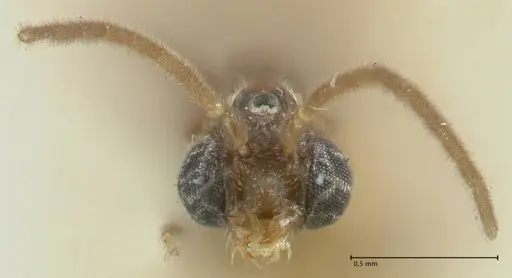
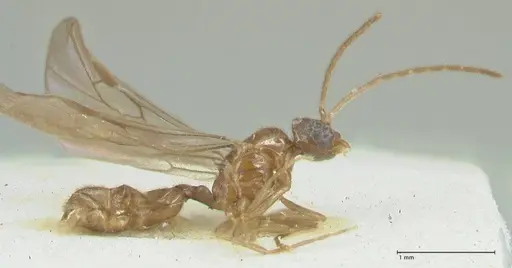
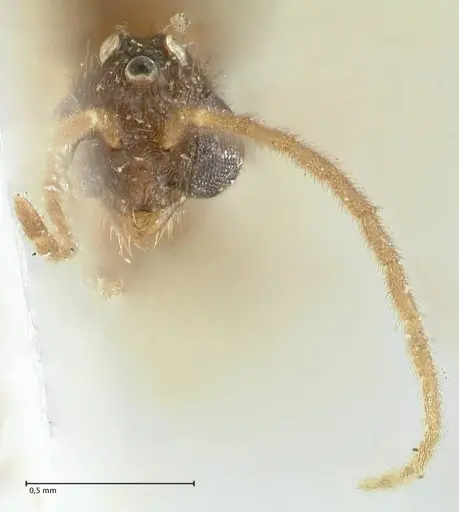
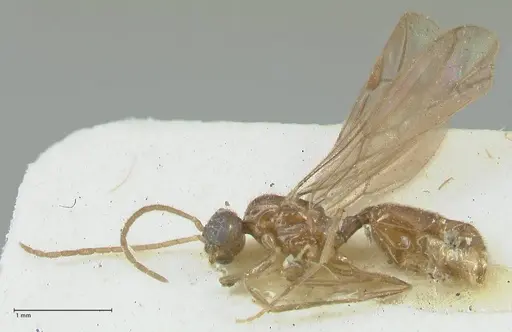
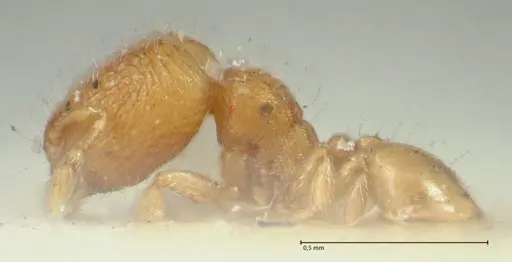
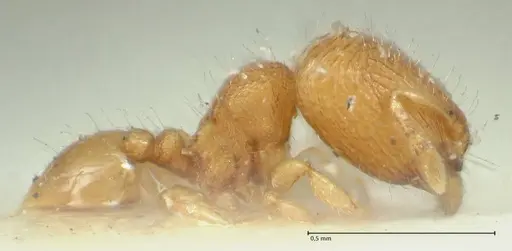
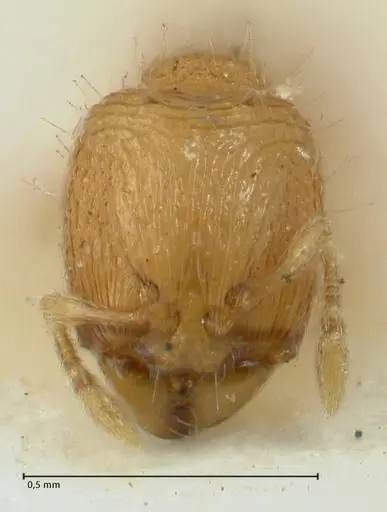
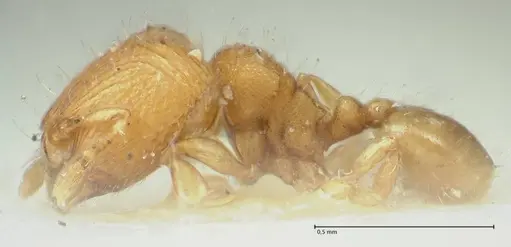
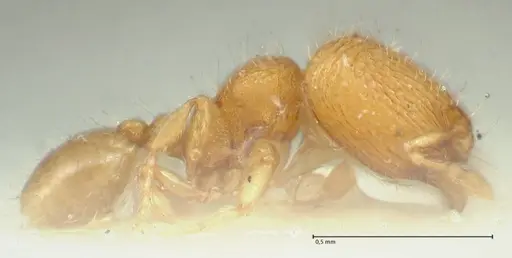
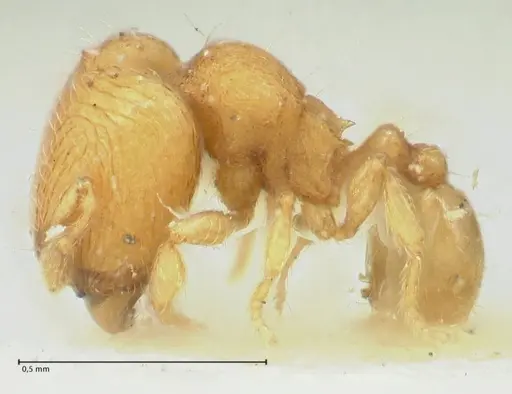
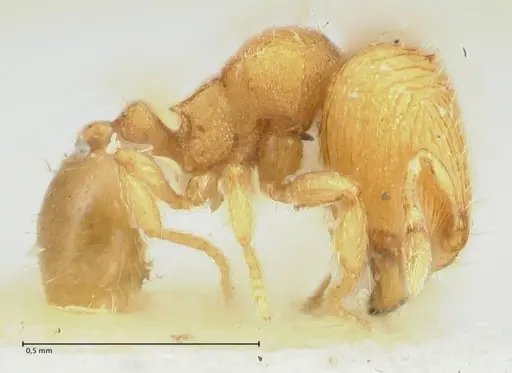
Carebara overbecki is a tiny myrmicine ant native to Singapore. Workers are extremely small, measuring just 2-3mm, with the genus known for having distinct major and minor worker castes, the major workers have noticeably larger heads [1]. This species nests in decaying wood, with colonies found in old tree trunks lying on the ground [2][3]. The colony remains relatively small, reaching around 400 workers at maximum [1]. This is a rarely kept species in the hobby, native to the tropical forests of Singapore.
Quick Summary
- Difficulty: Medium
- Origin & Habitat: Singapore (Indomalaya Region), found in rotting wood, specifically in old tree trunks lying on the ground in tropical forest habitat [2][3]
- Colony Type: Single-queen colonies (monogyne) with two worker castes, major and minor workers [1]
- Colony: Monogyne
- Size & Growth:
- Queen: Estimated 5-7mm based on genus patterns
- Worker: 2-3mm (minor workers), with major workers having larger heads [1]
- Colony: Up to approximately 400 workers [1]
- Growth: Moderate, small colony size suggests moderate development
- Development: Estimated 6-8 weeks at tropical temperatures based on related Carebara species (Development timeline not directly studied, estimate based on genus patterns for small Myrmicinae in tropical conditions)
- Antkeeping:
- Temperature: Keep at 24-28°C, they come from tropical Singapore where temperatures are consistently warm year-round
- Humidity: High humidity required, rotting wood habitat indicates damp, humid conditions. Keep nest substrate moist but not waterlogged
- Diapause: No, being a tropical species from Singapore, they do not require hibernation. Keep warm year-round
- Nesting: Best kept in a Y-tong or plaster nest with humid conditions. They naturally nest in rotting wood, so a wood-based or moist substrate works well. Avoid dry setups
- Behavior: These ants are very small and shy. Workers are not aggressive and typically flee from disturbance. They are slow-moving and secretive. Escape prevention is critical due to their tiny size, they can squeeze through extremely small gaps. They are primarily nocturnal or crepuscular foragers.
- Common Issues: escape prevention is critical, their tiny size means they can escape through gaps too small for most ants, small colony size means growth is slow and colonies remain modest, humidity must be maintained, drying out can kill colonies, wild-caught colonies may be difficult to find as they nest in hidden rotting wood, very small workers mean prey must be appropriately sized, fruit flies and springtails work well
Nest Preferences and Housing
Carebara overbecki naturally nests in rotting wood, colonies have been found in old tree trunks lying on the ground [2][3]. In captivity, they do best in setups that mimic this humid, wood-based environment. A Y-tong (acrylic) nest or plaster nest with moisture reservoirs works well. The chambers should be appropriately sized for their tiny workers, tight spaces help them feel secure. Keep the nest substrate consistently moist but not flooded. Test tube setups can work for founding colonies if the cotton is kept damp, but transfer to a more permanent setup once the colony grows. Because they are so small, ensure all connections and barriers are tight-fitting, even standard test tube setups may need additional escape prevention measures.
Feeding and Diet
Like most small Myrmicinae, Carebara overbecki likely feeds on small insects, honeydew, and nectar. In captivity, offer small protein sources appropriate to their tiny size, fruit flies, pinhead crickets cut into small pieces, and small mealworms work well. They will also accept sugar water or honey. Feed protein 2-3 times per week and keep a sugar source available at all times. Because workers are so small, prey items must be appropriately sized, anything larger than the workers themselves may go uneaten. Observe your colony's acceptance and adjust feeding frequency accordingly.
Temperature and Humidity
Being native to Singapore (tropical climate), these ants need warm, humid conditions year-round. Keep temperatures in the range of 24-28°C. A heating cable on one side of the nest can help maintain these temperatures, but ensure there's a gradient so ants can move to cooler areas if needed. Humidity is crucial, their natural habitat in rotting wood is consistently damp. Keep the nest substrate moist and provide a water source. Avoid temperature drops below 22°C and never allow the nest to dry out. Room temperature may be sufficient if your home stays in the low-mid 20s°C, but monitor colony activity to ensure they're comfortable. [2][3]
Colony Structure and Growth
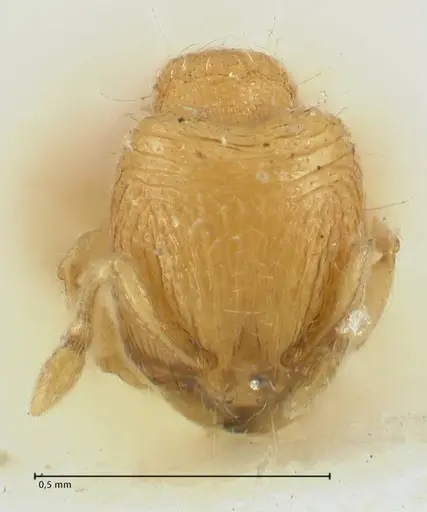
Carebara overbecki has two physical worker castes, major workers with larger heads and minor workers [1]. This is called polymorphism. The colony reaches a maximum of around 400 workers [1], which is relatively small compared to many ant species. Growth is moderate, expect several months from founding to first workers, and a year or more to reach a mature colony size. The queen is likely claustral (seals herself in to raise first workers) based on typical genus patterns, though this hasn't been directly documented for this species. Be patient with small colonies, they develop slowly and remain modest in size.
Behavior and Handling
These are shy, non-aggressive ants. Workers are very small and will typically flee rather than defend. They are not known to sting and pose no danger to keepers. Their tiny size means they are excellent escape artists, use fine mesh barriers and check all connections regularly. They are likely nocturnal or crepuscular in their foraging patterns, becoming more active in dim light. Observe rather than handle, these ants are too small and fragile for direct interaction. Provide a dark, quiet location for the nest and minimize disturbances during the founding stage.
Frequently Asked Questions
How long does it take for Carebara overbecki to produce first workers?
Based on related Carebara species, expect 6-8 weeks from egg to first worker at tropical temperatures (24-28°C). This is an estimate as the specific development time has not been directly studied.
How big do Carebara overbecki colonies get?
Colonies reach a maximum of approximately 400 workers [1]. This is relatively small compared to many ant species.
Do Carebara overbecki ants sting?
No, these ants are not known to sting. They are very small and shy, typically fleeing from any threat rather than defending.
What temperature do Carebara overbecki need?
Keep them at 24-28°C. Being from tropical Singapore, they need warm conditions year-round with no hibernation.
Can I keep multiple queens together?
This species appears to be monogyne (single-queen colonies). Combining unrelated queens is not recommended as it hasn't been studied and could result in fighting.
What do Carebara overbecki eat?
They accept small insects like fruit flies and small mealworms, plus sugar sources like honey or sugar water. Prey must be appropriately sized for their tiny 2-3mm workers.
Are Carebara overbecki good for beginners?
This is a challenging species for beginners due to their tiny size (escape risk), specific humidity needs, and slow growth. They are better suited for intermediate antkeepers with experience maintaining small, humid-dependent species.
Do Carebara overbecki need hibernation?
No, as a tropical species from Singapore, they do not require hibernation. Keep them warm year-round.
Why are my Carebara overbecki escaping?
Their tiny 2-3mm size means they can squeeze through incredibly small gaps. Use fine mesh barriers, check all connections, and ensure lid seals are tight. Escape prevention is critical with this species.
When should I move Carebara overbecki to a formicarium?
You can keep them in a test tube setup for the founding stage. Once the colony reaches 50+ workers and you notice condensation disappearing quickly, consider moving to a Y-tong or plaster nest with moisture control.
References

This caresheet is licensed under CC BY-SA 4.0 .
CASENT0908912
View on AntWeb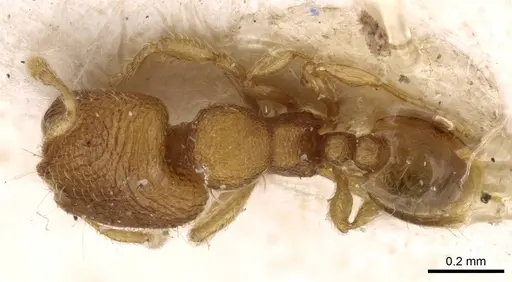
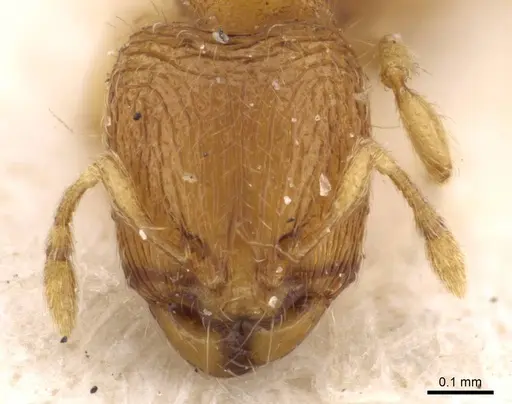
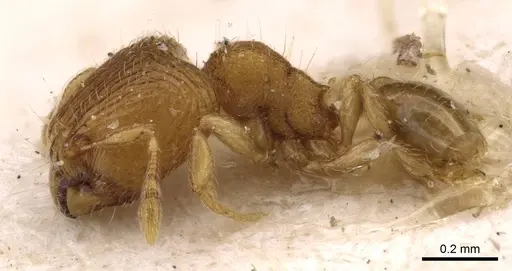
FOCOL0278
View on AntWeb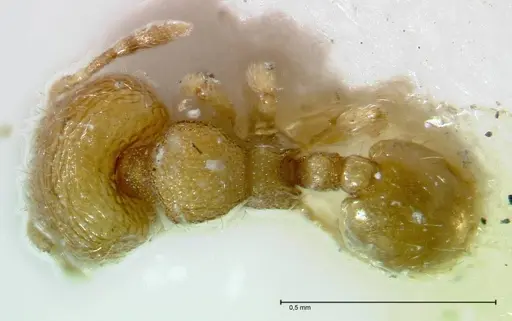
FOCOL0279
View on AntWeb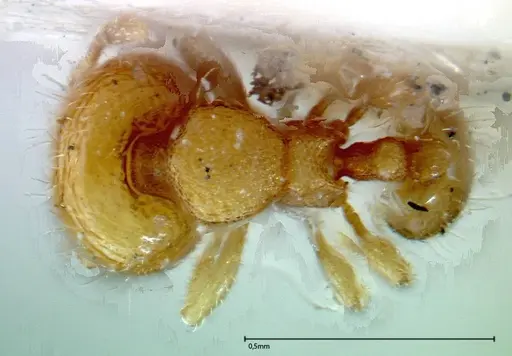
FOCOL1918
View on AntWeb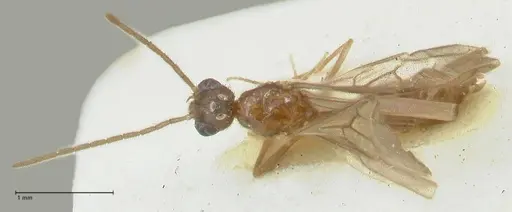
FOCOL1919
View on AntWeb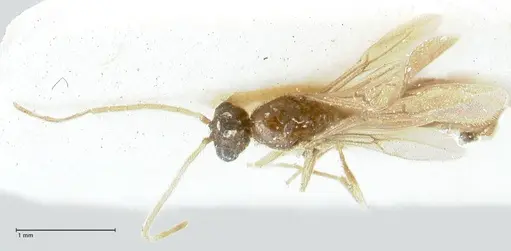
FOCOL1920
View on AntWeb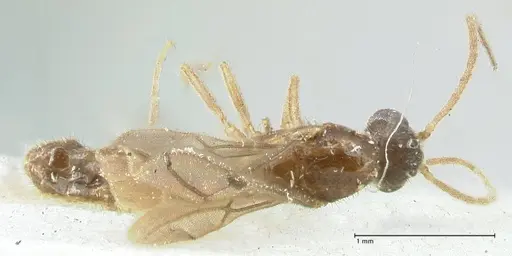
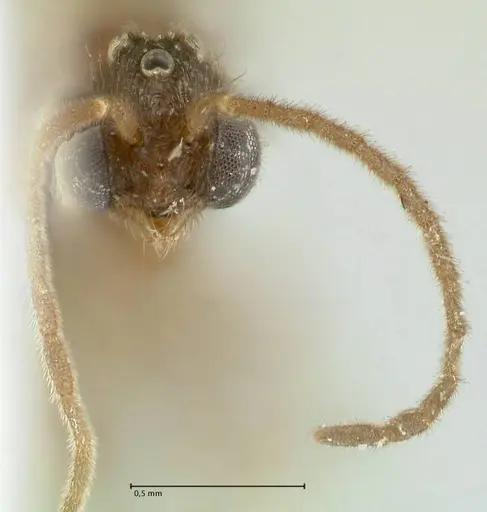
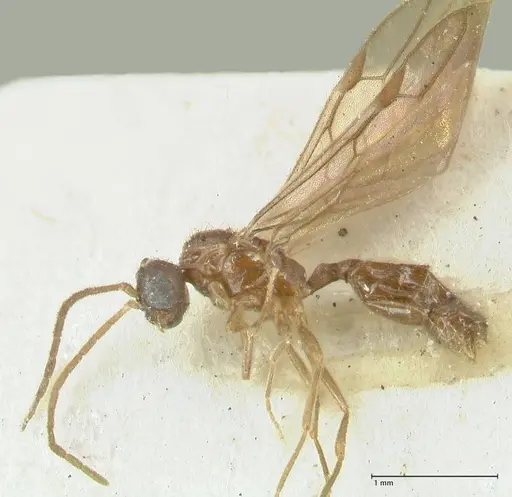
FOCOL1921
View on AntWeb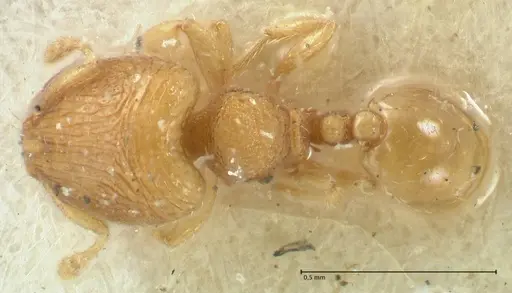
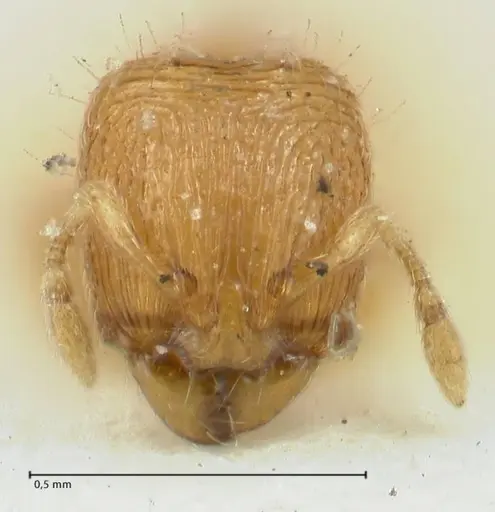
FOCOL1922
View on AntWeb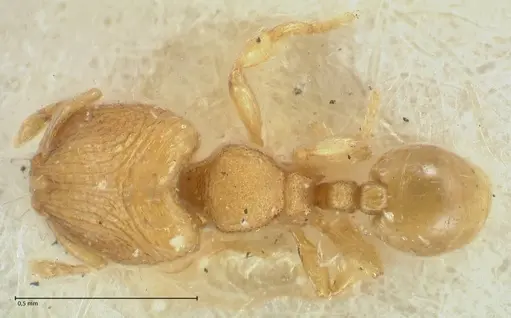
FOCOL1923
View on AntWeb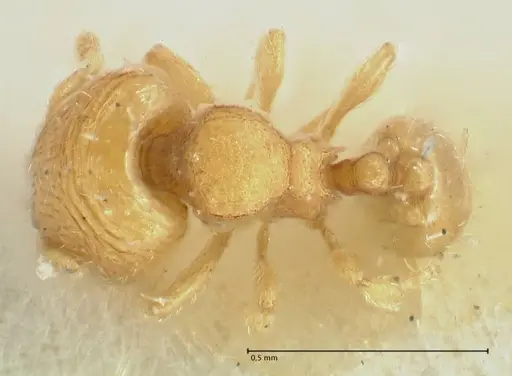
Literature
Loading...Loading products...