

Carebara omasi
- Scientific Name
- Carebara omasi
- Tribe
- Crematogastrini
- Subfamily
- Myrmicinae
- Author
- Azorsa & Fisher, 2018
- Distribution
- Found in 1 countries
Carebara omasi Overview
Carebara omasi is an ant species of the genus Carebara. It is primarily documented in 1 countries , including Madagascar. Detailed taxonomic data and occurrence records can be further explored via authoritative databases such as AntWeb or the Global Biodiversity Information Facility (GBIF).
Carebara omasi
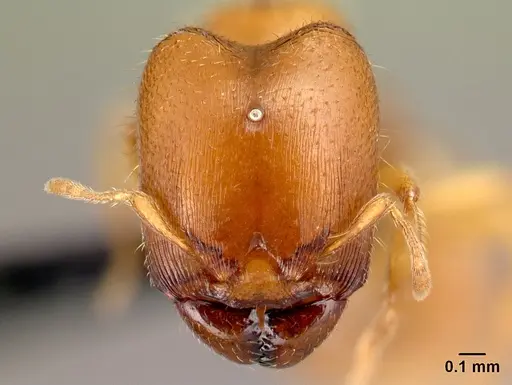
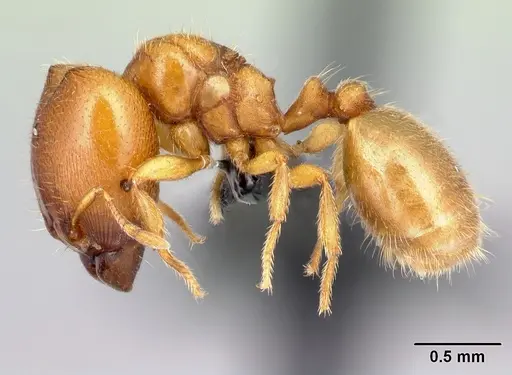
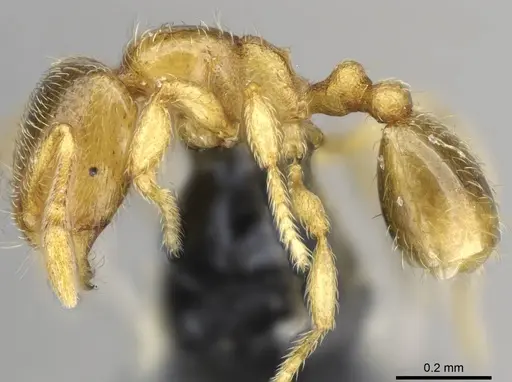
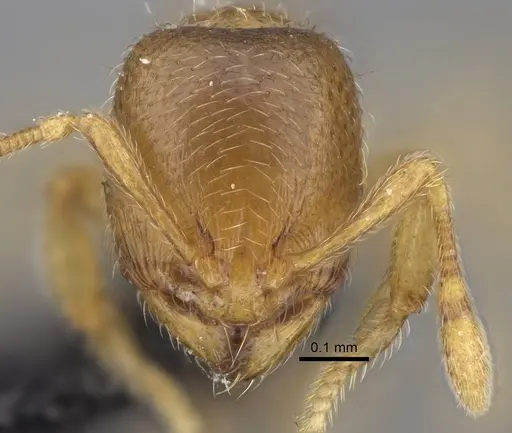
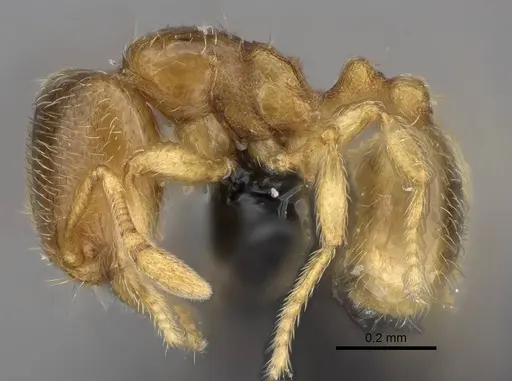
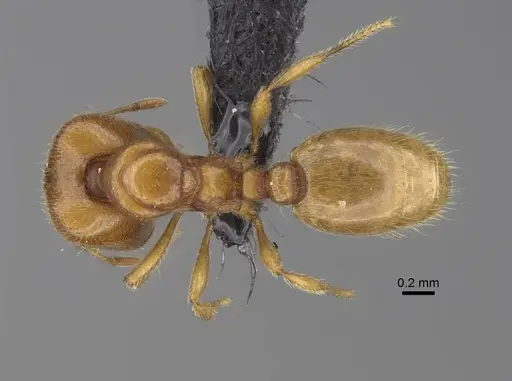
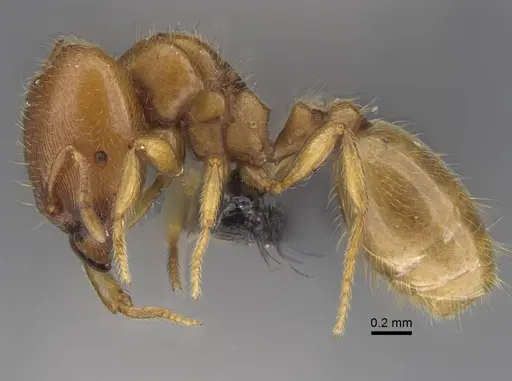
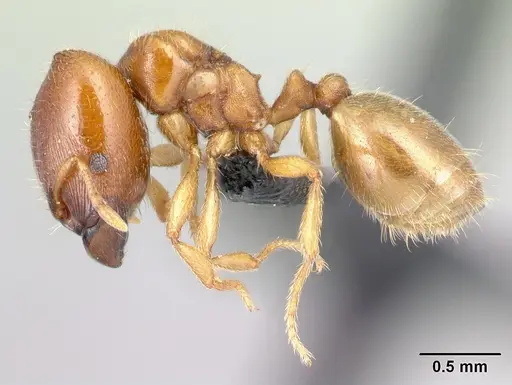
Carebara omasi is a tiny ant species native to Madagascar, recently described in 2018. Workers come in two distinct sizes: major workers range from 0.62-1.10mm head length while minor workers are much smaller at 0.35-0.43mm [1]. The species has a yellowish-ferruginous coloration and features 10-segmented antennae with reduced eyes, most individuals have only 1-4 ommatidia, though some intermediate forms can have up to 40 [1]. This ant is endemic to central and southwestern Madagascar, where it lives in montane rainforests and Uapaca woodland at elevations between 1050-1491 meters [1]. In the wild, they nest in rotting logs, leaf mold, and rotten wood, making them a truly miniature, forest-floor-dwelling species [1].
Quick Summary
- Difficulty: Unknown, too little captive data
- Origin & Habitat: Central and southwestern Madagascar, montane rainforest and Uapaca woodland at 1050-1491m elevation [1]
- Colony Type: Unconfirmed, colony structure has not been documented in scientific literature
- Size & Growth:
- Queen: Unknown, queen has not been described yet
- Worker: Major: 0.62-1.10mm head length, Minor: 0.35-0.43mm head length [1]
- Colony: Unknown, no colony size data available
- Growth: Unknown
- Development: Unknown, no development data exists for this species (Based on typical Carebara patterns and their tiny size, development likely takes several months but this is entirely speculative)
- Antkeeping:
- Temperature: Based on their montane rainforest habitat at 1050-1491m elevation, they likely prefer cooler conditions than typical tropical ants. Start around 20-24°C and monitor colony activity. Avoid overheating.
- Humidity: High humidity is essential, they come from damp montane forest habitats. Keep nest substrate consistently moist but not waterlogged. Provide a water reservoir.
- Diapause: Unknown, no data on overwintering requirements. Their high-elevation habitat suggests they may tolerate cooler temperatures.
- Nesting: Natural nesting is in rotting wood, leaf mold, and rotten logs. A naturalistic setup with damp wood pieces or a well-humidified acrylic/plaster nest works best. They are tiny and need appropriately scaled chambers.
- Behavior: Behavior is unstudied in captivity. Based on typical Carebara genus patterns, they are likely predatory on small micro-arthropods. Their reduced eyes suggest they may be more chemo-sensitive than visual. Escape prevention is critical due to their very small size, they can squeeze through standard test tube barriers. Use fine mesh and tight-fitting lids.
- Common Issues: no captive husbandry data exists, all care is speculative, their tiny size makes escape prevention challenging, high humidity requirements may promote mold in captive setups, queen and colony founding behavior completely unknown, diet preferences have not been documented
Discovery and Taxonomy
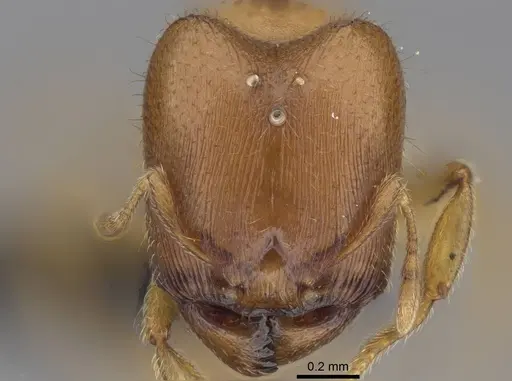
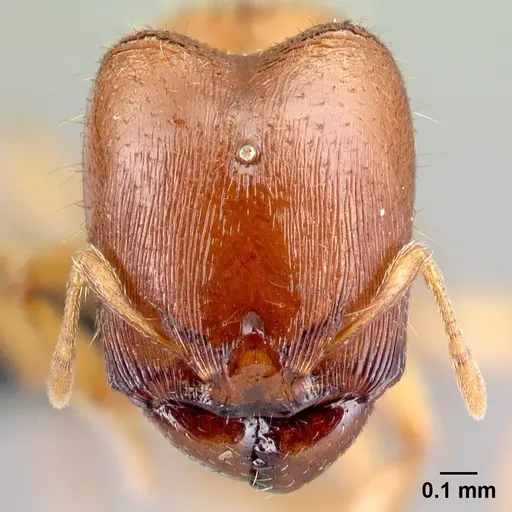
Carebara omasi was only recently described in 2018 by Frank Azorsa and Brian L. Fisher, making it one of the newest ant species to receive scientific recognition [1]. The species was discovered during biodiversity surveys in Madagascar's montane forests. It can be distinguished from related species like Carebara nosindambo by the smooth, shiny sculpture on the posterolateral portion of the head, a feature that is sculptured in C. nosindambo [1]. The type specimens were collected using maxi-Winkler traps, a specialized extraction method for sampling tiny forest-floor invertebrates [1]. This species represents Madagascar's remarkable endemic ant diversity, with six other Carebara species recorded at the same localities.
Natural History and Habitat
This species is endemic to central and southwestern Madagascar, where it occupies disturbed gallery montane forest, montane rainforest, and Uapaca woodland habitats [1]. They live at relatively high elevations of 1050-1491 meters, which is cooler than typical tropical lowland areas. The ants were collected from within rotting logs, leaf mold, and rotten wood, indicating they are true forest-floor specialists that prefer damp, decomposing organic material [1]. This microhabitat preference suggests they thrive in stable, humid conditions with limited temperature variation.
Morphology and Identification
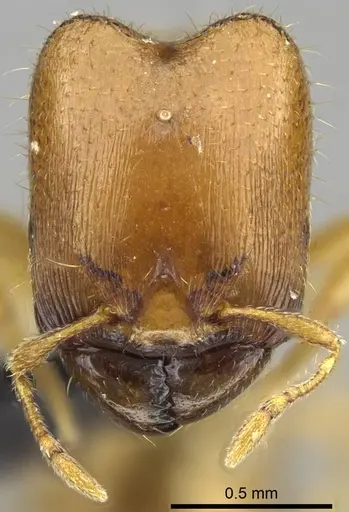
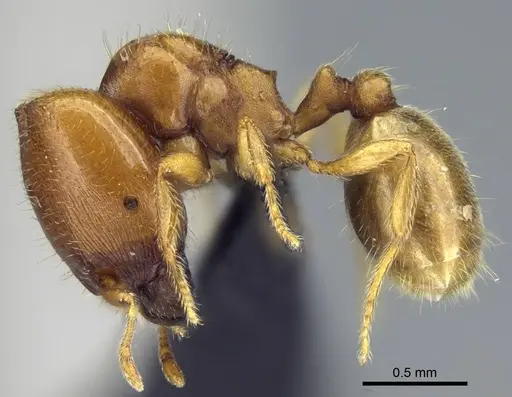
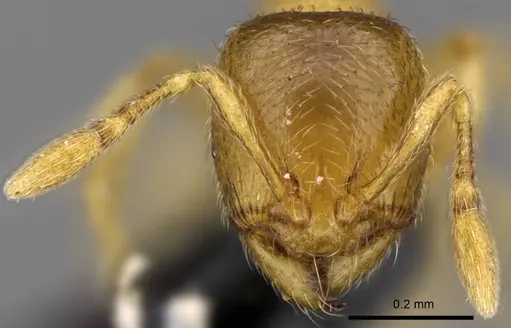
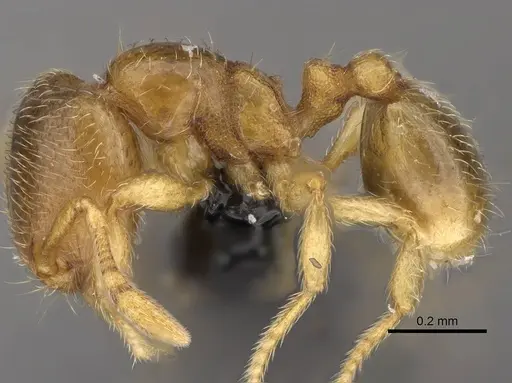
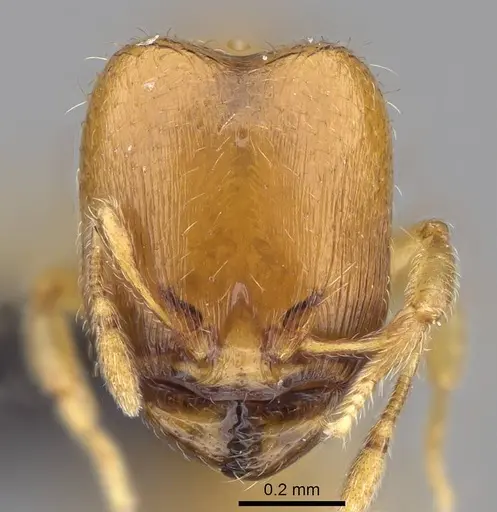
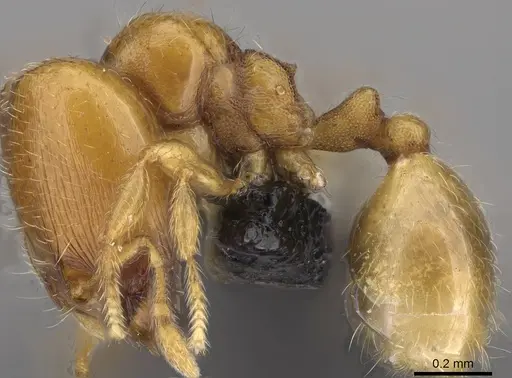
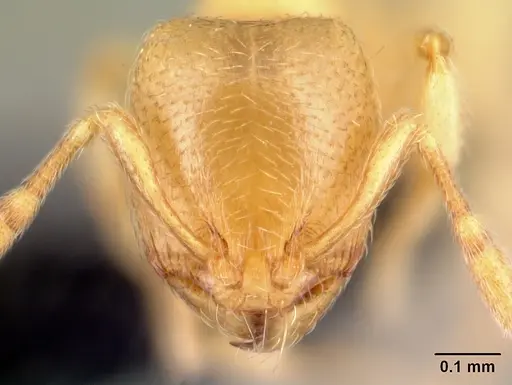
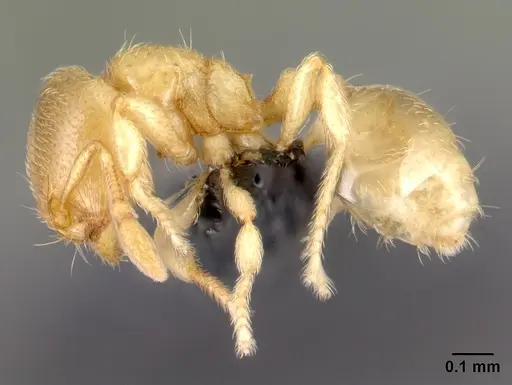
Carebara omasi displays remarkable polymorphism. Major workers have a head length of 0.62-1.10mm with a nearly subrectangular head that is longer than wide, featuring a deeply concave posterior margin [1]. Minor workers are much smaller at 0.35-0.43mm head length [1]. Both castes have 10-segmented antennae and a distinctive pair of triangular teeth on the propodeum. The species has reduced eyes throughout most worker castes, typically just 1-4 ommatidia, though an intermediate form can have up to 40 ommatidia [1]. Their coloration is yellowish ferruginous. This is one of the few ant species known to have three distinct intermediate forms within the major worker subcaste.
Housing and Nesting
Since this species naturally nests in rotting wood, leaf mold, and rotten logs, a naturalistic setup with appropriately sized chambers works best. Their tiny size means standard ant keeping setups must be carefully scaled, chambers should be small and tight-fitting. A well-humidified acrylic nest or plaster setup with a water reservoir can maintain the high humidity they require. Given their montane origin, avoid overheating and maintain temperatures in the 20-24°C range. The substrate should remain consistently damp but never waterlogged. Escape prevention is critical, their minute size allows them to squeeze through gaps that larger ants cannot, so use fine mesh barriers and ensure all connections are sealed.
Feeding and Diet
Diet preferences have not been documented for this species, but based on typical Carebara genus behavior and their tiny size, they likely prey on small micro-arthropods like springtails, mites, and other forest-floor invertebrates. In captivity, you could experiment with offering small live prey such as fruit flies, pinhead crickets, or commercially available springtails. Their small size means prey items must be appropriately scaled. Sugar sources may be accepted but this is uncertain. Given how little is known about their dietary needs, this represents an area where keeper experimentation would contribute valuable knowledge to the hobby.
Frequently Asked Questions
How do I care for Carebara omasi ants?
Carebara omasi is a newly described species with no captive husbandry data, so established care protocols do not exist. Based on their natural habitat in Madagascar's montane rainforests, they likely need high humidity, temperatures around 20-24°C, and appropriately sized small chambers. This is a species for advanced keepers interested in pioneering captive husbandry of poorly studied species.
What do Carebara omasi ants eat?
Their diet is unconfirmed, but based on typical Carebara behavior, they likely prey on tiny forest-floor invertebrates. Offer small live prey like springtails, fruit flies, or other micro-arthropods. Sugar acceptance is unknown.
Where is Carebara omasi found in the wild?
This species is endemic to central and southwestern Madagascar, living in montane rainforests and Uapaca woodland at elevations of 1050-1491 meters [1].
How big do Carebara omasi workers get?
Major workers have a head length of 0.62-1.10mm, while minor workers are much smaller at 0.35-0.43mm head length [1].
When was Carebara omasi discovered?
This species was described in 2018 by Frank Azorsa and Brian L. Fisher [1].
Do Carebara omasi ants sting?
Stinging behavior has not been documented for this species. As Myrmicinae ants, they likely possess a stinger, but due to their tiny size, it would be imperceptible to humans.
What temperature do Carebara omasi ants need?
Based on their montane rainforest habitat at 1050-1491m elevation, they likely prefer cooler conditions than typical tropical ants. Aim for roughly 20-24°C and avoid overheating.
How do I set up a nest for Carebara omasi?
They naturally nest in rotting wood, leaf mold, and rotten logs. Use a naturalistic setup with damp wood pieces or a well-humidified acrylic/plaster nest with appropriately small chambers scaled to their tiny size.
Are Carebara omasi good for beginners?
No. This is a newly described species with no established captive care protocols. They are best suited for experienced antkeepers interested in pioneering husbandry of poorly studied species.
How big do Carebara omasi colonies get?
Colony size is unknown, no colony data has been published. Related Carebara species typically form colonies of several hundred to a few thousand workers.
References

This caresheet is licensed under CC BY-SA 4.0 .
CASENT0027735
View on AntWeb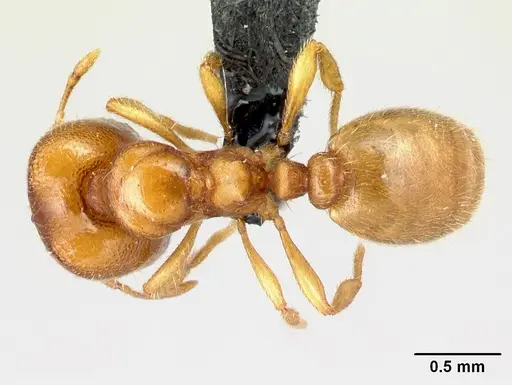
CASENT0028870
View on AntWeb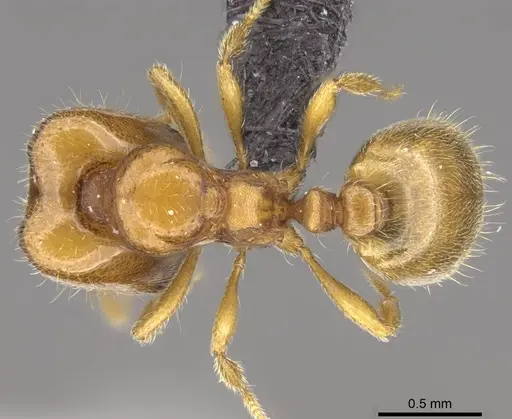
CASENT0028947
View on AntWeb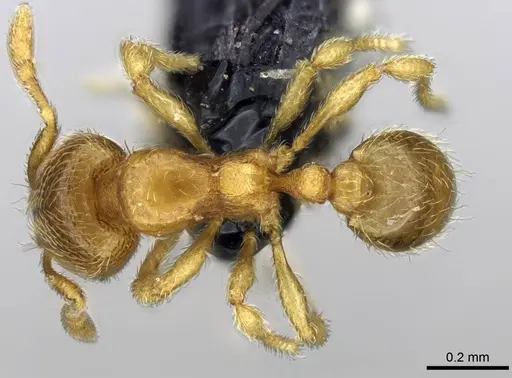
CASENT0029042
View on AntWeb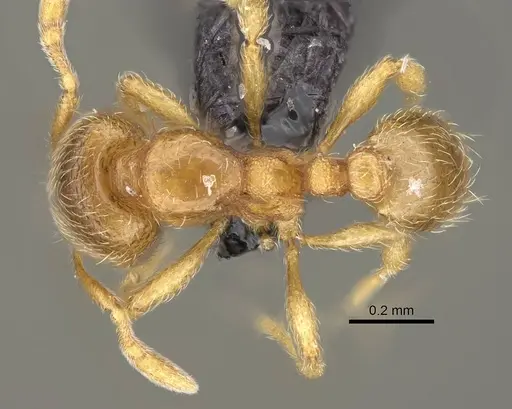
CASENT0030995
View on AntWeb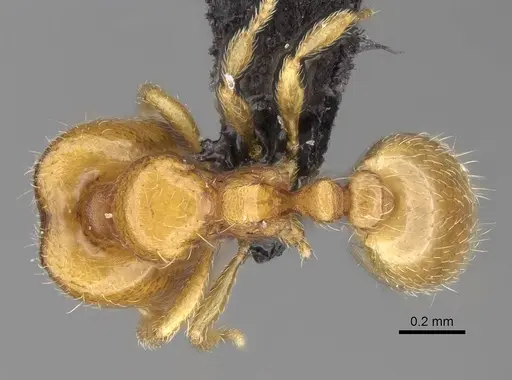
CASENT0165780
View on AntWeb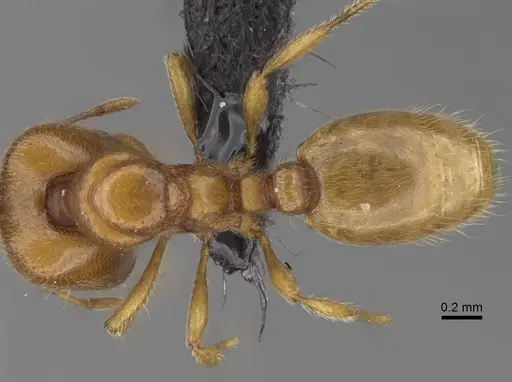
CASENT0485883
View on AntWeb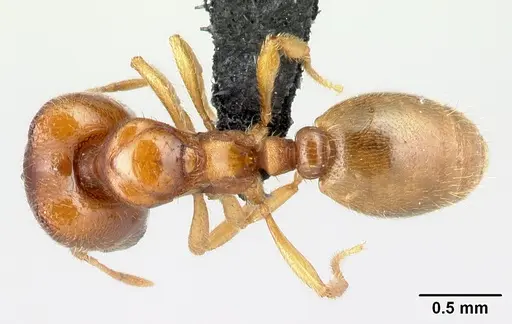
CASENT0485917
View on AntWeb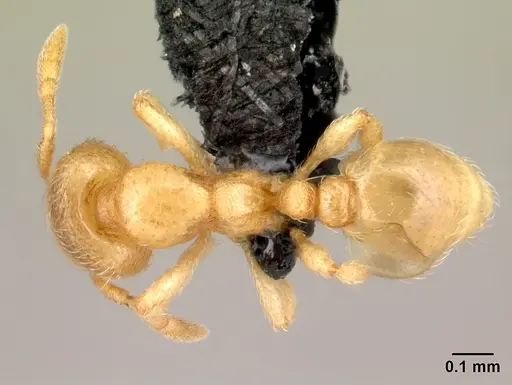
Literature
Loading...Loading products...