

Carebara malagasy
- Scientific Name
- Carebara malagasy
- Tribe
- Crematogastrini
- Subfamily
- Myrmicinae
- Author
- Azorsa & Fisher, 2018
- Distribution
- Found in 1 countries
Carebara malagasy Overview
Carebara malagasy is an ant species of the genus Carebara. It is primarily documented in 1 countries , including Madagascar. Detailed taxonomic data and occurrence records can be further explored via authoritative databases such as AntWeb or the Global Biodiversity Information Facility (GBIF).
Carebara malagasy
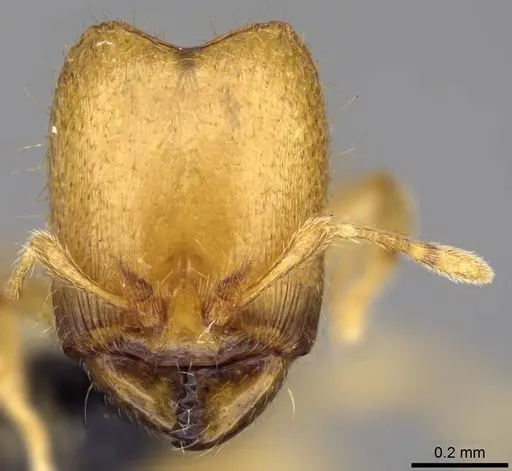
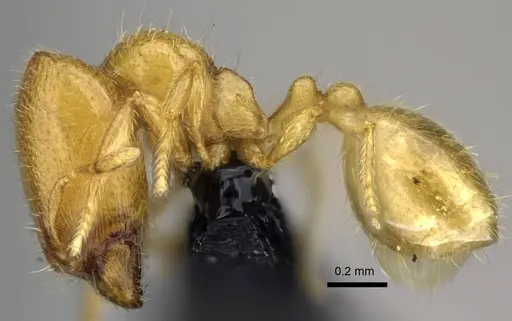
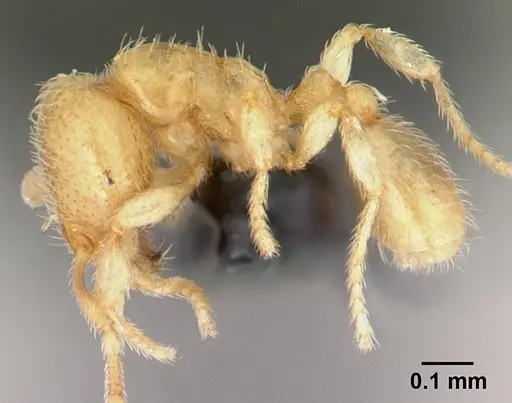
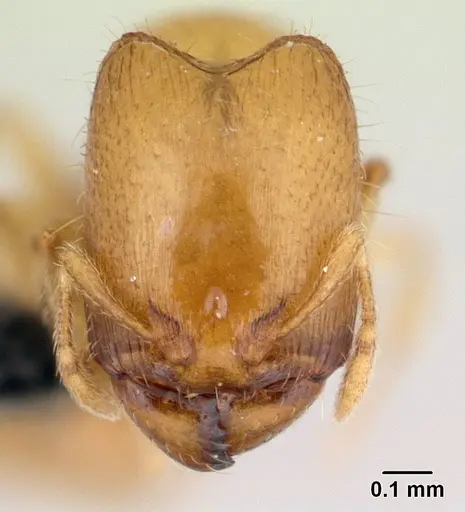
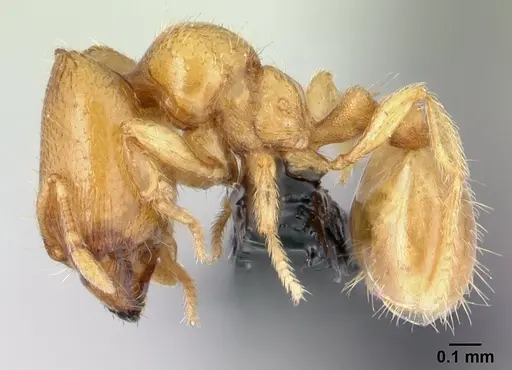
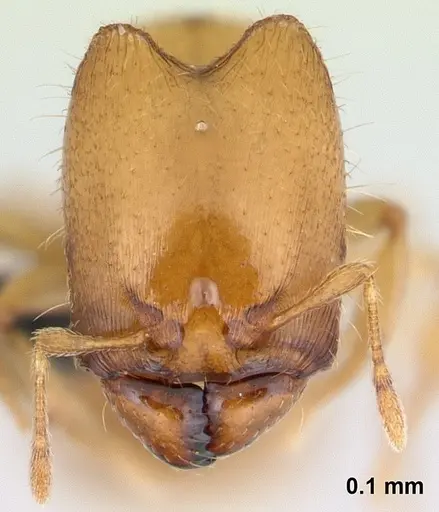
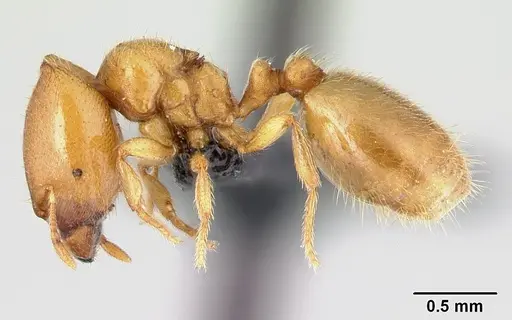
Carebara malagasy is a tiny ant species native to northern Madagascar, first described in 2018. Workers come in two distinct sizes: major workers range from 0.56-1.02mm head length, while minor workers are much smaller at 0.33-0.37mm. The species has 10-segmented antennae and a distinctive yellowish-ferruginous coloration. Notably, major workers have extremely reduced eyes, some intermediates have only a single ommatidium, while others have up to five ommatidia and even a single ocellus. This species inhabits littoral rainforest and tropical dry forest at elevations between 25-500 meters, where they nest under stones, in leaf mold, and within rotten wood [1][2].
What makes C. malagasy particularly interesting is its caste polymorphism, the species produces two intermediate forms between minor and major workers, each with progressively more developed eyes and flight structures. This suggests the colony may have flexible reproductive potential. As a recently described species, much of its biology remains unstudied, but its natural nesting preferences give us clear guidance for captive care.
Quick Summary
- Difficulty: Medium
- Origin & Habitat: Northern Madagascar, specifically the Antsiranana region. They inhabit littoral rainforest and tropical dry forest at elevations of 25-500 meters. In the wild, colonies are found under stones, in leaf mold, and within rotting wood [1][2].
- Colony Type: Colony structure is unconfirmed. The presence of intermediate worker castes with reduced flight sclerites suggests potential for colony-level reproductive flexibility, but this has not been studied. Maximum colony size is unknown.
- Size & Growth:
- Queen: Not yet documented in scientific literature, likely similar to other Carebara species at 3-5mm. Signal if estimated.
- Worker: Major workers: 0.56-1.02mm head length (approximately 2-4mm total). Minor workers: 0.33-0.37mm head length (approximately 1.5-2mm total) [1].
- Colony: Unknown, no colony size data exists in available literature. Based on similar Carebara species, likely under 500 workers.
- Growth: Unknown, no development data exists. Estimated as moderate based on genus patterns.
- Development: Unconfirmed, no direct development studies exist. Based on typical Myrmicinae patterns and small worker size, estimate 6-10 weeks at optimal temperature. Signal if estimated.
- Antkeeping:
- Temperature: Keep around 24-28°C. This species comes from tropical Madagascar, so warmth is important. A gentle gradient allowing workers to self-regulate is ideal. Room temperature (around 24°C) is likely suitable, with slight increases if workers seem sluggish. Signal if inferred from habitat data.
- Humidity: High humidity is essential, they naturally live in rainforest and forest floor microhabitats with leaf mold and decaying wood. Keep substrate consistently moist but not waterlogged. Provide a humid outworld and ensure the nest area maintains moisture. A water reservoir connected to the nest helps maintain stable humidity. Signal if inferred from habitat.
- Diapause: Unknown, no seasonal studies exist. As a tropical species from Madagascar, they likely do not require true hibernation. However, slight temperature reductions during winter months may be appropriate if room temperature drops significantly. Say 'Unknown' if no data.
- Nesting: Natural nesting sites are under stones, in leaf mold, and rotting wood. For captivity, a Y-tong (acrylic) nest or test tube setup works well. Provide nesting chambers scaled to their tiny size. Adding leaf litter or small pieces of rotting wood to the outworld mimics their natural environment. A small, dark nesting chamber with moist substrate is ideal. Signal if inferred from natural history.
- Behavior: These ants are cryptic and likely nocturnal or low-activity. Workers are tiny and may be easily overlooked. They probably forage in the leaf litter layer rather than making visible trails. Their reduced eyes suggest they rely more on chemical and tactile cues. Escape prevention is critical due to their extremely small size, even minor gaps in setup can allow escape. They are not aggressive and likely flee rather than engage threats. Signal if inferred from morphology and related species.
- Common Issues: escape prevention is critical, their tiny size means they can squeeze through the tiniest gaps, use fine mesh and tight-fitting lids, humidity management is tricky, too wet causes mold and drowning risk, too dry causes desiccation, slow growth and small colony sizes mean progress is hard to observe, which can frustrate beginners, no established husbandry guidelines exist, this is a newly described species with no captive breeding history, wild-caught colonies may have parasites or stress from collection that causes colony failure in captivity
Natural History and Distribution
Carebara malagasy is endemic to northern Madagascar, specifically the Antsiranana region. The species was first described in 2018 by Azorsa and Fisher based on specimens collected from the Forêt de Bekaraoka near Daraina. They inhabit both littoral rainforest and tropical dry forest at elevations ranging from 25 to 500 meters. Colonies have been found nesting under stones, within leaf mold, and inside rotting wood, typical microhabitats for cryptic forest-floor ants. The species co-occurs with several other Carebara species in the region, including C. bara, C. berivelo, C. grandidieri, C. kabosy, and C. tana. The extremely reduced eyes of major workers (some with only a single ommatidium) suggest this species may be adapted to life in dark microhabitats like deep leaf litter or underground chambers [1].
Housing and Nest Setup
Due to their tiny size and natural nesting preferences, Carebara malagasy requires careful housing. A Y-tong (acrylic) nest with small chambers works well, as does a simple test tube setup. The nesting chambers must be scaled to their minute size, passages and chambers should be appropriately narrow. Provide a dark nesting area, as their reduced eyes suggest they prefer low-light conditions. Place the nest in a quiet location away from vibrations and direct sunlight. The outworld can be simple, a small foraging area with access to water and food. Adding small pieces of leaf litter or rotting wood to the outworld helps create a more naturalistic environment. Because of their tiny size, use cotton plugs with very small holes or fine mesh to prevent escape through air gaps.
Temperature and Humidity Requirements
As a tropical species from Madagascar, Carebara malagasy requires warm and humid conditions. Maintain temperatures in the range of 24-28°C. A slight temperature gradient allowing workers to choose their preferred zone is ideal. If your room temperature is within this range, no additional heating may be needed. For humidity, aim for consistently moist substrate, the kind of dampness you find in forest floor environments. The nest substrate should feel moist to the touch but not be dripping wet. A water tube connected to the nest helps maintain humidity through evaporation. Avoid both excessive dryness (which causes desiccation) and excessive moisture (which promotes mold growth). Good ventilation is essential to prevent stagnant air while still maintaining humidity.
Feeding and Nutrition
The feeding habits of Carebara malagasy have not been directly studied, but based on related Carebara species, they likely are omnivorous scavengers that consume small insects, honeydew, and organic matter in the wild. For captivity, offer small protein sources such as tiny pieces of mealworms, fruit flies, or other small insects. Sugar water or honey can be offered occasionally, though their small size may limit sugar consumption. Feed small amounts at a time and remove uneaten food to prevent mold. Given their cryptic nature and tiny workers, they may be slow to discover food, place offerings near nest entrances and be patient. Feed every 2-3 days, adjusting based on colony activity and consumption.
Colony Development and Growth
Carebara malagasy exhibits polymorphism with two intermediate worker castes between the minor and major forms. This is unusual and suggests the colony may have flexibility in how it allocates workers. The major workers show varying degrees of eye development, some intermediates have only a single ommatidium, while others have up to five ommatidia and even a single ocellus. Some intermediates also have reduced flight sclerites, which may indicate potential for reproductive development. However, no specific data exists on colony growth rates, development times, or maximum colony size. Based on their tiny size and related species, expect slow growth initially with small colony sizes. Patience is essential, these are not fast-growing ants. [1]
Handling and Observation
Due to their extremely small size, Carebara malagasy requires careful handling and observation. Workers are difficult to see without magnification, and the colony may seem inactive for long periods. This is normal, they are cryptic ants that spend much of their time in the nest or within leaf litter. When observing, use good lighting and consider magnification to appreciate the caste polymorphism. Avoid disturbing the nest frequently, as this can stress the colony. Check water and food supplies regularly but minimize nest inspections. Their small size also means they are excellent escape artists, regularly check for gaps in tubing, lids, and connections. Any opening larger than 0.5mm can potentially allow escape.
Frequently Asked Questions
How long does it take for Carebara malagasy to produce first workers?
The egg-to-worker timeline is unconfirmed for this species. Based on typical Myrmicinae development patterns and their small worker size, expect approximately 6-10 weeks at optimal temperature (24-28°C). However, this is an estimate, no specific development studies exist for C. malagasy.
What size colony does Carebara malagasy reach?
Maximum colony size is unknown, no colony size data exists in scientific literature. Based on similar Carebara species and their tiny workers, colonies likely reach under 500 workers. They may remain small even at maturity.
Can I keep multiple queens together?
This has not been studied. The colony structure (monogyne vs polygyne) is unconfirmed for Carebara malagasy. Combining unrelated queens is not recommended due to lack of documented success with this species.
Do Carebara malagasy ants sting?
Given their extremely small size, any sting would be negligible to humans. Their mandibles are tiny and likely cannot penetrate human skin. They are not considered dangerous.
What temperature do Carebara malagasy need?
Keep them warm at 24-28°C. This tropical species from Madagascar requires consistent warmth. Room temperature in this range is suitable, slight heating may be needed in cooler environments.
Are Carebara malagasy good for beginners?
This species is not ideal for beginners. They are a newly described species with no established husbandry guidelines, require high humidity and warm temperatures, are extremely small (making observation difficult), and escape prevention is challenging. Additionally, no captive breeding history exists to draw from.
Do Carebara malagasy need hibernation?
Hibernation requirements are unknown. As a tropical species from Madagascar, they likely do not require true hibernation. However, slight temperature reductions during winter may be appropriate if your room temperature drops significantly below their optimal range.
Why are my Carebara malagasy dying?
Common causes include: escape (their tiny size allows them to slip through small gaps), humidity issues (too dry causes desiccation, too wet causes drowning/mold), temperature stress (too cold causes sluggishness and death), and stress from wild collection. This species has no established captive history, so troubleshooting requires patience and careful attention to basic parameters.
What do Carebara malagasy eat?
Based on related species, they likely scavenge for small insects, honeydew, and organic matter. Offer tiny protein sources like small insects or mealworm pieces, and occasional sugar water or honey. Feed small amounts every 2-3 days.
When should I move Carebara malagasy to a formicarium?
Start with a test tube setup for the founding colony. Move to a larger nest (Y-tong or naturalistic setup) when the colony reaches 20-30 workers and the test tube shows signs of crowding or moisture issues. They prefer small, dark chambers, avoid oversized nests.
References

This caresheet is licensed under CC BY-SA 4.0 .
CASENT0044166
View on AntWeb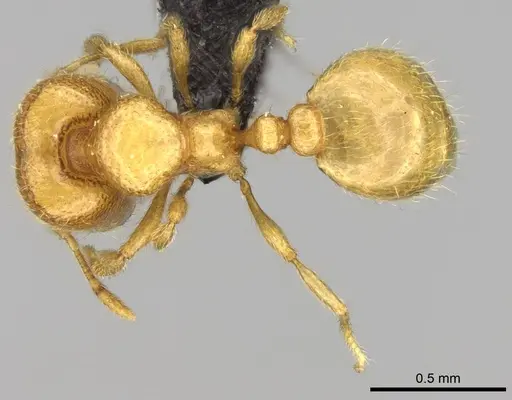
CASENT0044172
View on AntWeb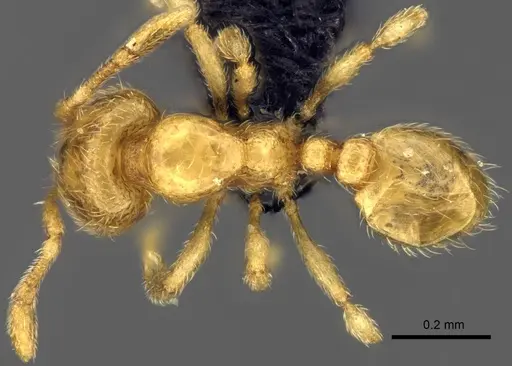
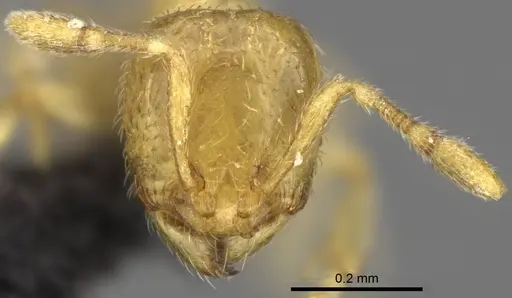
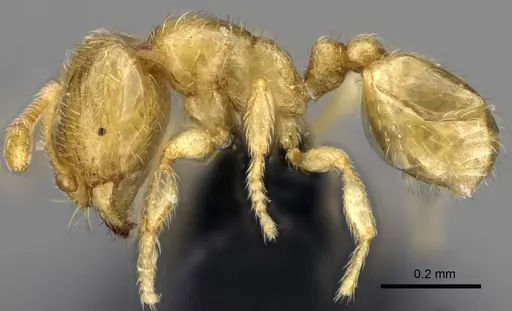
CASENT0054204
View on AntWeb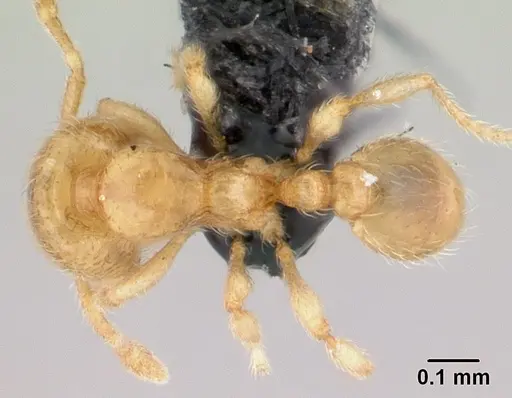
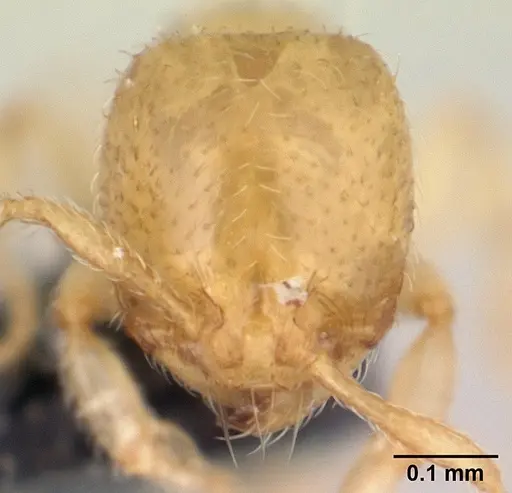
CASENT0054208
View on AntWeb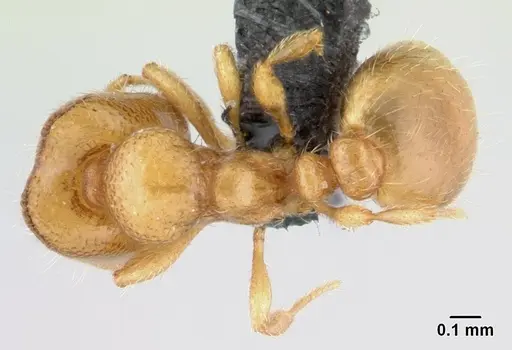
CASENT0498640
View on AntWeb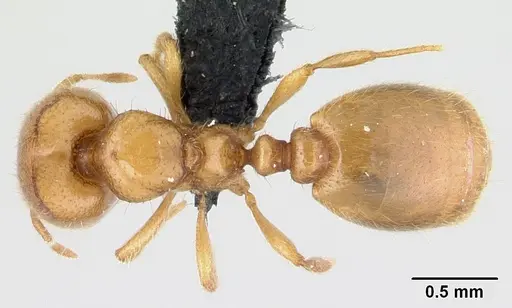
Literature
Loading...Loading products...