

Carebara mahafaly
- Scientific Name
- Carebara mahafaly
- Tribe
- Crematogastrini
- Subfamily
- Myrmicinae
- Author
- Azorsa & Fisher, 2018
- Distribution
- Found in 1 countries
Carebara mahafaly Overview
Carebara mahafaly is an ant species of the genus Carebara. It is primarily documented in 1 countries , including Madagascar. Detailed taxonomic data and occurrence records can be further explored via authoritative databases such as AntWeb or the Global Biodiversity Information Facility (GBIF).
Carebara mahafaly
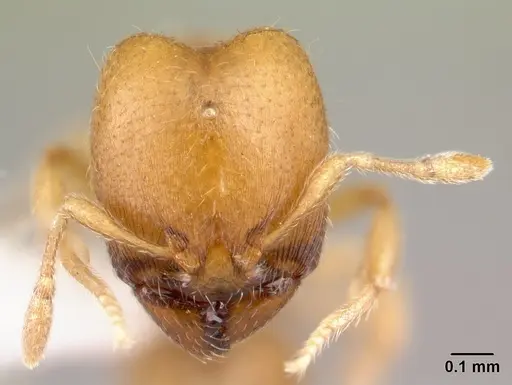
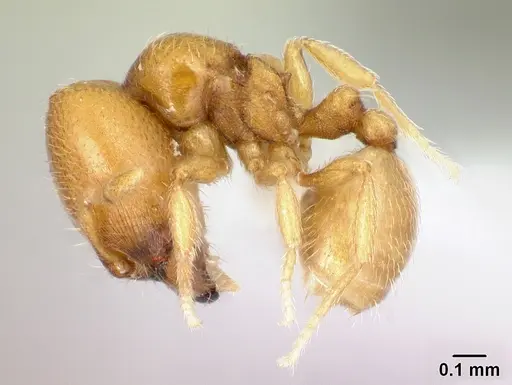
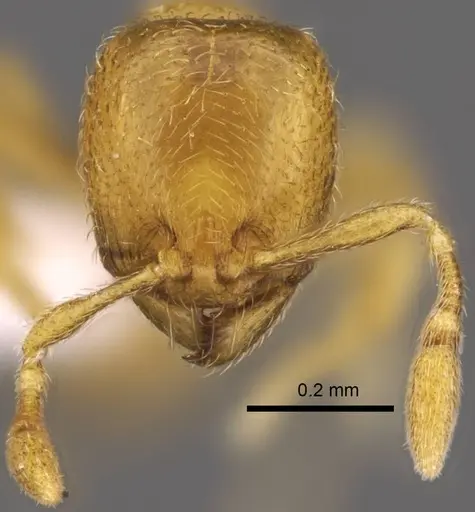
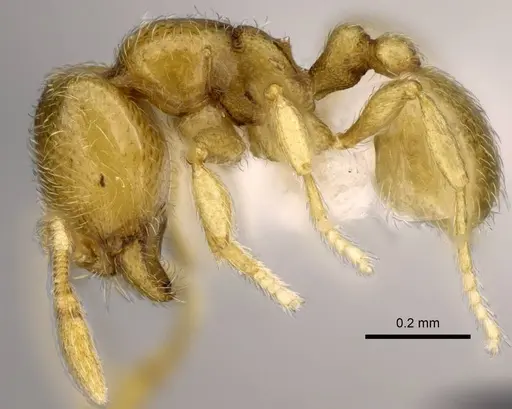
Carebara mahafaly is a tiny rainforest ant endemic to central Madagascar, recently described in 2018. Major workers reach 0.65-0.75mm in head length while minor workers are even smaller at 0.37-0.46mm, making them one of the smallest ants you can keep. They have a yellowish-ferruginous color and ten-segmented antennae, with major workers showing a distinctive nearly subquadrate head shape and propodeum armed with small triangular teeth. This species lives in montane rainforest habitats at elevations between 780-1300m, where they nest in sifted litter, leaf mold, and rotting wood. They were collected using specialized extraction methods from forest floor debris, indicating they are litter-dwelling ants that prefer humid, shaded microhabitats.
Quick Summary
- Difficulty: Medium
- Origin & Habitat: Endemic to central Madagascar, found in rainforest and montane rainforest at 780-1300m elevation [1]. Collected from sifted litter, leaf mold, and rotten wood [1].
- Colony Type: Colony structure is unconfirmed. This species was only described in 2018,so no research exists on queen number or colony organization.
- Size & Growth:
- Queen: Unknown, queen has not been described in scientific literature
- Worker: Major workers: 0.65-0.75mm head length, Minor workers: 0.37-0.46mm head length [1]
- Colony: Unknown, no colony size data available
- Growth: Unknown, no development data exists for this species
- Development: Unknown, no direct measurements exist. Based on typical Carebara patterns and their tiny size, expect relatively fast development, possibly 4-8 weeks at optimal temperature, but this is an estimate. (Development timeline is unconfirmed. This species was only described in 2018 and no breeding or development studies have been published.)
- Antkeeping:
- Temperature: Keep around 24-26°C. This is inferred from their Madagascar rainforest habitat, they likely prefer warm, stable conditions similar to other tropical litter ants. A gentle temperature gradient allows them to regulate.
- Humidity: Keep high humidity, these are rainforest ants that live in leaf litter and rotting wood. The nest substrate should remain consistently moist but not waterlogged. Mist occasionally and provide a water tube.
- Diapause: Unknown, no research on seasonal behavior. As a tropical rainforest species from Madagascar, they may not require a true diapause, but may show reduced activity during cooler periods.
- Nesting: Use a small test tube setup or a plaster/acrylic nest with tight chambers scaled to their tiny size. They naturally nest in rotting wood and leaf litter, so a naturalistic setup with small passages works well. Their tiny size means they need very narrow tunnels and chambers.
- Behavior: These ants are very small and likely secretive, living in the leaf litter layer of rainforest floors. They are probably non-aggressive and may be preyed upon easily by larger ants. Their tiny size makes them excellent escape artists, you must use fine mesh and tight-fitting lids. They are likely omnivorous, feeding on small insects, honeydew, and organic matter in captivity.
- Common Issues: escape prevention is critical, their tiny size means they can squeeze through gaps that larger ants cannot, wild-caught colonies may be difficult to establish as this species has not been kept in captivity before, overfeeding can cause mold problems in small nests, remove uneaten food promptly, their small size makes them vulnerable to drying out, maintain consistent humidity, no captive breeding data exists so establishing a colony may require experimentation
Housing and Nest Setup
Because of their extremely small size, Carebara mahafaly requires specialized housing. Use a test tube setup with a small water reservoir, or a custom acrylic/plaster nest with chambers and tunnels scaled to their tiny dimensions. The chambers should be narrow, these ants are much smaller than typical ant species kept in captivity. A naturalistic setup with small passages and some rotting wood or leaf litter material can help simulate their natural environment. Ensure excellent escape prevention: use fine mesh on any ventilation, seal all joints tightly, and consider using fluon or vaseline barriers. Even the smallest gaps will allow escapes. [1]
Feeding and Diet
Based on typical Carebara genus behavior, these ants are likely omnivorous, feeding on small insects, honeydew, and organic matter. Offer small live prey such as fruit flies, pinhead crickets, or tiny insects appropriate to their size. They may accept sugar water or honey as well, though acceptance should be tested. Remove uneaten food promptly to prevent mold, which can be deadly in small nests. Feed small amounts every few days and adjust based on colony consumption.
Temperature and Humidity
Maintain temperatures around 24-26°C with a gentle gradient if possible. This species comes from Madagascar rainforest habitats at moderate elevations, so they likely prefer warm but not hot conditions. High humidity is essential, these ants live in leaf litter and rotting wood where moisture is constant. Keep the nest substrate consistently moist but not flooded. A water tube provides a constant humidity source. Avoid both drying out and excessive condensation. [1]
Acquiring This Species
Carebara mahafaly was only described in 2018,making it one of the newest ant species in the hobby. Wild-caught colonies may be extremely difficult to obtain as the species is endemic to protected areas of central Madagascar. If available, they would likely come from specialized ant breeders who have worked with this species. Expect that establishing a colony will require experimentation with care protocols, as no captive breeding information exists. Do not release this species or any ant into non-native areas, they could become invasive. [1]
Behavior and Temperament
This is a secretive, litter-dwelling species that likely spends most of its time hidden within the nest or foraging in the leaf litter layer. They are probably non-aggressive due to their tiny size and would be easily overwhelmed by larger ants. In captivity, they will likely be shy and not particularly active outside the nest. Their small size makes them vulnerable, handle gently and keep away from larger ant colonies. They are unlikely to sting humans due to their minute size. [1]
Frequently Asked Questions
How long does it take for Carebara mahafaly to produce first workers?
The egg-to-worker timeline is unknown, no research exists on their development. Based on their tiny size and typical Carebara patterns, development may be relatively fast, possibly 4-8 weeks at optimal temperature, but this is an estimate. Expect experimentation to be needed.
What do Carebara mahafaly ants eat?
Based on typical Carebara genus behavior, they likely accept small live prey (fruit flies, tiny insects), and may also take sugar sources like honey water. Offer small prey items appropriate to their size and remove uneaten food promptly.
Can I keep Carebara mahafaly in a test tube?
Yes, a test tube setup works well for this tiny species. Use a small test tube with a water reservoir and cotton plug. The key is ensuring the chambers and passages are appropriately scaled to their very small size, standard test tubes work but watch for escapes through the cotton or around lids.
Are Carebara mahafaly ants good for beginners?
No, this species is not recommended for beginners. It was only described in 2018,has no captive care history, and requires specific humidity and escape prevention that make it challenging. Additionally, wild colonies are essentially unavailable since the species is endemic to Madagascar.
Do Carebara mahafaly ants sting?
While not confirmed, they are unlikely to sting humans due to their extremely small size. Their stingers would be too tiny to penetrate human skin effectively. However, they should still be handled gently and kept securely contained.
What temperature do Carebara mahafaly ants need?
Keep them around 24-26°C. This is inferred from their Madagascar rainforest habitat. A gentle temperature gradient allows the colony to self-regulate. Avoid temperatures below 20°C or above 30°C.
How big do Carebara mahafaly colonies get?
Colony size is unknown, no data exists. Based on their tiny worker size and litter-dwelling habits, colonies are likely relatively small, possibly under 100 workers, but this is an estimate.
Where is Carebara mahafaly found?
This species is endemic to central Madagascar, specifically found in rainforest and montane rainforest habitats at elevations of 780-1300 meters. It is known from only two localities.
Do Carebara mahafaly ants need hibernation?
Unknown, no research exists on their seasonal behavior. As a tropical rainforest species from Madagascar, they likely do not require a true diapause, but may show reduced activity during cooler periods. Do not attempt hibernation without understanding their needs.
Why are my Carebara mahafaly ants dying?
Without captive data, we can only guess. Likely causes include: drying out (maintain humidity), escapes (improve barrier), mold from overfeeding, or stress from incorrect temperature. This species has no captive history, so establishing a colony may require significant experimentation.
References

This caresheet is licensed under CC BY-SA 4.0 .
CASENT0410500
View on AntWeb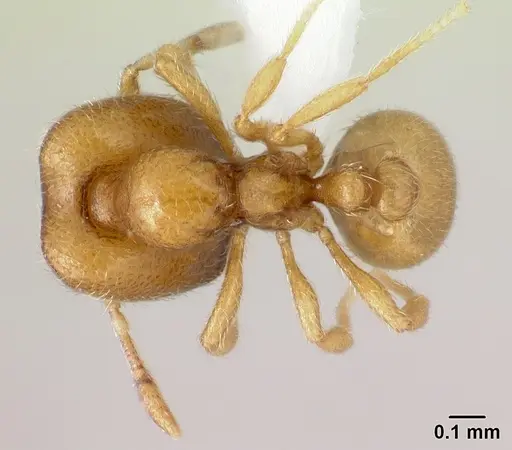
CASENT0410535
View on AntWeb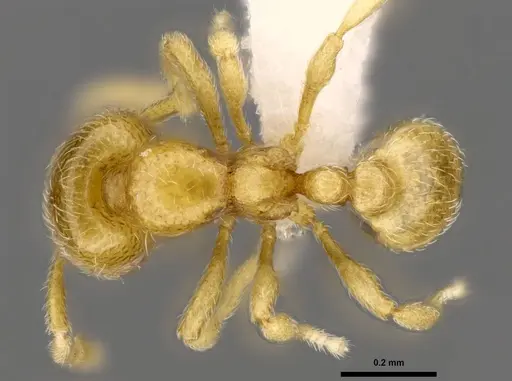
Literature
Loading...Loading products...