

Carebara lova
- Scientific Name
- Carebara lova
- Tribe
- Crematogastrini
- Subfamily
- Myrmicinae
- Author
- Azorsa & Fisher, 2018
- Distribution
- Found in 1 countries
Carebara lova Overview
Carebara lova is an ant species of the genus Carebara. It is primarily documented in 1 countries , including Madagascar. Detailed taxonomic data and occurrence records can be further explored via authoritative databases such as AntWeb or the Global Biodiversity Information Facility (GBIF).
Carebara lova
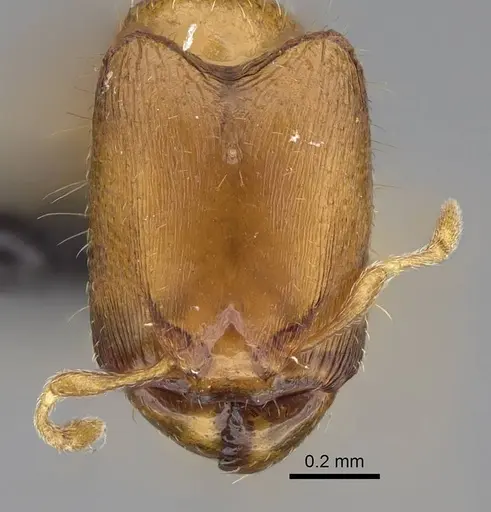
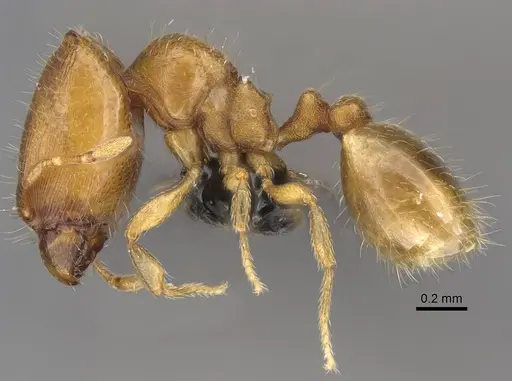
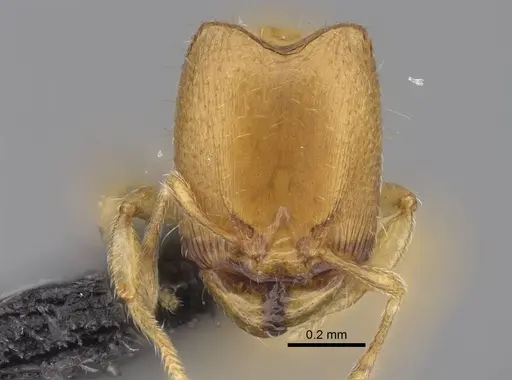
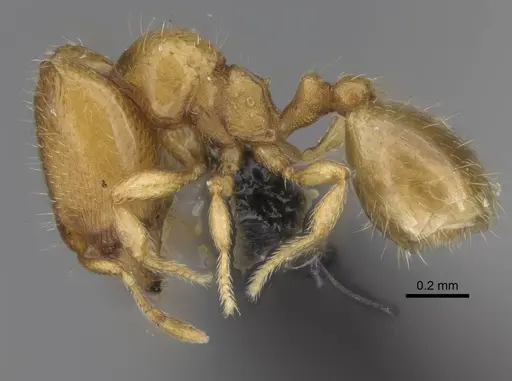
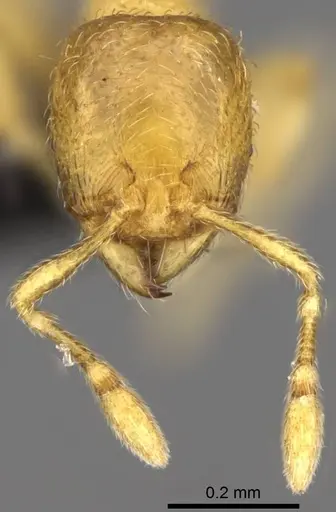
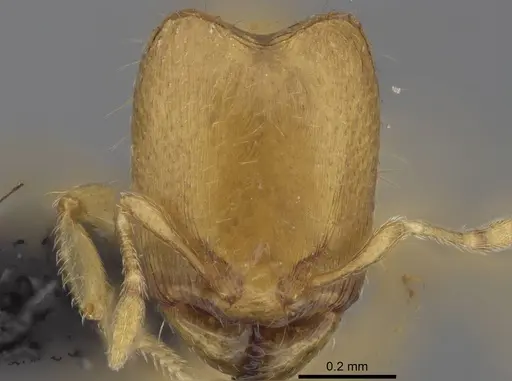
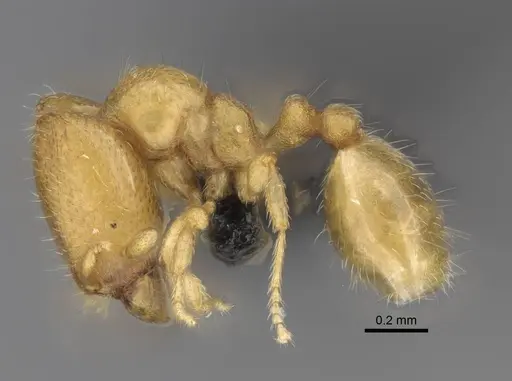
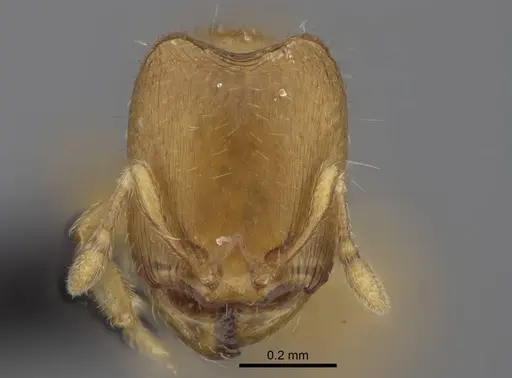
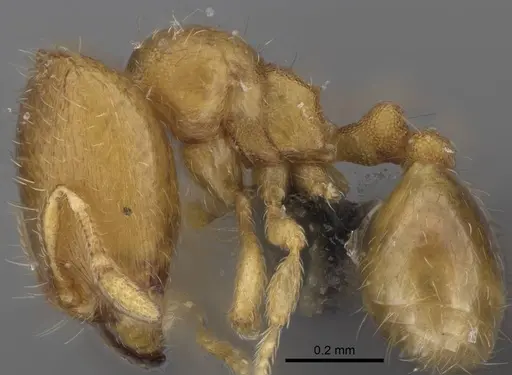
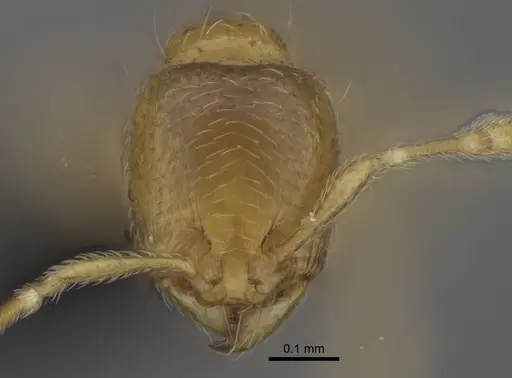
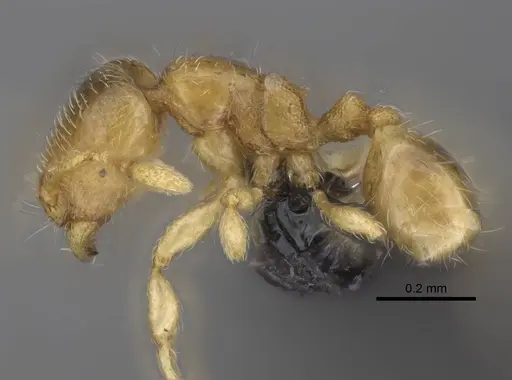
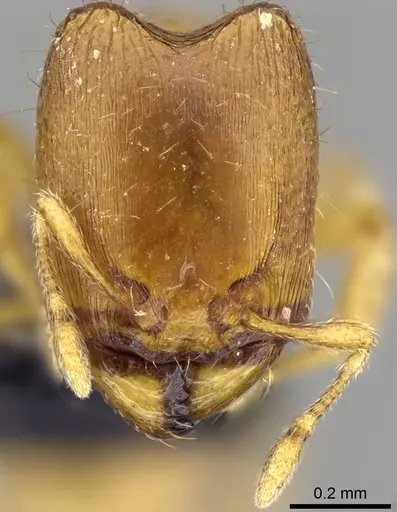
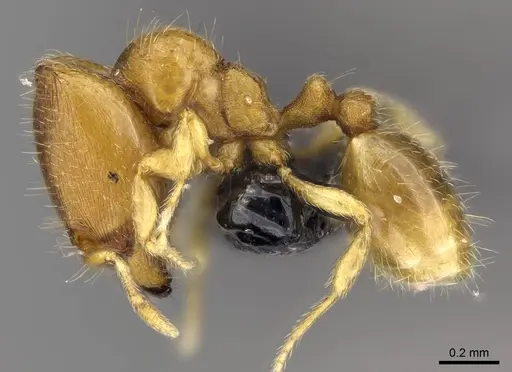
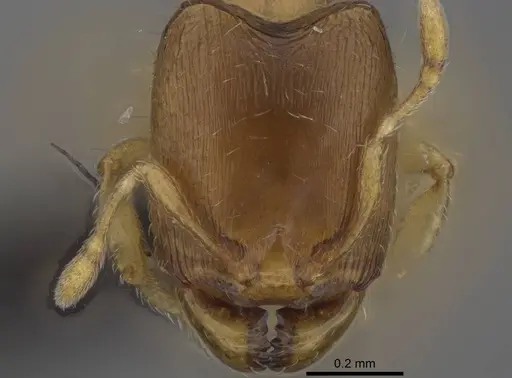
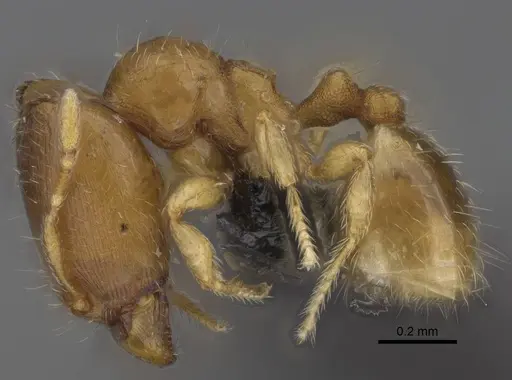
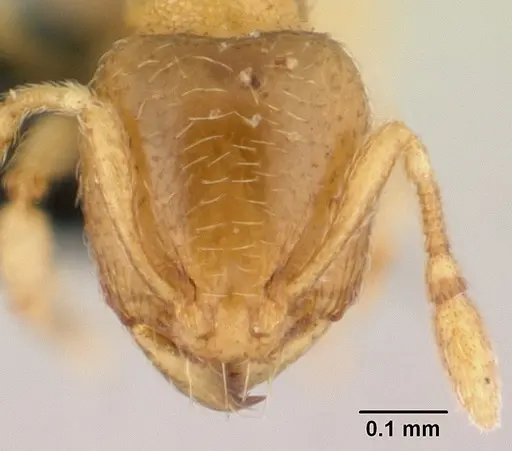
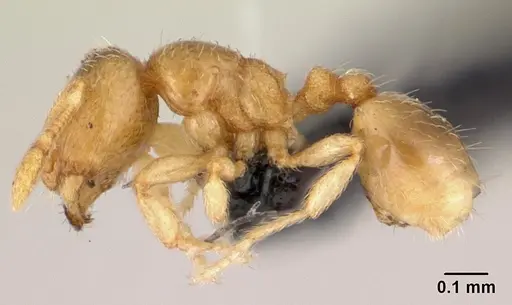
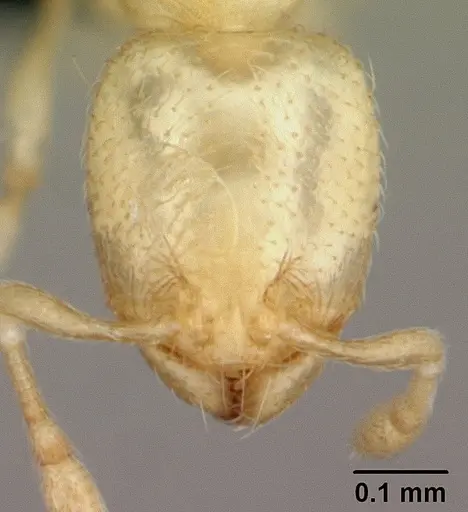
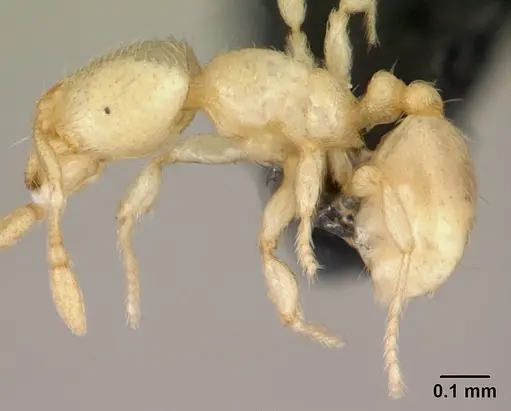
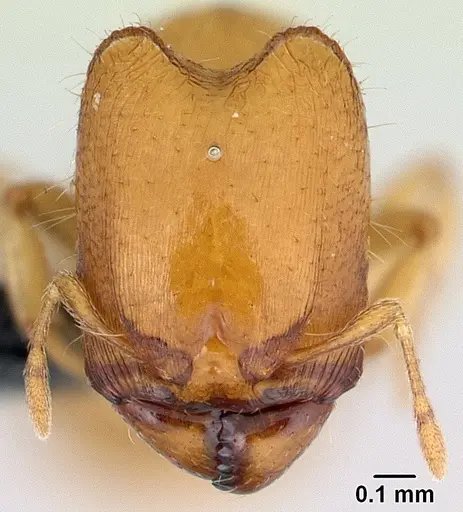
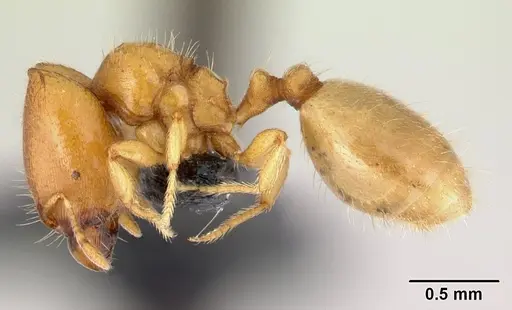
Carebara lova is a tiny ant species native to northwestern Madagascar, first described in 2018. Workers come in two size castes: minor workers measure just 0.32-0.38mm, while major workers (soldiers) range from 0.60-1.05mm and have distinctive features including a deeply concave head margin and small propodeal teeth [1]. The species has a yellowish ferruginous coloration and ten-segmented antennae. Unlike many ants, C. lova exhibits three intermediate subcastes within the major worker caste, with the largest having reduced flight sclerites suggesting it may serve a reproductive function [1].
This species is known only from a handful of locations in northwestern Madagascar where it inhabits tropical dry forest, gallery forest, and rainforest at elevations between 30-500 meters [1]. In the wild, colonies have been collected from sifted leaf litter, rotten logs, leaf mold, and rotting wood using specialized extraction methods [1]. As a newly described species, much of its biology remains unstudied, but like other Carebara species, it likely forms small colonies with one queen.
Quick Summary
- Difficulty: Medium
- Origin & Habitat: Northwestern Madagascar, found in gallery forest, rainforest, and tropical dry forest at elevations 30-500m [1]. In the wild, colonies nest in sifted litter, rotten logs, leaf mold, and rotting wood.
- Colony Type: Unconfirmed colony structure. Based on genus Carebara patterns, likely single-queen (monogyne) colonies. The presence of a major worker subcaste with three intermediates suggests complex caste differentiation.
- Size & Growth:
- Queen: Not yet documented in scientific literature, estimated 4-6mm based on genus Carebara patterns
- Worker: Minor workers: 0.32-0.38mm. Major workers: 0.60-1.05mm [1]
- Colony: Unknown, likely small colonies of under 500 workers based on typical Carebara patterns
- Growth: Unknown, likely moderate growth rate typical of tropical Myrmicinae
- Development: Unconfirmed, estimated 6-10 weeks based on related species in tropical environments (No direct development data exists for this species. Estimates based on typical Carebara genus patterns in tropical conditions.)
- Antkeeping:
- Temperature: Keep at 24-28°C, these are tropical ants from Madagascar requiring warm, stable conditions. A gentle thermal gradient allows workers to self-regulate.
- Humidity: High humidity is essential, they naturally inhabit rotting wood and leaf litter in humid forests. Keep nest substrate consistently moist but not waterlogged. Provide a water tube for drinking access.
- Diapause: Unlikely, as a tropical species from Madagascar, they probably do not require a winter dormancy period. Keep temperatures stable year-round.
- Nesting: Natural nesting occurs in rotting wood, leaf litter, and soil. In captivity, a small test tube setup or mini formicarium with moist substrate works well. The tiny size means chambers and passages must be appropriately scaled.
- Behavior: Carebara ants are generally shy and non-aggressive. Major workers use their slightly larger size for defense and seed processing, while minor workers handle brood care and foraging. They are likely nocturnal or crepuscular foragers in the wild. Due to their extremely small size, escape prevention is critical, they can squeeze through standard barrier gaps. Handle with care as they may be easily crushed.
- Common Issues: escape prevention is critical due to their tiny size, use fine mesh barriers and tight-fitting lids, limited scientific data means many care aspects are inferred from genus patterns rather than direct observation, slow colony growth can frustrate keepers expecting rapid development, wild-caught colonies may carry parasites that are difficult to detect, tiny size makes them vulnerable to drowning in water tubes, use cotton plugs with only damp cotton visible
Housing and Nest Setup
Carebara lova requires careful housing due to its minute size. A small test tube setup works well for founding colonies, use a standard test tube with a water reservoir sealed with a cotton plug, providing a damp cotton area for the colony to occupy. For established colonies, a small acrylic or plaster formicarium with appropriately scaled chambers is ideal. The chambers should be small and tight-fitting, larger spaces can stress these tiny ants. Include a section of moist substrate (like coco fiber or plaster) to maintain humidity. Always provide an outworld area for foraging, connected by tubing that is at least 4mm in diameter to allow easy movement. [1]
Feeding and Diet
In the wild, Carebara species typically feed on small arthropods, honeydew, and various organic matter. For captive colonies, offer small protein sources such as fruit flies, pinhead crickets (appropriately sized), and small mealworms. Sugar sources like honey water or sugar water should be offered regularly, as these ants likely have moderate sugar needs. Feed small amounts every 2-3 days and remove uneaten food promptly to prevent mold. Given their tiny size, food items must be appropriately sized, what seems small to you is large to these ants. Observe whether your colony accepts different food types and adjust accordingly.
Temperature and Humidity
As a tropical species from Madagascar, Carebara lova requires warm and humid conditions. Maintain temperatures between 24-28°C, avoiding drops below 22°C or rises above 32°C. A heating cable on one side of the setup can create a thermal gradient. Humidity should be kept high, aim for 70-85% relative humidity within the nest. The substrate should feel consistently damp but never waterlogged. Mist the nest area lightly if condensation disappears too quickly, but avoid creating standing water. These ants naturally inhabit rotting wood and leaf litter in humid forests, so replicating these conditions is key to success. [1]
Colony Dynamics and Castes
One of the most interesting aspects of Carebara lova is its complex caste system. Unlike many ants with just minor and major workers, this species has three intermediate major worker subcastes [1]. The largest intermediate major workers have one ocellus (simple eye) and reduced flight sclerites, suggesting they may serve a semi-reproductive function within the colony, similar to ergatoid queens but in the worker caste. This makes them particularly interesting for observing caste differentiation and potential division of labor. Expect to see size variation among workers as your colony grows, with larger majors potentially handling different tasks than the tiny minors.
Handling and Observation
Due to their extremely small size, Carebara lova requires gentle and careful handling. These ants are not aggressive and will likely flee from threats rather than engage. When moving colonies or observing, avoid sudden movements and never grab or squeeze the ants. Transferring colonies requires patience, connecting tubing and allowing ants to walk through voluntarily is safer than shaking them out. Their small size also means they are excellent escape artists, even standard fluon barriers may need reinforcement with fine mesh for these tiny ants. Regular observation is recommended to monitor colony health and catch any issues early.
Frequently Asked Questions
How long does it take for Carebara lova to produce first workers?
The exact timeline is unconfirmed, but based on typical Carebara genus patterns in tropical conditions, expect 6-10 weeks from egg to worker at optimal temperature (24-28°C). Founding colonies may take longer as the queen raises her first brood alone.
Can I keep Carebara lova in a test tube?
Yes, test tubes work well for founding colonies. Use a small test tube with a water reservoir and cotton plug. Ensure the cotton is damp but not soaking wet, and provide a small dark area for the queen. The tiny size means you may need to use narrower tubing for connections.
What do Carebara lova ants eat?
They likely accept small protein sources like fruit flies, tiny crickets, and small mealworms, plus sugar sources such as honey water or sugar water. Feed small, appropriately-sized items every 2-3 days and remove uneaten food promptly.
Do Carebara lova ants sting?
As a Myrmicinae species, they have a stinger but it is far too small to penetrate human skin. They are not considered dangerous to humans and are generally non-aggressive.
Are Carebara lova good for beginners?
This species is rated Medium difficulty. While not the easiest species, their care requirements are straightforward once humidity and temperature are stable. The main challenge is their tiny size requiring excellent escape prevention and careful handling.
How big do Carebara lova colonies get?
Colony size is unconfirmed but based on typical Carebara patterns, colonies likely reach several hundred workers at maximum. The complex caste system with multiple major worker subcastes makes them particularly interesting to watch as the colony develops.
Do Carebara lova need hibernation?
No, as a tropical species from Madagascar, they do not require hibernation. Keep temperatures stable year-round between 24-28°C. Avoid exposing them to temperatures below 20°C for extended periods.
Why are my Carebara lova escaping?
Their extremely small size (minor workers are only 0.32-0.38mm) makes them excellent escape artists. Use fine mesh barriers (at least 0.3mm mesh), tight-fitting lids, and consider additional barriers like fluon. Check all connections and tubing junctions for gaps.
When should I move my colony to a formicarium?
Move to a formicarium when the colony reaches around 50-100 workers or when the test tube becomes crowded. Ensure the formicarium has appropriately small chambers and maintains high humidity. A small acrylic nest or plaster setup works well.
Can I keep multiple queens together?
Combining unrelated queens has not been documented for this species and is not recommended. In the wild, colonies likely have a single queen (monogyne). If you obtain multiple foundress queens, house them separately to avoid conflict.
References

This caresheet is licensed under CC BY-SA 4.0 .
CASENT0023455
View on AntWeb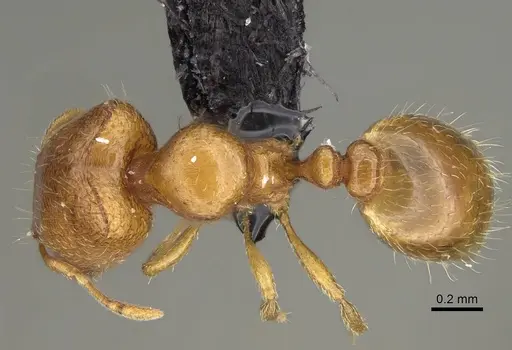
CASENT0036014
View on AntWeb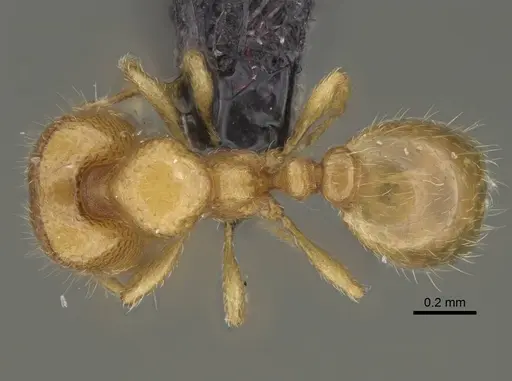
CASENT0468562
View on AntWeb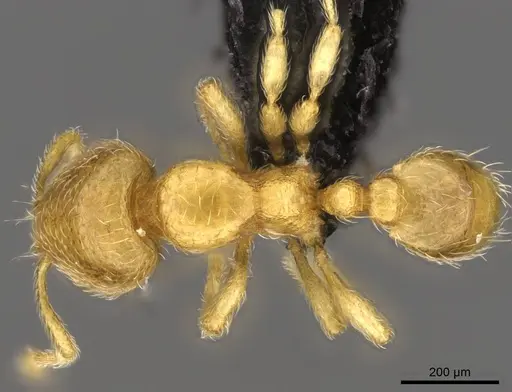
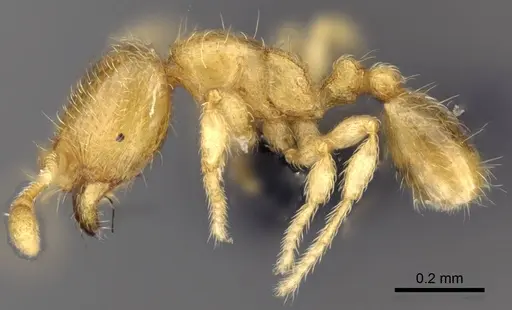
CASENT0468629
View on AntWeb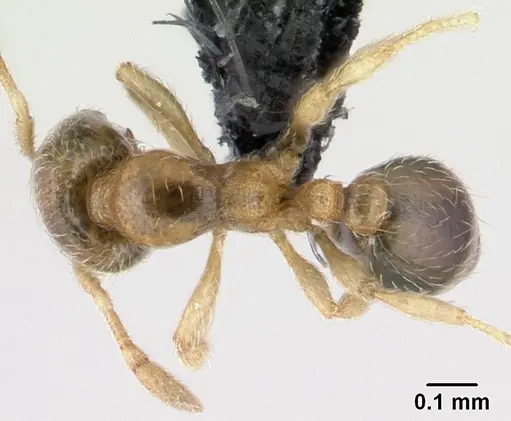
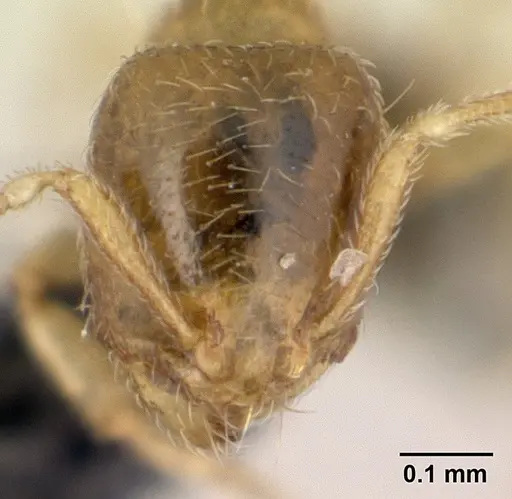
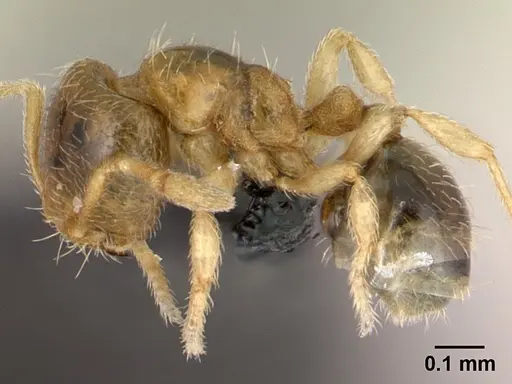
CASENT0468659
View on AntWeb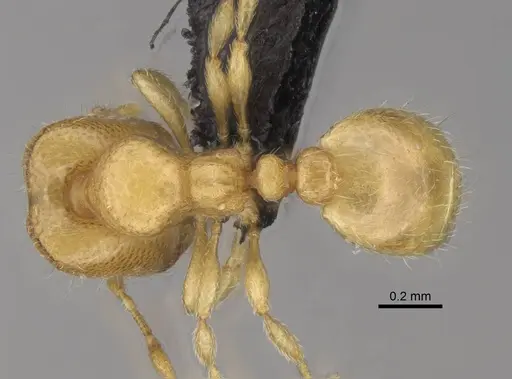
CASENT0468685
View on AntWeb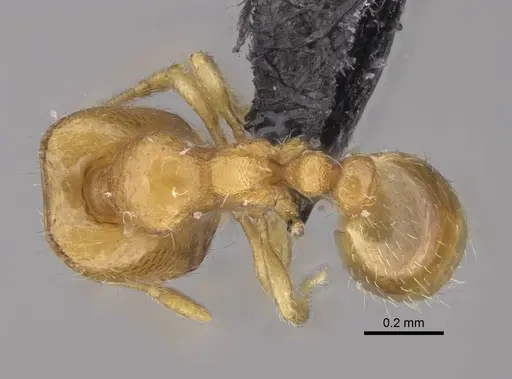
CASENT0468704
View on AntWeb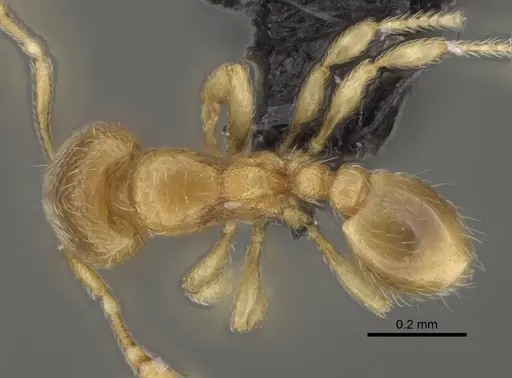
CASENT0468707
View on AntWeb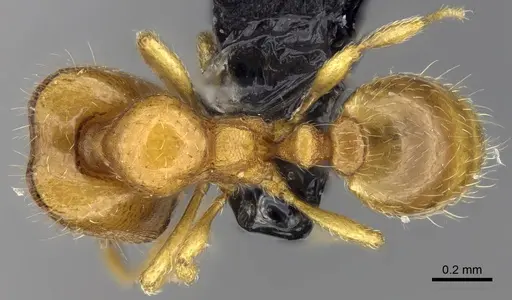
CASENT0470793
View on AntWeb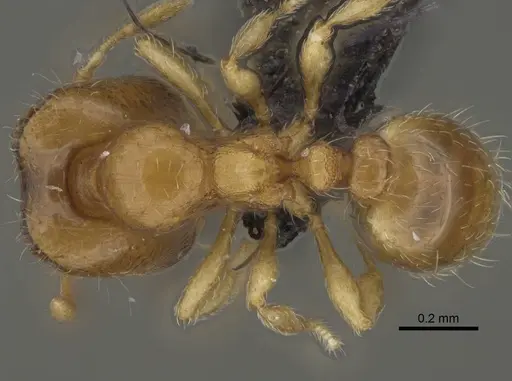
CASENT0486508
View on AntWeb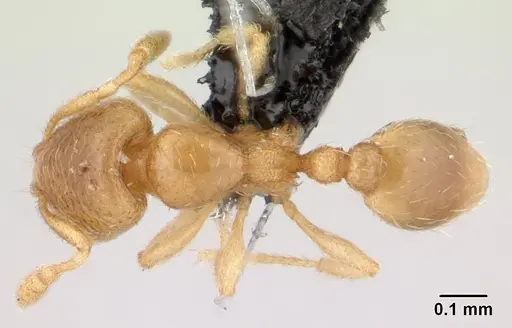
CASENT0493152
View on AntWeb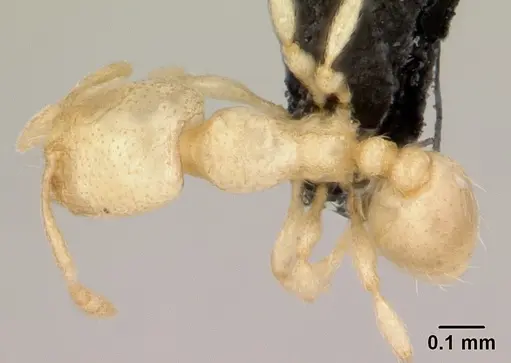
CASENT0493154
View on AntWeb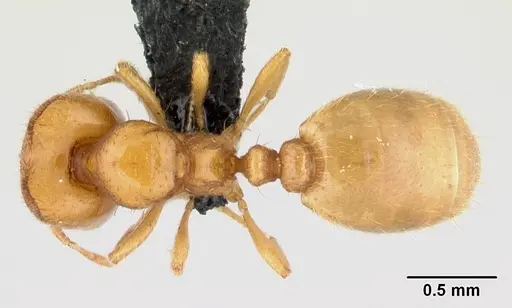
Literature
Loading...Loading products...