

Carebara leei
- Scientific Name
- Carebara leei
- Tribe
- Crematogastrini
- Subfamily
- Myrmicinae
- Author
- Forel, 1902
- Distribution
- Found in 1 countries
Carebara leei Overview
Carebara leei is an ant species of the genus Carebara. It is primarily documented in 1 countries , including India. Detailed taxonomic data and occurrence records can be further explored via authoritative databases such as AntWeb or the Global Biodiversity Information Facility (GBIF).
Carebara leei
Carebara leei is a rare Indian ant species belonging to the Myrmicinae subfamily. Only the queen caste has been described, the worker caste remains unknown, which is unusual and suggests this may be a highly polymorphic species where major workers have not yet been discovered or documented. Queens measure over 5mm in total length with a brown coloration and distinctive 9-segmented antennae. This species is endemic to India, recorded from Karnataka and West Bengal regions. The genus Carebara contains some of the smallest ants in the world, and while we lack specific data for C. leei, related species in this genus typically form colonies with distinct worker castes and can adapt to various nesting environments.
Quick Summary
- Difficulty: Unknown, species is poorly documented
- Origin & Habitat: India (Karnataka and West Bengal), endemic [1]
- Colony Type: Unknown, only queen caste has been described [2]
- Size & Growth:
- Queen: Over 5mm (total length 7-8mm) [3]
- Worker: Unknown, worker caste not described
- Colony: Unknown, no colony data available
- Growth: Unknown
- Development: Unknown, no development data exists for this species (Development timeline cannot be estimated due to complete lack of worker and colony observations)
- Antkeeping:
- Temperature: Unknown, no thermal data available. Based on related Indian Carebara species, room temperature (20-26°C) is likely suitable. Start in the low-mid 20s°C range and observe colony activity.
- Humidity: Unknown, no humidity data exists. As an Indian species from Karnataka and West Bengal, moderate humidity (50-70%) similar to other tropical to subtropical ants is a reasonable starting point. Provide a water tube and allow the colony to select moisture levels.
- Diapause: Unknown, no seasonal data available. India has mild winters in the native range, so a light dormancy period may be beneficial but is not confirmed to be required.
- Nesting: No natural nesting data exists. Based on genus patterns, they likely prefer soil nests or nesting in protected micro-habitats. Test tube setups work well for founding colonies. Given their small size, avoid large open spaces in nests.
- Behavior: Behavior is undocumented. Based on typical Carebara genus patterns, these ants are likely relatively docile with moderate foraging activity. Escape prevention should be excellent given their very small size, even minor gaps can allow escape. Do not expect major workers (soldiers) until the colony reaches significant size, as the major caste has not been described in this species.
- Common Issues: complete lack of documented care information makes proper husbandry challenging, only queen caste known, major workers may never develop or may appear at unusual colony sizes, no confirmed diet preferences, feeding may require experimentation, hibernation requirements unknown, risk of inappropriate seasonal care, escape risk is significant given tiny ant size even though worker size is unknown
Species Overview and Identification
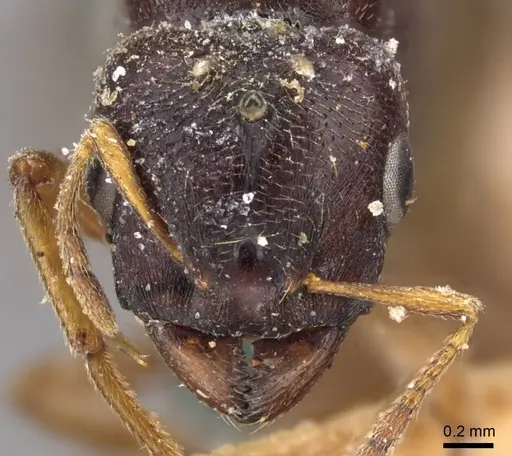
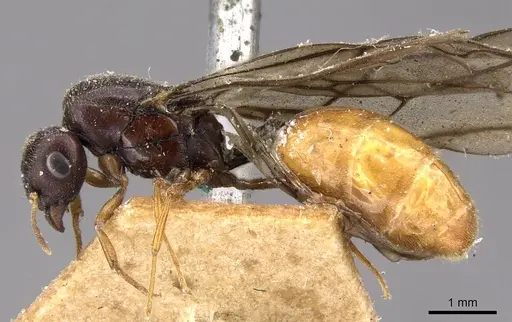
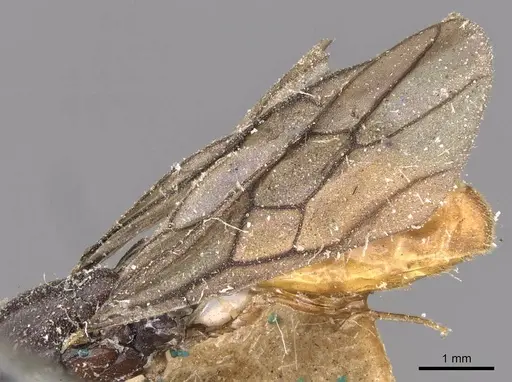
Carebara leei was originally described under the name Carebara leei by Forel in 1902 from specimens collected in Mysore, Karnataka, India. The species was later transferred to the genus Carebara by Fernández in 2004. What makes this species particularly interesting is that only the queen caste has been formally described, the worker caste remains unknown, which is relatively rare in ant taxonomy. The queen measures over 5mm in total length with a brown coloration. It has a 9-segmented antenna and the anterior border of the clypeus is not emarginated (not notched). This species is endemic to India with confirmed records from Karnataka and West Bengal states [3][2][1].
Current State of Knowledge
This is one of the most poorly documented ant species available in the antkeeping hobby. The scientific literature provides only basic morphological description of the queen, with absolutely no information about workers, colony size, founding behavior, diet, temperature preferences, or any other aspects of their biology. The major worker caste has not been described, which may indicate either that the species has not been studied in detail during colony founding, or that this represents a unique colony structure where major workers develop only at unusual colony sizes or under specific conditions. This represents both a challenge and an opportunity, keepers who successfully establish this species will be contributing genuinely new observations to ant biology. [2]
Housing and Nest Setup
Since no natural nesting data exists for this species, care recommendations must be based on general Carebara genus patterns. Use standard test tube setups for founding colonies, this provides consistent humidity control and allows easy observation. The tube should be appropriately sized for a small queen and her initial brood. Once the colony establishes and grows, consider transitioning to a small formicarium or naturalistic setup. Given their likely small worker size, ensure all connections between the nest and outworld are snug-fitting. Provide a water tube for humidity and allow the colony to self-regulate moisture by positioning the nest appropriately in your enclosure.
Feeding and Diet
Diet preferences are completely unconfirmed for this species. Based on typical Carebara genus behavior, they likely accept small protein sources such as fruit flies, pinhead crickets, small mealworms, and other appropriately-sized live or frozen prey. They may also collect honeydew from aphids or accept sugar water. Since this species is from India, they may prefer warmer conditions and may have higher protein requirements. Start with offering small live prey items and sugar water, then observe what the colony accepts. Remove any uneaten prey after 24-48 hours to prevent mold. Do not overfeed, small portions are better for establishing feeding patterns.
Temperature and Seasonal Care
No specific temperature data exists for Carebara leei. As an Indian species from Karnataka and West Bengal, they likely prefer warmer conditions typical of subtropical to tropical ants. A temperature range of 20-26°C is a reasonable starting point. Monitor colony activity, if workers become sluggish, slightly increase temperature, if they avoid the heated area, reduce temperature. Regarding diapause or hibernation, no data exists. The native range in India experiences mild winters, so a light dormancy period at reduced temperatures (15-18°C) for 2-3 months during winter months may be beneficial but should be considered experimental. Always observe colony response to any seasonal changes.
Behavior and Temperament
Specific behavioral data does not exist for this species. Based on genus-level patterns, Carebara ants are typically not aggressive and can be kept in relatively simple setups. The major concern for keepers is escape prevention, even though the exact worker size is unknown, Carebara species are generally very small ants that can squeeze through tiny gaps. Use excellent barrier methods such as fluon on test tube rims and ensure all enclosure connections are tight. Do not expect major workers (soldiers) to appear until the colony is well-established, if at all, since this caste has not been described in the scientific literature.
Frequently Asked Questions
How do I care for Carebara leei ants?
Carebara leei is one of the least documented ant species in the hobby. No established care protocol exists because only the queen has ever been described scientifically. Start with standard test tube founding setup, room temperature (20-26°C), and offer small live prey and sugar water. This represents an opportunity to make original observations, but be prepared to experiment with care conditions.
What do Carebara leei ants eat?
Diet is completely unconfirmed for this species. Based on typical Carebara behavior, they likely accept small insects like fruit flies, small mealworms, and other micro-prey. They may also accept sugar water or honey. Start with small prey items and sugar water, observe acceptance, and adjust accordingly.
How long does it take for Carebara leei to produce workers?
The egg-to-worker development timeline is completely unknown, no development data exists for this species. Based on typical small Myrmicinae, expect anywhere from 6-12 weeks at optimal temperature, but this is a rough estimate with no species-specific data to confirm it.
Will Carebara leei produce major workers (soldiers)?
The major worker caste has never been described scientifically for this species [2]. This does not mean they cannot produce majors, it may simply mean they have not been studied. Do not expect major workers until the colony is very large, if they appear at all.
Do Carebara leei ants sting?
Stinging behavior is unconfirmed, but most small Myrmicinae have stingers that are too small to penetrate human skin effectively. Based on genus patterns, they are likely non-aggressive and not a stinging concern.
What temperature should I keep Carebara leei at?
No specific temperature requirements exist. As an Indian species from Karnataka and West Bengal, a range of 20-26°C is reasonable. Start in the low-mid 20s and adjust based on observed colony activity.
Do Carebara leei need hibernation?
Diapause requirements are completely unknown. The native range in India has mild winters, so a light dormancy period at 15-18°C for a few months during winter may be beneficial but is not confirmed to be required.
How big do Carebara leei colonies get?
Maximum colony size is unknown, no colony data exists for this species. Related Carebara species can form colonies of several hundred to a few thousand workers.
Can I keep multiple Carebara leei queens together?
Colony structure (monogyne vs polygyne) is unconfirmed. No data exists on whether multiple queens can be kept together or how they establish colonies. This is entirely experimental.
Is Carebara leei a good species for beginners?
This species is not recommended for beginners due to complete lack of documented care information. Keeping this species successfully requires willingness to experiment and document observations. For beginners, species with established care protocols are strongly recommended.
References

This caresheet is licensed under CC BY-SA 4.0 .
CASENT0908907
View on AntWeb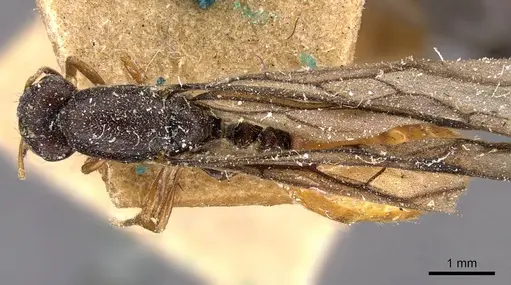
Literature
Loading...Loading products...