

Carebara jajoby
- Scientific Name
- Carebara jajoby
- Tribe
- Crematogastrini
- Subfamily
- Myrmicinae
- Author
- Azorsa & Fisher, 2018
- Distribution
- Found in 1 countries
Carebara jajoby Overview
Carebara jajoby is an ant species of the genus Carebara. It is primarily documented in 1 countries , including Madagascar. Detailed taxonomic data and occurrence records can be further explored via authoritative databases such as AntWeb or the Global Biodiversity Information Facility (GBIF).
Carebara jajoby
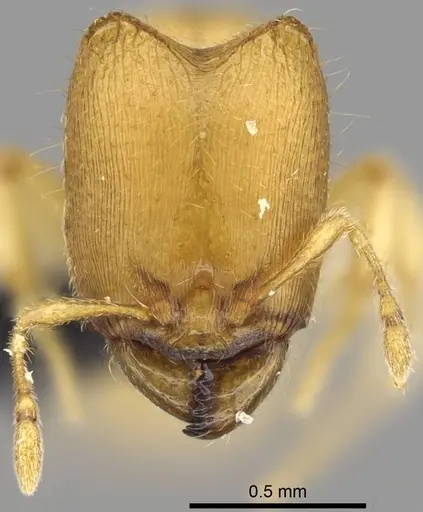
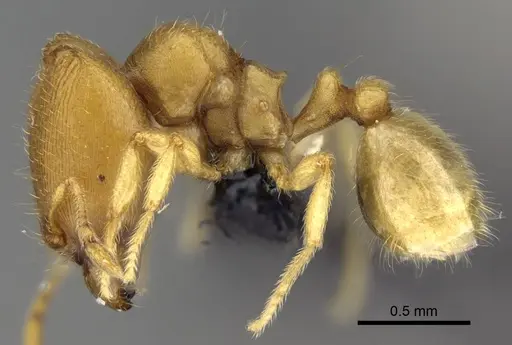
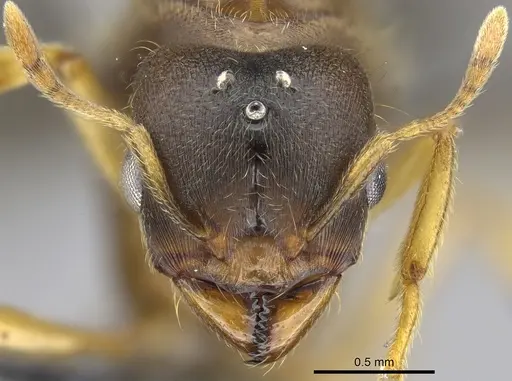
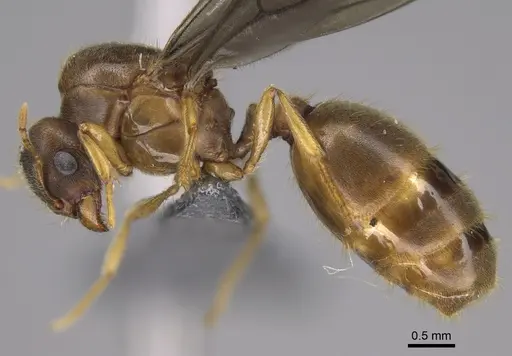
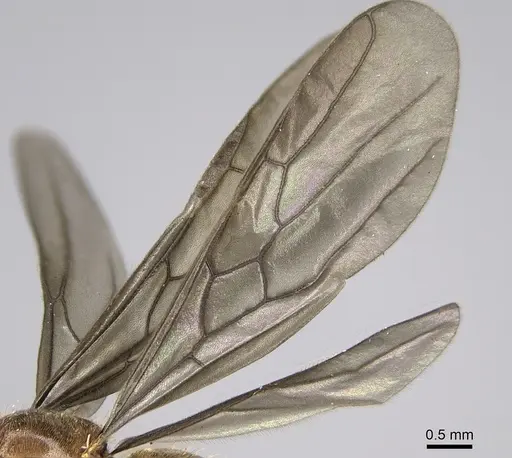
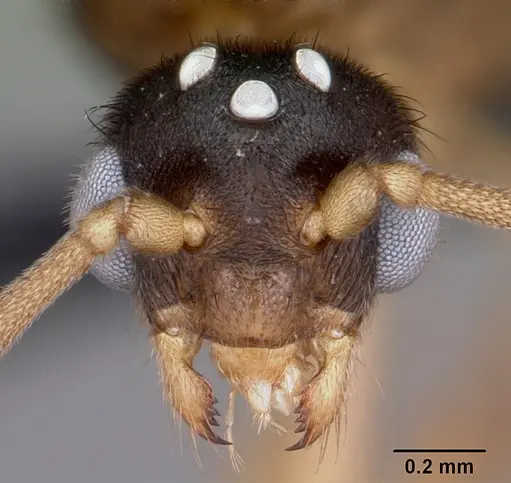
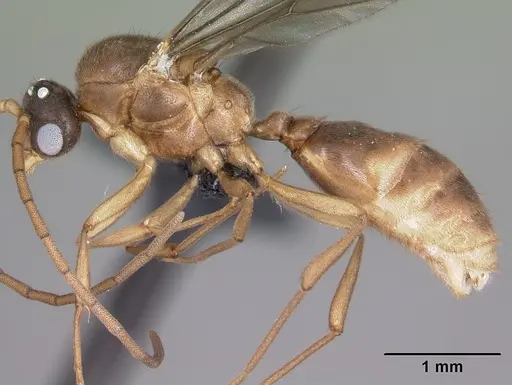
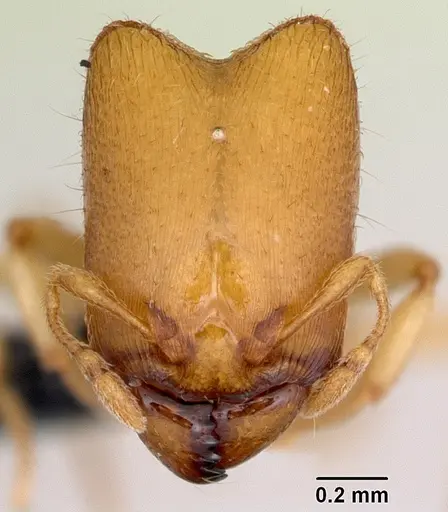
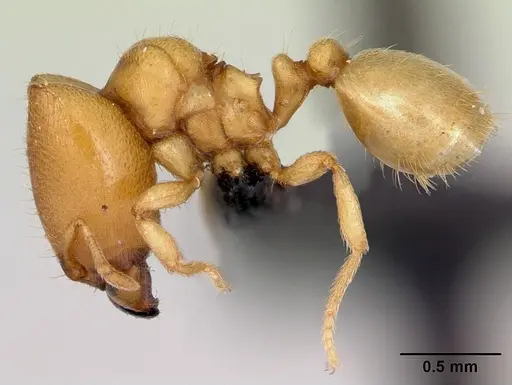
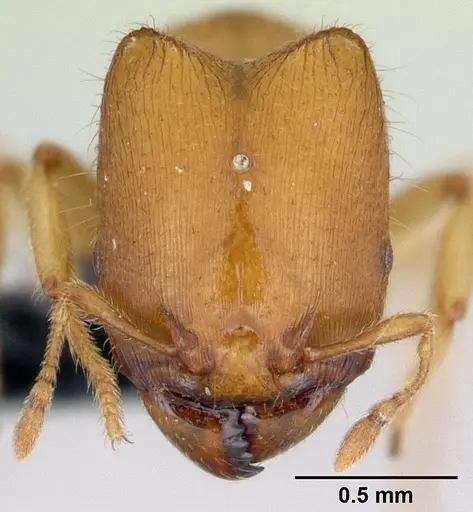
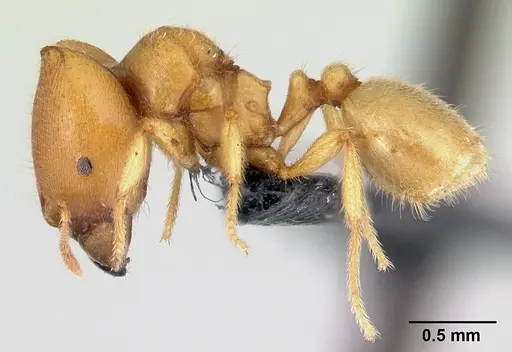
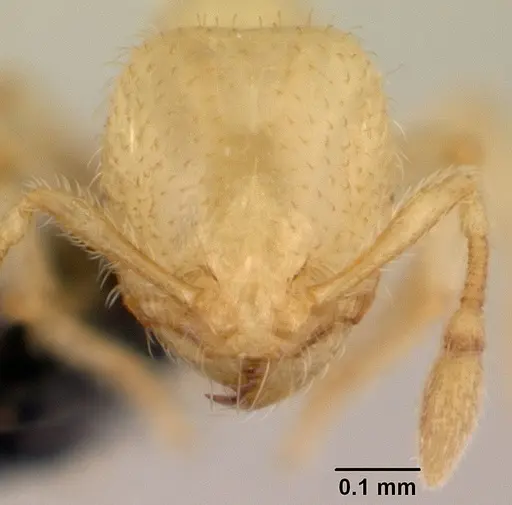
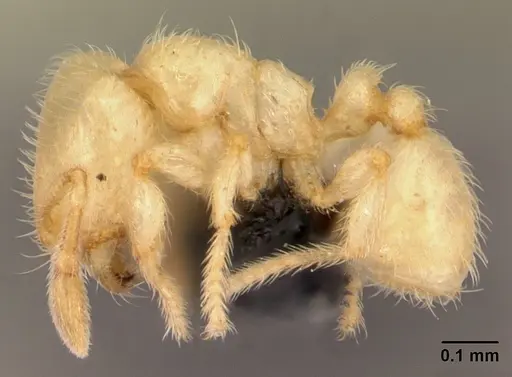
Carebara jajoby is a tiny litter-dwelling ant species native to Madagascar, recently described in 2018. Major workers measure 0.62-1.18mm with distinctive features including a deeply concave head margin and propodeal teeth, while minor workers are even smaller at 0.37-0.45mm. The species shows remarkable polymorphism with four intermediate major worker subcastes, where the largest intermediates develop rudimentary eyes and even ocelli. They inhabit the eastern and northwestern regions of Madagascar across various rainforest types from sea level to 2000m elevation. This species is part of the diverse Malagasy Carebara fauna, found alongside nine other Carebara species in the same localities.
Quick Summary
- Difficulty: Medium
- Origin & Habitat: Eastern and northwestern Madagascar, found in littoral rainforest, montane rainforest, montane shrubland, and transitional rainforest from 10-2000m elevation [1]
- Colony Type: Colony structure is unconfirmed, no published data on queen number or colony organization for this species
- Size & Growth:
- Queen: Estimated 4-6mm based on genus patterns, not directly measured for this species
- Worker: Major workers: 0.62-1.18mm, Minor workers: 0.37-0.45mm [1]
- Colony: Unknown, no colony size data published
- Growth: Unknown, no development data available for this species
- Development: Estimated 6-10 weeks based on typical Myrmicinae development at optimal temperature (No direct development data exists for this species, estimates based on genus-level patterns for similar small Myrmicinae)
- Antkeeping:
- Temperature: Keep at 22-26°C, based on their Madagascar rainforest habitat which is warm and humid year-round. A gentle gradient allows workers to self-regulate.
- Humidity: High humidity preferred, these ants live in forest floor litter and rotting wood. Keep substrate consistently moist but not waterlogged. Mist occasionally and provide a water tube.
- Diapause: Unknown for this species, Madagascar lacks true winters, so diapause may not be required. Observe colony behavior for seasonal slowdowns.
- Nesting: They naturally nest in forest litter, dead twigs, rotten logs, and under stones. In captivity, a small test tube setup works well for founding colonies. For established colonies, a small acrylic or plaster nest with tight chambers scaled to their tiny size is ideal. Avoid large open spaces.
- Behavior: These are tiny, cryptic ants that spend most of their time hidden in the nest or foraging through litter. They are not aggressive and pose no threat to keepers. Major workers are significantly larger than minors and may serve as soldiers or foragers. Escape prevention is critical, their tiny size means they can squeeze through standard barrier methods. Use fine mesh and tight-fitting lids.
- Common Issues: escape prevention is critical due to their very small size, standard barriers may not contain them, slow growth compared to larger ant species, beginners may lose patience, wild-caught colonies may harbor parasites that can devastate captive colonies, overfeeding leads to mold problems in small enclosures, temperature fluctuations can stress these humidity-dependent ants
Housing and Nest Setup
Carebara jajoby is a minute ant species requiring appropriately scaled housing. For founding colonies, a standard test tube setup works well, the small water reservoir maintains humidity while the clear walls allow you to observe brood development. For established colonies, a small acrylic nest or plaster formicarium with narrow chambers and passages is ideal. The chambers should be sized to the worker size, these are tiny ants that feel exposed in large open spaces. Provide a small outworld area for foraging. Because of their minute size, escape prevention must be excellent, even standard test tube cotton can be pulled through by determined workers. Use fluon barriers on any outworld connections and ensure all connections are tight-fitting. [1]
Feeding and Diet
Like other Carebara species, these ants likely have an omnivorous diet typical of small litter-dwelling ants. They probably feed on small arthropods, honeydew from aphids, and various organic matter. In captivity, offer small protein sources like fruit flies, pinhead crickets, or small mealworms. Sugar water or honey can be offered occasionally, though acceptance may vary. Feed small amounts every 2-3 days and remove uneaten food promptly to prevent mold. Given their tiny size, even a small fruit fly is a substantial meal. Observe your colony's preferences and adjust accordingly.
Temperature and Humidity
As a Madagascar species from rainforest habitats, Carebara jajoby prefers warm and humid conditions. Maintain temperatures between 22-26°C, avoiding both cold drafts and excessive heat. A heating cable on one side of the nest creates a gentle gradient allowing workers to regulate their temperature. High humidity is essential, these ants live in moist forest floor environments. Keep the nest substrate consistently damp but not sitting in water. A water tube in the test tube setup provides humidity. Avoid placing the nest near air conditioning vents or in dry rooms. [1]
Colony Structure and Growth
This species exhibits polymorphism with distinct worker castes: minor workers, four intermediate major worker forms, and major soldiers. The largest major workers show remarkable adaptations including developing eyes (up to 30 ommatidia), an ocellus, and even reduced flight sclerites, suggesting they may be on the path to becoming a true soldier caste. In captivity, expect your colony to develop these castes as it grows. The colony size in the wild is unknown, but related species typically form small to moderate colonies. Growth will be slower than larger ant species due to their tiny size, patience is essential when keeping this species. [1]
Handling and Observation
Carebara jajoby is not a handling pet, these are tiny, cryptic ants best appreciated through observation. They are not aggressive and cannot sting effectively due to their size. When maintaining the colony, work quietly and avoid vibrations that can stress the colony. Regular observation of foraging behavior, brood development, and caste distribution provides the main enjoyment of keeping this species. Their small size makes them fascinating to watch as they navigate their environment, the major workers especially show interesting behavior compared to the tiny minors.
Frequently Asked Questions
How long does it take for Carebara jajoby to produce first workers?
The exact timeline is unknown for this newly described species. Based on typical Myrmicinae development, expect 6-10 weeks from egg to worker at optimal temperature (22-26°C). Growth will be slower than larger ant species due to their tiny size.
What size colony does Carebara jajoby reach?
The maximum colony size is unknown, no published data exists for this species. Based on related litter-dwelling Carebara species, colonies likely reach several hundred workers at most.
Do Carebara jajoby ants sting?
These ants are too small to effectively sting humans. Their stingers exist but cannot penetrate human skin. They are completely harmless to keepers.
Can I keep multiple queens together?
The colony structure (monogyne vs polygyne) is unconfirmed for this species. No published data exists on whether multiple queens can be kept together successfully. It is not recommended to combine unrelated foundress queens until more is known.
What do Carebara jajoby eat?
They likely accept small protein sources like fruit flies, small insects, and may occasionally take sugar. Feed small amounts every few days and remove uneaten food to prevent mold.
Are Carebara jajoby good for beginners?
This species is rated as medium difficulty. While not aggressive, their tiny size requires excellent escape prevention and careful attention to humidity. They are not the best choice for absolute beginners but are manageable for those with some antkeeping experience.
Do Carebara jajoby need hibernation?
Diapause requirements are unknown for this species. As a Madagascar ant from rainforest habitats, they likely do not require a true hibernation. You may observe reduced activity during cooler months, but a full hibernation is probably not necessary.
When should I move Carebara jajoby to a formicarium?
Wait until the colony has at least 20-30 workers before moving to a formicarium. The founding test tube setup works well for smaller colonies. Ensure any new nest has appropriately sized chambers, these tiny ants feel stressed in large open spaces.
Why are my Carebara jajoby escaping?
Their minute size allows them to squeeze through gaps that larger ants cannot. Use fine mesh barriers, fluon on connection points, and ensure all lids fit tightly. Even standard test tube cotton can be pulled through, consider using cotton that is tightly packed.
References

This caresheet is licensed under CC BY-SA 4.0 .
CASENT0037501
View on AntWeb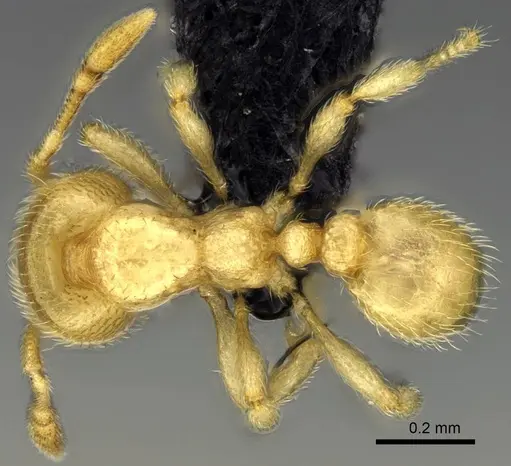
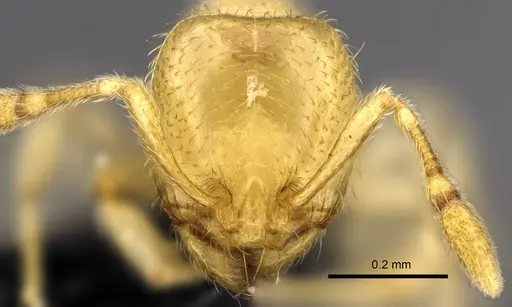
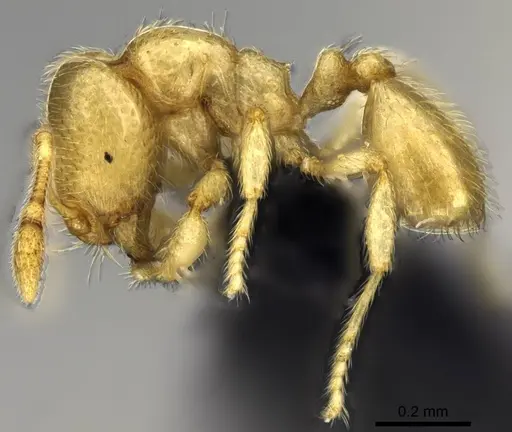
CASENT0037505
View on AntWeb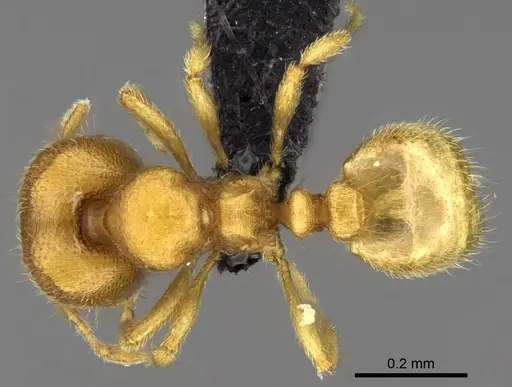
CASENT0300690
View on AntWeb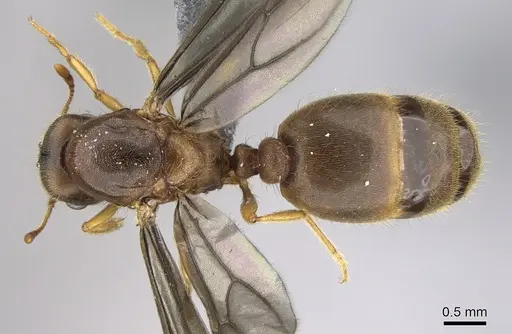
CASENT0494540
View on AntWeb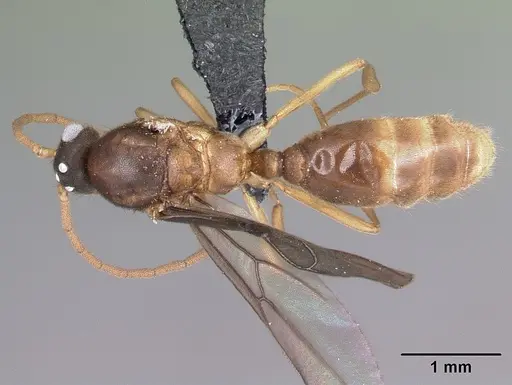
CASENT0494760
View on AntWeb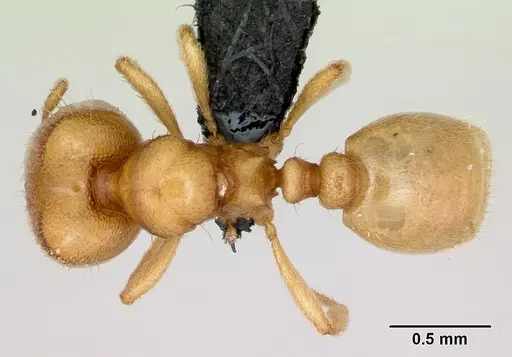
CASENT0495466
View on AntWeb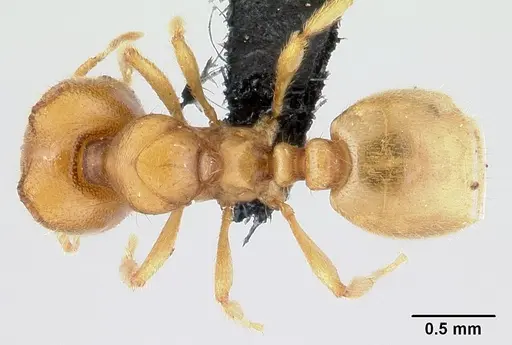
CASENT0495468
View on AntWeb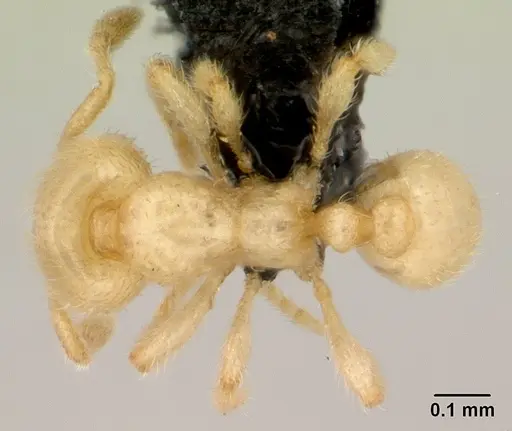
Literature
Loading...Loading products...