

Carebara intermedia
- Scientific Name
- Carebara intermedia
- Tribe
- Crematogastrini
- Subfamily
- Myrmicinae
- Author
- Fernández, 2004
- Distribution
- Found in 3 countries
Carebara intermedia Overview
Carebara intermedia is an ant species of the genus Carebara. It is primarily documented in 3 countries , including Guatemala, Honduras, Mexico. Detailed taxonomic data and occurrence records can be further explored via authoritative databases such as AntWeb or the Global Biodiversity Information Facility (GBIF).
Carebara intermedia
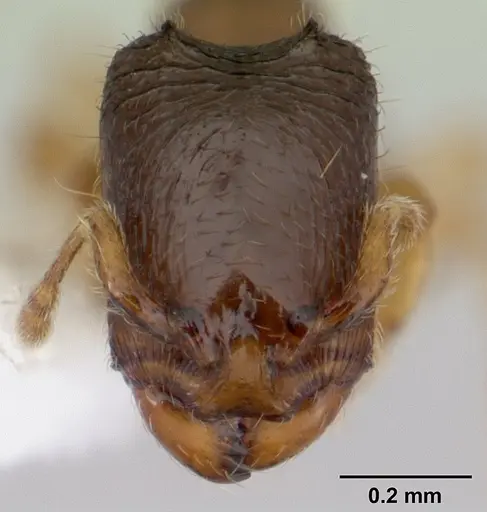
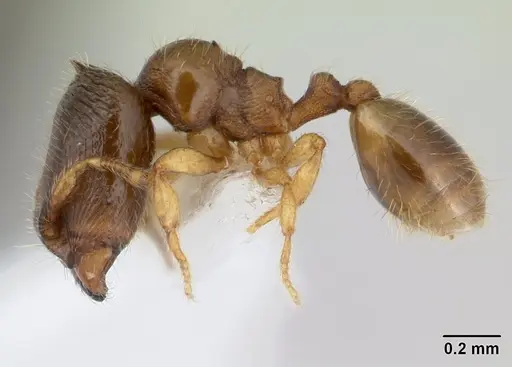
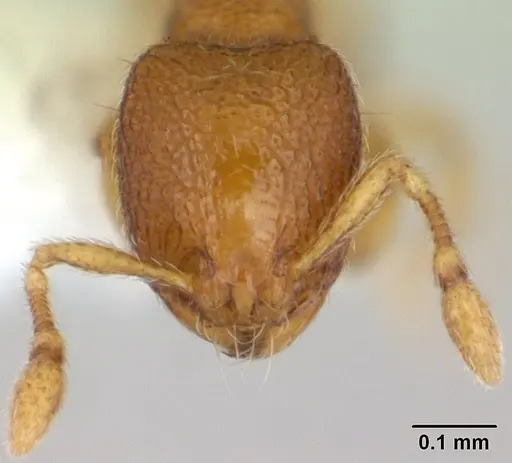
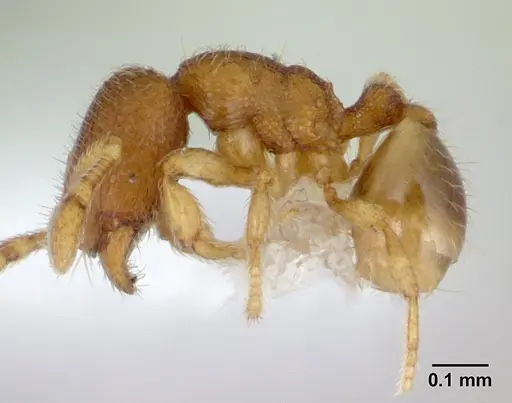
Carebara intermedia is a tiny myrmicine ant species described by Fernández in 2004,found across the Neotropical region including Belize, Guatemala, Honduras, and Mexico. Workers are exceptionally small at just over 1mm in total length, with a yellowish-brown body and reduced eyes consisting of only a single ommatidium. The head, thorax, and petiole have a densely reticulated texture, while the abdomen (gaster) is smooth and shiny. This species may represent an intermediate form between different Carebara species groups, which is reflected in its name 'intermedia'. The biology of this species remains completely unstudied in scientific literature. [1][2][3]
Quick Summary
- Difficulty: Unknown, biology unstudied
- Origin & Habitat: Neotropical region: Belize, Guatemala, Honduras, and Mexico. Found in Central American tropical forests. [3][1]
- Colony Type: Unconfirmed, colony structure has not been documented in scientific literature
- Size & Growth:
- Queen: Unknown, queen has not been described
- Worker: 1.02mm total length, HW 0.28mm, HL 0.33mm [1][2]
- Colony: Unknown, no colony size data exists
- Growth: Unknown
- Development: Unknown, development has not been studied (No data available for this species. Related Carebara species typically develop from egg to worker in 4-8 weeks at tropical temperatures, but this is an estimate only.)
- Antkeeping:
- Temperature: Likely 24-28°C based on Neotropical distribution, no direct data exists for this species. Start in this range and observe colony activity.
- Humidity: Likely requires high humidity (60-80%) typical of Neotropical forest floor species, no direct data exists. Keep substrate consistently moist.
- Diapause: Unknown, likely no true diapause given tropical distribution, but this has not been studied
- Nesting: No nesting data exists for this species. Based on genus typical behavior, they likely nest in soil, rotting wood, or under stones in humid forest floor microhabitats. Use a test tube setup initially, transitioning to a small acrylic or Y-tong nest scaled to their tiny size.
- Behavior: Behavior is completely unstudied. Based on genus patterns, they are likely cryptic, ground-nesting ants that forage slowly and may be subordinate to larger ant species. Their tiny size and reduced eyes suggest they avoid light and may be nocturnal or crepuscular. Escape prevention is critical due to their extremely small size, they can squeeze through gaps invisible to the human eye. [1][2]
- Common Issues: complete lack of biological data makes captive care highly speculative, tiny size creates extreme escape risk, standard test tube setups may not contain them, no information on founding behavior or colony development timeline, unknown diet, must be determined through experimentation, no data on temperature or humidity tolerances, risk of killing colony through incorrect conditions
Why This Species Is Challenging
Carebara intermedia represents one of the least-studied ant species in the hobby. The scientific literature explicitly states that nothing is known about its biology, this includes founding behavior, colony size, development timeline, diet preferences, temperature and humidity requirements, and even basic colony structure. This is not a species where you can follow a standard care guide. Every aspect of keeping this ant will require careful observation and experimentation. You are essentially pioneering the husbandry of a species that has never been documented in captivity. This makes it unsuitable for beginners and even experienced antkeepers should approach with extreme caution. [4]
Appearance and Identification
Workers are among the smallest ants you will ever keep, measuring just over 1mm in total length. Their body is yellowish-brown in color with a distinctive texture: the head, thorax (mesosoma), and petiole are densely reticulated (having a network-like sculptured surface), while the postpetiole and gaster (abdomen) are smooth and shiny. Their most unusual feature is the complete reduction of eyes to just a single ommatidium, essentially a tiny light-sensing dot. This extreme eye reduction suggests they live in dark microhabitats like underground chambers or within rotting wood. They also have highly developed propodeal lobes (flattened projections at the rear of the thorax) which are angulated in profile. [1][2]
Natural History
This species is known only from a handful of specimens collected in Belize and Guatemala, with additional records from Honduras and Mexico. The type locality is the Chiquibul Forest Reserve in Belize. Beyond these distribution records, absolutely nothing has been documented about their natural history. We do not know what they eat, how they form colonies, when they have nuptial flights, what their nest looks like, or how they interact with other species. The Neotropical distribution suggests they are adapted to warm, humid tropical conditions typical of Central American lowland forests. Their tiny size and reduced eyes strongly suggest they are cryptic, ground-dwelling ants that avoid direct light. [1][3]
Housing and Setup Recommendations
Given their tiny size, standard ant housing will require significant modification. Test tube setups must have absolutely no gaps, even the smallest crack will allow escape. Consider using cotton plugs that are packed tightly, and monitor daily for the first week. A small acrylic nest or Y-tong setup with chambers scaled to their minute size would be ideal once the colony is established. The nest material should retain moisture well, plaster or acrylic work well for species requiring high humidity. Provide an outworld that is also escape-proof, as workers are tiny enough to squeeze through standard mesh. For nesting medium, keep it consistently moist but not waterlogged, think damp forest floor. Since we have no direct data, err on the side of higher humidity (70-80%) and warmer temperatures (26-28°C) initially, then adjust based on colony behavior. [4]
Feeding and Diet
Diet is completely unknown for this species. Based on typical Carebara behavior and their tiny size, they likely are omnivorous scavengers or predators on micro-arthropods. Start with offering sugar water (honey or sucrose solution) in a tiny container that cannot be tipped over, along with small protein sources like fruit flies, pinhead crickets, or other tiny insects. Given their minute size, standard ant feeders will be too large, you may need to create tiny feeding stations. Observe carefully over several days to see what they accept. Remove uneaten food promptly to prevent mold. Do not be discouraged if they ignore food initially, they may be nocturnal or have very specific dietary requirements that we do not yet understand. [4]
Growth and Development Expectations
No development data exists for this species. The egg-to-worker timeline is completely unknown. Based on related Carebara species in tropical environments, you might expect development to take 4-8 weeks under warm conditions (around 26-28°C), but this is a pure estimate with no direct evidence. The first workers (nanitics) will likely be even smaller than typical workers given the species' minute size. Growth will likely be slow given the lack of any documented care information, do not expect rapid colony expansion. Document your observations thoroughly as they could contribute valuable information to the antkeeping community. [4]
Frequently Asked Questions
How do I care for Carebara intermedia ants?
This species has no documented care requirements in scientific literature. The biology is completely unstudied. You will need to experiment with temperature, humidity, and diet while observing colony behavior. Start with warm (26-28°C), humid (70-80%) conditions typical of Neotropical species and adjust based on colony health.
What do Carebara intermedia ants eat?
Diet is completely unknown. Based on genus patterns, try offering sugar sources (honey water) and tiny protein sources (fruit flies, pinhead crickets, micro-arthropods). They may be predators or scavengers. Document what they accept.
How long does it take for Carebara intermedia to develop from egg to worker?
This has never been studied. Based on related tropical Carebara species, estimate 4-8 weeks at optimal temperature, but this is purely speculative. Do not expect rapid growth.
What size colony does Carebara intermedia reach?
Unknown, no colony size data exists. The largest known Carebara colonies can reach thousands of workers, but this species has never been documented in the wild with colony size recorded.
Do Carebara intermedia ants sting?
Unknown, their tiny size (1mm) likely makes them unable to penetrate human skin, but this has not been studied. Most Myrmicinae have stingers, but effectiveness depends on size.
Is Carebara intermedia a good species for beginners?
No. This species has no documented care information and requires experimental husbandry. It is completely unsuitable for beginners and even experienced keepers should approach with caution.
What temperature should I keep Carebara intermedia at?
No data exists. Based on Neotropical distribution, start around 26-28°C and observe colony behavior. If they become sluggish, warm slightly, if they avoid the heated area, reduce temperature.
Do Carebara intermedia ants need hibernation?
Unknown, highly unlikely given their tropical distribution. No diapause has been documented, but this has not been studied either.
How do I prevent Carebara intermedia from escaping?
Extreme escape prevention is critical. Their tiny size (1mm) allows them to squeeze through gaps invisible to the human eye. Use tightly packed cotton in test tubes, fine mesh barriers, and check for gaps daily. Standard ant setups will not contain them.
Can I keep multiple Carebara intermedia queens together?
Unknown, colony structure has never been documented. Do not attempt combining unrelated queens without documented evidence that this is safe.
References

This caresheet is licensed under CC BY-SA 4.0 .
CASENT0603534
View on AntWeb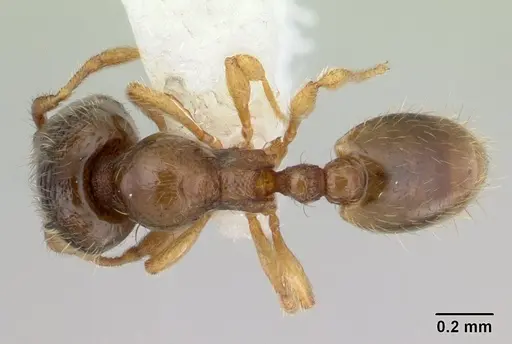
CASENT0603535
View on AntWeb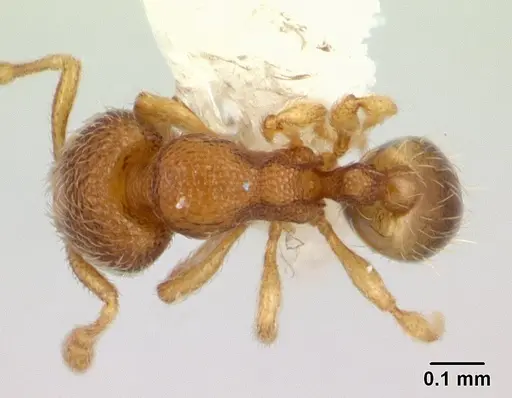
Literature
Loading...Loading products...