

Carebara dota
- Scientific Name
- Carebara dota
- Tribe
- Crematogastrini
- Subfamily
- Myrmicinae
- Author
- Azorsa & Fisher, 2018
- Distribution
- Found in 1 countries
Carebara dota Overview
Carebara dota is an ant species of the genus Carebara. It is primarily documented in 1 countries , including Madagascar. Detailed taxonomic data and occurrence records can be further explored via authoritative databases such as AntWeb or the Global Biodiversity Information Facility (GBIF).
Carebara dota
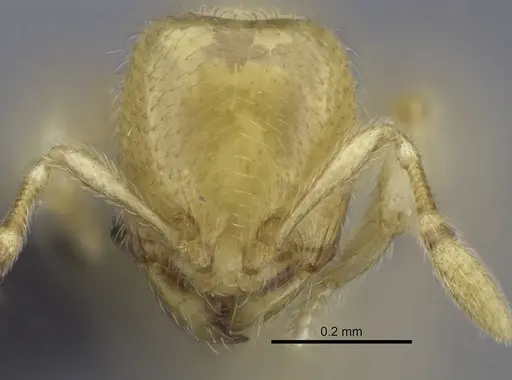
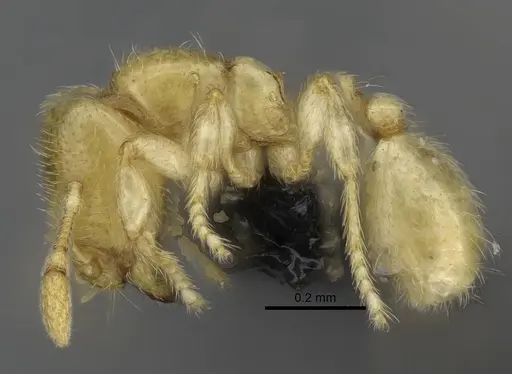
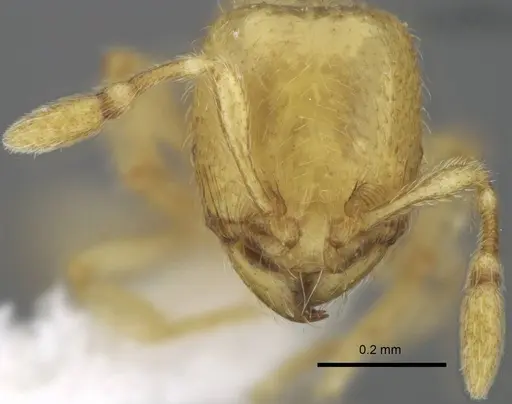
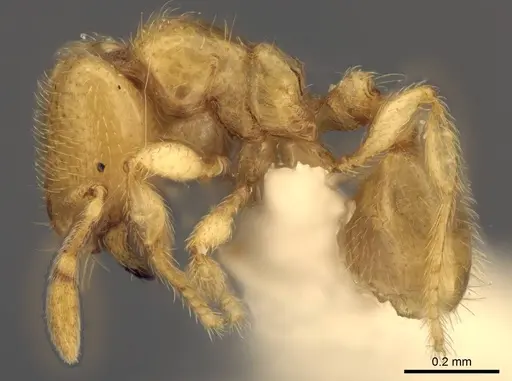
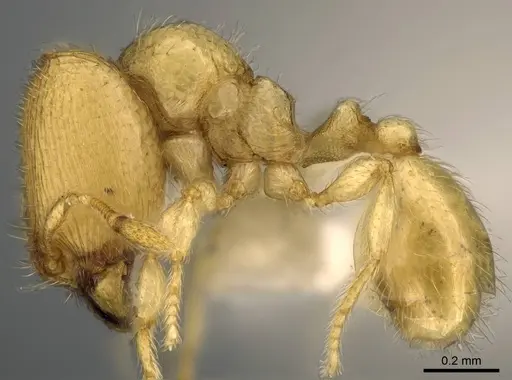
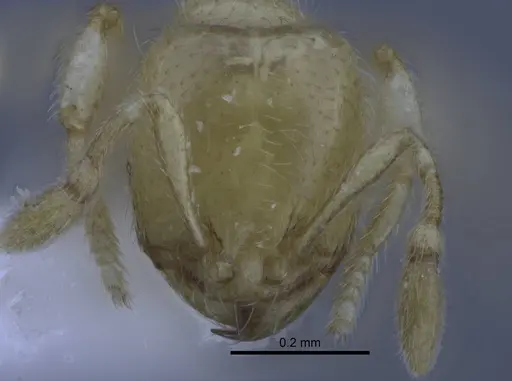
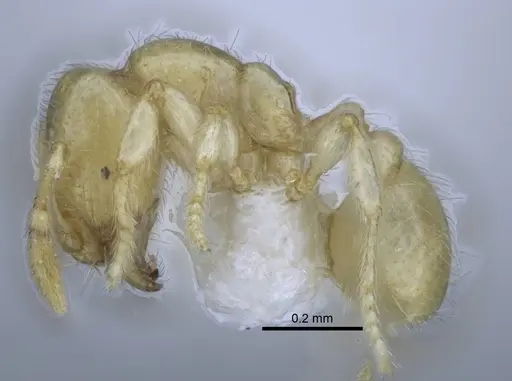
Carebara dota is a tiny yellow ant species endemic to Madagascar. Major workers measure just 0.61-0.71mm while minor workers are even smaller at 0.38-0.41mm, making them one of the smaller ant species you can keep. They have 10-segmented antennae and distinctive longitudinal rugae on their head. This species was only described in 2018,so there's very little information about their captive care. In the wild, they live in leaf mold and rotten wood across various Madagascar habitats ranging from littoral rainforest to grassland at elevations of 10-1670m [1]. The biggest challenge with this species is that being newly described, there's almost no documented captive breeding success to draw from, you'll be pioneering their care.
Quick Summary
- Difficulty: Expert
- Origin & Habitat: Endemic to southwestern and north-central Madagascar. Found in gallery forest, grassland, littoral rainforest, montane rainforest, and rainforest habitats at elevations 10-1670m. Nests in leaf mold and rotten wood [1][2].
- Colony Type: Colony structure is unconfirmed. No data on whether they are single-queen (monogyne) or multi-queen (polygyne).
- Size & Growth:
- Queen: Not yet documented, queen caste has not been described [1].
- Worker: Major workers: 0.61-0.71mm, minor workers: 0.38-0.41mm [1].
- Colony: Unknown, no colony size data available.
- Growth: Unknown, no development studies exist for this species.
- Development: Unconfirmed, no direct observations. Based on typical Carebara patterns, expect 4-8 weeks at tropical temperatures, but this is purely estimated. (This is a newly described species with zero captive breeding documentation. Your observations will contribute to what we know.)
- Antkeeping:
- Temperature: Keep at 24-28°C. This is a tropical rainforest species from Madagascar, so they need warm, stable conditions. A heating cable on one side of the nest creates a suitable gradient.
- Humidity: High humidity is essential, they naturally live in leaf mold and rotten wood in rainforest environments. Keep the nest substrate consistently moist but not waterlogged. Provide a water reservoir and mist occasionally.
- Diapause: No, as a tropical species from Madagascar, they do not require hibernation. Keep them warm year-round.
- Nesting: In captivity, they do well in setups that mimic their natural rotten wood habitat. Y-tong (AAC) nests or plaster nests with high humidity work well. Because they are tiny, ensure chambers are appropriately scaled. Test tube setups can work for founding colonies if the cotton is kept moist.
- Behavior: These ants are very small and likely nocturnal or crepuscular. They are probably predatory like other Carebara species, hunting tiny arthropods in the leaf litter layer. Major workers have slightly larger heads with distinctive head sculpturing, but both castes are tiny. Escape prevention is critical, they can squeeze through the smallest gaps. Expect slow colony growth given their tiny size.
- Common Issues: no captive breeding documentation exists, you are pioneering their care, tiny size makes escape prevention challenging, use fine mesh barriers, humidity must be high and consistent, dry conditions will kill colonies, slow growth expected, don't overfeed or overhandle the colony, wild-caught colonies may have parasites that are difficult to treat
Nest Preferences
Carebara dota naturally nests in leaf mold and rotten wood in Madagascar's rainforest habitats. In captivity, replicate these conditions using a Y-tong (AAC) nest or a plaster nest that holds moisture well. The key is providing consistently humid conditions without flooding. Because these ants are tiny, ensure the nest chambers are appropriately scaled, too-large chambers can stress them. A test tube setup can work for founding colonies if you keep the water reservoir filled and the cotton moist. Place the nest in a dark location or cover it, as they likely prefer dim conditions like their forest floor habitat. [1][2]
Feeding and Diet
Carebara species are typically predatory, hunting tiny arthropods in the leaf litter. In captivity, offer small live prey like springtails, fruit flies, and other micro-arthropods. Because the workers are only 0.4-0.7mm, prey must be appropriately sized, anything larger than their head is likely ignored. You might also experiment with diluted honey or sugar water, though acceptance is uncertain. Feed small amounts every few days and remove uneaten prey to prevent mold. Given how little we know about this species, document what foods they accept, your observations will help future keepers.
Temperature and Care
As a tropical rainforest species from Madagascar, Carebara dota needs warm and humid conditions. Maintain temperatures between 24-28°C year-round, no hibernation or cooling period is needed. A small heating cable placed on one side of the nest creates a temperature gradient they can choose from. Keep humidity high by providing a water reservoir and occasionally misting the outworld. Avoid temperature swings and dry air, which quickly stress these tiny ants. Room temperature alone may be too cool, especially in air-conditioned spaces. [1]
Behavior and Temperament
This is a newly described species with no documented behavioral observations in captivity. Based on related Carebara species, they are likely nocturnal or crepuscular, foraging slowly through the leaf litter layer. Major workers have slightly larger heads but both castes are tiny. Expect slow, deliberate movement and careful foraging. They are probably not aggressive and unlikely to sting, their tiny size makes them harmless to humans. The main behavioral trait to watch for is escape attempts: their small size means they can squeeze through gaps you'd think were impossible. Use fine mesh on all openings. [1]
Frequently Asked Questions
How long does it take for Carebara dota to produce first workers?
Unknown, no captive breeding documentation exists for this species. Based on typical Carebara development at tropical temperatures, you might expect 4-8 weeks from egg to worker, but this is purely estimated. Your colony may be the first to document this.
Can I keep Carebara dota in a test tube?
Yes, test tubes can work for founding colonies. Keep the water reservoir filled and the cotton moist to maintain high humidity. Cover the tube to provide dark conditions. However, be prepared to move them to a more permanent nest once the colony grows.
What do Carebara dota ants eat?
Based on typical Carebara behavior, they are predatory on tiny arthropods. Feed small live prey like springtails, fruit flies, and micro-arthropods. You might also try diluted sugar water, though acceptance is uncertain. Remove uneaten prey to prevent mold.
Are Carebara dota good for beginners?
No, this is an expert-level species. Being newly described in 2018,there is zero captive breeding documentation. You will be pioneering their care, which requires experience with tropical, high-humidity species and the ability to adapt when problems arise.
Do Carebara dota need hibernation?
No, they are a tropical species from Madagascar and do not require hibernation. Keep them warm year-round at 24-28°C.
What temperature do Carebara dota need?
Keep them at 24-28°C. This is a tropical rainforest species that needs warm, stable conditions. A heating cable on one side of the nest creates a suitable gradient.
Why are my Carebara dota dying?
Common causes include: low humidity (they need consistently moist conditions), temperatures that are too cool (below 24°C), dry air, and escape-related losses. Also ensure you're not offering prey that is too large, these ants are only 0.4-0.7mm.
How big do Carebara dota colonies get?
Unknown, no wild colony size data exists for this species. Related Carebara species typically form colonies of several hundred to a few thousand workers.
Do Carebara dota ants sting?
Their tiny size (under 1mm) makes them harmless to humans. Even if they have a stinger, it cannot penetrate human skin.
Can I keep multiple queens together?
Unknown, the colony structure (single-queen vs multi-queen) has not been documented for this species. Do not attempt combining unrelated queens until more is known.
References

This caresheet is licensed under CC BY-SA 4.0 .
CASENT0004055
View on AntWeb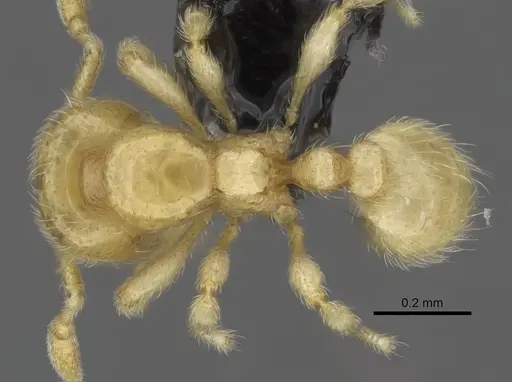
CASENT0192570
View on AntWeb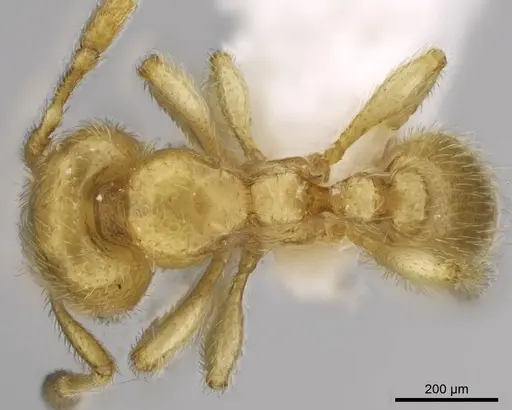
CASENT0192623
View on AntWeb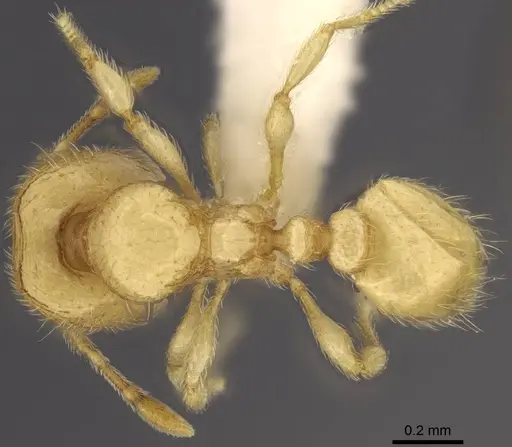
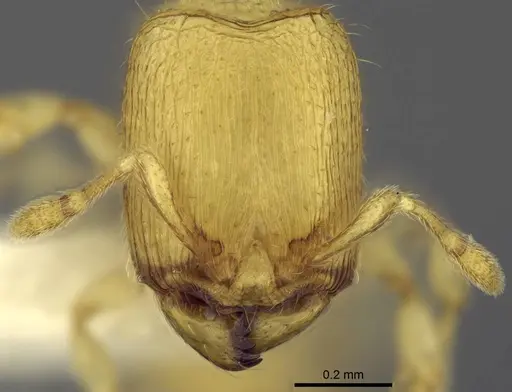
CASENT0227023
View on AntWeb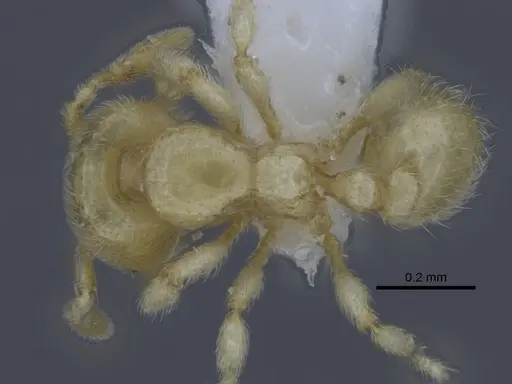
Literature
Loading...Loading products...