

Carebara distincta
- Scientific Name
- Carebara distincta
- Tribe
- Crematogastrini
- Subfamily
- Myrmicinae
- Author
- Bolton & Belshaw, 1993
- Distribution
- Found in 1 countries
Carebara distincta Overview
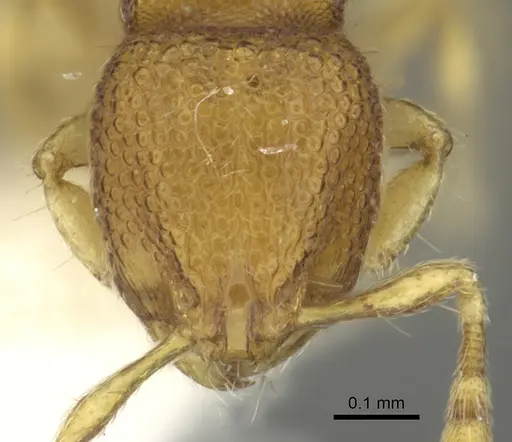
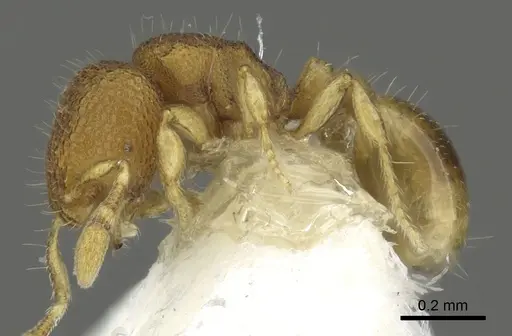
Carebara distincta is an ant species of the genus Carebara. It is primarily documented in 1 countries , including Ghana. Detailed taxonomic data and occurrence records can be further explored via authoritative databases such as AntWeb or the Global Biodiversity Information Facility (GBIF).
Carebara distincta
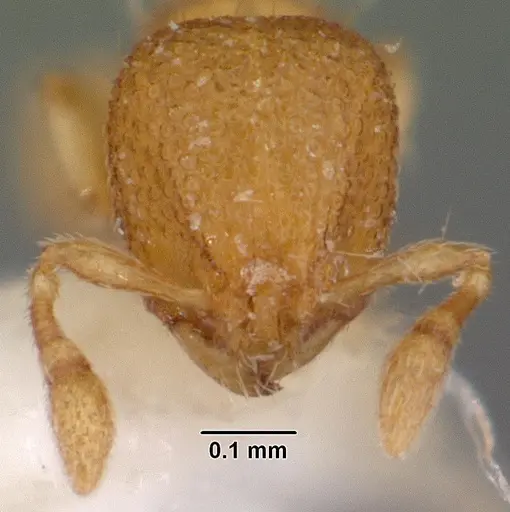
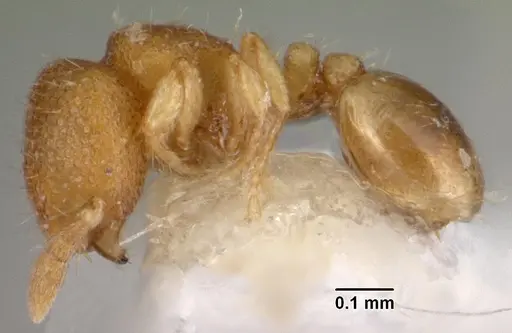
Carebara distincta is a tiny myrmicine ant species native to West and Central Africa. Workers are small and typically golden-brown to dark brown, adapted to life in leaf litter and forest floor environments. The species was originally described as Carebara distincta in 1993 before being moved to the genus Carebara in 2004 [1].
This species is a generalist forager found in secondary forests and savanna environments. It shows strong preference for unburned areas, with occurrence dropping dramatically after fire events [2]. Studies in urban areas of Ivory Coast indicate this species can persist in green spaces within cities, though it is not considered invasive [3]. The genus Carebara contains many small, litter-dwelling ants that are often overlooked but play important roles in forest ecosystems.
Quick Summary
- Difficulty: Unknown, limited keeper data available
- Origin & Habitat: West Africa (Ghana, Ivory Coast, Nigeria, Kenya) and Central Africa (Democratic Republic of Congo). Found in secondary forest leaf litter and Guinean savanna environments [1][2].
- Colony Type: Colony structure is unconfirmed. Based on typical Carebara patterns, likely single-queen colonies with small worker populations.
- Size & Growth:
- Queen: Unknown, not documented in available literature
- Worker: Unknown, worker caste exists but specific measurements not provided in type descriptions [1]
- Colony: Likely small colonies based on genus patterns, estimated under 500 workers
- Growth: Unknown
- Development: Unconfirmed, no development data available for this species (Based on related tiny Myrmicinae, development likely takes 4-8 weeks at warm temperatures)
- Antkeeping:
- Temperature: Unconfirmed, assume room temperature (20-26°C) based on West African range. Provide a gentle heat gradient if colony shows stress.
- Humidity: Likely prefers moderate to high humidity typical of forest floor species. Keep nest substrate consistently moist but not waterlogged.
- Diapause: Unknown, West African species may not require true hibernation but may show reduced activity in cooler months.
- Nesting: In nature they nest in leaf litter and soil. In captivity, a test tube setup or small acrylic nest with moist substrate works well. Provide tight chambers scaled to their tiny size.
- Behavior: This is a generalist forager species that likely searches for small prey and honeydew. Workers are tiny and may be overlooked by keepers. Escape prevention should be excellent due to their small size. Temperament is likely docile, these are not aggressive ants. Based on fire sensitivity data, they prefer stable, undisturbed environments [2].
- Common Issues: small size makes them easy to overlook and difficult to monitor, limited information makes proper care challenging, wild-caught colonies may struggle to adapt to captive conditions, escape prevention is critical due to tiny worker size, slow colony growth may lead to keeper impatience
Natural History and Distribution
Carebara distincta is found across West and Central Africa, with confirmed records in Ghana, Ivory Coast, Nigeria, Kenya, and the Democratic Republic of Congo [1]. The type specimen was collected from secondary forest in Ghana's Eastern Region, specifically in leaf litter at the Cocoa Research Institute of Ghana [1].
This species shows a strong preference for unburned savanna environments. Studies in Ivory Coast's Lamto Scientific Reserve found 49 occurrences before fire events but only 2 occurrences after burning [2]. This sensitivity to fire suggests they require stable, undisturbed habitats with accumulated leaf litter.
Urban studies in Abidjan, Ivory Coast, found this species persisting in green spaces within the city, with 41 total occurrences recorded, most commonly in urban parks and green areas [3]. This indicates some tolerance for human-modified environments, though they are not considered invasive.
Housing and Nest Setup
Given their tiny size and natural habitat in leaf litter, these ants require careful setup. A test tube setup with a water reservoir works well for founding colonies. The tube should be kept horizontal or slightly tilted so workers can access water without flooding.
For established colonies, a small acrylic nest or Y-tong style formicarium with narrow chambers scaled to their tiny size is appropriate. The nest material should retain moisture, plaster nests or soil-filled setups work well. Avoid large, open spaces that would overwhelm such small ants.
Because of their minute size, escape prevention must be excellent. Use fine mesh on any ventilation holes, and apply fluon or barrier gel to all edges. Even tiny gaps that would not concern keepers of larger ants can allow these to escape.
Feeding and Diet
As generalist foragers, Carebara distincta likely accepts a variety of foods. Based on typical Carebara and litter-dwelling ant behavior, they probably scavenge for small insects, scavenge dead arthropods, and collect honeydew from aphids or scale insects.
In captivity, offer small prey items like fruit flies, pinhead crickets, or tiny mealworms. They will likely accept sugar water or honey diluted with water. Due to their small size, food items should be appropriately sized, even a single fruit fly is a substantial meal for these tiny workers.
Feed small amounts every few days, removing any uneaten prey after 24 hours to prevent mold. A constant sugar source (honey water or sugar water on a cotton ball) should be available.
Temperature and Humidity
This species comes from tropical West African environments, so warmth and humidity are important. Aim for temperatures in the low-to-mid 20s Celsius (around 22-26°C). A heating cable on one side of the nest can create a temperature gradient, allowing ants to self-regulate.
Humidity should be moderate to high, think damp forest floor. Keep the nest substrate consistently moist but not waterlogged. A water tube attached to the nest provides a humidity source through evaporation. Mist the outworld occasionally, but avoid creating standing water.
Monitor colony behavior, if workers seem sluggish or cluster tightly, try slightly increasing temperature. If they avoid the heated area, reduce heat. Each colony may have slightly different preferences.
Colony Development and Growth
Specific development data for Carebara distincta is not available. Based on related tiny Myrmicinae species, expect development from egg to first worker to take approximately 4-8 weeks at optimal temperatures. The first workers (nanitics) will likely be smaller than mature workers.
Colony growth is likely slow initially, founding colonies may take several months to produce their first dozen workers. Patience is essential. Once established, growth may accelerate, but colonies probably remain small compared to many common pet ant species.
Do not disturb founding queens unnecessarily. Ensure they have adequate humidity and are in a dark, quiet location. Queens seal themselves in during claustral founding (typical for Myrmicinae) and should not be exposed to light or vibration.
Frequently Asked Questions
How long does it take for Carebara distincta to produce first workers?
Exact timing is unconfirmed for this species. Based on related tiny Myrmicinae, expect 4-8 weeks from egg to first worker at optimal temperatures (around 24-26°C). Growth is likely slow, so patience is essential.
What do Carebara distincta ants eat?
They are generalist foragers. Offer small live prey (fruit flies, tiny crickets), and sugar sources (honey water, sugar water). Food should be appropriately sized for their tiny workers.
Are Carebara distincta good for beginners?
This species is not well-documented in the antkeeping hobby, and there is limited information on captive care. It may be challenging for beginners due to the lack of established care protocols and their tiny size. Consider starting with more documented species like Lasius or Tetramorium.
Do Carebara distincta ants sting?
As Myrmicinae, they have a stinger but due to their tiny size, they are unlikely to penetrate human skin or cause noticeable pain. They are not considered aggressive.
How big do Carebara distincta colonies get?
Colony size is unconfirmed but likely remains small, probably under 500 workers based on typical Carebara genus patterns. They are not among the large colony-forming ants.
What temperature should I keep Carebara distincta at?
Aim for 22-26°C based on their West African origin. A gentle gradient allowing self-regulation is ideal. Room temperature in most homes should be suitable, with optional supplemental heating.
Do Carebara distincta need hibernation?
Diapause requirements are unconfirmed. As a West African species, they likely do not require true hibernation but may show reduced activity during cooler periods. Do not force hibernation without evidence this species needs it.
Can I keep multiple queens together?
Colony structure is unconfirmed for this species. Without documented evidence of pleometrosis (multiple queen founding), keeping multiple unrelated queens together is not recommended.
Why are my Carebara distincta dying?
Potential issues include: improper humidity (too dry or too wet), temperature stress, escape and loss of workers, mold from overfeeding, or stress from disturbance. Ensure proper setup and minimal interference, especially for founding colonies.
When should I move Carebara distincta to a formicarium?
Wait until the colony has at least 20-30 workers and the test tube setup shows signs of stress (condensation issues, mold, or space limitations). Moving too early can stress the colony.
References

This caresheet is licensed under CC BY-SA 4.0 .
CASENT0010802
View on AntWeb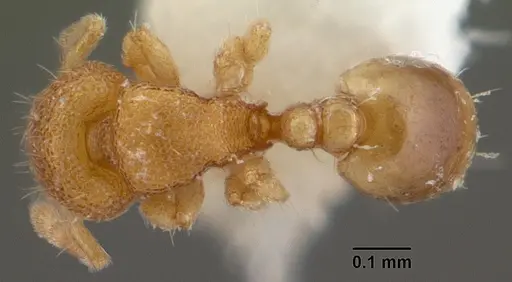
CASENT0902367
View on AntWeb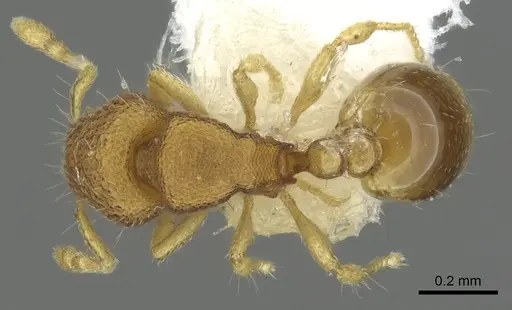
Literature
Loading...Loading products...