

Carebara dentata
- Scientific Name
- Carebara dentata
- Tribe
- Crematogastrini
- Subfamily
- Myrmicinae
- Author
- Bharti & Kumar, 2013
- Distribution
- Found in 1 countries
Carebara dentata Overview
Carebara dentata is an ant species of the genus Carebara. It is primarily documented in 1 countries , including India. Detailed taxonomic data and occurrence records can be further explored via authoritative databases such as AntWeb or the Global Biodiversity Information Facility (GBIF).
Carebara dentata
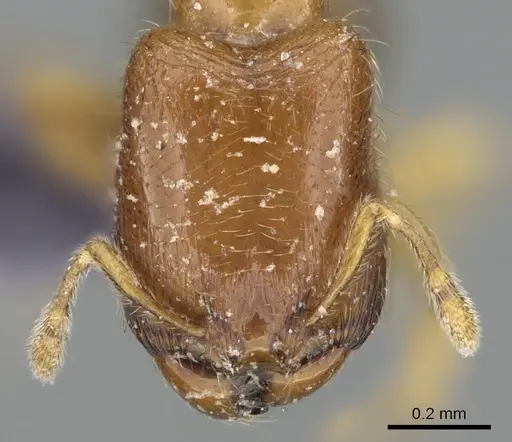
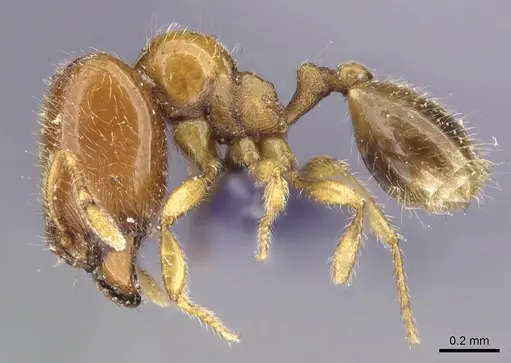
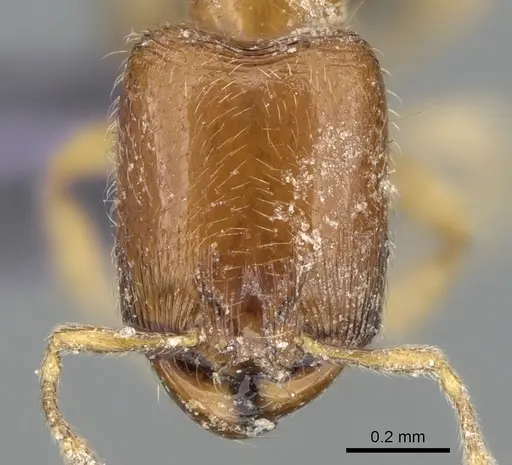
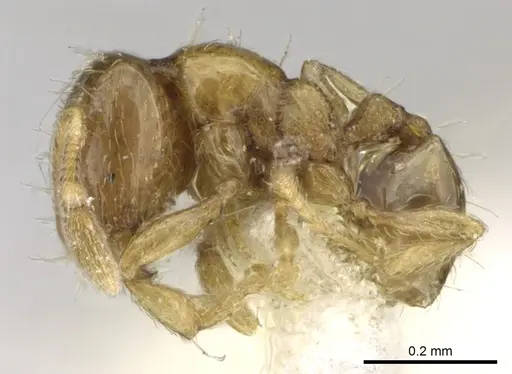
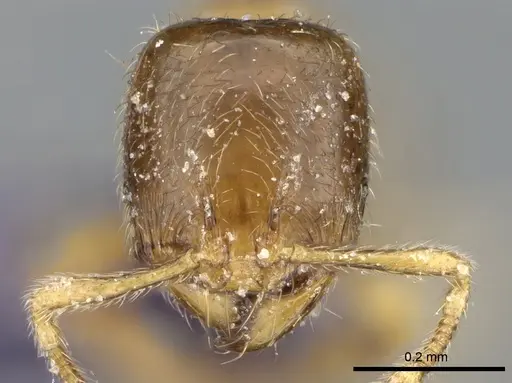
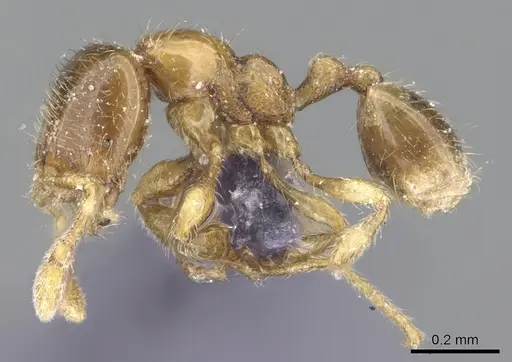
Carebara dentata is a tiny dimorphic ant species endemic to the northwestern Himalayan region of India, found in Himachal Pradesh, Jammu & Kashmir, Punjab, and Uttarakhand [1]. The species was only described in 2013,making it one of the more recently discovered ant species available to keepers. These ants are dimorphic, meaning they have two worker sizes: major workers reach about 2.4mm while minors are much smaller at around 1.1-1.4mm [2]. The major workers have a distinctive massive head with minute horns on the posterolateral corners and a prominently concave clypeus, giving them a somewhat unusual appearance among small ants. They have 9-segmented antennae and their body is smooth and shiny [2][3].
What makes this species interesting is its extreme rarity in the hobby and its Himalayan origin, these ants come from elevations between 350-940m in the Shivalik range, suggesting they prefer cooler conditions than many tropical ants. Being a recently described species, there's limited information available about their exact care requirements in captivity, which makes keeping them a more advanced challenge.
Quick Summary
- Difficulty: Hard
- Origin & Habitat: Endemic to the northwestern Himalayan region of India, specifically the Shivalik range. Found in Himachal Pradesh, Jammu & Kashmir, Punjab, and Uttarakhand at elevations between 350-940m [1][4]. In the wild, they nest in soil, with specimens collected through soil cores and winkler sampling (a soil extraction method) [2].
- Colony Type: Colony structure is unconfirmed. Only the worker caste has been described, no queen or male specimens have been documented in scientific literature [2]. Based on typical Carebara patterns, likely single-queen colonies, but this is not verified.
- Size & Growth:
- Queen: Unknown, queen has not been described in scientific literature [2]
- Worker: Major workers: 2.35-2.56mm, Minor workers: 1.06-1.44mm [2]
- Colony: Unknown, no colony size data available. Based on similar tiny Myrmicinae, likely modest colonies of perhaps 100-500 workers
- Growth: Unknown, no development data exists for this species
- Development: Unknown, no direct measurements. Based on similar small Myrmicinae from temperate regions, estimated 6-10 weeks at optimal temperature (No published data on development. Temperature-dependent inference from related species suggests moderate development time typical of Himalayan ant species.)
- Antkeeping:
- Temperature: Keep cool, aim for 18-22°C. Their Himalayan origin at 350-940m elevation suggests they prefer cooler conditions than tropical ants. Room temperature in most homes should work well, but monitor colony activity
- Humidity: Moderate humidity around 50-70%. In the wild they were found in soil cores, suggesting they prefer somewhat moist substrate. Keep the nest substrate damp but not waterlogged, with some drier areas available
- Diapause: Likely yes, Himalayan species typically require a winter rest period. Reduce temperature to around 10-15°C for 2-3 months during winter months
- Nesting: Soil-dwelling species. In captivity, a plaster nest or test tube setup with moist soil substrate works well. They are tiny, so chambers should be appropriately scaled. Avoid very large, open spaces, they prefer tight, enclosed areas
- Behavior: Behavior is not well documented. Based on their small size and soil-dwelling habits, they are likely secretive and not particularly aggressive. They probably forage in and around their nest rather than maintaining large visible trails. Escape prevention is critical due to their very small size, minor workers at just over 1mm can easily escape through tiny gaps. Use fine mesh and tight-fitting barriers
- Common Issues: very small size means escapes are likely without fine mesh barriers, limited scientific data makes care requirements uncertain, be prepared to experiment, recently described species with no established husbandry protocols, Himalayan origin means they likely need cooler temperatures than typical tropical ants, no queen data available, founding behavior is completely unknown
Housing and Nest Setup
Carebara dentata is a tiny soil-dwelling ant that requires appropriately scaled housing. Given their major workers at only 2.4mm and minors at just over 1mm, standard test tube setups work well, but ensure the cotton is packed tightly to prevent escapes. For a growing colony, a small plaster nest or acrylic nest with narrow chambers works better than large, open spaces. The nest should have a water reservoir to maintain humidity without flooding. Because they're from the Himalayan region and were found in soil cores at elevations up to 940m, they prefer cooler temperatures than many common tropical ants, room temperature (18-22°C) is ideal. The substrate should remain consistently moist but never waterlogged. A small outworld area allows for feeding, but keep it simple as these ants are not large foragers. [2][1]
Feeding and Diet
The exact diet of Carebara dentata in the wild has not been studied, but being a tiny Myrmicinae, they likely forage for small prey and honeydew. In captivity, offer small protein sources like fruit flies, pinhead crickets, or small mealworms, appropriately sized to their tiny workers. Sugar water or honey can be offered occasionally, though acceptance may vary. Given their small size, prey items should be very small. Feed small amounts of protein 2-3 times per week, and keep a constant sugar water source. Remove uneaten food promptly to prevent mold. Start with small offerings and observe what the colony takes, you may need to experiment with different prey sizes.
Temperature and Seasonal Care
As a Himalayan species from elevations of 350-940m, Carebara dentata prefers cooler conditions than typical tropical ants. Keep the nest area at 18-22°C, this is cooler than many ant species but matches their mountain origin. During winter (roughly November-February in the Northern Hemisphere), they likely need a diapause period. Reduce temperatures to around 10-15°C and reduce feeding. Do not feed during the coldest period. After winter, gradually warm them back up and resume normal feeding. If your room temperature stays in this range year-round, they may not need explicit diapause, but watch for signs of stress during warmer months. They seem to prefer stable, moderate temperatures rather than heat. [1][4]
Handling and Colony Maintenance
Due to their extremely small size, Carebara dentata requires excellent escape prevention. Even minor workers at just over 1mm can squeeze through surprisingly small gaps. Use fine mesh on any ventilation, ensure all connections are tight, and consider using fluon or other barriers on smooth surfaces. When observing or moving the colony, work slowly and carefully, they're fragile and can easily be crushed. Transferring colonies should only be done when necessary, and always connect new housing directly to the old setup rather than forcing a move. These ants are secretive by nature, so don't be alarmed if you don't see them frequently, they're simply avoiding light and disturbance. [2]
Acquiring This Species
Carebara dentata was only described in 2013,making it one of the more recently discovered ant species available to hobbyists. It's endemic to India and rarely exported, so finding a colony may be difficult. If available, expect to pay a premium for wild-caught colonies since captive breeding is uncommon. When acquiring a colony, inspect for health, active workers, brood if present, and no signs of mites or disease. Quarantine new colonies separately for a few weeks before introducing them to any existing ant setups. Due to the limited information available about their care, be prepared to document your observations and adjust husbandry as you learn what works for this species. [2]
Frequently Asked Questions
How long does it take for Carebara dentata to go from egg to worker?
The exact development time is unknown, no scientific data exists for this species. Based on similar small Myrmicinae from temperate regions, estimate 6-10 weeks at optimal temperature. Be patient, as small ant species often develop slower than larger ones.
What temperature do Carebara dentata ants need?
Keep them cooler than tropical ants, aim for 18-22°C. Their Himalayan origin at 350-940m elevation indicates they prefer cooler conditions. Room temperature is usually ideal, avoid additional heating unless your home is very cold.
Do Carebara dentata ants sting?
Given their extremely small size (major workers only 2.4mm, minors just over 1mm), any sting would be negligible even if present. They are not considered dangerous to humans.
How big do Carebara dentata colonies get?
Colony size is unknown, no data exists for this species. Based on similar tiny Myrmicinae, colonies likely reach a few hundred workers at most. They are not large colony formers.
Can I keep multiple Carebara dentata queens together?
Unknown, the queen has not been described in scientific literature, so colony structure is unconfirmed. Do not attempt combining unrelated queens until more is known about their social structure.
Are Carebara dentata good for beginners?
No, this is an advanced species. They were only described in 2013,there's virtually no established husbandry information, and their tiny size makes them challenging to house and maintain. They're best suited for experienced antkeepers who enjoy experimenting.
What do Carebara dentata eat?
Likely small prey and honeydew, like other tiny Myrmicinae. Offer small live prey (fruit flies, pinhead crickets appropriately sized) and sugar water or honey. Start with tiny prey items and adjust based on what the colony accepts.
Do Carebara dentata need hibernation?
Likely yes, as a Himalayan species from elevations up to 940m, they probably need a winter rest period. Reduce temperature to 10-15°C for 2-3 months during winter and reduce feeding. Monitor colony behavior to determine the best timing for your location.
Why are my Carebara dentata dying?
Common causes include: temperature too warm (keep under 22°C), escape through tiny gaps (use fine mesh), improper humidity (keep substrate moist but not wet), or stress from overhandling. Their care requirements are not well understood, so careful observation and adjustment is needed.
When should I move Carebara dentata to a formicarium?
Wait until the colony has at least 20-30 workers and is actively foraging. For this tiny species, a test tube setup can work long-term, only move to a larger nest when the colony clearly outgrows it. They prefer tight, enclosed spaces rather than large open areas.
References

This caresheet is licensed under CC BY-SA 4.0 .
CASENT0906090
View on AntWeb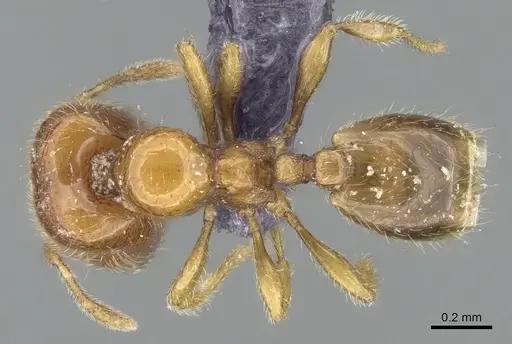
CASENT0906091
View on AntWeb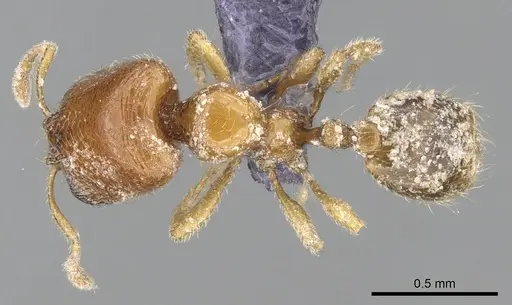
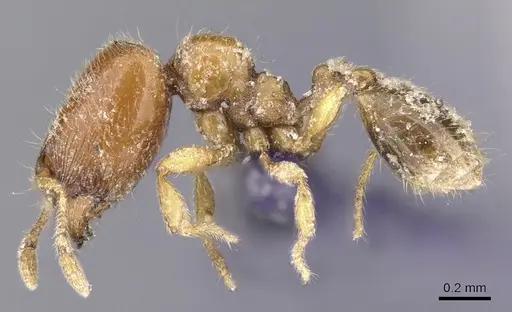
CASENT0906092
View on AntWeb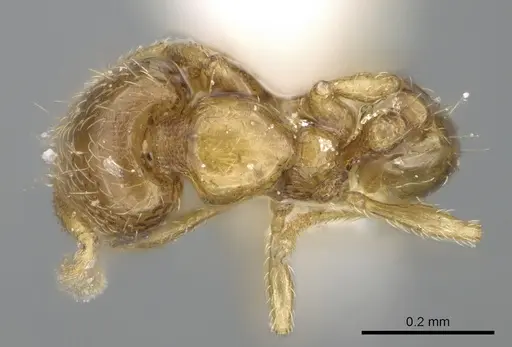
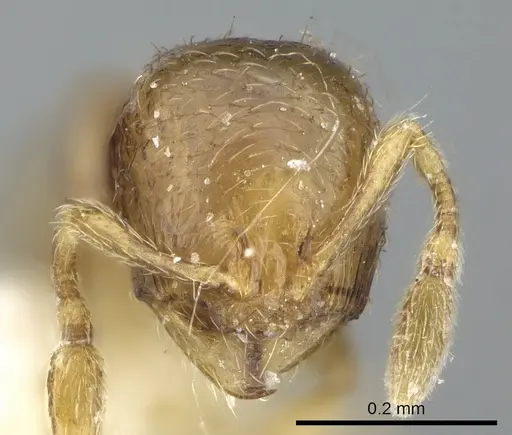
CASENT0906093
View on AntWeb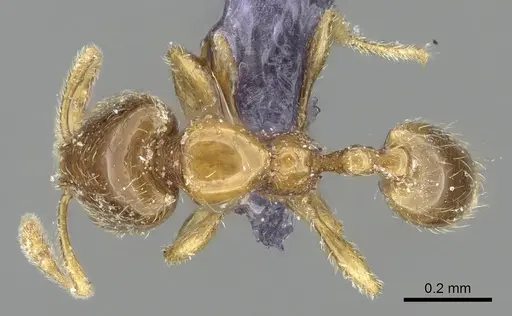
Literature
Loading...Loading products...