

Carebara demeter
- Scientific Name
- Carebara demeter
- Tribe
- Crematogastrini
- Subfamily
- Myrmicinae
- Author
- Azorsa & Fisher, 2018
- Distribution
- Found in 1 countries
Carebara demeter Overview
Carebara demeter is an ant species of the genus Carebara. It is primarily documented in 1 countries , including Madagascar. Detailed taxonomic data and occurrence records can be further explored via authoritative databases such as AntWeb or the Global Biodiversity Information Facility (GBIF).
Carebara demeter
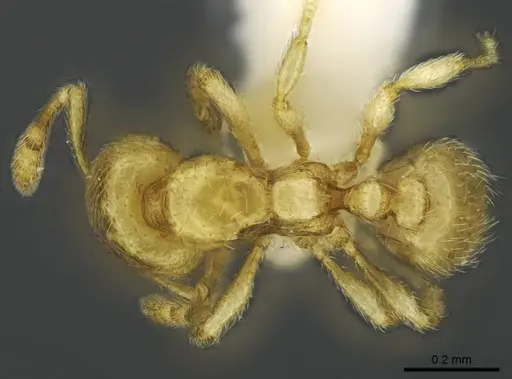
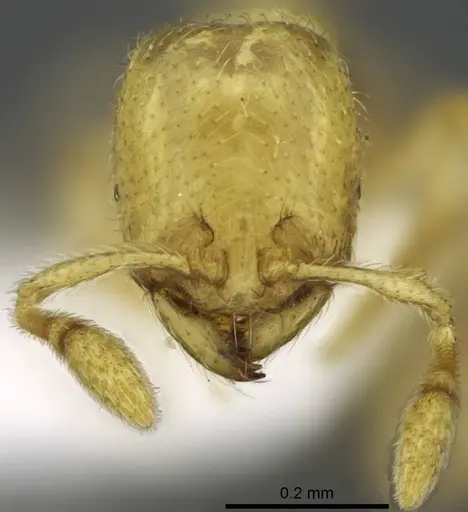
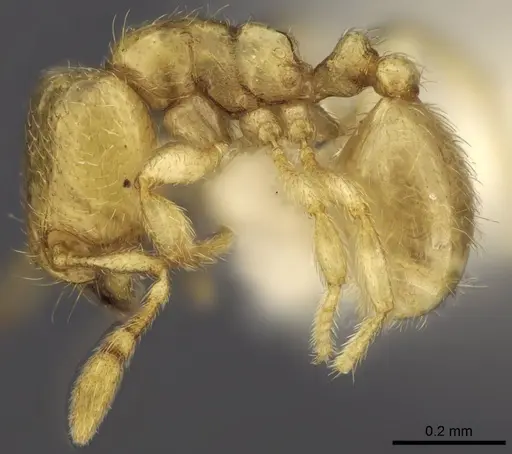
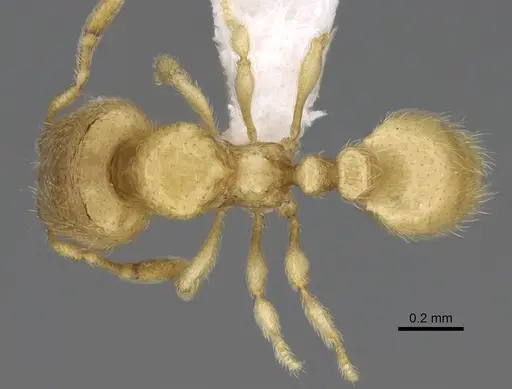
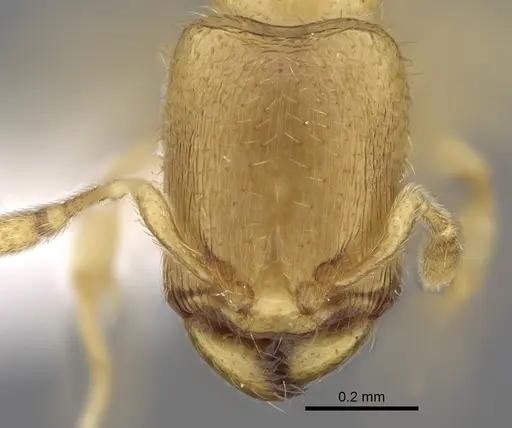
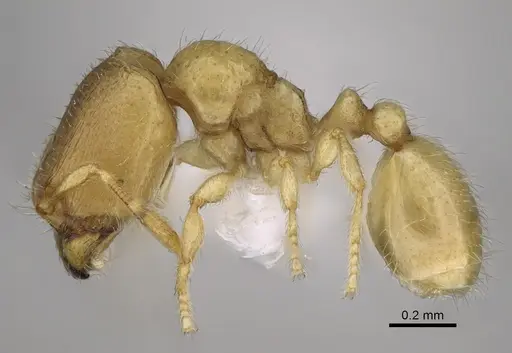
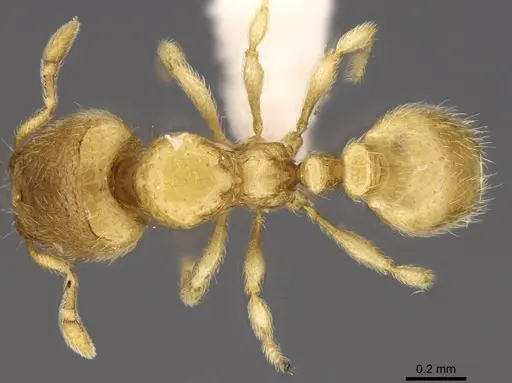
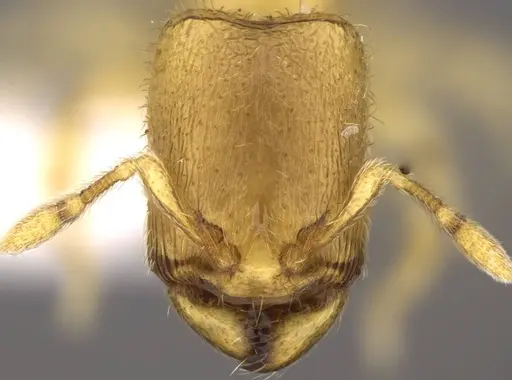
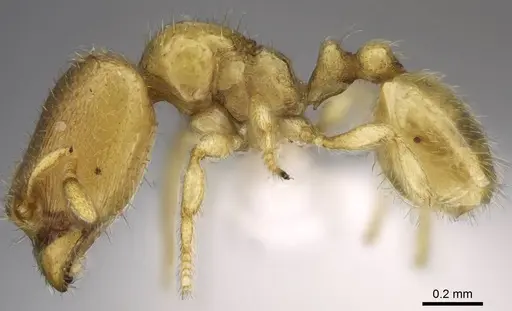
Carebara demeter is a tiny ant species endemic to northwestern Madagascar. Major workers measure just 0.53-0.64mm while minor workers are even smaller at 0.34-0.37mm, making them one of the smaller ant species you'll encounter. They have a yellowish-ferruginous coloration with distinctive morphological features including 10-segmented antennae and mandibles with five teeth. Major workers display longitudinal and irregular rugae on their head, while the propodeum bears small triangular teeth. This species was discovered in montane rainforest at 1175m elevation, collected from leaf litter, leaf mold, and rotten wood using Winkler traps. Only two worker castes (major and minor) are known, there are no intermediate forms. The genus Carebara is known for containing some of the world's smallest ants, and this species exemplifies that characteristic with its diminutive size making it a challenging but rewarding species for experienced keepers.
Quick Summary
- Difficulty: Expert
- Origin & Habitat: Northwestern Madagascar, montane rainforest at 1175m elevation [1]
- Colony Type: Colony structure unconfirmed, only major and minor workers known, no queen described in scientific literature
- Size & Growth:
- Queen: Unknown, queen has not been described [1]
- Worker: Major: 0.53-0.64mm, Minor: 0.34-0.37mm [1]
- Colony: Unknown, no colony size data available
- Growth: Unknown
- Development: Unknown, no development data available (Based on related Carebara species and tiny size, development likely takes several months at optimal temperature)
- Antkeeping:
- Temperature: Likely prefers cool to moderate temperatures around 18-24°C based on montane rainforest origin, start in this range and observe colony activity
- Humidity: Requires high humidity (70-85%), montane rainforest species from damp leaf litter environments. Keep substrate consistently moist but not waterlogged.
- Diapause: Unknown, Madagascar species may not require strong diapause but may have reduced activity periods
- Nesting: Natural nesting in leaf litter, leaf mold, and rotten wood suggests a naturalistic setup with fine substrate or a Y-tong/plaster nest with high humidity works well. Tight chambers scaled to their tiny size are essential.
- Behavior: Behavior is not extensively documented, but Carebara species are typically secretive and slow-moving. Their tiny size means excellent escape prevention is absolutely critical, they can squeeze through the tiniest gaps. Likely nocturnal or crepuscular foragers based on leaf litter habitat. Non-aggressive due to their small size.
- Common Issues: tiny size makes escape likely without fine mesh barriers, use excellent escape prevention, high humidity requirements can lead to mold problems if ventilation is poor, slow growth and unknown development time can frustrate keepers, no queen or colony founding data makes establishing colonies from wild-caught difficult, limited information means trial-and-error care is necessary
Size and Identification
Carebara demeter is an exceptionally tiny ant species. Major workers measure just 0.53-0.64mm in head length, while minor workers are even smaller at 0.34-0.37mm. They have 10-segmented antennae and mandibles with five teeth. The major workers have a distinctive head with longitudinal and irregular rugae, and the propodeum bears small triangular teeth. Their coloration is yellowish-ferruginous. Only two castes exist, major and minor workers with no intermediate forms. This extreme small size is characteristic of the Carebara genus, which contains some of the world's smallest ants. For keepers, this means handling requires extreme care and escape prevention must be exceptional. [1]
Natural Habitat and Origin
This species is known only from northwestern Madagascar, specifically from montane rainforest at 1175 meters elevation. They were collected from leaf litter, leaf mold, and rotten wood using Winkler traps, which sample tiny invertebrates in forest floor debris. This habitat suggests they naturally live in cool, humid, shaded environments typical of montane rainforests. The elevation of 1175m indicates they prefer cooler temperatures than lowland tropical ants. In captivity, replicating these conditions means providing moderate temperatures (roughly 18-24°C), high humidity (70-85%), and a naturalistic setup with fine substrate or material they can move through. [1]
Housing and Nest Setup
Given their tiny size and natural habitat in leaf litter and rotting wood, a naturalistic setup with fine substrate works best. A Y-tong (acrylic) nest with very small chambers or a plaster nest with high humidity retention are good options. The chambers must be tiny, their major workers are only about 0.6mm, so standard ant nest dimensions are far too large. Use fine mesh for any ventilation to prevent escapes. Because they are so small, they cannot tolerate drying out, the nest substrate should remain consistently moist. A water reservoir or moisture gradient helps maintain humidity. Avoid deep substrate as they are surface-dwelling leaf litter ants. [1]
Feeding and Diet
Direct feeding data for Carebara demeter is not available, but related Carebara species are typically omnivorous, feeding on small insects, honeydew, and decaying organic matter. Their tiny size means prey items must be microscopic, springtails, tiny mites, and fruit fly pieces are appropriate. Given their leaf litter habitat, they likely forage for small prey and may tend aphids for honeydew. Offer small live prey (springtails are ideal), and occasionally sugar sources like diluted honey or sugar water, though acceptance is uncertain. Feed small amounts frequently rather than large prey items they cannot handle.
Temperature and Humidity Requirements
Based on their montane rainforest origin at 1175m elevation in Madagascar, these ants likely prefer cooler, humid conditions. Aim for temperatures in the 18-24°C range, avoid high heat. They are not a tropical lowland species that tolerates warm conditions. Humidity should be high (70-85%) to match their leaf litter environment. The substrate should feel consistently moist but never waterlogged. Poor humidity will likely cause colony decline. A small water tube or reservoir connected to the nest helps maintain moisture. Monitor for mold, which can be problematic in high-humidity setups. [1]
Challenges and Considerations
Carebara demeter is an expert-level species due to several factors. Their extreme tiny size makes them difficult to handle and house, standard ant keeping equipment is designed for much larger species. Escape prevention is critical since they can squeeze through gaps invisible to the naked eye. Limited scientific data means keepers must rely on inference from related species and trial-and-error for many aspects of care. Colony establishment from wild-caught is challenging since no queen has been described and founding behavior is unknown. Growth rates and development times are unconfirmed. This species is best suited for experienced keepers who enjoy the challenge of working with poorly-documented species and have the ability to provide precise, stable conditions. [1]
Frequently Asked Questions
How big do Carebara demeter ants get?
Major workers are 0.53-0.64mm and minor workers are 0.34-0.37mm, among the smallest ants in the world [1].
What temperature do Carebara demeter ants need?
Based on their montane rainforest origin, aim for cool to moderate temperatures around 18-24°C. Avoid high heat.
What do Carebara demeter ants eat?
Likely small insects and honeydew like related Carebara species. Feed tiny live prey such as springtails, and occasionally sugar sources.
Are Carebara demeter ants good for beginners?
No, this is an expert-level species due to their extreme tiny size, high humidity needs, limited available information, and critical escape prevention requirements.
How do I keep Carebara demeter ants from escaping?
Excellent escape prevention is essential, use fine mesh, tight-fitting lids, and barrier tape. Their tiny size means they can squeeze through the smallest gaps.
What humidity do Carebara demeter ants need?
High humidity (70-85%) to match their montane rainforest leaf litter habitat. Keep substrate consistently moist.
Where is Carebara demeter found in the wild?
Only in northwestern Madagascar, in montane rainforest at 1175m elevation [1].
Do Carebara demeter ants sting?
Their extreme tiny size means any sting would be imperceptible to humans. They are not considered dangerous.
How long does it take for Carebara demeter to develop from egg to worker?
Unknown, no development data is available. Based on related tiny Carebara species, expect several months at optimal temperature.
What type of nest is best for Carebara demeter?
A naturalistic setup with fine substrate or a Y-tong/plaster nest with very small chambers and high humidity. Standard ant nests are too large.
References

This caresheet is licensed under CC BY-SA 4.0 .
Literature
Loading...Loading products...