

Carebara cornigera
- Scientific Name
- Carebara cornigera
- Tribe
- Crematogastrini
- Subfamily
- Myrmicinae
- Author
- Forel, 1902
- Distribution
- Found in 1 countries
Carebara cornigera Overview
Carebara cornigera is an ant species of the genus Carebara. It is primarily documented in 1 countries , including Australia. Detailed taxonomic data and occurrence records can be further explored via authoritative databases such as AntWeb or the Global Biodiversity Information Facility (GBIF).
Carebara cornigera
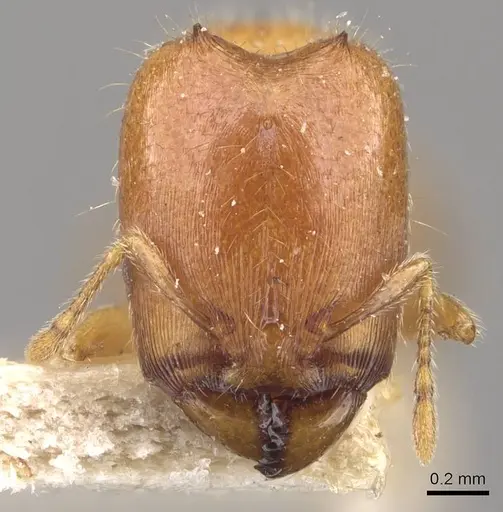
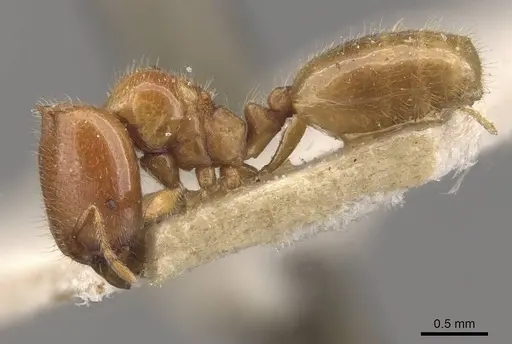
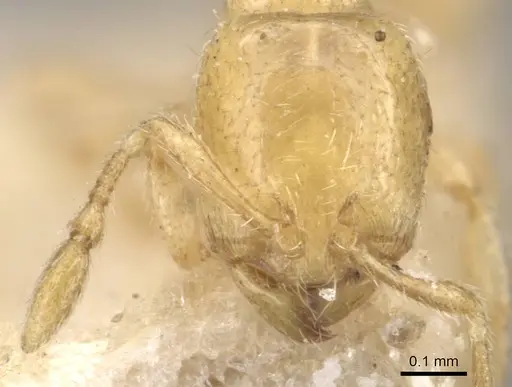
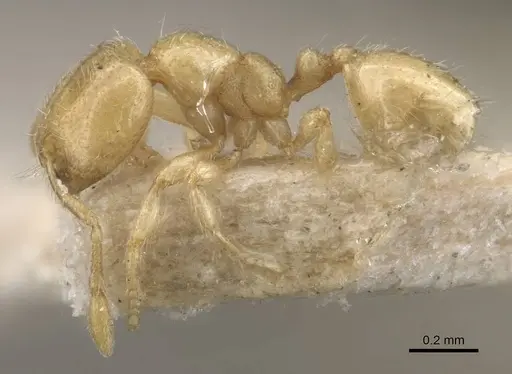
Carebara cornigera is a tiny ant species native to eastern Australia, specifically found in Queensland and New South Wales, with additional records from New Caledonia [1]. These are minute ants belonging to the Myrmicinae subfamily, formerly classified under the genus Oligomyrmex. Workers are small and typically dark in coloration, though exact measurements are not well-documented in available literature. The species was originally described by Forel in 1902 and has undergone taxonomic revisions, previously being known as Carebara cornigera. Queens are slightly larger than workers and are winged during the reproductive stage. This species represents one of the smaller ant species kept in captivity, which presents unique challenges for housing and care.
Quick Summary
- Difficulty: Medium
- Origin & Habitat: Eastern Australia (Queensland, New South Wales) and New Caledonia. In nature, these ants likely nest in soil, under stones, or in rotting wood in forested areas [1].
- Colony Type: Colony structure is not well-documented in available literature. Most Carebara species form small to moderate colonies with single queens, though multi-queen colonies have been observed in some related species.
- Colony: Monogyne
- Founding: Claustral
- Size & Growth:
- Queen: Estimated 5-7mm based on genus patterns, not directly measured for this species
- Worker: Estimated 2-4mm based on genus patterns, not directly measured for this species
- Colony: Likely reaches several hundred workers based on typical Carebara colony sizes, though specific data unavailable
- Growth: Moderate, growth rate inferred from related Carebara species
- Development: Estimated 6-10 weeks at optimal temperature based on genus patterns for small Myrmicinae (Development time is estimated from related species, specific data for C. cornigera is unavailable)
- Antkeeping:
- Temperature: Keep around 22-26°C based on Australian temperate to subtropical distribution. A gentle heat gradient allows ants to regulate their temperature.
- Humidity: Moderate humidity around 50-70%. Keep the nest substrate moist but not waterlogged. These ants likely prefer conditions similar to their natural forest floor habitat.
- Diapause: Yes, based on temperate Australian distribution, colonies likely require a winter rest period of 2-3 months at cooler temperatures (around 15-18°C).
- Nesting: Use small, tight-fitting chambers scaled to their tiny size. Test tubes with cotton water reservoirs work well, or small acrylic nests with narrow tunnels. Avoid large, open spaces.
- Behavior: These ants are small and generally non-aggressive. Workers are active foragers, likely hunting small prey and collecting honeydew. Their tiny size makes them excellent escape artists, fine mesh barriers are essential. They are not known to sting and present no danger to keepers.
- Common Issues: escape prevention is critical due to their very small size, use fine mesh and tight-fitting lids, slow growth can frustrate beginners who may overfeed or disturb the colony, wild-caught colonies may carry parasites that can decimate captive colonies, test tube setups require careful water management to avoid flooding tiny chambers, maintaining proper humidity without creating stagnant conditions can be challenging
Housing and Nest Setup
Housing Carebara cornigera requires attention to their tiny size. Use test tubes with small diameters or mini acrylic nests with narrow tunnels and chambers. The chambers should be appropriately scaled, too large and the ants may feel insecure, too small and they cannot move brood effectively. A cotton stopper with a small water reservoir provides humidity. For outworld space, keep it minimal as these ants don't travel far. Fine mesh is absolutely essential for escape prevention, these ants can squeeze through gaps invisible to the naked eye. Some keepers use double-stick tape around edges as an additional barrier.
Feeding and Diet
Carebara cornigera likely accepts small prey items similar to other Carebara species. Offer small live insects like fruit flies, pinhead crickets, and tiny arthropods. They may also collect honeydew from aphids if available. Sugar water or honey water can be offered occasionally, though their primary diet is likely protein-based. Feed small amounts twice weekly, removing any uneaten prey after 24 hours to prevent mold. Due to their small size, even tiny prey items represent significant meals.
Temperature and Seasonal Care
Maintain temperatures around 22-26°C during the active season. A heating cable on one side of the nest creates a temperature gradient allowing ants to self-regulate. Place the heating element on top of the nest, not underneath, to avoid drying out the substrate too quickly. During winter, reduce temperature to around 15-18°C for 2-3 months to simulate natural seasonal cycles. This winter rest period is important for colony health and may trigger reproductive behavior in spring. Do not cool suddenly, reduce temperature gradually over 2-3 weeks.
Colony Growth and Development
Colony growth is relatively slow compared to larger ant species. The queen lays eggs after mating, and the first brood develops through larval and pupal stages before emerging as nanitic (first) workers. These initial workers are often smaller than subsequent generations. Growth rate depends on temperature, feeding frequency, and colony stress levels. A healthy colony will gradually produce more workers over several months to years. Patience is essential, small colonies can take 6-12 months to reach 50 workers, and several years to reach several hundred.
Behavior and Temperament
Carebara cornigera workers are small and generally peaceful. They are active foragers but pose no threat to keepers. Workers likely use chemical trails to recruit nestmates to food sources, similar to other Myrmicinae species. The colony will establish defined foraging patterns once they establish a routine. These ants are not aggressive and will flee rather than engage threats. Their small size means they are preyed upon easily by other insects, so keep them separated from larger ant species.
Frequently Asked Questions
How long does it take for Carebara cornigera to produce first workers?
Based on related species, expect first workers (nanitics) to emerge around 6-10 weeks after the queen lays eggs, assuming optimal temperature around 24-26°C. This timeline is estimated as specific development data for C. cornigera is not available.
What do Carebara cornigera ants eat?
They likely accept small live prey like fruit flies, pinhead crickets, and other tiny insects. Sugar sources like honey water may also be accepted. Feed protein-rich foods twice weekly and remove uneaten prey after 24 hours.
Do Carebara cornigera ants sting?
No, these ants are not known to sting and present no danger to keepers. Their small size means they cannot effectively penetrate human skin even if they had a stinger.
How big do Carebara cornigera colonies get?
Based on typical Carebara species, colonies likely reach several hundred workers over several years. Specific colony size data for this species is not available.
Can I keep Carebara cornigera in a test tube?
Yes, test tubes work well for founding colonies. Use a small-diameter tube with a cotton water reservoir. Ensure the tube is properly sealed with fine mesh to prevent escapes, as these tiny ants can squeeze through standard cotton plugs.
Do Carebara cornigera need hibernation?
Yes, based on their Australian distribution, colonies likely benefit from a winter rest period. Reduce temperature to around 15-18°C for 2-3 months during winter. Gradually cool the colony over 2-3 weeks.
Are Carebara cornigera good for beginners?
They are considered medium difficulty. Their small size requires careful attention to escape prevention and housing. Patience is needed as colony growth is slower than larger species. Experienced antkeepers often have better success with these tiny ants.
When should I move Carebara cornigera to a formicarium?
Move them when the test tube becomes crowded or the water reservoir is depleted. For small colonies, a test tube setup can last for months to years. Only upgrade to a larger nest when the colony reaches at least 50-100 workers.
Why are my Carebara cornigera escaping?
Their tiny size allows them to escape through the smallest gaps. Use fine mesh (at least 0.5mm or smaller), seal all edges with tape or fluon, and check lid connections regularly. Even tiny gaps around tubing connections can be escape routes.
What temperature is best for Carebara cornigera?
Keep them around 22-26°C during the active season. A slight temperature gradient allows the ants to choose their preferred zone. Avoid temperatures above 30°C or below 18°C for extended periods.
References

This caresheet is licensed under CC BY-SA 4.0 .
CASENT0908903
View on AntWeb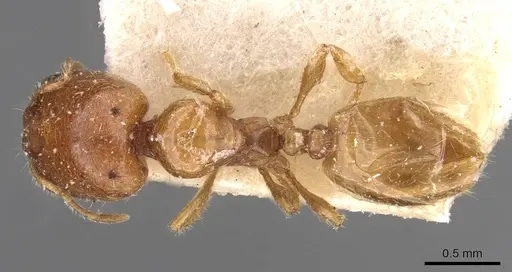
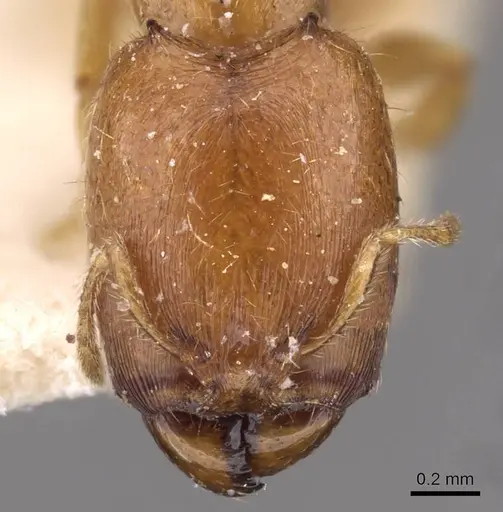
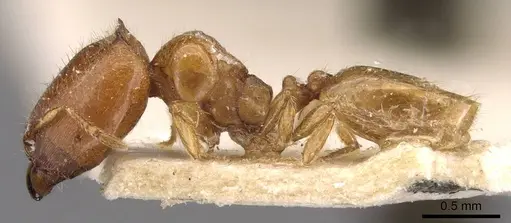
CASENT0908904
View on AntWeb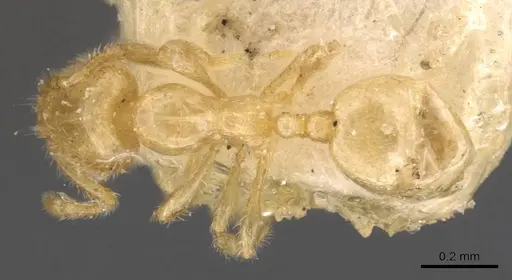
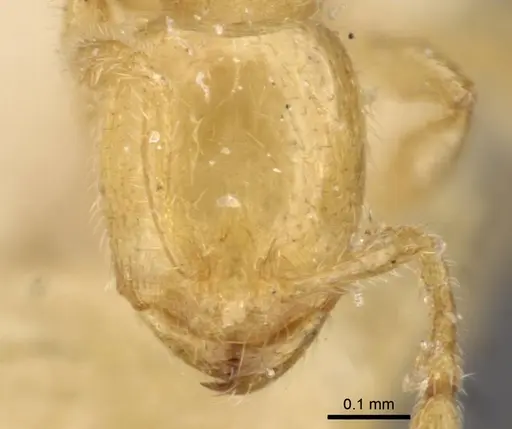
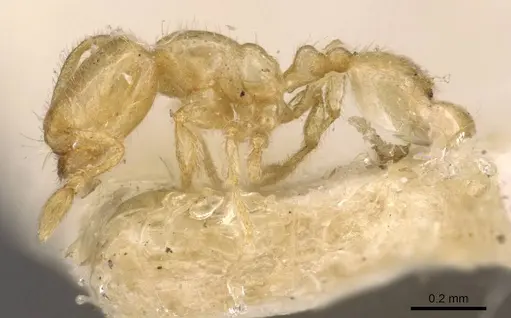
CASENT0910870
View on AntWeb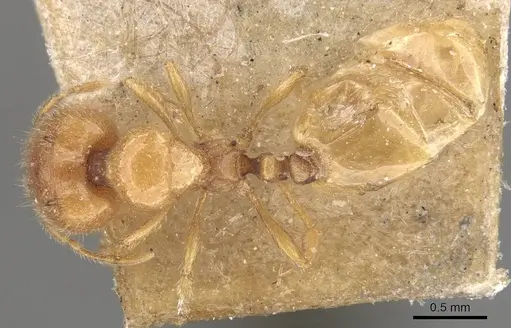
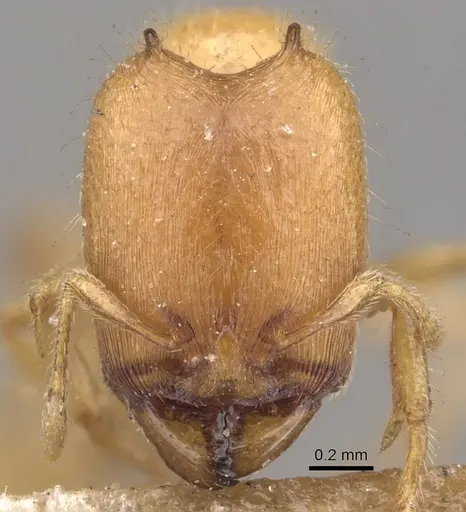
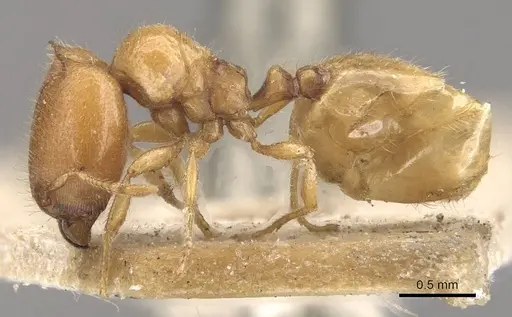
CASENT0910871
View on AntWeb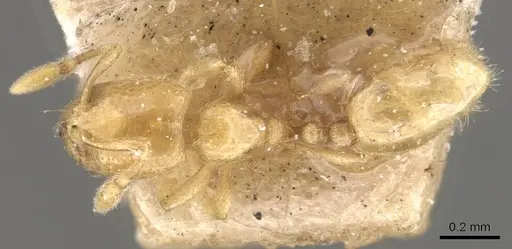
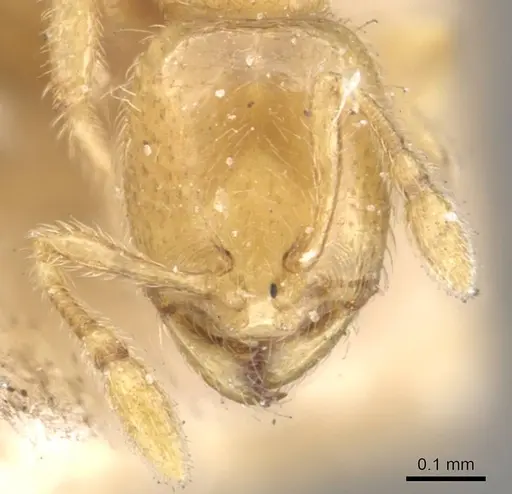
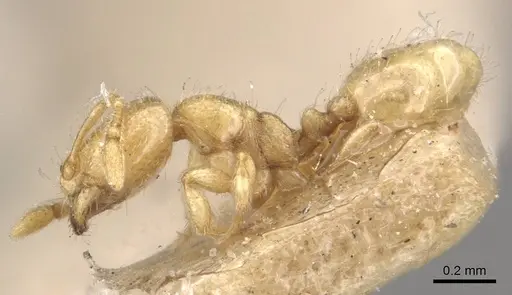
CASENT0910872
View on AntWeb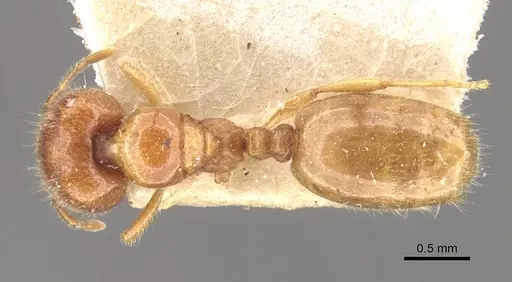
CASENT0910873
View on AntWeb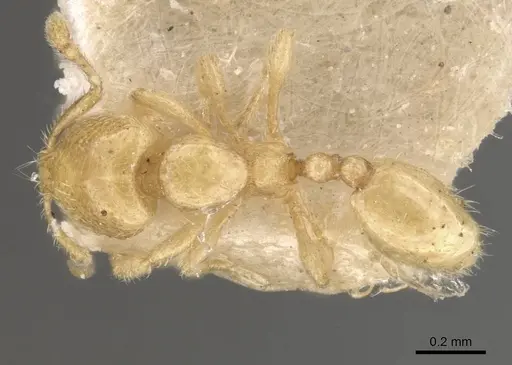
Literature
Loading...Loading products...