

Carebara concinna
- Scientific Name
- Carebara concinna
- Tribe
- Crematogastrini
- Subfamily
- Myrmicinae
- Author
- Mayr, 1867
- Distribution
- Found in 1 countries
Carebara concinna Overview
Carebara concinna is an ant species of the genus Carebara. It is primarily documented in 1 countries , including Palau. Detailed taxonomic data and occurrence records can be further explored via authoritative databases such as AntWeb or the Global Biodiversity Information Facility (GBIF).
Carebara concinna
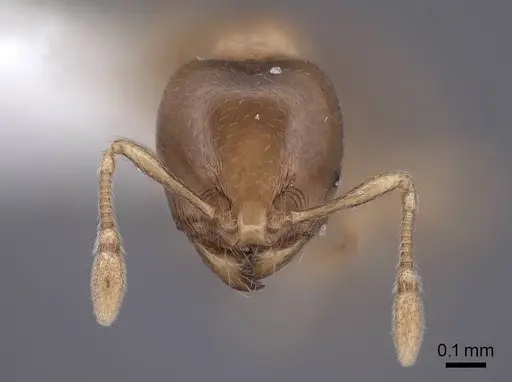
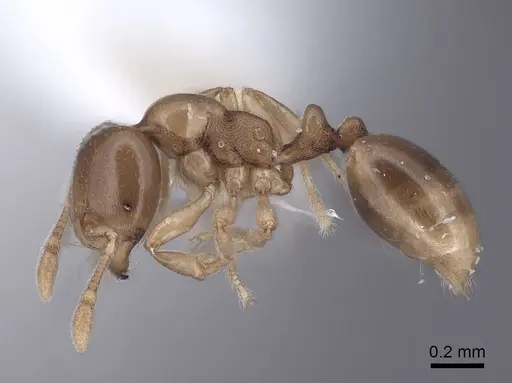
Carebara concinna is a tiny myrmicine ant species originally described from Indonesia. Workers are dimorphic, meaning the colony has both major (soldier) and minor workers. Unlike many extremely small ants, this species has visible eyes. The antennae have 11 segments in the funicle. The genus Carebara contains some of the world's smallest ants, often called 'minute ants.' This species remains poorly studied, with limited information available beyond the original queen description from the 1860s.
Quick Summary
- Difficulty: Unknown, limited data available
- Origin & Habitat: Indonesia (Indomalaya Region). The specific habitat within Indonesia is unrecorded.
- Colony Type: Unconfirmed. The colony structure (single queen vs multiple queens) has not been documented for this species.
- Size & Growth:
- Queen: Undescribed in original publication, estimated 4-6mm based on genus patterns [1]
- Worker: Minor workers approximately 2-3mm, major workers larger with massive head [1][2]
- Colony: Unknown for this species. Related Carebara species typically reach several hundred workers.
- Growth: Unknown, no development data available
- Development: Unconfirmed. Based on typical Carebara patterns in tropical conditions, estimate 4-8 weeks at warm temperatures. (No direct development data exists for this species. Estimates based on genus-level patterns for tropical Myrmicinae.)
- Antkeeping:
- Temperature: Inferred: Keep at 24-28°C. As a tropical Indonesian species, warmth is likely essential for activity and brood development.
- Humidity: Inferred: High humidity preferred (70-80%). Tropical forest floor conditions with moist substrate.
- Diapause: Unlikely. As a tropical species from Indonesia, diapause is probably not required.
- Nesting: Inferred: Likely nests in soil or rotting wood in captivity. Given their tiny size, test tubes with moist cotton or small acrylic nests work well. Provide tight chambers scaled to their minute size.
- Behavior: Behavior is unstudied. Based on genus patterns, they are likely predatory on small arthropods. Their tiny size means escape prevention is critical, they can squeeze through standard test tube barriers. Handle with care as they are easily crushed. Major workers may serve as defenders due to their larger size.
- Common Issues: limited data makes care recommendations uncertain, tiny size creates significant escape risk, no confirmed diet preferences, must experiment, colony structure unknown makes queen management difficult, slow growth may frustrate beginners
Species Overview
Carebara concinna is a minute ant species from Indonesia, originally described in 1867 as Carebara concinna. The genus Carebara contains some of the smallest ants in the world, and this species follows that pattern. Workers are dimorphic, meaning the colony produces two distinct worker sizes, smaller minor workers for general tasks and larger major workers (sometimes called soldiers) with notably larger heads for defense and food processing. Unlike many extremely tiny ants that lack eyes, Carebara concinna workers have visible eyes. The antennae have 11 segments in the funicle. This species remains poorly documented in scientific literature, with almost all biological information inferred from related species in the genus.
Housing and Escape Prevention
Given their extremely small size, excellent escape prevention is essential. Standard test tube setups may allow escapes, consider using fluon barriers and ensuring all connections are sealed. The nest chambers should be small and tight-fitting. Test tubes with small water reservoirs work well for founding colonies. For established colonies, small acrylic nests or ytong nests with appropriately sized chambers are suitable. Avoid tall, open spaces, these ants do best in compact, chambered environments that match their natural scale. Provide a foraging area with a barrier that accounts for their minute size.
Temperature and Humidity
As a tropical species from Indonesia, Carebara concinna likely requires warm, humid conditions. Maintain temperatures in the 24-28°C range for optimal activity. Lower temperatures may reduce activity and slow any brood development. High humidity is important, aim for 70-80% relative humidity in the nest area. The substrate should remain consistently moist but not waterlogged. A small water tube or cotton reservoir in the test tube setup provides moisture. Monitor for condensation as an indicator of proper humidity.
Feeding and Diet
The specific diet of Carebara concinna has not been documented. Based on typical Carebara genus behavior, they are likely predatory or omnivorous, feeding on small arthropods and likely tending aphids for honeydew. For captive care, offer small live prey such as springtails, fruit flies, or other tiny insects. Sugar sources like honey water or sugar water may be accepted but should not be the primary food. Start with small live prey items and observe acceptance. Remove uneaten prey after 24-48 hours to prevent mold.
Colony Development
No specific development data exists for this species. The queen was described from Indonesia in the 1860s, but no founding behavior or colony development has been documented. Based on related tropical Myrmicinae patterns, expect development from egg to first worker to take approximately 4-8 weeks at optimal warm temperatures. Colony size is unknown but likely reaches several hundred workers based on typical Carebara patterns. Growth may be slow initially as the queen raises her first workers (nanitics) alone.
Frequently Asked Questions
How long does it take for Carebara concinna to produce first workers?
The egg-to-worker timeline is unconfirmed for this species. Based on typical Carebara patterns in tropical conditions, expect approximately 4-8 weeks at optimal temperatures (24-28°C).
What do Carebara concinna ants eat?
Specific diet is unconfirmed. Based on genus patterns, they likely accept small live prey (springtails, fruit flies) and may also consume sugar sources. Start with small live prey and observe acceptance.
Do Carebara concinna ants need hibernation?
No. As a tropical Indonesian species, hibernation is not required. Maintain warm temperatures year-round.
Are Carebara concinna ants dangerous?
Due to their extremely small size, they pose no danger to humans. Their sting is likely negligible or nonexistent.
How big do Carebara concinna colonies get?
Colony size is unconfirmed for this species. Based on related Carebara species, colonies likely reach several hundred workers.
What temperature should I keep Carebara concinna at?
Maintain 24-28°C. This tropical species requires warmth for activity and likely brood development.
Can I keep multiple Carebara concinna queens together?
Colony structure is unconfirmed. Combining unrelated queens is not recommended due to lack of data on their social structure.
Why are my Carebara concinna escaping?
Their extremely minute size allows them to squeeze through standard barriers. Use fluon on all edges, ensure connections are sealed, and consider fine mesh barriers.
Is Carebara concinna good for beginners?
This species is not recommended for beginners due to limited available care information and their tiny size requiring excellent escape prevention.
What humidity do Carebara concinna ants need?
High humidity is likely required, aim for 70-80%. Keep the nest substrate consistently moist but not waterlogged.
References

This caresheet is licensed under CC BY-SA 4.0 .
FMNHINS0000105157
View on AntWeb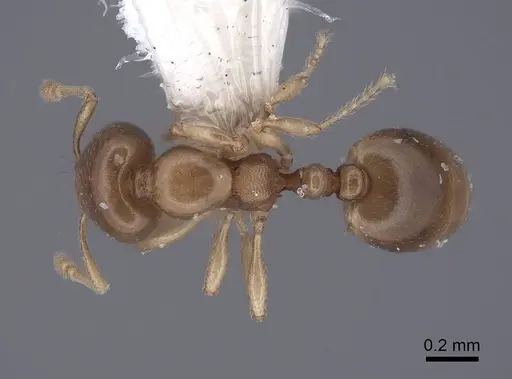
Literature
Loading...Loading products...