

Carebara betsi
- Scientific Name
- Carebara betsi
- Tribe
- Crematogastrini
- Subfamily
- Myrmicinae
- Author
- Azorsa & Fisher, 2018
- Distribution
- Found in 1 countries
Carebara betsi Overview
Carebara betsi is an ant species of the genus Carebara. It is primarily documented in 1 countries , including Madagascar. Detailed taxonomic data and occurrence records can be further explored via authoritative databases such as AntWeb or the Global Biodiversity Information Facility (GBIF).
Carebara betsi
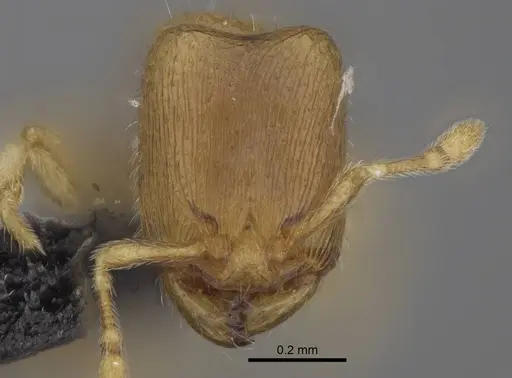
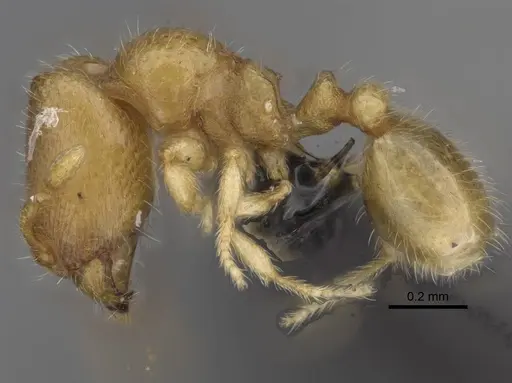
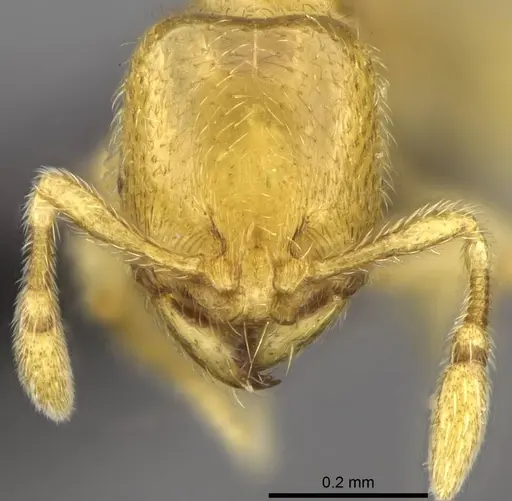
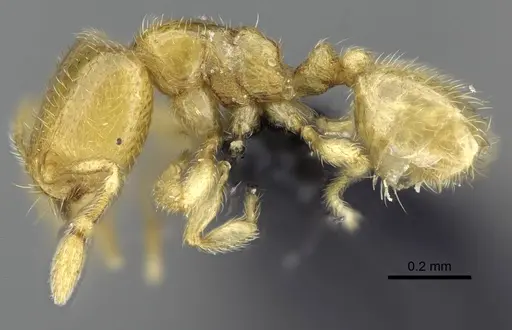
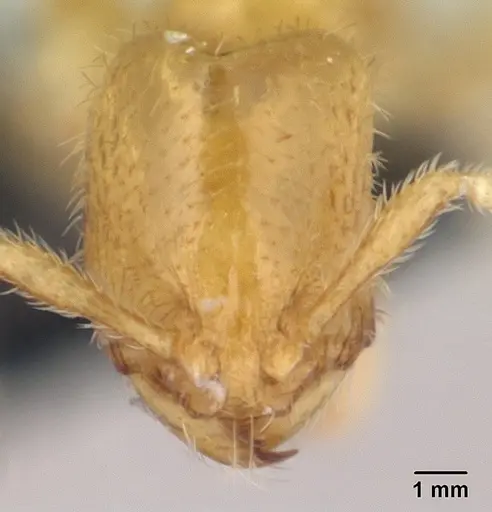
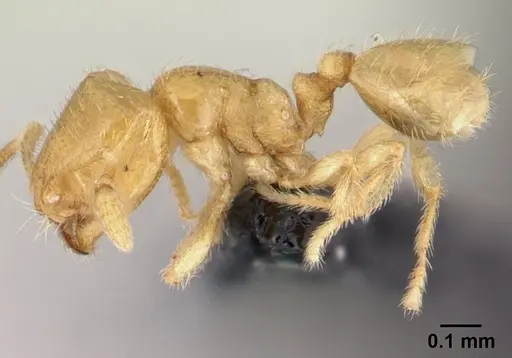
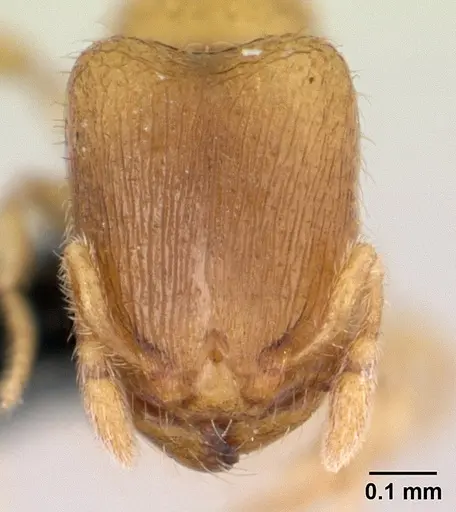
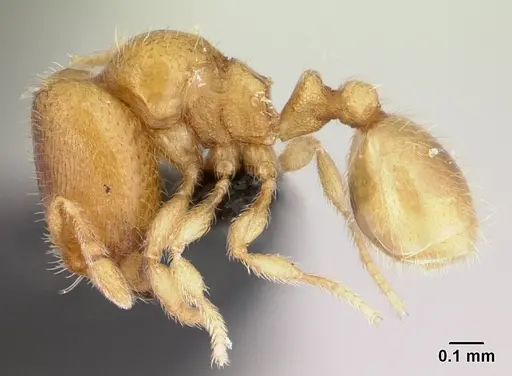
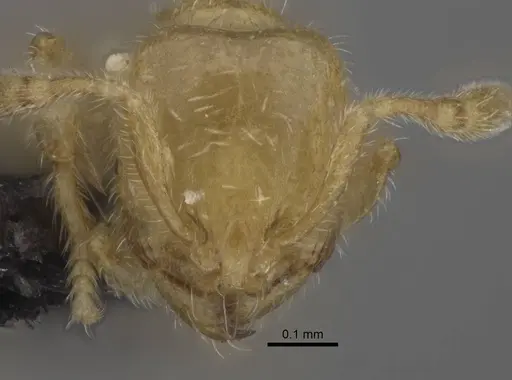
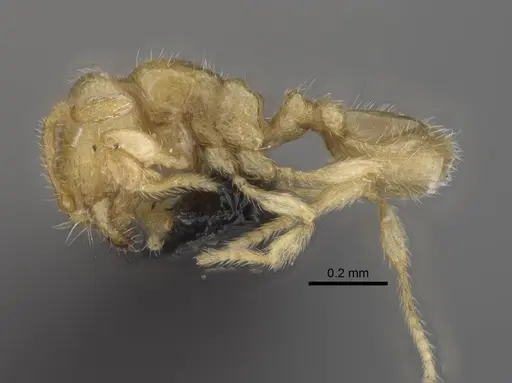
Carebara betsi is a tiny ant species native to the highlands of central Madagascar. Major workers reach just 0.51-0.63 mm in head length, while minor workers are even smaller at 0.36-0.39 mm [1]. They have a yellowish-ferruginous coloration and feature distinctive 10-segmented antennae with five-toothed mandibles. Major workers show prominent longitudinal rugae on their head, and both castes have abundant subdecumbent hairs on their gaster [1]. This species was only described in 2018 and is known exclusively from montane rainforest at 1410 meters elevation in the Ambohitantely reserve area [1]. The species can be distinguished from other Malagasy Carebara by the flat combined outline of the peduncle and petiolar node, along with the abundant hairs on the gaster [1].
Quick Summary
- Difficulty: Unknown, too little data for reliable difficulty rating
- Origin & Habitat: Endemic to central Madagascar, specifically the montane rainforest of the Ambohitantely reserve at 1410m elevation [1]. They live in leaf mold and rotting wood in the forest floor layer [1].
- Colony Type: Unconfirmed, colony structure has not been documented for this species
- Size & Growth:
- Queen: Unknown, queen caste has not been described yet
- Worker: Major workers: 0.51-0.63 mm head length, Minor workers: 0.36-0.39 mm head length [1]
- Colony: Unknown, no colony size data available
- Growth: Unknown
- Development: Unknown, no development data exists for this species (Based on typical Carebara patterns, expect several months for first workers, but this is an estimate only)
- Antkeeping:
- Temperature: Inferred from montane rainforest habitat, aim for cool to moderate temperatures around 18-22°C. Avoid overheating. The 1410m elevation suggests they prefer cooler conditions than typical lowland tropical ants.
- Humidity: High humidity required, they come from damp montane forest floor microhabitats (leaf mold and rotting wood). Keep substrate consistently moist but not waterlogged.
- Diapause: Unknown, no data on overwintering requirements. Madagascar experiences mild seasons at this elevation, so a true diapause may not be necessary, but more research is needed.
- Nesting: Natural nesting occurs in leaf mold and rotting wood [1]. In captivity, a small test tube setup with damp substrate or a small naturalistic setup with rotting wood pieces would be appropriate. Scale nest dimensions to their tiny size, chambers should be small and tight.
- Behavior: Not well documented. Based on genus patterns, they are likely secretive floor-dwellers that forage in leaf litter. Their tiny size and habitat suggest they are non-aggressive and may be predaceous on small micro-arthropods. Escape prevention is critical due to their very small size, they can squeeze through standard barrier gaps.
- Common Issues: very small size makes escape likely without fine mesh barriers, no captive care data exists, all recommendations are estimates based on genus patterns, humidity control is challenging with such tiny ants in small setups, colony may be slow to develop given limited data on founding and growth, wild-caught colonies may have collection-related stress
Discovery and Description
Carebara betsi was formally described in 2018 by Frank Azorsa and Brian Fisher as part of a comprehensive taxonomic revision of Malagasy Carebara species [1]. The type series was collected from the Réserve Spéciale d'Ambohitantely, a montane rainforest area in central Madagascar at 1410 meters elevation [1]. Researchers collected specimens using Winkler traps, devices that extract ants from sifted leaf litter [1]. This collecting method itself tells us something important: these ants live deep within the forest floor litter layer, not on the surface or in elevated nests. The species name 'betsi' honors a contributor to Madagascar biodiversity research.
Habitat and Distribution
This is one of the most restricted ant species in Madagascar, currently known only from a single location in the central highlands [1]. The Ambohitantely reserve sits on the high plateau of Madagascar, where the montane rainforest experiences cooler temperatures and higher humidity than lowland areas. At 1410 meters elevation, the climate is markedly different from tropical lowlands, think misty, damp forest with moderate temperatures year-round [1]. The microhabitats where these ants were found include leaf mold and rotting wood, typical of forest floor specialists [1]. This specialized habitat preference means they are likely sensitive to temperature and humidity changes, not a hardy species for beginners.
Identification and Morphology
Carebara betsi shows pronounced size polymorphism between major and minor workers, with no intermediate castes observed [1]. Major workers have distinctive longitudinal rugae running from the frontal lobes to the posterior margin of the head, a useful identification feature [1]. Both castes have 10-segmented antennae and five-toothed mandibles [1]. The propodeum (the section behind the mesonotum) bears small triangular teeth in both castes [1]. Their gaster (the rear body section) has abundant subdecumbent hairs, short hairs lying nearly flat, which helps distinguish them from similar species [1]. The overall coloration is yellowish ferruginous, a rusty yellow-brown [1]. Their eyes are tiny, consisting of only 1-2 ommatidia in workers, indicating they are not highly visual foragers [1].
Housing and Care Recommendations
Since no captive husbandry data exists for this species, all recommendations are estimates based on their natural habitat and genus patterns. Set up a small, well-humidified enclosure, a small test tube setup with damp cotton or a tiny naturalistic terrarium with leaf litter and rotting wood pieces would be appropriate. Keep temperatures cool to moderate, around 18-22°C, significantly cooler than typical tropical ant setups. The elevation of their natural habitat suggests they are adapted to cooler conditions. Maintain high humidity by keeping the substrate consistently moist but not waterlogged. Provide small protein foods like micro-arthropods (springtails are an ideal size) since they are likely predatory or omnivorous based on genus patterns. Escape prevention is absolutely critical, their tiny size means they can slip through standard barriers. Use tight-fitting lids and consider fine mesh on any ventilation.
What We Still Don't Know
This species was described in 2018 and has received no captive husbandry research. We lack data on queen morphology, colony size, founding behavior, development timeline, diet preferences, and social structure. Even basic questions like whether they are single-queen or multi-queen colonies remain unanswered. This makes them a poor choice for beginners or anyone wanting established care protocols. If you acquire this species, you are essentially pioneering their husbandry, document your observations carefully and consider sharing findings with the antkeeping community. The limited distribution also means wild collection may be difficult and potentially harmful to wild populations. [1]
Frequently Asked Questions
How long does it take for Carebara betsi to produce first workers?
Unknown, no development data exists for this species. Based on typical Carebara patterns, expect several months, but this is purely an estimate.
What do Carebara betsi ants eat?
Not directly documented, but based on genus patterns they likely eat small micro-arthropods and may accept sugar sources. Offer small live prey like springtails and occasional honey or sugar water, but success is uncertain.
Are Carebara betsi good for beginners?
No, this species has no captive care data and requires conditions (cool, high humidity) that are challenging to maintain. They are not recommended for beginners.
Do Carebara betsi ants sting?
Their tiny size (under 1mm) means any sting would be negligible even if present. They are not considered dangerous to humans.
What temperature should I keep Carebara betsi at?
Based on their montane rainforest habitat at 1410m elevation, aim for cool to moderate temperatures around 18-22°C. Avoid overheating.
Can I keep multiple Carebara betsi queens together?
Unknown, colony structure has not been documented for this species. Do not attempt combining unrelated queens without data on their social structure.
How big do Carebara betsi colonies get?
Unknown, no colony size data exists. Related species typically form colonies of several hundred to a few thousand workers.
What type of nest should I use for Carebara betsi?
Small test tubes or tiny naturalistic setups with damp leaf litter and rotting wood pieces. Their natural microhabitat is leaf mold and rotting wood in forest floor litter.
Do Carebara betsi need hibernation?
Unknown, no data on overwintering requirements. Their montane habitat suggests they may experience cooler seasonal temperatures but likely not a true diapause.
Where is Carebara betsi found in the wild?
Only known from the Ambohitantely reserve in central Madagascar, at 1410m elevation in montane rainforest.
References

This caresheet is licensed under CC BY-SA 4.0 .
CASENT0479429
View on AntWeb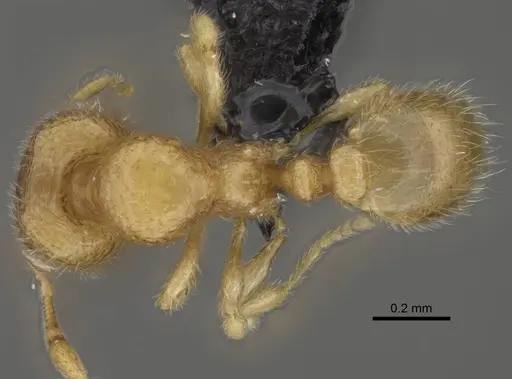
CASENT0479432
View on AntWeb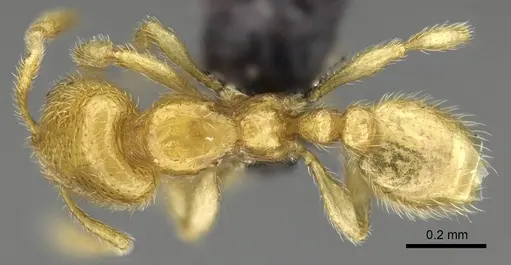
CASENT0479440
View on AntWeb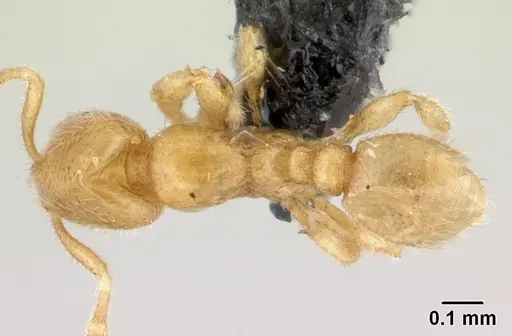
CASENT0479444
View on AntWeb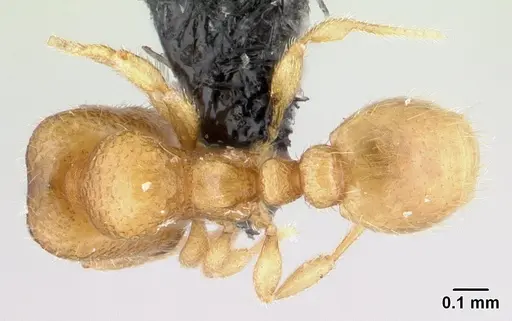
CASENT0479495
View on AntWeb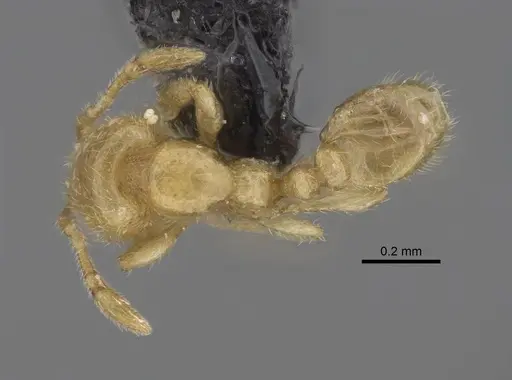
Literature
Loading...Loading products...