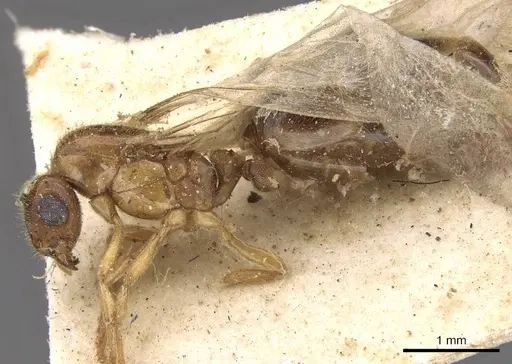
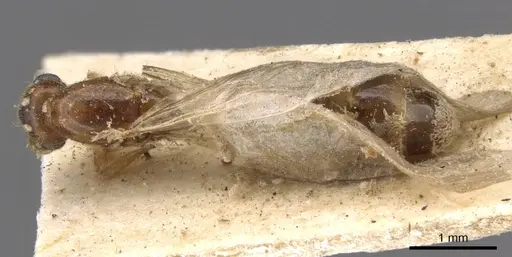
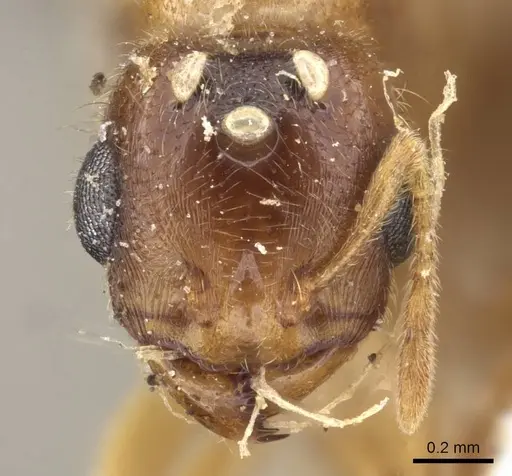
Carebara bengalensis - ""
Carebara bengalensis is a fascinating ant species known for its remarkable caste polymorphism, displaying a vast size difference between its tiny minor workers and significantly larger queens. These ants are generally cryptic, preferring to nest in the soil, leaf litter, or occasionally even within termite mounds. While information specific to Carebara bengalensis can be limited, the genus Carebara is well-known for its predatory nature and rapid colony growth, making them an engaging, albeit challenging, species for experienced antkeepers.
- Difficulty: Medium
- Origin & Habitat: Bangladesh, India, Nepal (Oriental Region) in Subterranean, in soil, leaf litter, and sometimes termite mounds..
- Colony Type: Polygynous (multiple queens), claustral (queen seals herself in) founding.
- Size & Growth:
- Queen: 16-20mm
- Worker: 3-5mm
- Colony: Large (tens of thousands to hundreds of thousands). Fast growth.
- Antkeeping:
- Temperature: Maintain temperatures between 15-28°C. They thrive in warmer conditions, with optimal activity often observed around 25-26°C..
- Humidity: The nest area should be kept at 40-60% humidity..
- Diapause: Not required. Not specified at Not specified.
- Nesting: These ants prefer naturalistic setups with plenty of substrate for digging. They are known to appreciate nesting under rocks and will readily excavate tunnels in suitable soil or coco fiber. They can also be kept in artificial setups like acrylic or gypsum nests, but consistent humidity and expansion space are crucial..
- Behavior: Medium (towards handler, high towards prey or other ants) aggressiveness.
- Common Issues: Mites, Colony stalling (due to insufficient food/humidity), Escape, Humidity fluctuations.
One of the most striking features of Carebara bengalensis and indeed the entire Carebara genus is the incredible size difference between castes. You'll observe tiny minor workers scurrying about, while the majors (often called soldiers) are substantially larger, and the queens are truly massive compared to their smallest offspring. This polymorphism means the colony's dynamics are fascinating to watch, with different worker sizes likely specializing in various tasks, from nursing the brood to tackling larger prey items. It's a true spectacle of ant evolution right in your formicarium.
Keeping Carebara bengalensis means embracing their cryptic, subterranean lifestyle. These ants love to dig and will readily create intricate networks of tunnels within a natural substrate setup. If you opt for an artificial nest, ensure it has ample space for them to expand their tunnels, and be prepared for them to utilize every nook and cranny. Their preference for nesting within the soil or under rocks also makes them a bit more challenging to observe directly compared to surface-dwelling species, but it adds to the mystique of their colony.
These ants are voracious predators and require a consistent supply of protein to fuel their rapid growth. They are not particularly picky eaters and will readily consume various feeder insects. However, it's paramount to either boil or freeze any insects before offering them to your colony to prevent the introduction of mites. Carebara species, especially those in high-humidity environments, can be quite susceptible to mite infestations, which can quickly decimate a healthy colony. Maintaining excellent hygiene in the outworld is also key to preventing such issues.
Despite their small worker size, Carebara bengalensis can be incredibly difficult to contain. Their tiny minors are expert escape artists, capable of squeezing through the smallest gaps. Investing in robust escape prevention measures is non-negotiable. This isn't a species for a casual setup; you'll need to be vigilant about sealing any potential exits. While they generally aren't aggressive towards handlers in terms of stinging, their larger workers can deliver a surprisingly strong bite if provoked, so handling should be done with care.
Given their tropical origin, Carebara bengalensis doesn't require a strict diapause period like many temperate species. Maintaining stable warm temperatures and consistent feeding throughout the year will help ensure continuous colony growth. However, if you notice a slowdown in activity or brood production, a slight reduction in temperature for a short period might simulate a milder seasonal shift, but it's not a mandatory requirement for their long-term health and development.
Frequently Asked Questions
What makes Carebara bengalensis unique among ant species?
This species stands out due to its incredible polymorphism, showcasing a massive size difference between its tiny minor workers and substantial majors, all overseen by a remarkably large queen. Watching these varied castes work together within a thriving colony is truly a highlight for any antkeeper.
Is Carebara bengalensis a good species for beginners in antkeeping?
While captivating, Carebara bengalensis is generally not recommended for beginners. Their tiny workers make them prone to escape, and their rapid growth combined with specific humidity and feeding needs can be quite challenging to manage without prior antkeeping experience. They definitely fall into the realm of a more expert-level species.
What should I feed my Carebara bengalensis colony?
These ants are ravenous omnivores! They thrive on a high-protein diet, readily accepting various feeder insects like crickets or roaches. Always remember to pre-kill and either boil or freeze insects to avoid introducing mites. They also appreciate sugary foods like honey water or fruit jellies. Consistency in feeding is crucial for their fast-growing colonies.
What's the ideal nest setup for Carebara bengalensis?
A naturalistic setup with a deep substrate of coco fiber or a rich soil mix is highly recommended, as they are prolific diggers and prefer to create their own subterranean tunnels. They also enjoy nesting under rocks. If using an artificial formicarium, ensure it's spacious, offers consistent high humidity, and has excellent escape prevention features.
Do Carebara bengalensis ants sting or bite?
Carebara bengalensis ants do not sting. However, their larger major workers possess surprisingly strong jaws and can deliver a painful bite if they feel threatened. Always exercise caution and avoid direct handling to prevent any nips from these fierce defenders of the colony.
How large can a Carebara bengalensis colony get?
With proper care and consistent feeding, Carebara bengalensis colonies can reach impressive sizes, potentially housing tens to hundreds of thousands of workers. Their fast growth rate means you’ll see your colony expand rapidly, requiring frequent nest expansions and a substantial food supply.
Do Carebara bengalensis need to go through diapause?
Given their tropical origins in regions like India and Bangladesh, Carebara bengalensis does not typically require a diapause period. Maintaining stable warm temperatures and consistent feeding year-round will support their continuous growth and activity.
How do I prevent mites in my Carebara bengalensis colony?
Mites can be a common issue, especially with this species. Key prevention strategies include boiling or freezing all feeder insects, maintaining excellent hygiene in the outworld by promptly removing uneaten food and waste, and ensuring proper ventilation to prevent excessive dampness, which can encourage mite proliferation.
Are Carebara bengalensis known for escaping?
Absolutely! Their minute minor workers are incredibly adept at finding and exploiting the tiniest gaps, making them notorious escape artists. Robust escape prevention measures, such as fluon barriers, talcum powder, or tightly sealed lids, are essential to keep your colony contained.
What temperatures and humidity levels are best for Carebara bengalensis?
They thrive in warmer conditions. Aim for temperatures in the nest between 15-28°C, ideally hovering around 25-26°C for optimal activity and brood development. Humidity in the nest should be maintained around 40-60%. Consistent conditions are vital for their well-being.