

Carebara ampla
- Scientific Name
- Carebara ampla
- Tribe
- Crematogastrini
- Subfamily
- Myrmicinae
- Author
- Santschi, 1912
- Distribution
- Found in 1 countries
Carebara ampla Overview
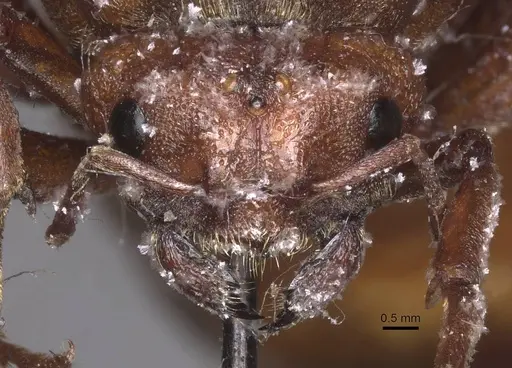
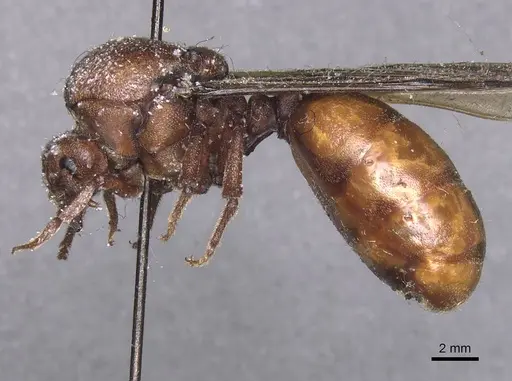
Carebara ampla is an ant species of the genus Carebara. It is primarily documented in 1 countries , including Zambia. Detailed taxonomic data and occurrence records can be further explored via authoritative databases such as AntWeb or the Global Biodiversity Information Facility (GBIF).
Carebara ampla
Carebara ampla is a tiny ant species native to the Democratic Republic of Congo, specifically recorded in the Haut-Katanga region [1]. As with other Carebara species, workers are very small, typically 1.5-3mm, making them among the smallest ants you'll encounter. The genus Carebara (formerly Pheidologeton) is known for their specialized predatory behavior, often hunting other ant species and their brood. These ants are heat-loving and originate from tropical African habitats where they nest in soil or under stones in warm, shaded areas.
Quick Summary
- Difficulty: Medium
- Origin & Habitat: Democratic Republic of Congo, specifically Haut-Katanga region. Found in tropical habitats with warm temperatures [1].
- Colony Type: Likely monogyne (single queen) based on typical genus patterns. Colony size can reach several hundred workers in mature colonies.
- Colony: Monogyne
- Founding: Claustral
- Size & Growth:
- Queen: Estimated 5-7mm based on genus patterns
- Worker: Estimated 1.5-3mm based on genus patterns
- Colony: Likely several hundred workers based on genus typical colony sizes
- Growth: Moderate, based on typical Carebara development patterns
- Development: Estimated 6-10 weeks at optimal temperature based on related species (Development time is estimated from genus-level data since species-specific studies are not available)
- Antkeeping:
- Temperature: Keep at 24-28°C. These are tropical ants that need warm conditions. A heating cable on one side of the nest creates a suitable gradient.
- Humidity: Moderate humidity around 50-70%. Keep the nest substrate slightly moist but allow some drying between waterings. Avoid waterlogging.
- Diapause: No, as a tropical species, they do not require hibernation. Keep them warm year-round.
- Nesting: Use a Y-tong (AAC) nest or test tube setup with tight chambers scaled to their tiny size. Naturalistic setups with moist substrate also work well. Their small size means escape prevention must be excellent, use fine mesh barriers.
- Behavior: These ants are predatory and primarily hunt other small insects and ant species. Workers are tiny but aggressive hunters. They may form raiding columns to target other ant colonies. Due to their very small size, escape prevention is critical, they can squeeze through remarkably small gaps. They are not aggressive toward humans and rarely sting.
- Common Issues: escape prevention is critical due to their tiny size, they can slip through standard barriers, predatory nature means they need live prey regularly, they may not accept dead food easily, slow founding phase means patience is required during colony establishment, tiny workers can drown in water feeders, use cotton wicks or gel waterers instead, wild-caught colonies may carry parasites that can devastate captive colonies
Housing and Nest Setup
Carebara ampla requires careful housing due to their minute size. A Y-tong (AAC) nest with narrow chambers works well, or you can use a test tube setup with multiple backup tubes. The chambers should be appropriately scaled, tiny passages and small water reservoirs. Escape prevention is absolutely critical: standard barrier methods may not work because they can squeeze through gaps as small as 0.5mm. Use fine mesh (at least 0.5mm holes or smaller) on all openings and consider applying fluon to the inner rim of the outworld. A small outworld connected to the nest works best, too much open space can overwhelm these tiny workers.
Feeding and Diet
Carebara ampla is predatory and should be fed small live prey. Based on typical genus behavior, they accept small insects like fruit flies, pinhead crickets, and most importantly, other ant species and their brood. You can offer small live prey like springtails, which are an excellent staple food. They may also accept protein jelly or crushed insects. Sugar sources are not typically important for this genus, they get their energy from protein-rich prey. Feed small amounts every 2-3 days and remove uneaten prey within 24 hours to prevent mold.
Temperature and Heating
As a tropical species from the DRC, Carebara ampla needs warm conditions. Maintain temperatures between 24-28°C in the nest area. You can achieve this with a small heating cable placed on top of the nest (never underneath as it can dry out the nest too quickly). Room temperature may be sufficient if your home is naturally warm, but most keepers need supplemental heating. Monitor with a digital thermometer and adjust to keep the nest within range. Avoid temperatures above 32°C as this can stress or kill the colony.
Colony Establishment and Growth
Starting a Carebara ampla colony requires patience. A founding queen will seal herself in a small chamber and raise her first workers (nanitics) over several months. During this claustral phase, she needs complete darkness and minimal disturbance. Once workers emerge, they will begin foraging and the colony grows gradually. Expect slow growth initially, the first 10-20 workers may take 3-6 months. Growth rate is moderate, with colonies potentially reaching several hundred workers over 1-2 years under good conditions. Do not disturb the founding chamber during the founding phase.
Water and Humidity
Keep nest substrate moderately moist, damp but not waterlogged. A small water tube with a cotton wick provides drinking water without drowning risk. For the tiny workers, standard water feeders can be deadly because they can fall in and drown. Replace the water tube regularly to prevent bacterial growth. Some areas of the nest should be slightly drier so ants can choose their preferred humidity zone.
Frequently Asked Questions
How long does it take for Carebara ampla to get first workers?
Expect 6-10 weeks from egg to first worker at optimal temperature (24-28°C). The founding queen will remain sealed in her chamber until the first nanitics emerge. This timeline is estimated from genus-level data since species-specific development studies are not available.
What do Carebara ampla ants eat?
They are predatory and need live small prey. Feed them small insects like fruit flies, pinhead crickets, and springtails. They may also accept other ant species and their brood. Protein jelly can sometimes be accepted. Sugar water is not typically important for this genus.
Do Carebara ampla ants sting?
Due to their tiny size, their sting is not significant to humans. They are not aggressive toward keepers and rarely attempt to sting.
What temperature do Carebara ampla ants need?
Keep them at 24-28°C. These are tropical ants that need warm conditions year-round. A small heating cable on top of the nest can help maintain optimal temperature.
How big do Carebara ampla colonies get?
Mature colonies likely reach several hundred workers. This is estimated from typical Carebara genus colony sizes since species-specific data is not available.
Do Carebara ampla need hibernation?
No, they do not require hibernation. As a tropical species from the DRC, they need warm conditions year-round. Do not expose them to cold temperatures.
Why are my Carebara ampla escaping?
Their tiny size allows them to escape through remarkably small gaps. Use fine mesh (0.5mm or smaller) on all openings and apply fluon barrier to the inner rim of the outworld. Check all connections and tube fittings for gaps.
Can I keep multiple Carebara ampla queens together?
This species is likely monogyne (single queen). Combining unrelated queens is not recommended as they likely will fight. Allow only one queen per colony setup.
When should I move Carebara ampla to a formicarium?
Keep them in a test tube or small Y-tong nest until the colony reaches at least 50-100 workers. Moving too early can stress the colony. When moving, connect the new nest to the outworld and let them relocate naturally.
Are Carebara ampla good for beginners?
They are rated as medium difficulty. Their tiny size and specific temperature and escape prevention requirements make them better suited for keepers with some experience. Beginners should master easier species first.
References

This caresheet is licensed under CC BY-SA 4.0 .
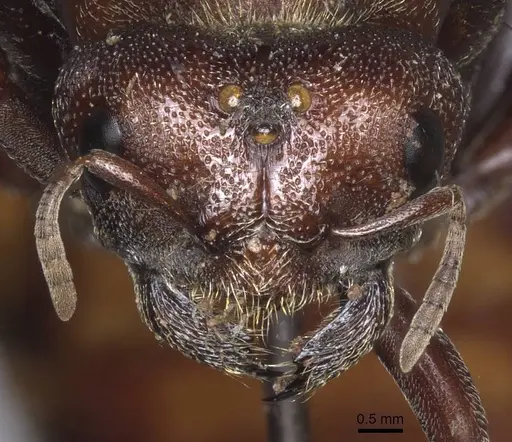
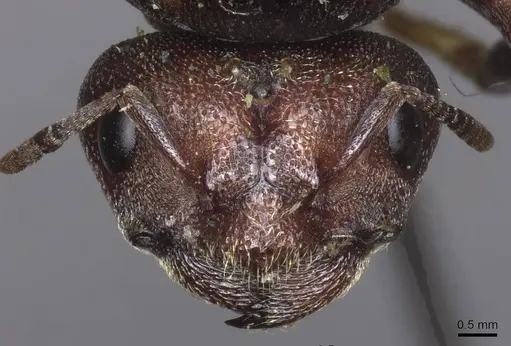
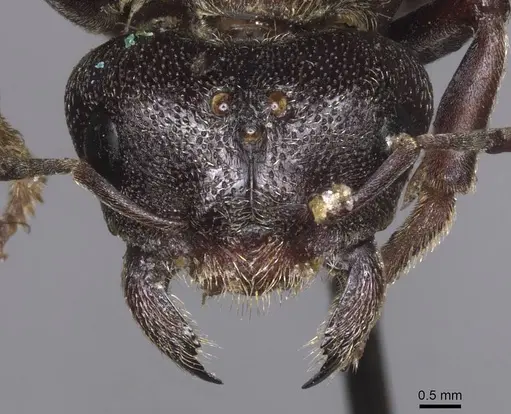
CASENT0913477
View on AntWeb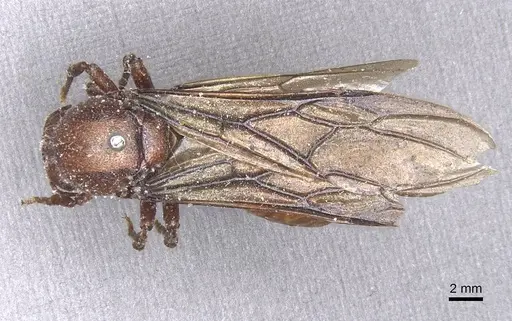
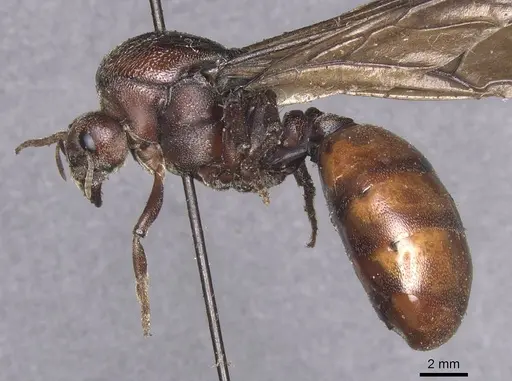
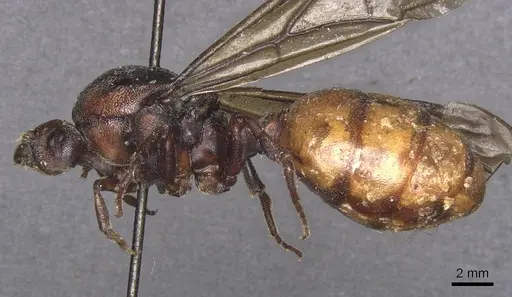
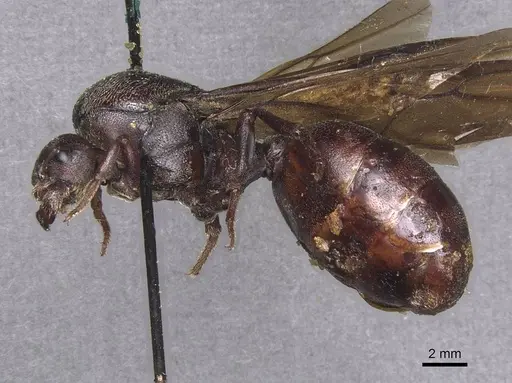
CASENT0913478
View on AntWeb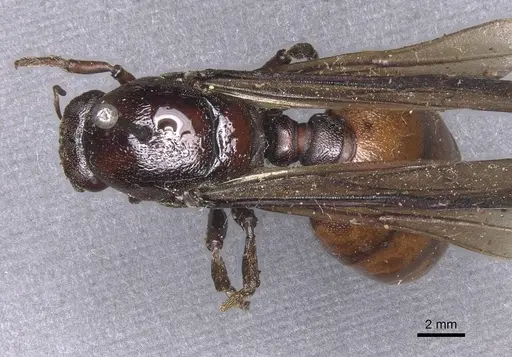
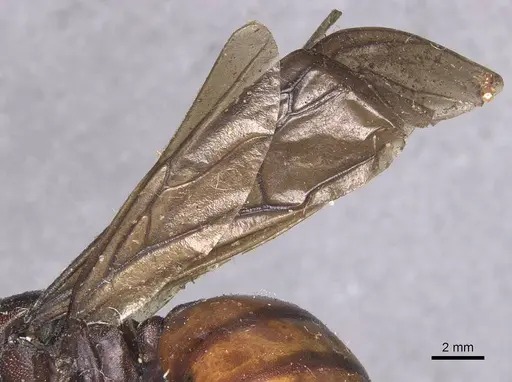
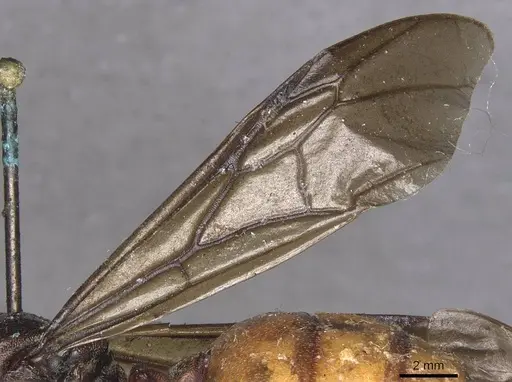
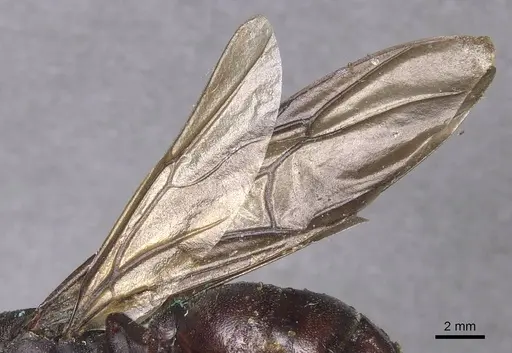
CASENT0913479
View on AntWeb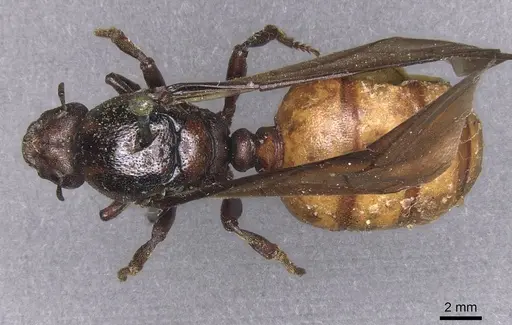
CASENT0913480
View on AntWeb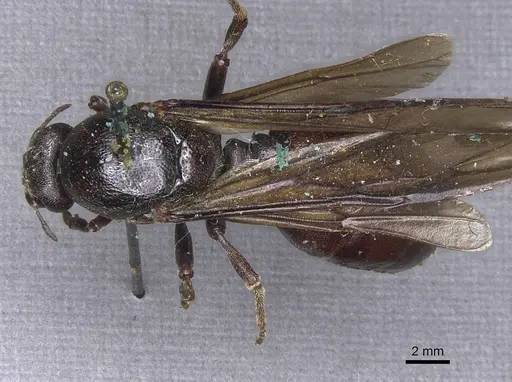
Literature
Loading...Loading products...