

Carebara altinodus
- Scientific Name
- Carebara altinodus
- Tribe
- Crematogastrini
- Subfamily
- Myrmicinae
- Author
- Xu, 2003
- Distribution
- Found in 2 countries
Carebara altinodus Overview
Carebara altinodus is an ant species of the genus Carebara. It is primarily documented in 2 countries , including China, Lao People's Democratic Republic. Detailed taxonomic data and occurrence records can be further explored via authoritative databases such as AntWeb or the Global Biodiversity Information Facility (GBIF).
Carebara altinodus
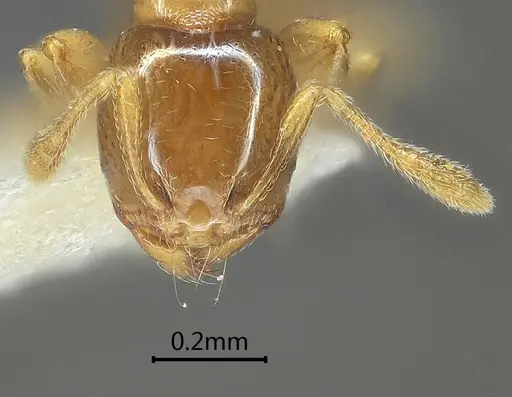
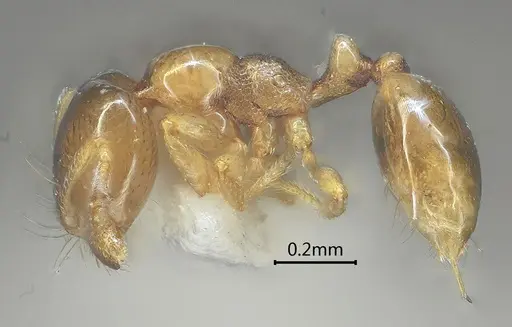
Carebara altinodus is a tiny myrmicine ant native to southern and southwestern China. Workers measure just 1.3-1.5mm for minor workers and 3.6-4.5mm for major workers (soldiers), making them one of the smaller ant species you'll encounter [1]. The head is slightly longer than wide, and the mandibles have 5 teeth. Major workers can have tiny horns on the back of the head, though this varies. Body color is reddish brown to yellowish, with darker head and gaster in some individuals. This species was originally described as Carebara altinodus in 2003 before being reclassified to Carebara in 2012 [1].
What makes this species interesting is its elevational preference, it's found at around 1500m in conifer-broadleaf mixed forests in Yunnan Province [1]. This suggests it prefers cooler, more humid conditions than many tropical ants. The species has since been recorded from multiple Chinese provinces including Hainan, Jiangxi, and Xizang [2][3].
Quick Summary
- Difficulty: Unknown, likely Moderate to Hard
- Origin & Habitat: Southern and southwestern China (Yunnan, Hainan, Jiangxi, Xizang). Found in conifer-broadleaf mixed forests at approximately 1500m elevation [1].
- Colony Type: Unconfirmed colony structure. Based on genus patterns, likely single-queen colonies but this has not been documented for this specific species.
- Size & Growth:
- Queen: Not documented in available literature, likely 4-6mm based on genus estimates
- Worker: Minor workers: 1.3-1.5mm. Major workers (soldiers): 3.6-4.5mm [1]
- Colony: Unknown, likely under 500 workers based on typical Carebara colony sizes
- Growth: Unknown, likely moderate based on genus patterns
- Development: Unknown, estimated 6-10 weeks based on related Myrmicinae species at optimal temperature (No direct development data available for this species. Estimates based on genus-level patterns for small Myrmicinae ants.)
- Antkeeping:
- Temperature: Likely prefers moderate temperatures (18-24°C) based on its high-elevation forest habitat. Start around 20-22°C and observe colony activity. Avoid overheating.
- Humidity: Requires moderate to high humidity (60-80%) matching its forest floor origin. Keep nest substrate consistently moist but not waterlogged.
- Diapause: Likely requires a winter rest period (diapause) given its distribution in temperate-to-subtropical China. Provide 2-3 months at 10-15°C during winter.
- Nesting: No captive nesting data exists. In nature, likely nests in soil or rotting wood in forest habitats. A naturalistic setup with soil substrate or a Y-tong/plaster nest with moisture retention works well.
- Behavior: Behavior is undocumented in captivity. Based on genus patterns, they are likely predatory on small invertebrates and may tend honeydew-producing insects. Their tiny size makes them vulnerable and somewhat reclusive. Major workers (soldiers) are present in this species, suggesting they may use them for colony defense. Escape prevention is critical due to their very small size, use fine mesh barriers.
- Common Issues: tiny size makes escape likely without fine mesh barriers, no captive husbandry data exists, experimental care required, slow colony growth may frustrate beginners, winter diapause requirements are uncertain but likely necessary, predatory diet may be difficult to satisfy with appropriate live prey
Nest Preferences
No captive nesting data exists for Carebara altinodus. In nature, they have been collected from conifer-broadleaf mixed forest habitats at elevations around 1500m [1]. This suggests they prefer cool, humid forest floor conditions with access to soil and decaying wood. For captivity, a naturalistic setup with a moist soil substrate works well, this allows for natural tunneling behavior and maintains humidity. Alternatively, a Y-tong (acrylic) or plaster nest with a water reservoir can provide the moisture retention they need. Given their tiny size, chambers and tunnels should be appropriately scaled, avoid large, open spaces that might stress the colony. A small test tube setup can work for founding colonies, but be prepared to move them to a more spacious setup as the colony grows.
Feeding and Diet
Carebara ants are typically predatory, feeding on small invertebrates like springtails, mites, and other micro-arthropods [1]. This species almost certainly requires live prey to thrive, frozen or pre-killed insects are unlikely to be accepted. Feed small live prey items like springtails, fruit flies, and tiny crickets. Based on genus patterns, they may also accept honeydew from aphids or scale insects, so occasional sugar water or honey offerings are worth trying. Feed small prey items 2-3 times per week, adjusting based on colony size and consumption rate. Remove uneaten prey within 24 hours to prevent mold issues. Given their tiny size, prey items should be appropriately scaled, anything larger than their head is likely ignored.
Temperature and Seasonal Care
This species comes from moderate elevations in southern China, so it likely prefers cooler conditions than many tropical ants. Aim for temperatures around 20-22°C as a starting point. Monitor colony behavior, if workers are consistently clustered together, they may want it warmer, if they avoid heated areas, reduce temperature. A heating cable on one side of the nest can create a useful temperature gradient. Based on its distribution in temperate-to-subtropical China, this species almost certainly requires a winter rest period. Provide 2-3 months of cooler temperatures (10-15°C) during winter months. Do not feed during diapause and keep moisture levels stable, the colony will be less active but still needs humidity. Resume normal feeding and temperatures gradually in spring. [1]
Behavior and Temperament
Specific behavioral observations for this species are not documented in available literature. However, Carebara species in general are known for being secretive and somewhat reclusive, often nesting in concealed locations. The presence of major workers (soldiers) in this species suggests they have some defensive capabilities, though the stinger is likely too small to penetrate human skin. Their tiny size means they are vulnerable and may be easily stressed by excessive disturbance. Handle minimally and avoid exposing the nest to direct light or vibrations. Escape prevention is critical, these ants are extremely small and can squeeze through standard barrier materials. Use fine mesh (at least 0.5mm) and ensure all openings are sealed. [1]
Frequently Asked Questions
How long does it take for Carebara altinodus to produce first workers?
The egg-to-worker timeline is unconfirmed for this species. Based on related Myrmicinae ants, expect approximately 6-10 weeks from egg to first worker at optimal temperature (around 20-22°C). This is an estimate, actual times may vary.
What do Carebara altinodus ants eat?
Based on genus patterns, they are predatory and need small live prey like springtails, fruit flies, and micro-arthropods. They may also accept honeydew from aphids. Feed live prey 2-3 times per week and remove uneaten food promptly.
Do Carebara altinodus ants sting?
They likely have a stinger like all Myrmicinae ants, but it is probably too small to penetrate human skin. These ants are not considered dangerous to humans.
What temperature do Carebara altinodus ants need?
Based on their high-elevation forest habitat, aim for moderate temperatures around 20-22°C. Avoid overheating. A temperature gradient allows the colony to choose its preferred zone.
Do Carebara altinodus ants need hibernation?
Likely yes, based on their distribution in temperate-to-subtropical China, they probably need a winter rest period of 2-3 months at 10-15°C. Provide this diapause period during winter.
Are Carebara altinodus good for beginners?
This species is not recommended for beginners. No captive husbandry data exists, they are extremely tiny (escape risk is very high), and their care requirements are not well documented. Consider starting with more established species like Lasius or Tetramorium.
How big do Carebara altinodus colonies get?
Colony size is unconfirmed for this species. Based on typical Carebara patterns, colonies likely reach a few hundred workers at most. Growth is likely slow to moderate.
Can I keep multiple Carebara altinodus queens together?
Colony structure is unconfirmed for this species. Based on genus patterns, single-queen colonies are likely. Combining unrelated queens is not recommended without documented evidence of polygyny.
Why are my Carebara altinodus dying?
Common causes include: escape due to inadequate barrier mesh, improper humidity (too dry or too wet), temperature stress, and insufficient live prey. This species has no captive husbandry track record, so experimental care carries high risk. Ensure fine mesh barriers, consistent moisture, moderate temperatures, and regular live prey offerings.
References

This caresheet is licensed under CC BY-SA 4.0 .
ANTWEB1060552
View on AntWeb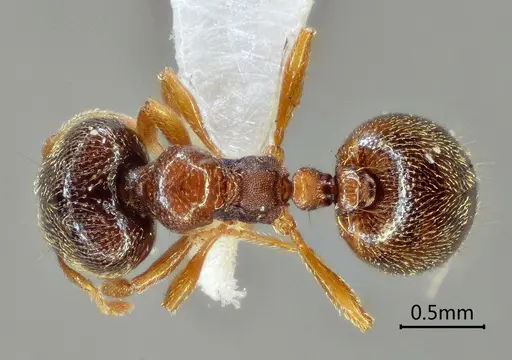
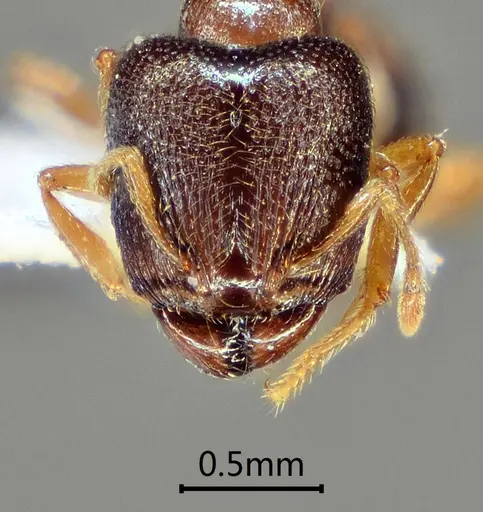
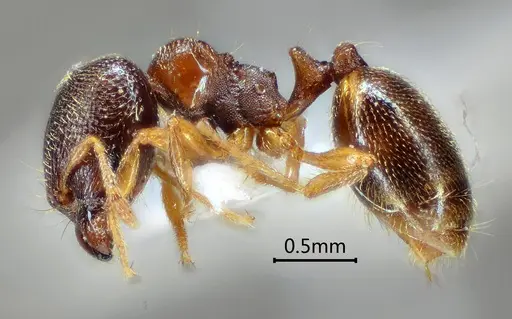
ANTWEB1060553
View on AntWeb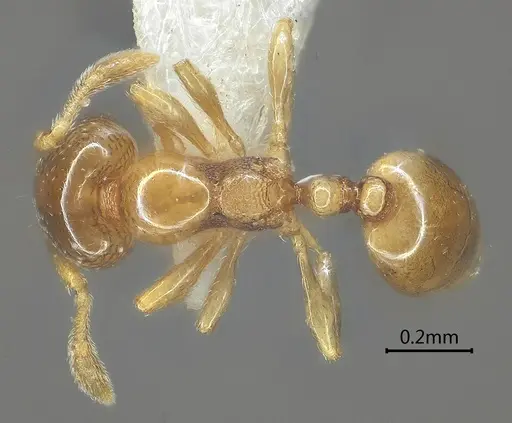
Literature
Loading...Loading products...