

Carebara affinis
- Scientific Name
- Carebara affinis
- Tribe
- Crematogastrini
- Subfamily
- Myrmicinae
- Author
- Jerdon, 1851
- Distribution
- Found in 11 countries
Carebara affinis Overview
Carebara affinis is an ant species of the genus Carebara. It is primarily documented in 11 countries , including Australia, Brunei Darussalam, China. Detailed taxonomic data and occurrence records can be further explored via authoritative databases such as AntWeb or the Global Biodiversity Information Facility (GBIF).
Carebara affinis
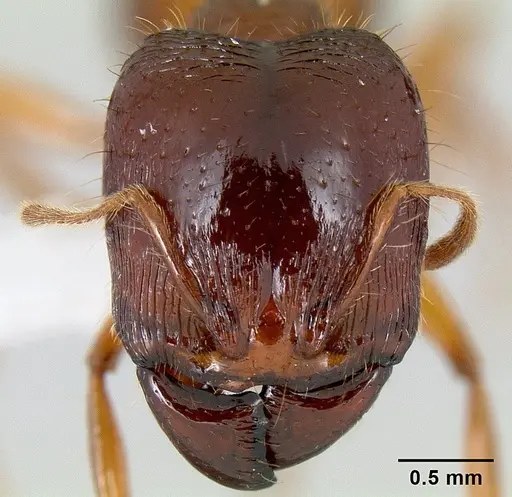
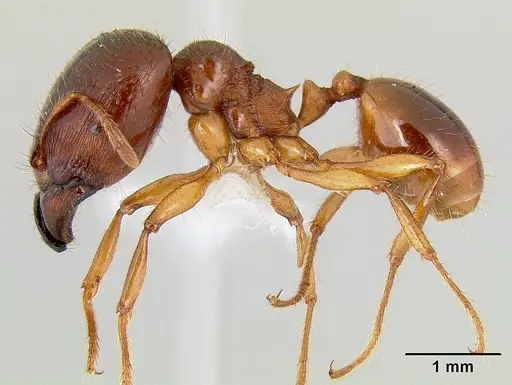
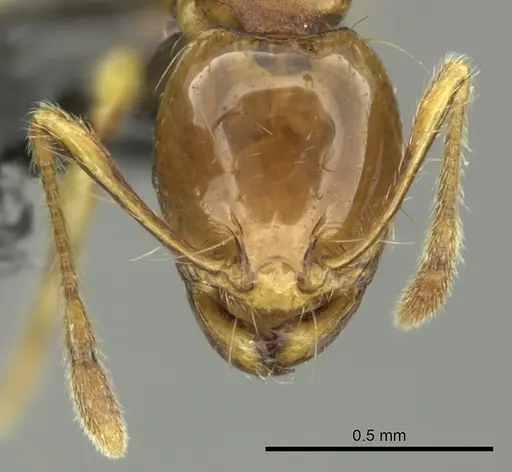
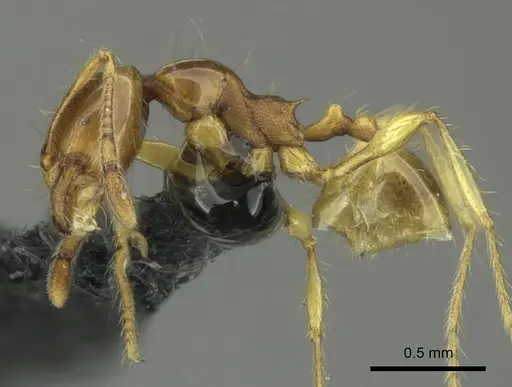
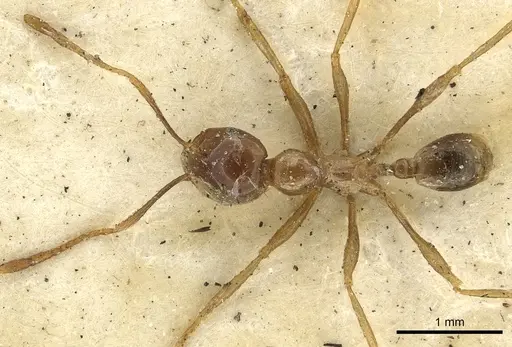
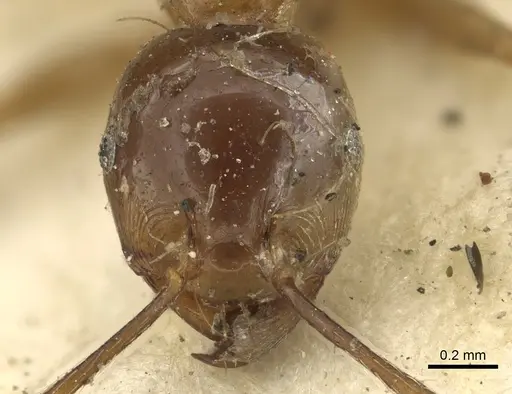
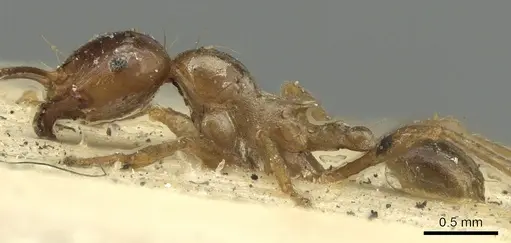
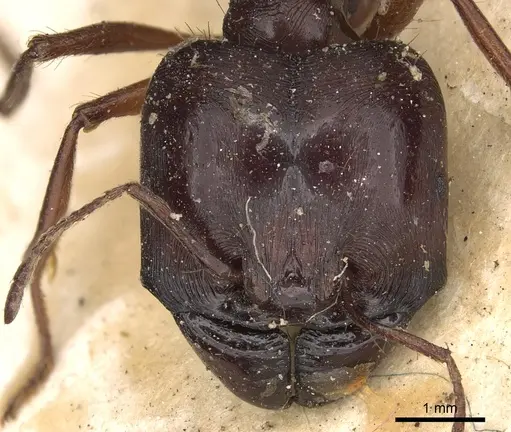
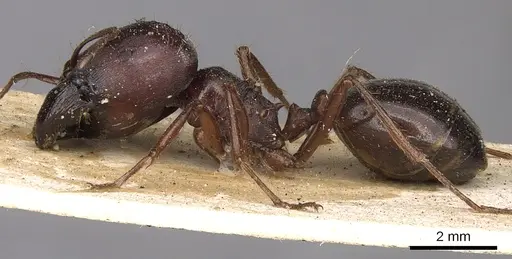
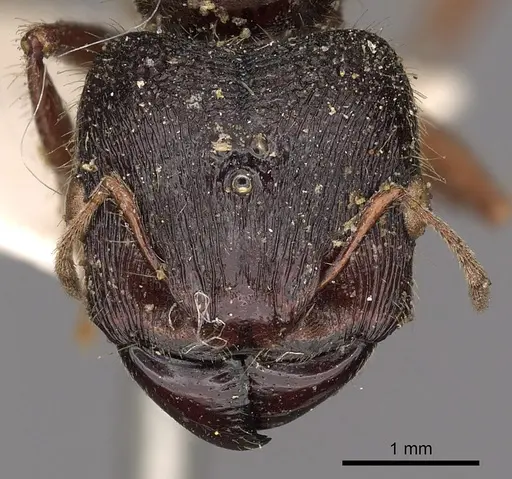
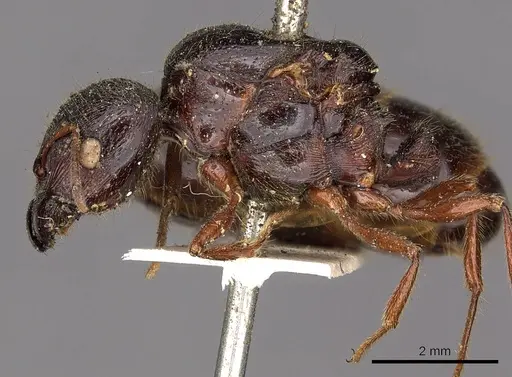
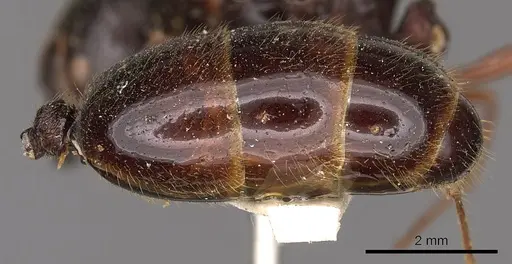
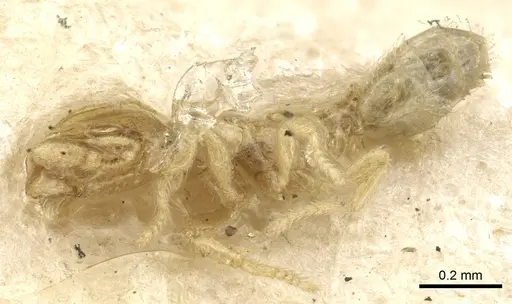
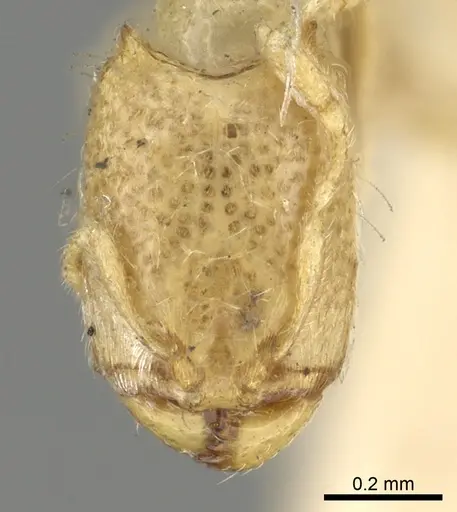
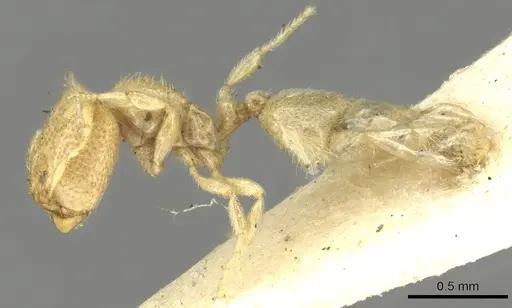
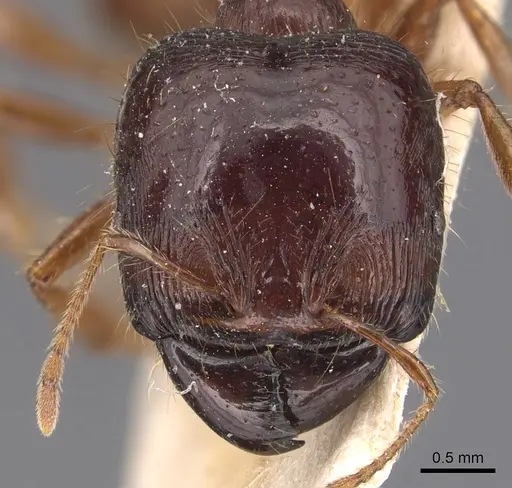
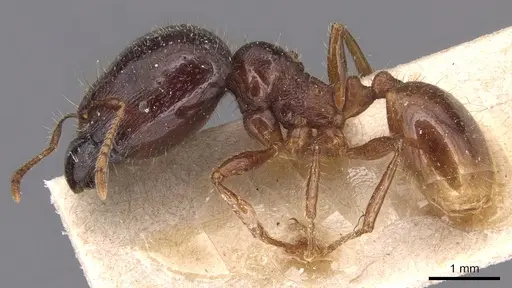
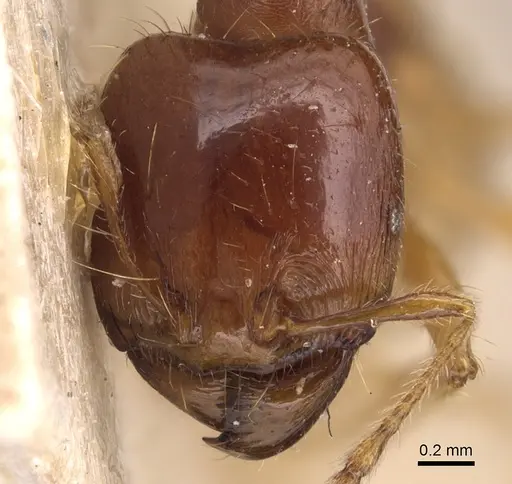
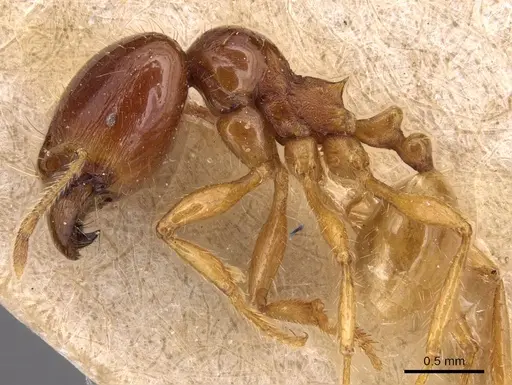
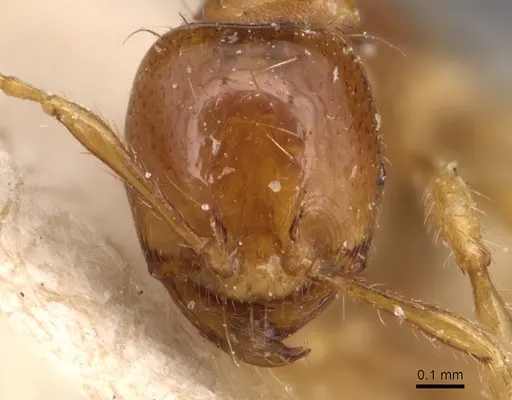
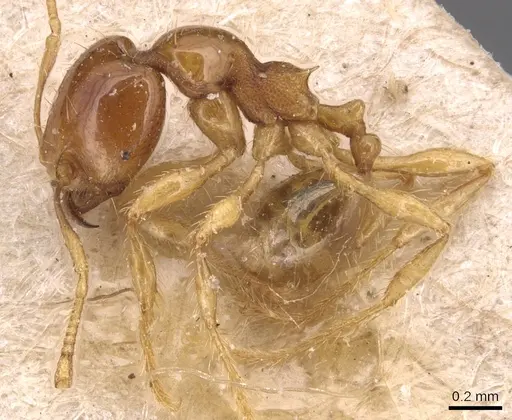
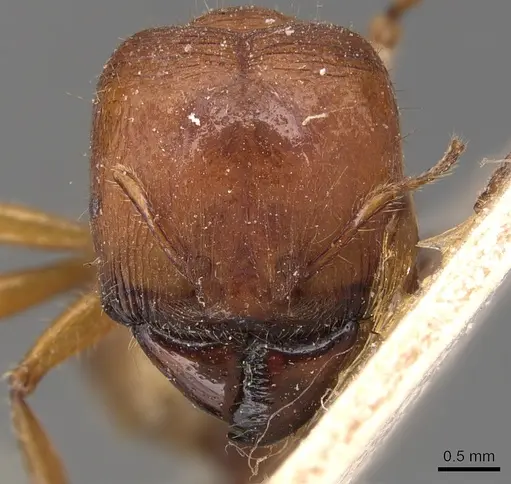
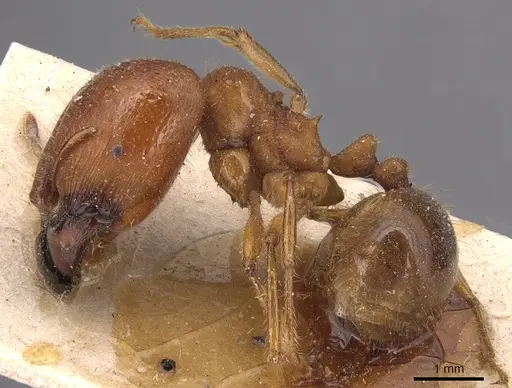
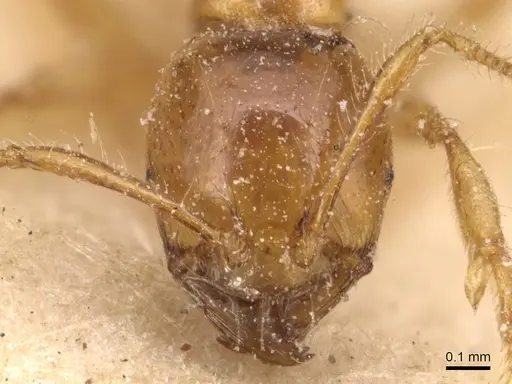
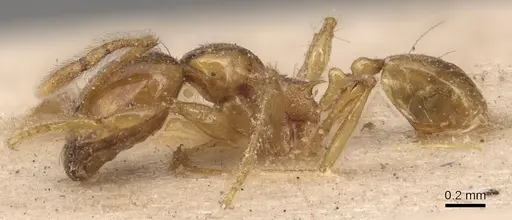
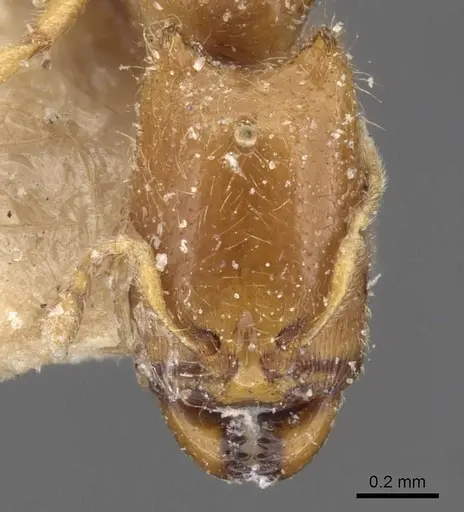
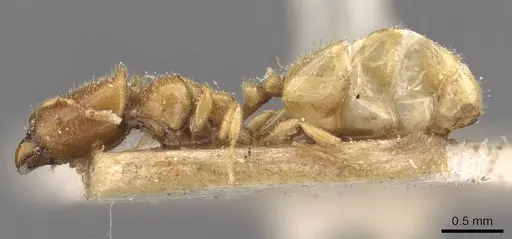
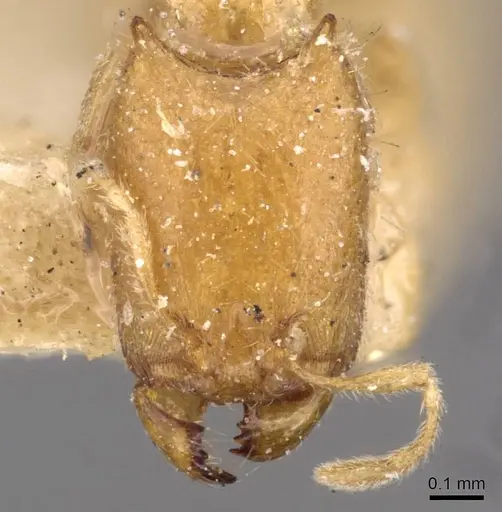
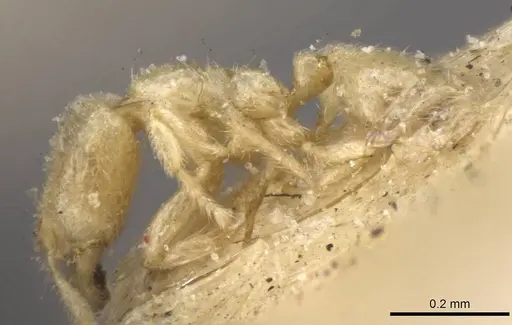
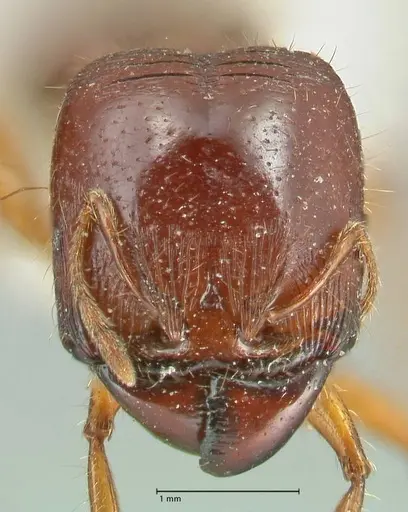
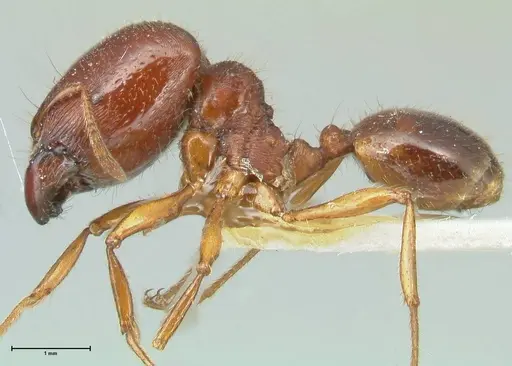
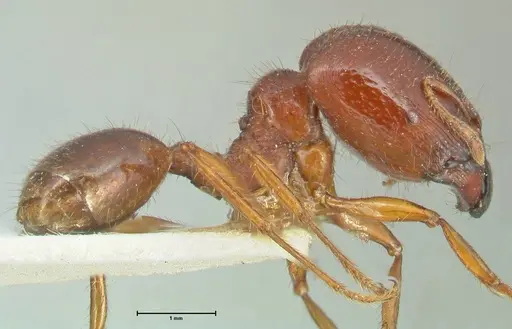
Carebara affinis is a polymorphic myrmicine ant formerly known as Carebara affinis, widely distributed across South and Southeast Asia, from India through Indonesia to northern Australia [1]. These ants display remarkable size polymorphism, colonies produce tiny minor workers at around 1mm alongside massive soldier majors with enlarged heads reaching nearly 2mm wide [2]. Workers are reddish-brown with smooth, polished bodies, while soldiers feature distinctly enlarged heads used for defense and food processing [3]. This species is a dominant ground-nesting ant in tropical regions, known for its aggressive foraging behavior and ability to establish large colonies in disturbed areas [4].
Quick Summary
- Difficulty: Medium
- Origin & Habitat: Native to the Indomalayan and Australasian regions, found across India, Bangladesh, Sri Lanka, Thailand, Laos, Malaysia, Indonesia, Philippines, Brunei, Myanmar, China (Guangxi, Guangdong, Hainan, Hong Kong, Taiwan, Yunnan), Papua New Guinea, and northern Australia [1][5]. Inhabits lowland dipterocarp forests, tropical rainforests, agricultural areas, and highly disturbed urban environments [6][7]. Nests in soil under stones, bricks, flowerpots, and leaf litter [8][9].
- Colony Type: Facultatively polygynous, colonies can have single or multiple queens. Research shows both polygynous and monogynous colonies occur naturally, with polygynous colonies appearing to be incipient colonies suggesting pleometrotic colony foundation (multiple queens founding together) [10][11].
- Colony: Optionally polygyne
- Founding: Pleometrosis
- Size & Growth:
- Queen: Estimated 8-12mm based on related Carebara species, not directly measured in available studies
- Worker: Minor workers: 1.0mm body length [12], Major soldiers: 5-11mm [3]
- Colony: Colonies can reach several thousand workers given their dominance in tropical ecosystems and nest densities of ~2400 nests per hectare in suitable habitat [12]
- Growth: Moderate to fast, tropical species with year-round activity in warm climates
- Development: Estimated 4-6 weeks at tropical temperatures (25-30°C) based on typical Myrmicinae development [13] (Development is likely faster than temperate species due to tropical origin. Polymorphic caste development may take longer for major soldiers.)
- Antkeeping:
- Temperature: Keep at 24-30°C, these are tropical ants that thrive in warm, humid conditions. Room temperature (24-26°C) is typically suitable. Avoid temperatures below 20°C as this species is adapted to constant warmth [13]
- Humidity: Requires moderate to high humidity (60-80%). Keep nest substrate consistently moist but not waterlogged. Their natural habitat includes tropical forests with damp soil conditions. Mist occasionally and ensure water access [13]
- Diapause: No, as a tropical species, they do not require hibernation. Activity may slow slightly during cooler periods but they remain active year-round in captivity [13]
- Nesting: Soil-nesting species that works well in naturalistic setups with moist substrate, or in Y-tong/plaster nests. Provide a layer of damp soil or sand mixed with coco fiber. They will excavate chambers and create tunnel networks. Acceptable nest types include naturalistic setups with soil substrate, acrylic nests with moisture chambers, or plaster nests [8][12].
- Behavior: Carebara affinis is an aggressive, dominant ant species known for vigorous foraging and colony defense. Workers are highly active foragers that scavenge for food and will quickly monopolize baits. They build extensive underground tunnel networks and may construct covered ways during colony movements [8]. Major soldiers with enlarged heads defend the colony and help process food. They are not escape artists per se but their small worker size (1mm) means fine mesh barriers are recommended. These ants can be defensive when their nest is disturbed, majors will readily attack threats. They show both terrestrial and subterranean foraging behaviors [14].
- Common Issues: humidity management is critical, too dry and colonies will decline, too wet can cause fungal growth, their small worker size (1mm) means escape prevention requires fine mesh barriers regardless of colony behavior, colonies can be aggressive and may stress other ant species if housed in shared spaces, tropical temperature requirements mean they cannot tolerate cool rooms, heating may be necessary in temperate climates, polymorphic colony structure means slower initial growth as soldiers require more resources to develop
Housing and Nest Setup
Carebara affinis is a soil-nesting ant that does well in naturalistic setups with a deep substrate layer. Use a mixture of soil and coco fiber or sand to create a moist, diggable medium at least 5-8cm deep. These ants will excavate their own chambers similar to their natural nest architecture with 3-4 chambers at varying depths [12]. Alternatively, acrylic nests with moisture chambers work well, keep one area damp while allowing drier areas for the ants to regulate humidity. Provide a water test tube with cotton as a primary hydration source. Since workers are only about 1mm tall, ensure all connections between outworld and nest are sealed with fine mesh or petroleum jelly barriers. A foraging area with leaf litter and soil encourages natural foraging behavior.
Feeding and Diet
This species is primarily a scavenger but also hunts small invertebrates. They will readily accept protein sources like crushed insects, mealworms, and small crickets. Their diet in the wild includes dead insects, seeds, and honeydew from aphids. In captivity, offer protein 2-3 times per week and keep a constant sugar source available (honey water or sugar water). The stable isotope study showed they have high δ15N values indicating a predatory/scavenging lifestyle [15]. They are attracted to a wide variety of baits including syrup, dried fish, palm oil, and boiled eggs [14]. Major soldiers help process larger food items with their powerful mandibles. Remove uneaten food after 24-48 hours to prevent mold.
Temperature and Humidity
As a tropical species, Carebara affinis requires warm temperatures between 24-30°C. They are native to regions with year-round warmth and will become sluggish below 24°C. Room temperature in most homes (24-26°C) is typically ideal. If needed, use a heating cable on one side of the nest to create a gentle gradient, never place heat directly on the nest as it can dry out the substrate and harm the colony. Humidity should be moderate to high (60-80%). Keep the substrate consistently moist, it should feel damp but not soggy. Check water levels in test tubes weekly and refill as needed. The nest substrate should never dry out completely. [13]
Colony Structure and Growth
Carebara affinis is polymorphic, colonies produce distinct worker castes. Minor workers are tiny (~1mm) and handle most daily tasks including foraging and caring for brood. Major soldiers have massively enlarged heads (nearly 4x wider than workers) and serve as defenders and food processors [2]. Colonies can be polygynous with multiple functional queens, though single-queen colonies also occur. Research indicates pleometrotic founding, multiple queens may establish a colony together, with some later being eliminated [10]. Growth is moderate, expect 6-12 months to reach 100 workers in good conditions. Mature colonies can contain several thousand individuals. The presence of Wolbachia bacteria has been documented in this species, which can affect reproduction [11].
Behavior and Defense
This is an aggressive, dominant ant species that competes vigorously for food resources. In studies, they won 100% of bait conflicts against other ant species and quickly monopolize food sources [16]. They construct extensive underground tunnel networks and may build covered passageways when relocating [8]. When threatened, major soldiers readily attack using their powerful mandibles. Workers are highly active foragers that search both above and below ground. They show both terrestrial and subterranean foraging behaviors [14]. Despite their aggressive defense, they are not particularly large or dangerous to humans, their sting is minimal and rarely used. The main concern for keepers is their escape ability due to tiny worker size.
Frequently Asked Questions
How long does it take for Carebara affinis to produce first workers?
At optimal tropical temperatures (25-30°C), expect first workers (nanitics) within 4-6 weeks after the queen lays eggs. This is typical for Myrmicinae species in warm conditions. Growth will slow if temperatures drop below 24°C.
Can I keep multiple queens together in one colony?
Yes, this species is facultatively polygynous, both single-queen and multi-queen colonies occur naturally. If combining unrelated foundress queens, introduce them at the same time before founding chambers are established. Monitor for aggression initially, as some queens may be eliminated.
What do Carebara affinis eat?
They are scavengers/predators. Offer protein sources like crushed insects, mealworms, or small crickets 2-3 times weekly. Keep a constant sugar source available (honey water or sugar water). They will also accept seeds and other organic matter. Remove uneaten food after 24-48 hours.
Do Carebara affinis ants sting?
They have a stinger but rarely use it against humans. The main defense is biting from major soldiers with their powerful mandibles. They are not considered dangerous to keepers, the concern is their small size making escape prevention important.
What temperature do they need?
Keep them at 24-30°C. Room temperature (24-26°C) is typically suitable. Avoid temperatures below 20°C as this tropical species is not cold-tolerant. A heating cable on part of the nest can provide extra warmth if needed.
Are Carebara affinis good for beginners?
They are intermediate difficulty. They are hardy once established but require warm, humid conditions typical of tropical ants. Their tiny worker size means escape prevention must be excellent. They are more challenging than basic species like Lasius but easier than some exotic requirements.
How big do colonies get?
Mature colonies can reach several thousand workers. In their natural habitat, nest density can reach ~2400 nests per hectare [12]. Expect 1-2 years to reach several hundred workers under good conditions.
Do they need hibernation?
No. As a tropical species, they do not require hibernation. They remain active year-round in captivity. Activity may slow slightly during cooler periods but they do not enter diapause.
Why are my ants escaping?
Carebara affinis minor workers are only about 1mm in size, they can squeeze through tiny gaps. Use fine mesh (at least 0.5mm) on all openings. Apply petroleum jelly or fluon to barrier surfaces. Check all tube connections and lid seals regularly.
When should I move them to a formicarium?
Start in a test tube setup for the founding stage. Once the colony reaches 50-100 workers and you see them excavating or producing major soldiers, transfer to a larger naturalistic setup or formicarium with soil substrate for tunneling.
References

This caresheet is licensed under CC BY-SA 4.0 .
CASENT0106016
View on AntWeb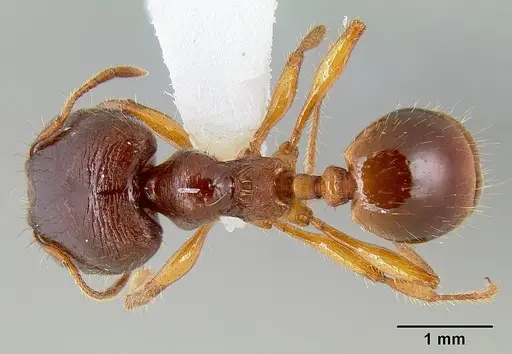
CASENT0270204
View on AntWeb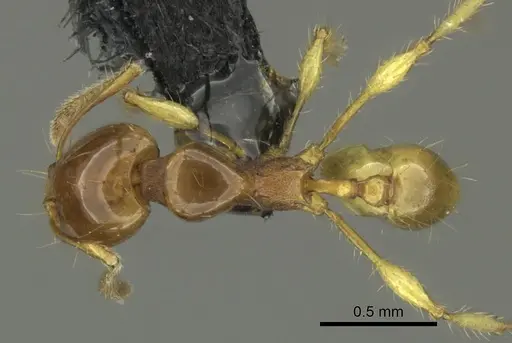
CASENT0901419
View on AntWeb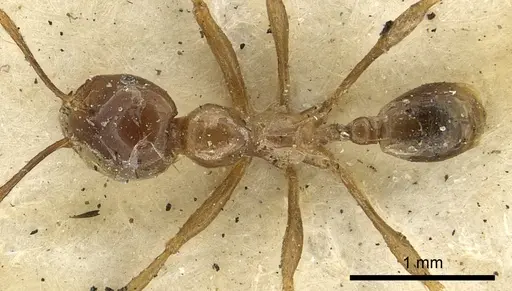
CASENT0901420
View on AntWeb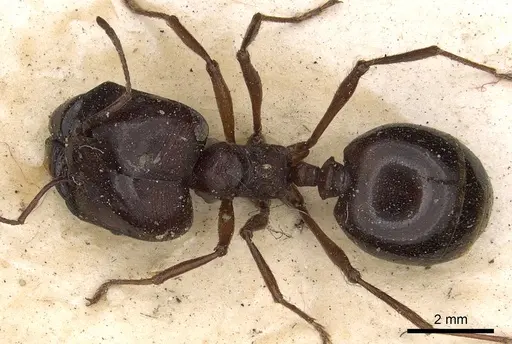
CASENT0901423
View on AntWeb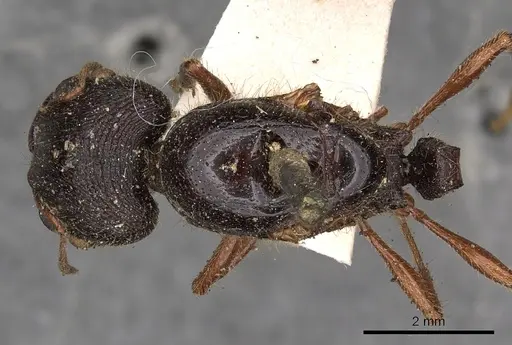
CASENT0902385
View on AntWeb
CASENT0902386
View on AntWeb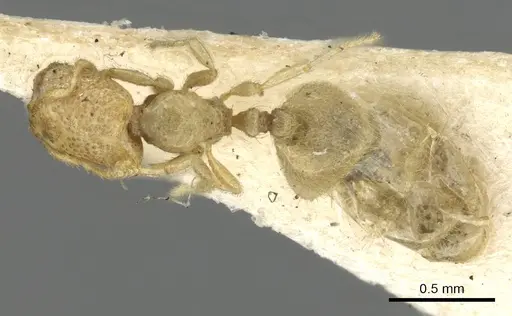
CASENT0904648
View on AntWeb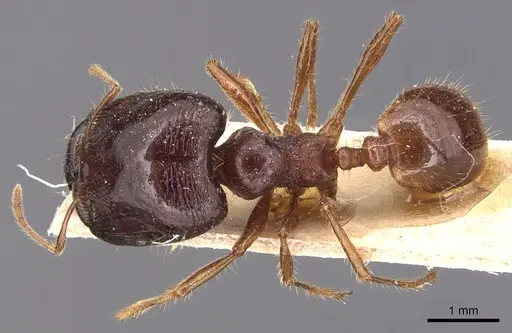
CASENT0904649
View on AntWeb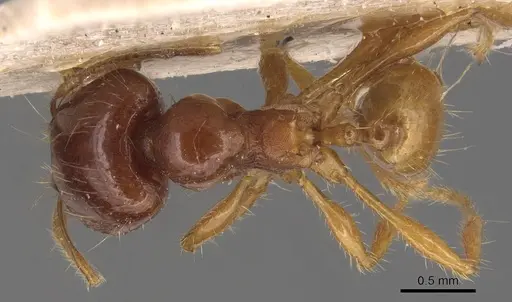
CASENT0904650
View on AntWeb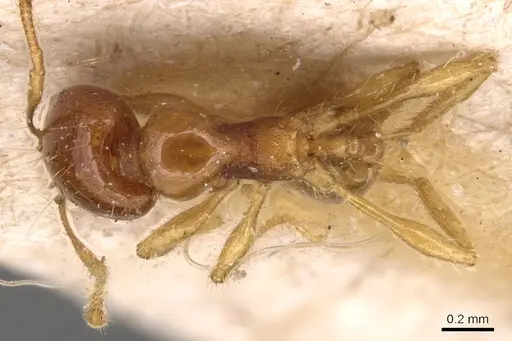
CASENT0904651
View on AntWeb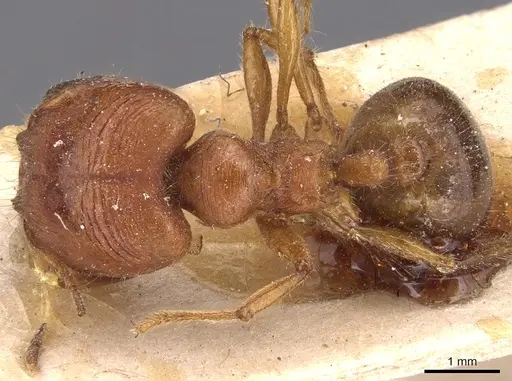
CASENT0904652
View on AntWeb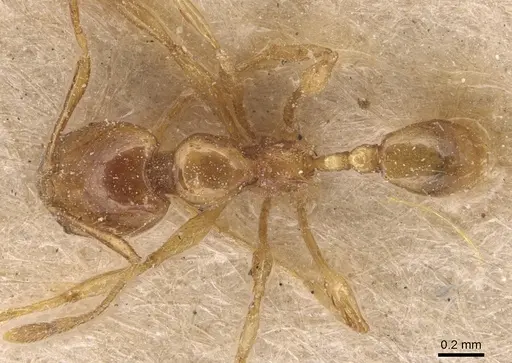
CASENT0908897
View on AntWeb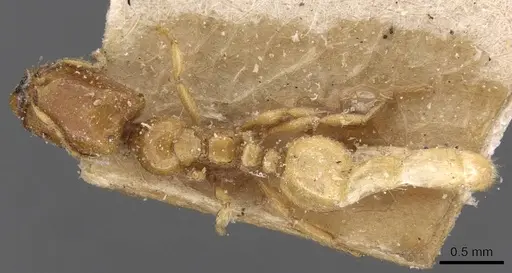
CASENT0908898
View on AntWeb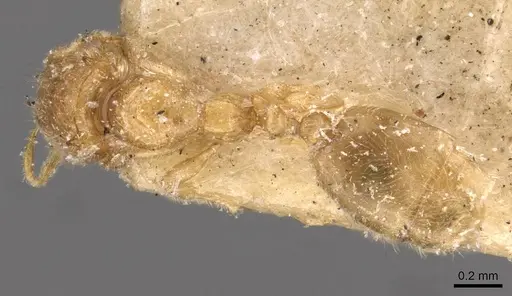
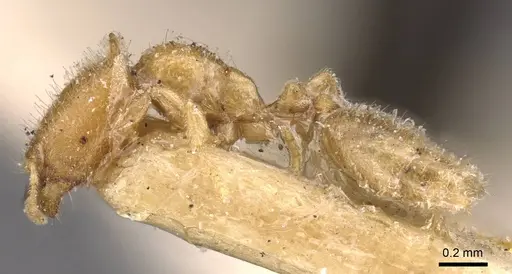
CASENT0908899
View on AntWeb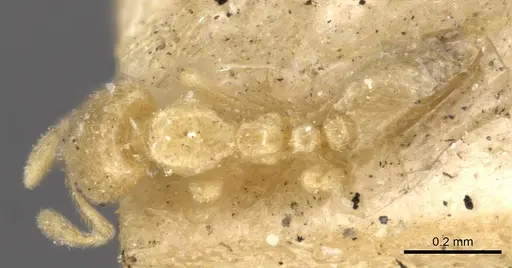
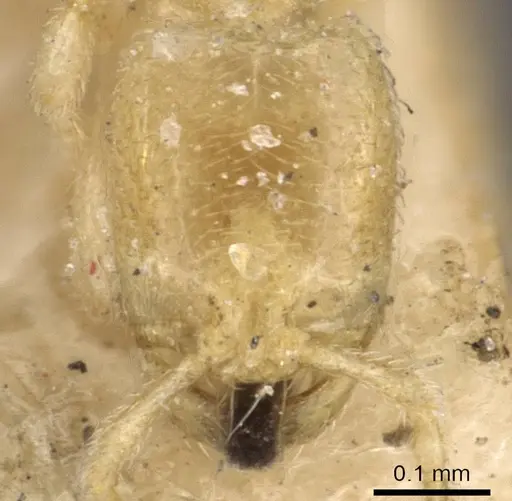
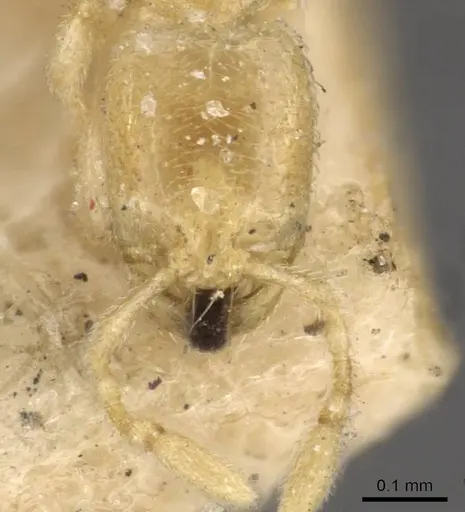
FOCOL1900
View on AntWeb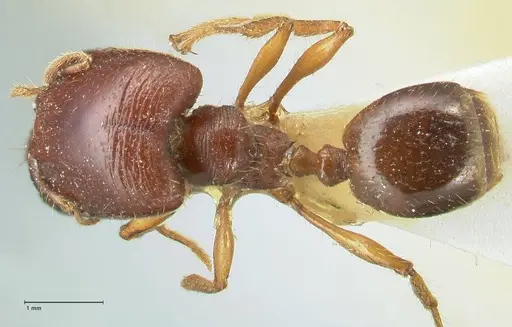
Literature
Loading...Loading products...