

Carebara acutispina
- Scientific Name
- Carebara acutispina
- Tribe
- Crematogastrini
- Subfamily
- Myrmicinae
- Author
- Xu, 2003
- Distribution
- Found in 1 countries
Carebara acutispina Overview
Carebara acutispina is an ant species of the genus Carebara. It is primarily documented in 1 countries , including Lao People's Democratic Republic. Detailed taxonomic data and occurrence records can be further explored via authoritative databases such as AntWeb or the Global Biodiversity Information Facility (GBIF).
Carebara acutispina
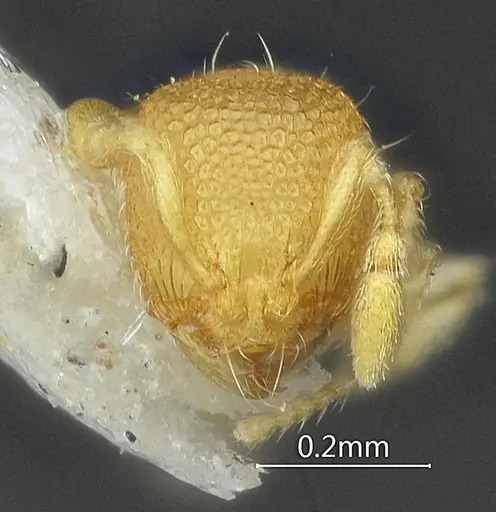
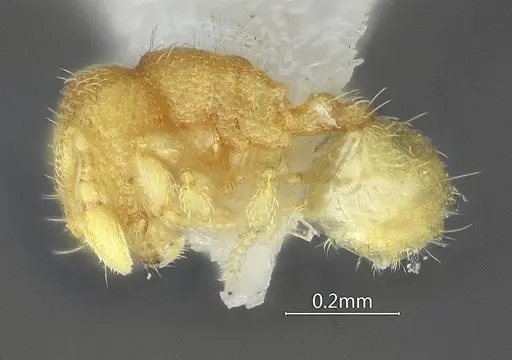
Carebara acutispina is an extremely tiny ant species native to southern China. Workers measure just 0.85-1.4mm in total length, making them among the smallest ants you can keep [1]. The species was originally described in 2003 from Yunnan Province and has since been found in Sichuan and Hainan Island [2]. Major workers (soldiers) have a distinctive pair of large pointed horns on the back of their head, while minor workers lack these horns entirely. Their body is pale yellow to yellow in color. This species belongs to the newly established Carebara acutispina species group and is closely related to Carebara wheeleri [3]. They live in monsoon evergreen broadleaf forests and mountain rainforests at elevations between 1100-1400 meters [4].
What makes this species particularly interesting is the dramatic size difference between castes, the major workers are nearly twice as large as minors. This size polymorphism is typical of the genus and serves different functions within the colony. However, Carebara acutispina remains one of the less studied ant species, with limited information available on their captive care requirements.
Quick Summary
- Difficulty: Unknown, likely Expert
- Origin & Habitat: Southern China (Yunnan, Sichuan, Hainan Island). Found in monsoon evergreen broadleaf forests and mountain rainforests at 1100-1400m elevation [1][2][4].
- Colony Type: Unconfirmed colony structure. Based on typical Carebara patterns, likely single-queen colonies (monogyne).
- Size & Growth:
- Queen: Not described in original description, estimated 3-4mm based on genus patterns
- Worker: Major workers: 1.4mm TL, Minor workers: 0.85-0.93mm TL [1]
- Colony: Unknown, likely under 500 workers based on genus patterns
- Growth: Unknown, likely moderate based on small colony sizes typical of genus
- Development: Unknown, estimated 6-10 weeks based on related Myrmicinae species at optimal temperature (No direct development data available. Estimates based on genus-level patterns for small Myrmicinae ants.)
- Antkeeping:
- Temperature: Likely 22-28°C based on Chinese tropical-to-subtropical distribution. Provide a gentle temperature gradient.
- Humidity: High humidity preferred, think damp forest floor. Keep nest substrate consistently moist but not waterlogged.
- Diapause: Likely required given temperate/subtropical origin. Expect a winter rest period of 2-3 months at 10-15°C.
- Nesting: In nature they likely nest in soil or rotting wood in humid forest environments. Y-tong (AAC) nests or plaster nests with good moisture retention work well for tiny Myrmicinae.
- Behavior: These are tiny, cryptic ants that likely prefer to stay hidden within their nest. Escape prevention is critical due to their minute size, they can squeeze through standard mesh barriers. Foraging style is likely generalist, scavenging for small prey and honeydew like other Carebara species. Aggression level is low, they are not stinging ants and pose no danger to keepers. However, their small size makes them difficult to observe and handle.
- Common Issues: escape prevention is critical, they are tiny enough to squeeze through standard mesh barriers, slow colony growth may frustrate beginners expecting quick results, high humidity requirements can lead to mold problems if ventilation is poor, wild-caught colonies may have parasites that are difficult to detect, limited available information makes proper care challenging
Housing and Nest Setup
Given their extremely small size (under 1.5mm), Carebara acutispina requires specialized housing. Standard test tubes work for founding colonies, but you must use fine mesh barriers, these ants can squeeze through gaps that larger ants cannot pass. Y-tong (AAC) nests or plaster nests work well because they hold humidity well and provide appropriately scaled chambers. Avoid naturalistic setups with large open spaces, these tiny ants prefer tight, enclosed spaces. The nest should have a water reservoir to maintain humidity, as this species comes from damp forest environments. Because they are so small, observation can be difficult, consider using a magnifying glass or keeping them in a setup that allows close viewing. [1][3]
Feeding and Diet
Carebara species are generalist foragers that typically scavenge for small arthropods, honeydew, and nectar. In captivity, you should offer small live prey appropriate to their size, fruit flies, pinhead crickets, and tiny insects are ideal. Sugar sources like honey water or sugar water are likely accepted, though you should offer these in very small amounts in a shallow container to prevent drowning. Feed protein sources 2-3 times per week, and keep a sugar source available at all times. Remove uneaten food promptly to prevent mold in the humid environment they require. Because workers are so tiny, prey items must be appropriately sized, anything larger than the ants themselves will likely be ignored.
Temperature and Humidity
Based on their distribution in southern China, Carebara acutispina likely prefers warm conditions with high humidity. Aim for temperatures in the 22-28°C range, with a gentle gradient so ants can choose their preferred zone. A heating cable on one side of the nest can create this gradient. Humidity is critical, keep the nest substrate consistently moist but not waterlogged. The substrate should feel damp to the touch. In their natural monsoon evergreen broadleaf forest habitat, humidity is constantly high. Poor humidity will likely cause colony decline or death. However, balance humidity with adequate ventilation to prevent mold growth. [4]
Colony Dynamics and Growth
Carebara acutispina shows significant size polymorphism between major and minor workers. Major workers (soldiers) have distinctive horns on the back of their head and are nearly twice the size of minor workers. This polymorphism serves different colony functions, majors may defend the colony or process larger food items, while minors handle most foraging and brood care. Colony growth is likely slow, as is typical for small Myrmicinae species. Founding colonies will remain small for many months. Do not expect rapid population explosion. Patience is essential with this species. Maximum colony size is unknown but likely stays under several hundred workers based on genus patterns. [3][1]
Seasonal Care and Overwintering
As a species from temperate/subtropical China, Carebara acutispina likely requires a winter rest period. Reduce temperatures to 10-15°C for 2-3 months during winter, mimicking natural seasonal cycles. During this time, reduce feeding but do not let the nest dry out completely. Activity will slow significantly during this period, which is normal. Resume normal temperatures and feeding in spring. This diapause period is important for colony health and may trigger reproductive behavior. Do not skip the winter rest unless you are maintaining year-round warm conditions, even then, a slight temperature reduction during winter months is advisable.
Frequently Asked Questions
How long does it take for Carebara acutispina to produce first workers?
The exact timeline is unknown, but based on related Myrmicinae species, expect 6-10 weeks from egg to first worker at optimal temperature (around 24-26°C). Colony growth is slow, so be patient during the founding stage.
What do Carebara acutispina ants eat?
They are generalist scavengers. Offer small live prey like fruit flies, pinhead crickets, and other tiny insects. Sugar sources like honey water or sugar water are also likely accepted. Feed protein 2-3 times per week with constant access to sugar.
Do Carebara acutispina ants sting?
No, these ants are completely harmless to humans. They are too small to sting and pose no danger. Their tiny size makes them more vulnerable to predators than threatening.
How big do Carebara acutispina colonies get?
The maximum colony size is unknown but likely stays under several hundred workers based on genus patterns. This is a small colony species compared to many common ant pets.
What temperature do Carebara acutispina ants need?
Keep them warm at 22-28°C. A temperature gradient allows them to choose their preferred zone. They come from subtropical China and need consistent warmth.
Do Carebara acutispina need hibernation?
Likely yes, based on their temperate/subtropical origin, they probably need a winter rest period of 2-3 months at 10-15°C. This helps maintain natural cycles and may trigger reproduction.
Why are my Carebara acutispina escaping?
Their tiny size means they can squeeze through standard barriers. Use fine mesh, seal all gaps, and apply fluon or similar barriers. Escape prevention must be excellent with this species.
Is Carebara acutispina good for beginners?
No, this species is not recommended for beginners. Limited care information is available, their tiny size makes them difficult to keep and observe, and they have specific humidity requirements. Start with more documented species.
When should I move my Carebara acutispina colony to a formicarium?
Wait until the colony has at least 20-30 workers and is actively foraging. For this tiny species, a test tube setup can be maintained longer than for larger ants. Only move when the test tube becomes crowded.
Can I keep multiple Carebara acutispina queens together?
This has not been documented. Based on typical Carebara behavior, single-queen colonies are most likely. Do not attempt to combine unrelated queens without evidence they will tolerate each other.
References

This caresheet is licensed under CC BY-SA 4.0 .
ANTWEB1060550
View on AntWeb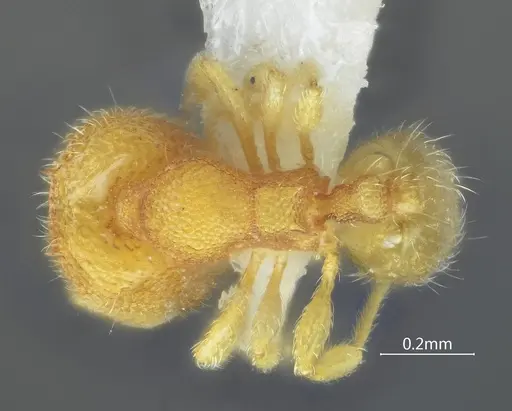
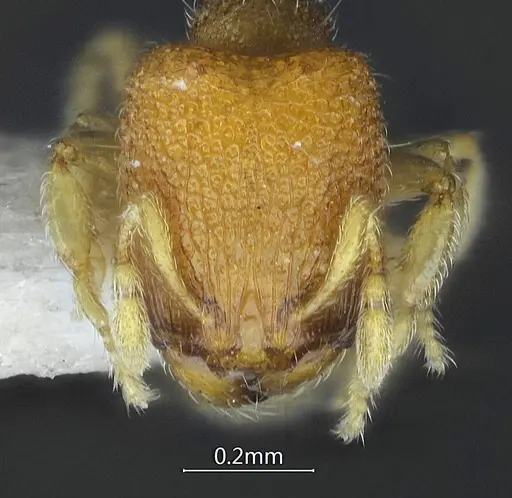
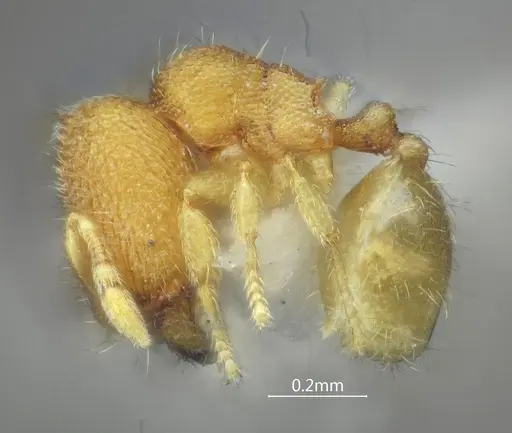
ANTWEB1060551
View on AntWeb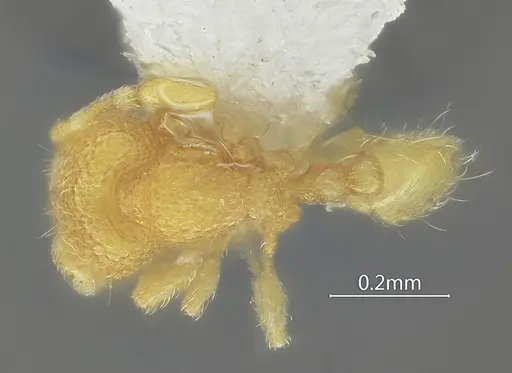
Literature
Loading...Loading products...