

Cardiocondyla venustula
- Scientific Name
- Cardiocondyla venustula
- Tribe
- Crematogastrini
- Subfamily
- Myrmicinae
- Author
- Wheeler, 1908
- Common Name
- Ant
- Distribution
- Found in 8 countries
Cardiocondyla venustula Overview
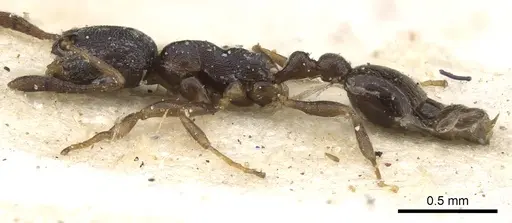
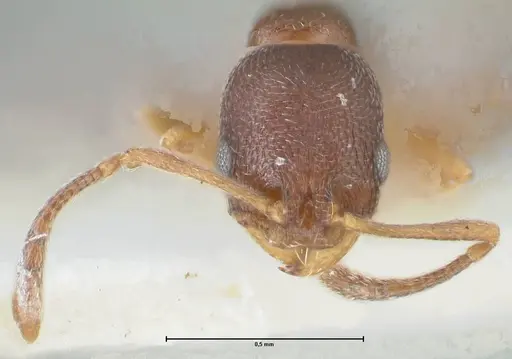
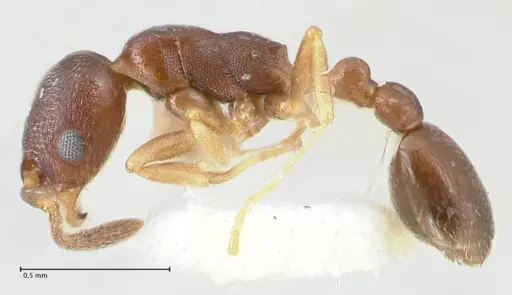
Cardiocondyla venustula (commonly known as the Ant) is an ant species of the genus Cardiocondyla. It is primarily documented in 8 countries , including Barbados, Dominican Republic, Ghana. Detailed taxonomic data and occurrence records can be further explored via authoritative databases such as AntWeb or the Global Biodiversity Information Facility (GBIF).
Cardiocondyla venustula - "Ant"
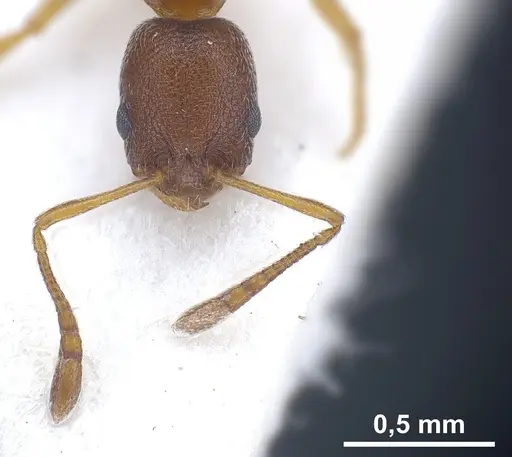
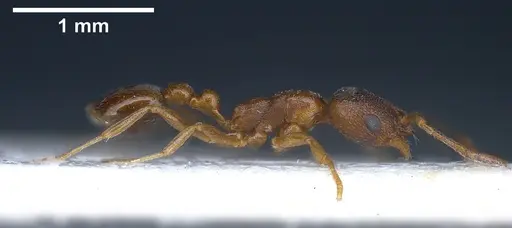
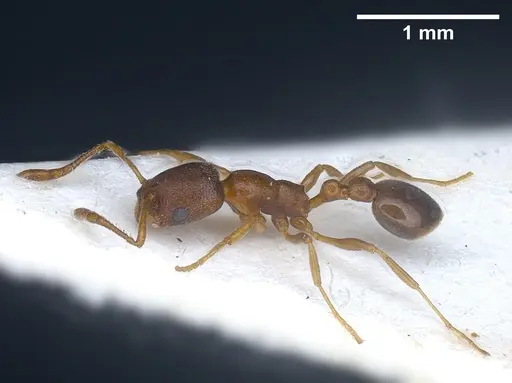
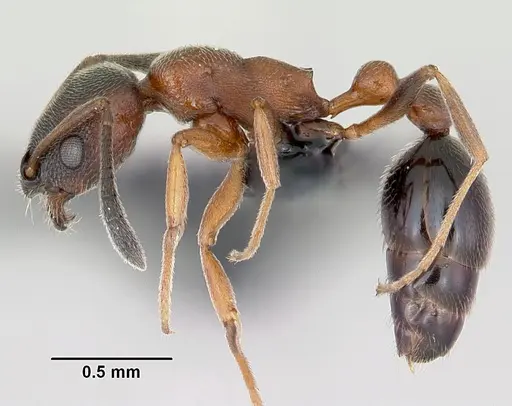
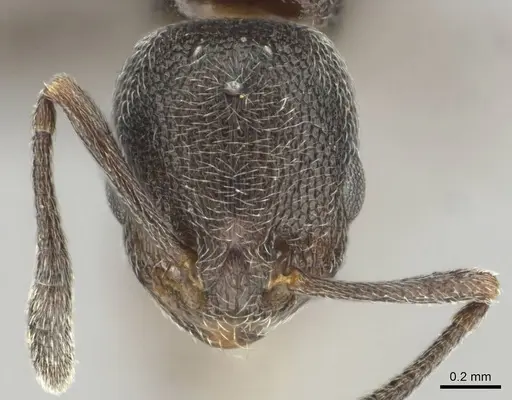
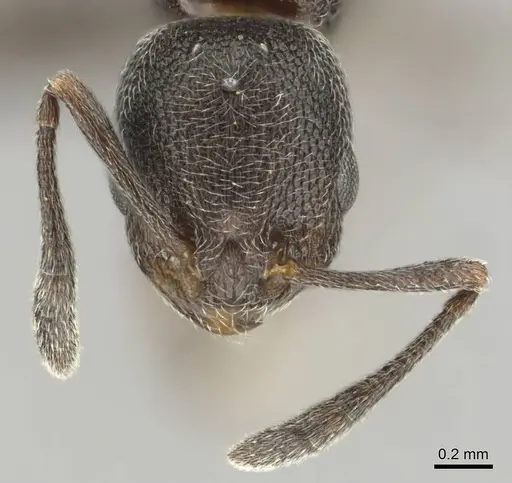
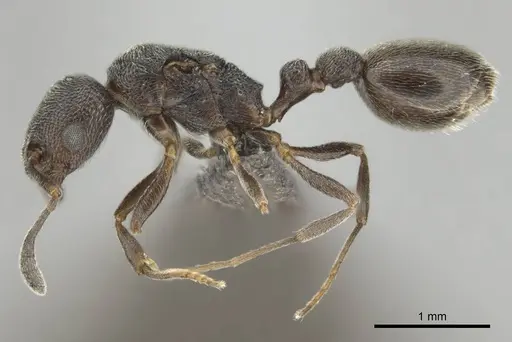
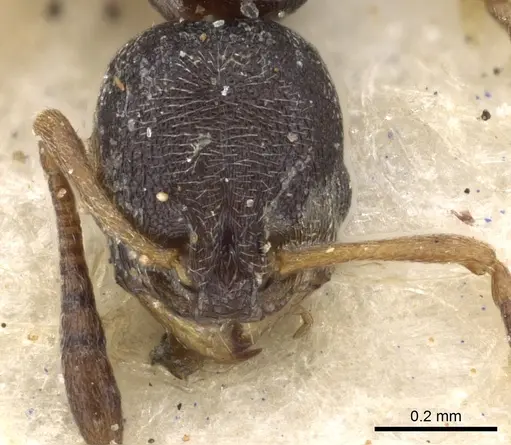
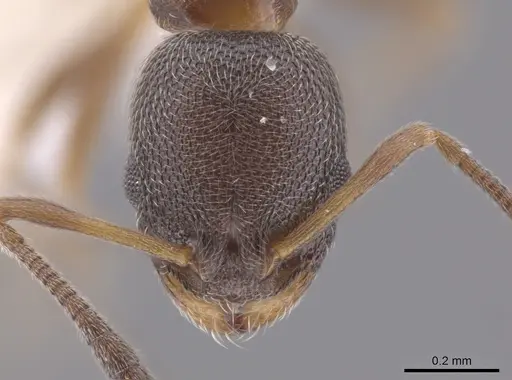
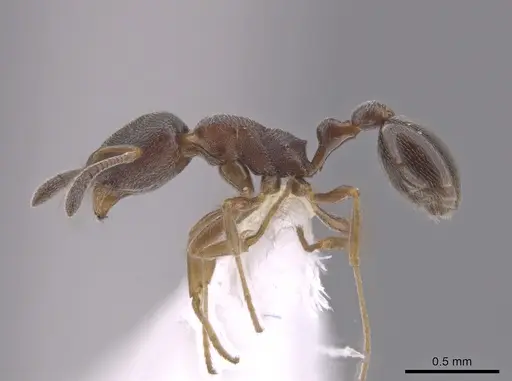
Cardiocondyla venustula is a tiny ant native to Africa that has spread through human commerce to become established in parts of North America, the Caribbean, Central America, and Hawaii. Workers measure just 2-2.25mm and are dark reddish-brown with an almost black head and gaster. Queens are slightly larger at 2.75-3mm. This species forms small colonies of typically fewer than 200 workers and nests in open, sandy soil in warm, sunny areas like beaches, fields, and disturbed ground near roads [1][2].
What makes C. venustula unusual is its mating system. Males are always wingless (ergatoid) and defend small territories inside the multi-chambered nest, fighting rival males to monopolize mating opportunities with young queens. These ants communicate using tandem running, one worker leads another to food sources by stopping and waiting to be touched, rather than using chemical scent trails. They are primarily scavengers, collecting dead insects and accepting sugar water [3][2].
Quick Summary
- Difficulty: Easy
- Origin & Habitat: Native to Africa (Mozambique, Namibia, Zimbabwe). Introduced to the Nearctic (United States), Neotropical (Caribbean, Central America, Mexico), and Hawaii. Found in open, sunny areas with sandy or gravelly soil, beaches, fields, pastures, roadsides, and urban areas [2][4].
- Colony Type: Facultatively polygynous, colonies can have 1 to 7 dealate queens working together. Workers are small (2-2.25mm) and colonies typically reach a few hundred workers at maturity [3][2].
- Colony: Optionally polygyne
- Founding: Claustral, Pleometrosis
- Size & Growth:
- Queen: 2.75-3mm [1]
- Worker: 2-2.25mm [1]
- Colony: Up to a few hundred workers [2]
- Growth: Moderate
- Development: 6-10 weeks (estimated based on related Cardiocondyla species) (Development time is not directly documented for this species but is expected to fall within the typical Cardiocondyla range of 6-10 weeks at warm temperatures)
- Antkeeping:
- Temperature: Keep at 24-28°C. These ants are heat-loving and foragers are most active during the warmest part of the day. A heating cable on one side of the nest creates a useful gradient [2].
- Humidity: Moderate humidity around 50-70%. They nest in sandy soil that dries out between rains in their native habitat. Keep the nest substrate lightly moist but allow it to partially dry between waterings.
- Diapause: No, as a tropical/subtropical species, they do not require hibernation. However, slight temperature reduction in winter (around 20-22°C) may slow activity and is acceptable.
- Nesting: Test tubes work well for founding colonies. Established colonies can be kept in Y-tong nests or naturalistic setups with sandy substrate. They prefer shallow nests with small, multiple entrances, polydomous by nature [2].
- Behavior: Docile and non-aggressive. Workers forage individually during the warmest hours, scavenging dead insects and collecting honeydew. They use tandem running to recruit nestmates to food, one worker leads another by stopping and waiting to be touched on the abdomen. They accept sugar water readily. Escape prevention should be excellent due to their tiny size, use fine mesh barriers. Males are wingless (ergatoid) and stay inside the nest where they defend territories and compete for mating opportunities [3][2].
- Common Issues: tiny size means escapes are likely without fine mesh barriers, small colony size may disappoint keepers expecting rapid growth, polydomous nesting can lead to workers moving brood to unexpected locations, males are wingless so nuptial flights don't occur, colonies spread by budding, wild-caught colonies may have parasites that affect survival in captivity
Housing and Nest Setup
Cardiocondyla venustula does well in standard test tube setups for founding colonies. Use a small test tube with a water reservoir sealed with a cotton plug, fill only one-third with water to prevent flooding. For established colonies, Y-tong nests or acrylic formicariums with sandy substrate work well. These ants naturally create shallow, multi-chambered nests with several entrances, so avoid deep, complex tunnel systems. A thin layer of sand or soil mixture as substrate satisfies their natural nesting preferences. Because they are polydomous (using multiple nest entrances within a few meters), they may spread brood across different chambers, this is normal behavior. Cover all openings with fine mesh, these tiny ants can squeeze through gaps that seem impossible [2].
Feeding and Diet
These ants are generalist scavengers. In captivity, they readily accept small dead insects like fruit flies, pinhead crickets, and mealworm pieces. They prefer dead or crushed prey rather than live insects, in the wild they scavenge inactive or already-killed invertebrates. Sugar sources are also accepted readily, offer sugar water, honey, or diluted honey on a regular basis. Feed protein (insects) 2-3 times per week and keep a sugar source constantly available. Remove uneaten prey after 24-48 hours to prevent mold. Workers can tackle prey items several times their own head size by breaking them into smaller pieces [2][1].
Temperature and Seasonal Care
Keep your colony warm at 24-28°C. These ants are heat-loving and foragers are most active during the hottest part of the day in the wild. A heating cable on one section of the nest creates a temperature gradient that lets ants choose their preferred zone. Unlike temperate species, C. venustula does not require hibernation. In winter, you can reduce temperatures slightly to around 20-22°C, but this is not necessary and may slow colony growth. The species is tolerant of temperature variations and has even been found at elevations up to 2430m in Hawaii, suggesting it can handle cooler conditions than its tropical origin would suggest [5][2].
Understanding Their Unique Mating System
Cardiocondyla venustula has one of the most unusual mating systems in the ant world. Males are always wingless (ergatoid), they never develop wings like most ant males. Some colonies produce 'intermorphic' males that have tiny, underdeveloped wings. Males defend small territories inside the nest and fight rival males using their strong mandibles, sometimes killing freshly-emerging rivals. Despite this aggression, adult male fights are typically brief and non-lethal, often ending after males 'besmear' each other with hindgut secretions. Mating occurs inside the nest, not during flight. Queens mate only once (monandrous) and can be adopted into unrelated colonies. This means your colony will never produce swarming nuptial flights, new colonies form when mated queens walk away from the natal nest or through budding with workers [3][2].
Tandem Running Communication
One of the most fascinating behaviors of C. venustula is their tandem running recruitment system. Unlike many ants that use chemical pheromone trails, these ants communicate individually. A leader worker leaves the nest and moves forward, then stops and waits. When a follower touches the leader's abdomen, the leader runs forward a short distance (3-10mm) before stopping again. This repeats until they reach food or the recruitment fails. Less than 10% of successful foragers use tandem running, most find food alone. The system is highly visual, workers can navigate in nearly straight lines over considerable distances and are not significantly disoriented by raking soil in front of them. This behavior makes for entertaining observation, you can watch pairs moving deliberately across the outworld [2].
Colony Growth and Expectations
Keep your expectations realistic, C. venustula colonies remain relatively small compared to many common ant species. Mature colonies typically reach only 100-200 workers, rarely exceeding a few hundred. Growth rate is moderate. Queens can be adopted into existing colonies (polygynous foundation), and laboratory studies show pleometrotic (multiple queen) founding is possible. The high level of inbreeding in wild populations (over 80% sib-mating) suggests captive colonies may benefit from introducing unrelated bloodlines occasionally, though this is not required for basic success. Be patient, small colony size is normal for this species, not a sign of poor care [3][2].
Frequently Asked Questions
How long does it take for Cardiocondyla venustula to produce first workers?
Expect 6-10 weeks from egg to first worker at warm temperatures (around 26°C). This is typical for Cardiocondyla species. Founding queens seal themselves in and raise brood alone using stored fat reserves.
Can I keep multiple queens together in one colony?
Yes, this species is facultatively polygynous, meaning colonies can have 1 to 7 queens. Multiple queens can found a colony together (pleometrosis) in the lab. However, single-queen colonies are also common in the wild.
Do Cardiocondyla venustula ants sting?
These tiny ants have a stinger but it is far too small to penetrate human skin. They are completely harmless to keepers and show no aggressive behavior toward humans.
What do Cardiocondyla venustula eat?
They are general scavengers. Feed small dead insects (fruit flies, pinhead crickets, mealworm pieces) 2-3 times per week and provide constant access to sugar water or honey. They prefer dead or crushed prey rather than live hunting.
Are Cardiocondyla venustula good for beginners?
Yes, they are easy to care for, tolerate temperature variations, and accept a wide variety of foods. The main challenges are their tiny size (requiring excellent escape prevention) and small colony size, which may be less satisfying than larger species.
Do they need hibernation or diapause?
No, as a tropical/subtropical species, they do not require hibernation. You can keep them at room temperature year-round (around 22-26°C). Slight winter cooling is optional but not necessary.
Why are my ants not swarming?
This is normal, C. venustula males are wingless (ergatoid) and mating occurs inside the nest, not during nuptial flights. New colonies spread by budding or mated queens walking away from the natal nest.
How big do colonies get?
Colonies typically reach 100-200 workers at maturity, rarely exceeding a few hundred. This is a small species by design, not a sign of poor care.
References

This caresheet is licensed under CC BY-SA 4.0 .
ANTWEB1008125
View on AntWeb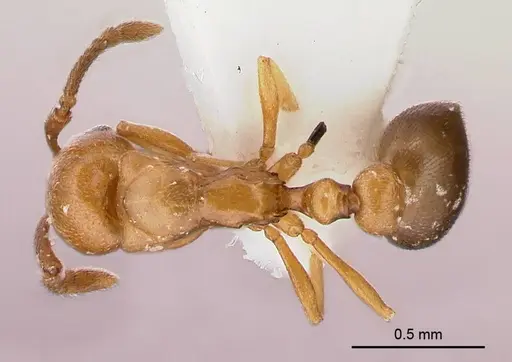
ANTWEB1041254
View on AntWeb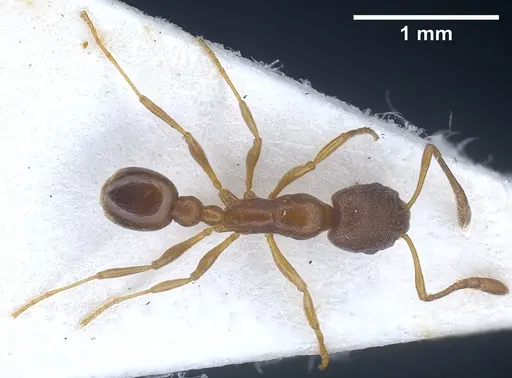
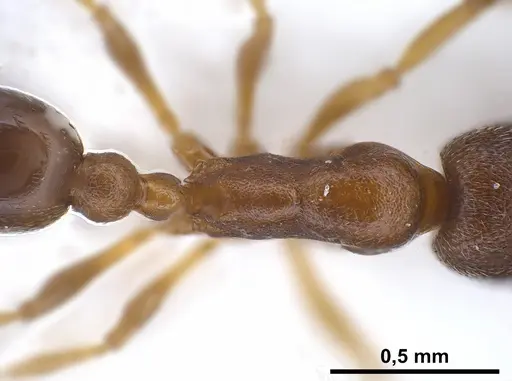
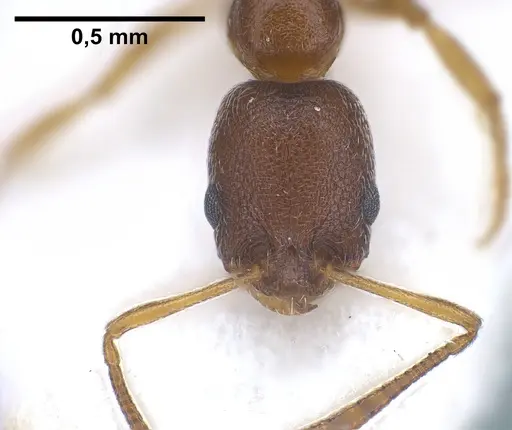
CASENT0103746
View on AntWeb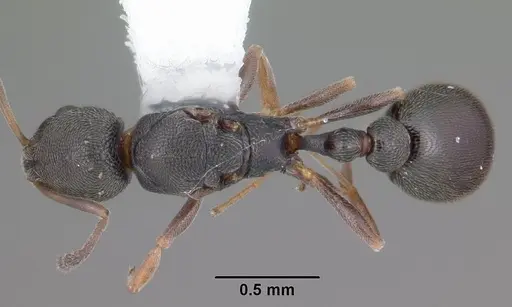
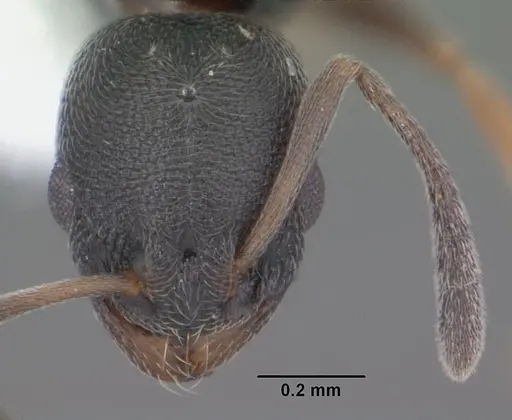
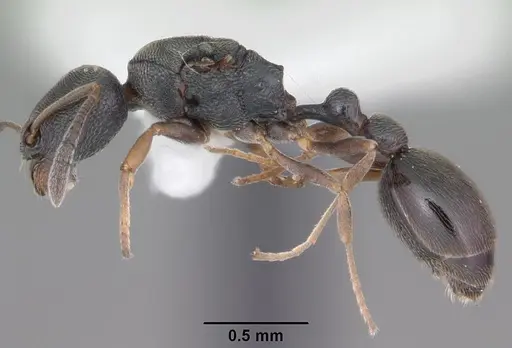
CASENT0103747
View on AntWeb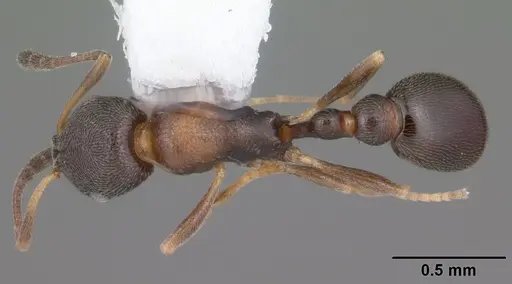
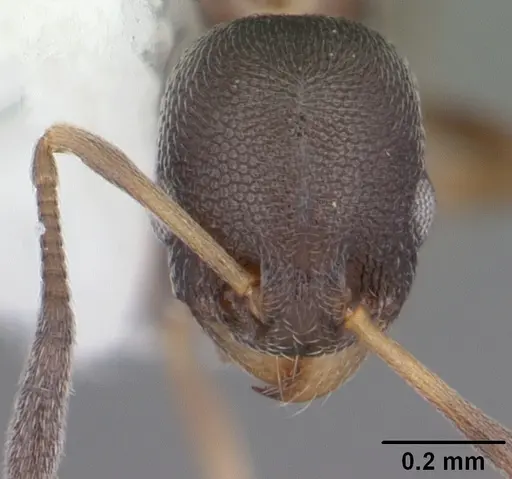
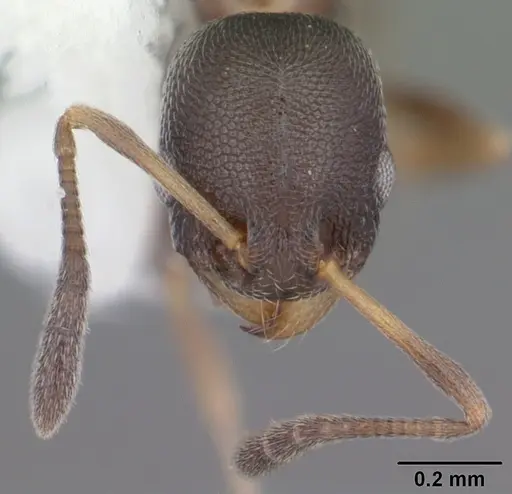
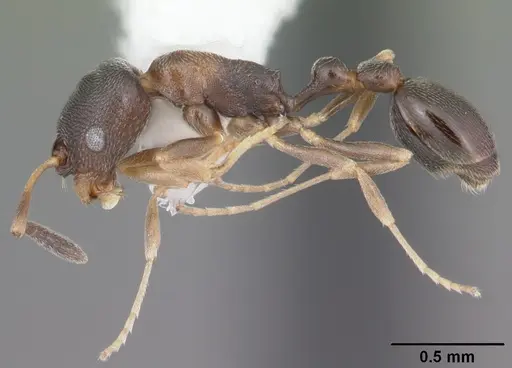
CASENT0119699
View on AntWeb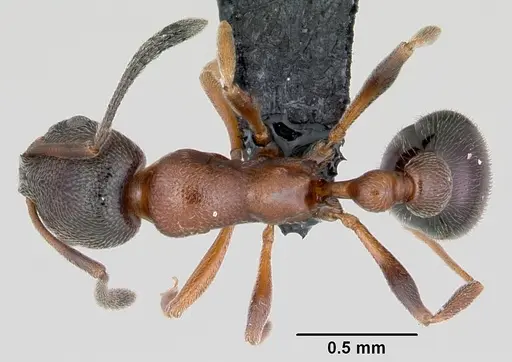
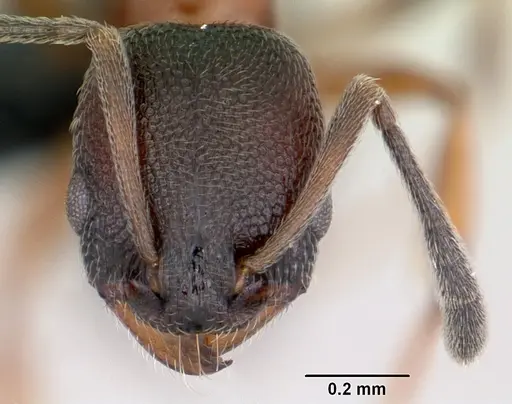
CASENT0256430
View on AntWeb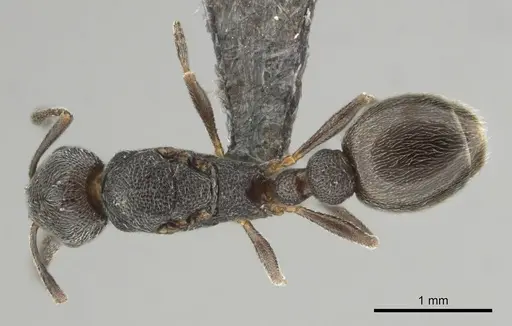
CASENT0258510
View on AntWeb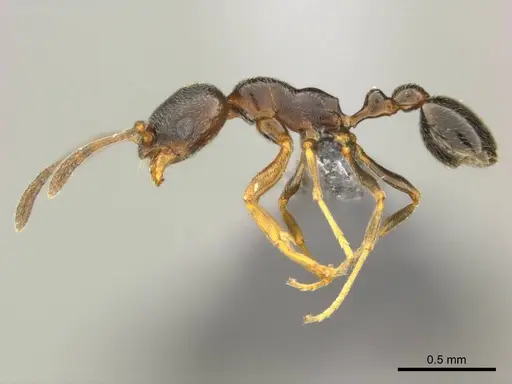
CASENT0901746
View on AntWeb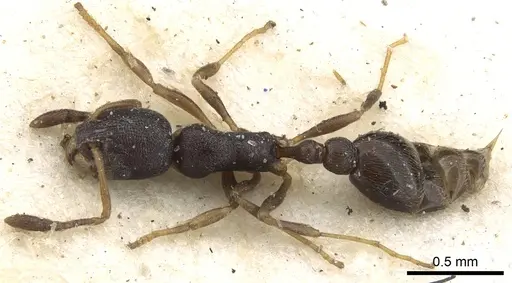
FOCOL1607
View on AntWeb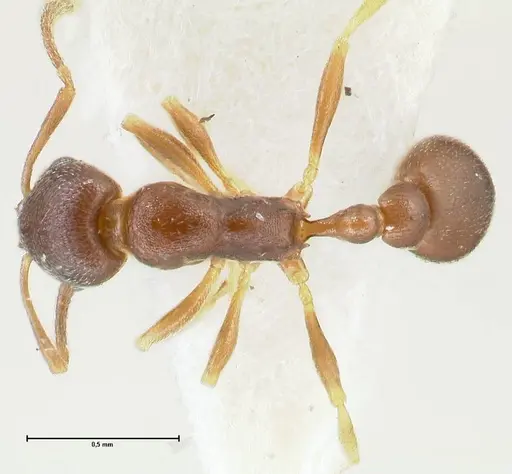
JTLC000007488
View on AntWeb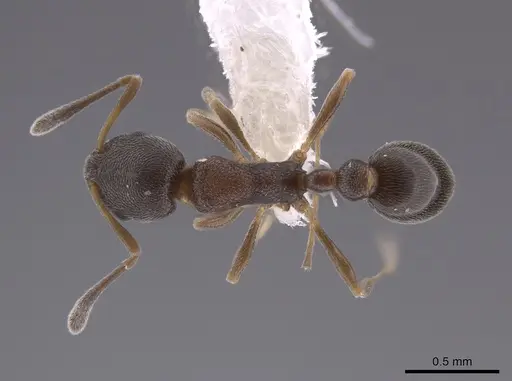
Literature
Loading...Loading products...