

Cardiocondyla ulianini
- Scientific Name
- Cardiocondyla ulianini
- Tribe
- Crematogastrini
- Subfamily
- Myrmicinae
- Author
- Emery, 1889
- Distribution
- Found in 2 countries
Cardiocondyla ulianini Overview
Cardiocondyla ulianini is an ant species of the genus Cardiocondyla. It is primarily documented in 2 countries , including Kyrgyzstan, Russian Federation. Detailed taxonomic data and occurrence records can be further explored via authoritative databases such as AntWeb or the Global Biodiversity Information Facility (GBIF).
Cardiocondyla ulianini
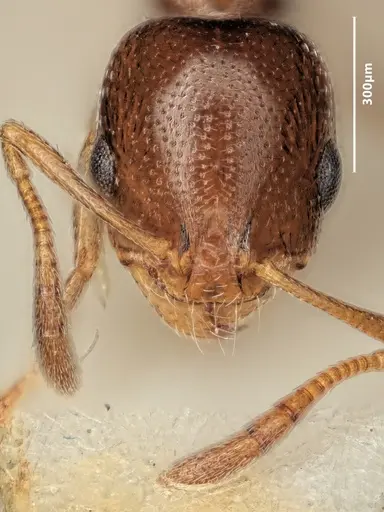
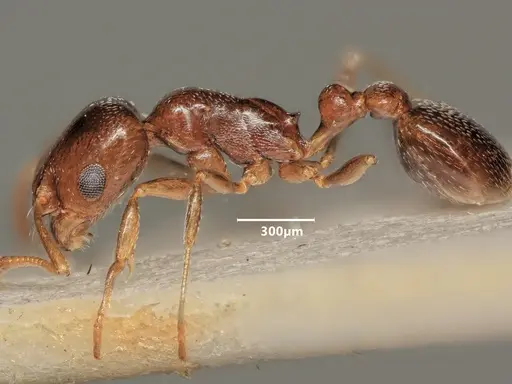
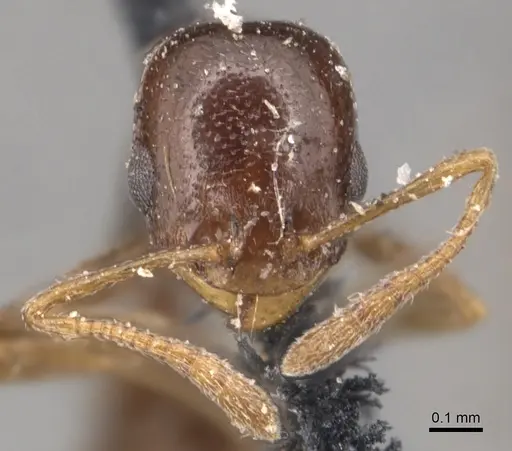
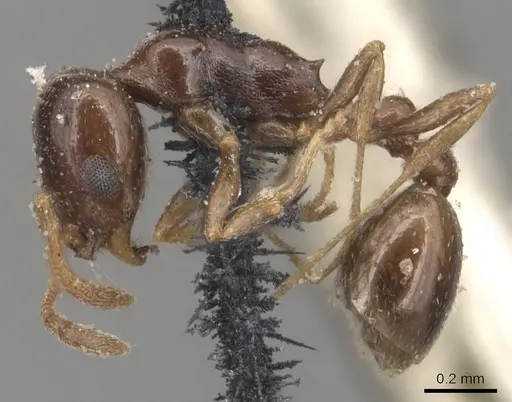
Cardiocondyla ulianini is a tiny desert ant species native to the steppe and semidesert zones of Central Asia, ranging from Ukraine eastwards to northwestern China. Workers measure just 0.5mm and have a narrow petiole, relatively large eyes, and color ranging from pale yellowish brown to dark brown. This species is notable for its complex nest architecture in desert habitats, when groundwater is deep, colonies dig vertical chains of 40-50 chambers reaching 150cm deep to access water, regulate temperature during extreme daily fluctuations, and survive cold Central Asian winters. Colonies contain ergatoid (wingless) males that coexist peacefully in nests, and new colonies can form through fission.
Quick Summary
- Difficulty: Medium
- Origin & Habitat: Desert and steppe zones of Central Asia, sandy river terraces with sparse dry steppe vegetation, flat salty periodically inundated loess soil at lake margins. Found from southern Ukraine (32°E) to northern Xinjiang (88°E), from 46.7°N to 34°N, at elevations from 25m below sea level in the Caspian region to 1800m in Afghanistan [1][2].
- Colony Type: Polygyne (multiple queens) colonies with documented ergatoid (wingless) replacement males. Colonies contain less than 500 workers and can form new nests through fission [1].
- Colony: Polygyne
- Founding: Claustral
- Size & Growth:
- Queen: Queens are approximately 0.6mm (CS 615±6 µm) [3].
- Worker: Workers are tiny at approximately 0.5mm (CS 522±22 µm) [1][2].
- Colony: Colonies reach up to 500 workers [1].
- Growth: Moderate, growth rate is unconfirmed but related Cardiocondyla species typically develop within 4-8 weeks at optimal temperature.
- Development: Estimated 4-8 weeks based on related Cardiocondyla species development patterns. Specific data for C. ulianini is unavailable. (Timeline inferred from genus-level data, actual development time may vary.)
- Antkeeping:
- Temperature: As a desert species from Central Asia, keep at warm room temperature around 22-26°C. They naturally experience extreme temperature fluctuations in the wild, so they tolerate a range. A gentle heat gradient allows them to self-regulate.
- Humidity: Low to moderate, this is a desert species. Keep nest substrate relatively dry with occasional moisture zones. Avoid constant dampness that would cause mold in their native dry steppe habitat.
- Diapause: Yes, requires hibernation during cold Central Asian winter. Reduce temperature to 10-15°C for 2-3 months during winter months.
- Nesting: Use a dry, well-drained nest setup. Y-tong (AAC) or plaster nests work well. Provide a shallow water reservoir but avoid excessive moisture. These ants naturally dig deep vertical chambers, so they appreciate vertical space in the nest.
- Behavior: This species is peaceful and not aggressive. Workers are small but active foragers. Ergatoid (wingless) males coexist peacefully in nests, they don't fight like males of some related Cardiocondyla species. Escape prevention is critical due to their tiny size, use fine mesh barriers and tight-fitting lids. They are not known to sting.
- Common Issues: escape prevention is critical, their tiny 0.5mm size means they can squeeze through the smallest gaps, colonies are small (under 500 workers), don't expect large, impressive colonies, overwatering causes mold problems in this desert species, wild-caught colonies may have parasites that can decimate the colony in captivity, slow growth compared to larger ant species may frustrate beginners
Housing and Nest Setup
Cardiocondyla ulianini is a tiny desert ant that needs careful escape prevention. Use a Y-tong (AAC) nest or plaster nest with chambers scaled to their small size. Provide a shallow water tube but keep the nest relatively dry, this species comes from arid steppe and semidesert habitats where moisture is limited. The nest should have good drainage to prevent waterlogging. Because they naturally dig deep vertical chambers in the wild (sometimes 40-50 chambers stacked vertically reaching 150cm deep), they do well with vertical space in captivity. However, unlike wild nests, your captive setup should focus on horizontal chambers that are easy to maintain. Use fine mesh on any ventilation holes, these ants are only about 0.5mm and can escape through gaps that seem impossibly small. [1][2]
Feeding and Diet
Like most Cardiocondyla species, C. ulianini likely accepts a variety of foods including small insects, honeydew, and sugar sources. Feed small protein sources like fruit flies, pinhead crickets, or other tiny arthropods. Offer sugar water or honey as an energy source. Because workers are so small, prey items should be appropriately sized, even a single fruit fly is a substantial meal for these tiny ants. Feed every 2-3 days and remove uneaten prey to prevent mold. They are foragers and will send workers out to collect food, so provide easy access to feeding areas.
Temperature and Seasonal Care
This Central Asian desert species prefers warm conditions. Keep the nest at 22-26°C as a baseline, they naturally experience extreme temperature swings in the wild (from below freezing in winter to scorching heat in summer), so they are adaptable. However, avoid extreme heat above 30°C. During winter, they require a diapause period to simulate the cold Central Asian winter. Reduce temperature to 10-15°C for 2-3 months, typically from late autumn through winter. This hibernation period is important for colony health and may trigger reproductive behavior in spring. A small heating cable on one side of the nest can create a temperature gradient if your room temperature is too cool. [1]
Colony Structure and Reproduction
Cardiocondyla ulianini forms polygyne colonies with multiple queens working together. Colonies remain relatively small, reaching up to 500 workers. A unique feature of this species is the presence of ergatoid males, wingless males that coexist peacefully in the nest. Unlike many Cardiocondyla species where males fight to the death, ergatoid males of C. ulianini tend to avoid fighting and multiple males can be found in a single nest. New colonies can form through fission, where a group of workers, brood, and one or more queens splits off to form a new nest. Alate (winged) gynes have been observed in late summer (early August), suggesting nuptial flights occur during this period. [1]
Behavior and Temperament
This is a peaceful, non-aggressive species. Workers are small but active and will forage for food. They are not known to sting and pose no danger to keepers. The most notable behavioral trait is the peaceful coexistence of ergatoid males, in many related Cardiocondyla species, males fight violently, but C. ulianini males avoid conflict. Workers are efficient foragers and will readily explore their outworld for food. Because of their tiny size, always use excellent escape prevention, even a small gap that you wouldn't notice can allow escape. Check all connections between the nest and outworld regularly. [1]
Frequently Asked Questions
How long does it take for Cardiocondyla ulianini to produce first workers?
Based on related Cardiocondyla species, expect 4-8 weeks from egg to first worker at optimal temperature. Specific development data for C. ulianini is not available, so this is an estimate based on genus patterns.
Can I keep multiple Cardiocondyla ulianini queens together?
Yes, this is a polygyne species that naturally forms colonies with multiple queens. Unlike many ants, queens are not aggressive toward each other and can coexist in the same nest.
What size colony does Cardiocondyla ulianini reach?
Colonies remain relatively small, reaching up to 500 workers. Don't expect the massive colonies you might get from species like Formica or Camponotus.
Do Cardiocondyla ulianini ants sting?
No, these tiny ants do not sting. They are completely harmless to humans.
What temperature do Cardiocondyla ulianini need?
Keep them at 22-26°C as a baseline. They are adaptable and can tolerate some variation. Provide a gentle heat gradient so they can self-regulate. Winter hibernation at 10-15°C for 2-3 months is recommended.
How do I prevent Cardiocondyla ulianini from escaping?
Escape prevention is critical because they are extremely tiny (only 0.5mm). Use fine mesh barriers on all ventilation holes, ensure all connections between nest and outworld are tight, and consider using fluon or other barriers on the rim of the setup. Check regularly for any gaps.
Do Cardiocondyla ulianini need hibernation?
Yes, as a Central Asian species, they require a winter diapause period. Reduce temperature to 10-15°C for 2-3 months during winter. This mimics their natural environment where temperatures drop significantly.
What do Cardiocondyla ulianini eat?
Feed small protein sources like fruit flies, tiny crickets, or other small insects. Offer sugar water or honey as an energy source. Because workers are only 0.5mm, prey should be appropriately sized, even a fruit fly is a substantial meal.
Is Cardiocondyla ulianini good for beginners?
This species is rated as medium difficulty. While they are hardy once established, their tiny size makes escape prevention challenging, and their small colony size may be less satisfying for beginners expecting rapid growth. They are better suited for keepers with some experience.
When do Cardiocondyla ulianini alates appear?
Alate gynes have been observed in early August in their native range. In captivity, expect reproductive castes to develop during warm summer months following hibernation.
References

This caresheet is licensed under CC BY-SA 4.0 .
ANTWEB1048545
View on AntWeb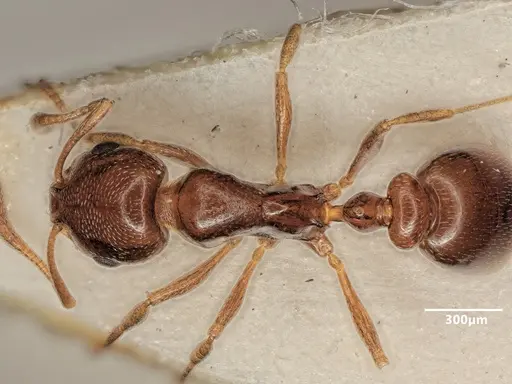
CASENT0904461
View on AntWeb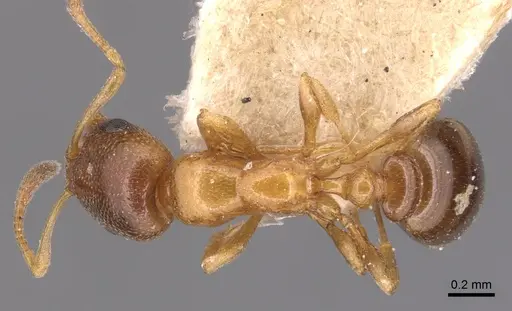
Literature
Loading...Loading products...