

Cardiocondyla nivalis
- Scientific Name
- Cardiocondyla nivalis
- Tribe
- Crematogastrini
- Subfamily
- Myrmicinae
- Author
- Mann, 1919
- Distribution
- Found in 1 countries
Cardiocondyla nivalis Overview
Cardiocondyla nivalis is an ant species of the genus Cardiocondyla. It is primarily documented in 1 countries , including Solomon Islands. Detailed taxonomic data and occurrence records can be further explored via authoritative databases such as AntWeb or the Global Biodiversity Information Facility (GBIF).
Cardiocondyla nivalis
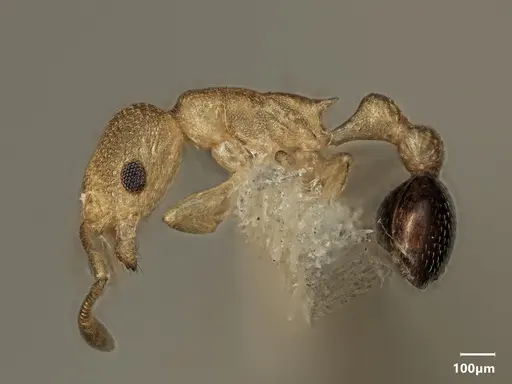
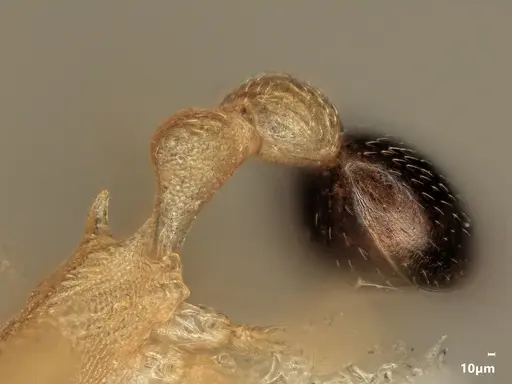
Cardiocondyla nivalis is an extremely tiny ant species native to the Solomon Islands. Workers measure just 0.376mm in length, making them among the smallest ants in the world [1]. They have a striking appearance with a jet black gaster (abdomen) contrasting against snowy white or very pale yellowish brown body parts [1]. This species is known only from four islands in the Solomon group: Vella Lavela, Guadalcanal, Renell, and San Cristobal, spanning roughly 600km of ocean [1]. Nothing is known about their biology in the wild, no research has documented their colony structure, founding behavior, diet, or nesting habits [2]. This makes them an challenging species to keep, as all care recommendations must be based on inference from related Cardiocondyla species.
Quick Summary
- Difficulty: Expert
- Origin & Habitat: Solomon Islands, specifically Vella Lavela, Guadalcanal, Renell, and San Cristobal islands in the tropical Pacific [1]. The islands have a hot, humid tropical climate with year-round temperatures in the mid-20s to low-30s Celsius and high rainfall.
- Colony Type: Unconfirmed, no research has documented colony structure for this species. Based on typical Cardiocondyla patterns, they likely form small colonies with single or multiple queens.
- Size & Growth:
- Queen: Undocumented, no queen specimens have been described in scientific literature [2]
- Worker: 0.376mm (CS 376 µm), extremely tiny [1]
- Colony: Unknown, no colony size data exists for this species
- Growth: Unknown, no development data exists
- Development: Unknown, no research has documented development time. Based on typical Cardiocondyla patterns from related species, estimate 4-8 weeks at tropical temperatures, but this is a rough guess. (No direct data exists. Development timeline is entirely inferred from genus-level patterns.)
- Antkeeping:
- Temperature: Likely 24-28°C based on their tropical Solomon Islands origin. Provide a warm area in the nest with a gentle gradient so ants can self-regulate.
- Humidity: High humidity is essential, think damp tropical forest conditions. Keep nest substrate consistently moist but not waterlogged. Provide a water tube for drinking water.
- Diapause: Unlikely, Solomon Islands have no cold season. Do not hibernate this species.
- Nesting: No natural nesting data exists. Based on related Cardiocondyla species, they likely nest in small cavities in soil, under stones, or in rotting wood. Use a test tube setup or small acrylic nest with appropriately scaled tiny chambers.
- Behavior: No behavioral research exists for this species. Based on genus patterns, they are likely docile and non-aggressive. Their extreme tiny size means they cannot sting humans. Escape prevention is critical, they can squeeze through gaps too small for most ants to notice. They will likely form small, quiet colonies.
- Common Issues: extreme tiny size makes escape prevention critical, use fine mesh and check for microscopic gaps, no biological data exists, all care is experimental and based on genus inference, slow growth is likely, beginners may lose patience with slow-developing colonies, wild-caught colonies may have parasites that can kill them in captivity, test tube setups must be properly sealed, these ants can escape through tiny openings
Appearance and Identification
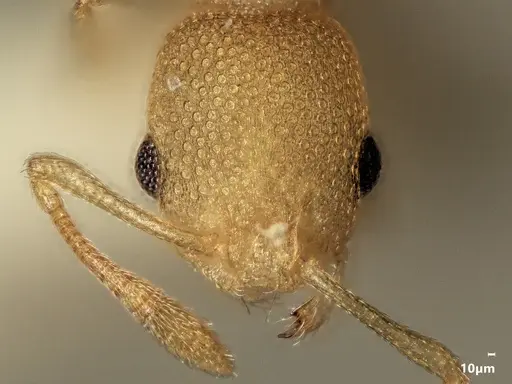
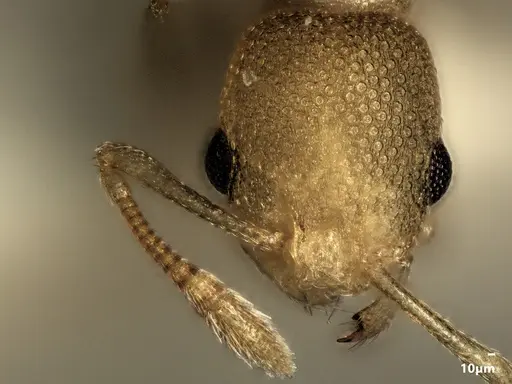
Cardiocondyla nivalis workers are among the smallest ants you will ever encounter, measuring just 0.376mm in total length [1]. This is roughly the width of a human hair. They have a distinctive two-tone color pattern: the gaster (abdomen) is jet black, while the head, mesosoma, and legs are snowy white or very pale yellowish brown [1]. This stark contrast makes them quite striking under magnification. The head is moderately long with a concave posterior margin and strongly concave clypeus. The eyes are relatively small. The propodeal spines are short and nearly straight. The petiole is relatively massive and high compared to the tiny body size, with a concave anterior margin [1]. Queens have not been described in scientific literature, so their size and appearance remain unknown [2].
Distribution and Habitat
This species is endemic to the Solomon Islands, a Pacific island nation east of Papua New Guinea. It has been recorded from four islands spanning approximately 600km: Vella Lavela (7.76°S), Guadalcanal (9.65°S), Renell (11.71°S), and San Cristobal/Makira (10.41°S) [1]. The type locality is Pamua on San Cristobal Island. The species was first scientifically recorded in the Solomon Islands in 2009,though it was originally described by Mann in 1919 from specimens collected between May and November 1916 [3][1]. These islands have a tropical climate with year-round warmth, high humidity, and significant rainfall. Nothing is known about their specific microhabitat preferences in the wild.
What Makes This Species Challenging
Cardiocondyla nivalis is one of the most poorly documented ant species in the world. No scientific research has ever studied their biology, colony structure, founding behavior, diet, temperature preferences, or any other aspect of their life history [2]. This presents a significant challenge for antkeepers because every aspect of their care must be inferred from related species or guessed based on their tropical origin. There are no established care protocols, no documented development timelines, and no前辈 keeper experience to draw from. This makes them an expert-level species suitable only for experienced antkeepers who are comfortable experimenting and documenting their own findings. If you keep this species successfully, your observations could contribute valuable new knowledge to the antkeeping community.
Housing and Escape Prevention
Given their extreme tiny size (0.376mm workers), escape prevention is absolutely critical. These ants can squeeze through gaps that are virtually invisible to the human eye. Use only fine mesh barriers (at least 0.5mm or smaller mesh size), ensure all connections are tightly sealed, and check for any microscopic gaps regularly. A test tube setup works well for founding colonies, use a small diameter tube to keep the water reservoir appropriately scaled. For established colonies, a small acrylic nest or Y-tong with tiny chambers scaled to their size is appropriate. Avoid tall, open spaces that could allow them to climb out. The nest should be kept in a dark, quiet location as they prefer minimal disturbance.
Feeding and Diet
No research exists on what Cardiocondyla nivalis eats in the wild or in captivity. Based on typical Cardiocondyla genus patterns, they likely have a generalist diet similar to most small Myrmicinae ants, probably feeding on honeydew, small insects, and nectar. For captivity, offer sugar water or honey as a constant energy source. For protein, offer tiny prey items appropriate to their size, fruit flies, pinhead crickets (very small), or other micro-arthropods. Given their tiny size, standard ant prey items may be too large. Start with the smallest available live prey and observe acceptance. Document what your colony accepts and share your findings with the antkeeping community.
Temperature and Humidity
As a tropical species from the Solomon Islands, Cardiocondyla nivalis likely requires warm, humid conditions. Aim for temperatures in the range of 24-28°C, which is typical for tropical species. A heating cable on one side of the nest can create a temperature gradient. Humidity should be high, these ants come from a tropical island environment with significant rainfall. Keep the nest substrate consistently moist but not waterlogged. A water tube attached to the test tube or nest provides drinking water. Do not attempt to hibernate this species, there is no cold season in their native habitat.
Frequently Asked Questions
How long does it take for Cardiocondyla nivalis to develop from egg to worker?
This is completely unknown, no research has ever documented the development time for this species. Based on typical Cardiocondyla genus patterns, a rough estimate would be 4-8 weeks at tropical temperatures (24-28°C), but this is entirely speculative. If you successfully keep this species, documenting your observations would be extremely valuable.
Are Cardiocondyla nivalis good for beginners?
No. This is an expert-level species due to several factors: their extreme tiny size makes housing and escape prevention very difficult, no biological data exists so all care is experimental, and they likely grow slowly which requires patience. This species is only recommended for experienced antkeepers who are comfortable with uncertainty and experimental care protocols.
What do Cardiocondyla nivalis eat?
Unknown, no research exists on their diet. Based on genus patterns, they likely accept sugar sources (honey, sugar water) and small protein prey. Start with tiny prey items scaled to their 0.376mm worker size. Document what your colony accepts and share findings with the community.
Do Cardiocondyla nivalis ants sting?
At 0.376mm in length, these ants are far too small to penetrate human skin even if they had a stinger. They are completely harmless to humans and cannot sting or bite in any noticeable way.
How big do Cardiocondyla nivalis colonies get?
Unknown, no colony size data exists for this species. Based on their tiny size and typical Cardiocondyla patterns, colonies are likely small, possibly under 100-500 workers. Document your colony's growth if you successfully keep this species.
Can I keep multiple queens together?
Unknown, no research exists on colony structure or queen behavior for this species. Cardiocondyla species vary in their colony structure (some are single-queen, some are multi-queen). Without any data, it is not possible to recommend either keeping single or multiple queens. Err on the side of isolation until more is known.
What is the best nest type for Cardiocondyla nivalis?
No established protocol exists. Based on their tiny size, use a test tube setup with small diameter for founding colonies, or a small acrylic nest with appropriately scaled tiny chambers. Ensure excellent escape prevention with fine mesh barriers. Keep the nest humid and warm.
Do Cardiocondyla nivalis need hibernation?
No, they come from the Solomon Islands which have a tropical climate with no cold season. Do not hibernate this species. Keep them at warm tropical temperatures year-round (24-28°C).
Why are my Cardiocondyla nivalis dying?
Without any documented care requirements, troubleshooting is extremely difficult. Common issues likely include: escape (check for microscopic gaps), improper temperature (too cold or too hot), improper humidity (too dry or waterlogged), and stress from disturbance. Their extreme rarity in the hobby means there is no established troubleshooting guide.
References

This caresheet is licensed under CC BY-SA 4.0 .
ANTWEB1048526
View on AntWeb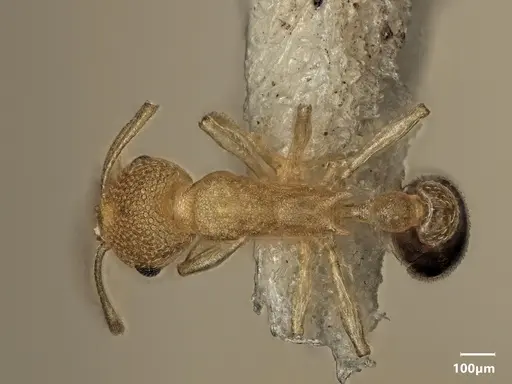
Literature
Loading...Loading products...